
Saturday mornings in Haverford have a particular rhythm. Cars idle near the station, neighbors compare notes on the train, and a new ice cream counter draws a line that spills onto the sidewalk. Between bites, people talk about what the township still lacks. A recent round of consumer questions turned that sidewalk talk into something officials can read. The Haverford business wish list that emerged is plain spoken and surprisingly consistent: markets, a theater, and streets that feel safe enough to walk after dark.
What residents actually asked for

Township surveys can feel like paperwork until the answers start to rhyme. In Haverford, people were asked what kinds of businesses they want nearby and how they move through commercial corridors. The replies did not scatter into a dozen contradictory fantasies. They clustered. Residents want food that is not sealed in plastic, an evening destination with a stage or a screen, and street design that makes an errand feel less like a hazard. Public reporting on that consumer data has arrived alongside new openings, including an ice cream shop and a general store, which suggests the market is already testing some of these appetites in real time.
A questionnaire is not a bond issue. It is a signal. Signals matter when a suburb is deciding whether the next storefront should be another service office or a room where strangers become regulars. The value of the exercise is less in any single comment than in the repetition. When enough households name the same missing pieces, planners and landlords lose the excuse that taste is too scattered to serve.
An indoor market as a civic room
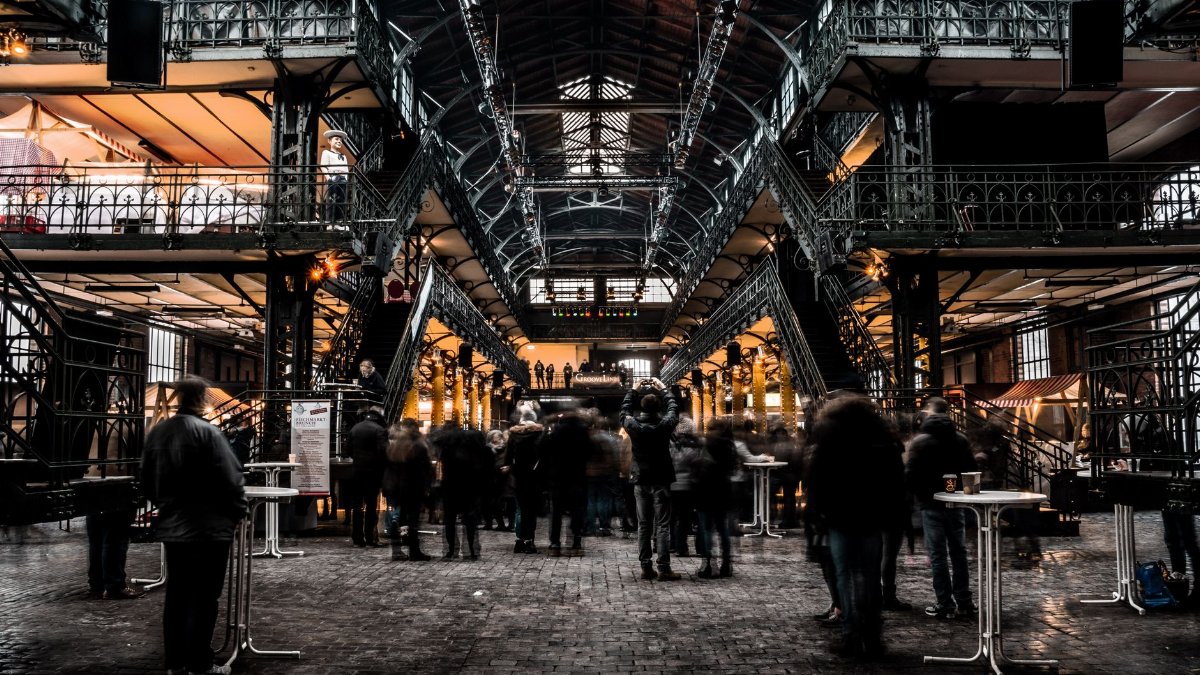
An indoor farmers market sits near the top of local hopes for a reason that is only partly about produce. Outdoor stalls are lovely in October and miserable in February. A hall with a roof would give growers, bakers, and small makers a year round address. It would also give residents a reason to leave the car in one place and wander. In towns like Haverford, where lawns are generous and commercial strips are thin, the missing piece is often not another big box. It is a room with good light and enough vendors that a Saturday can be spent without a highway.
Markets do a kind of work that a supermarket aisle cannot. You see the person who grew the greens. You hear what did not come in this week. Children learn that food has a season. Older residents get a standing appointment that is not a medical visit. That social surplus is why the request keeps returning in conversations about the Haverford business wish list, even among people who already have a grocery store within a short drive. Convenience is solved. Gathering is not.
The bakery people keep naming
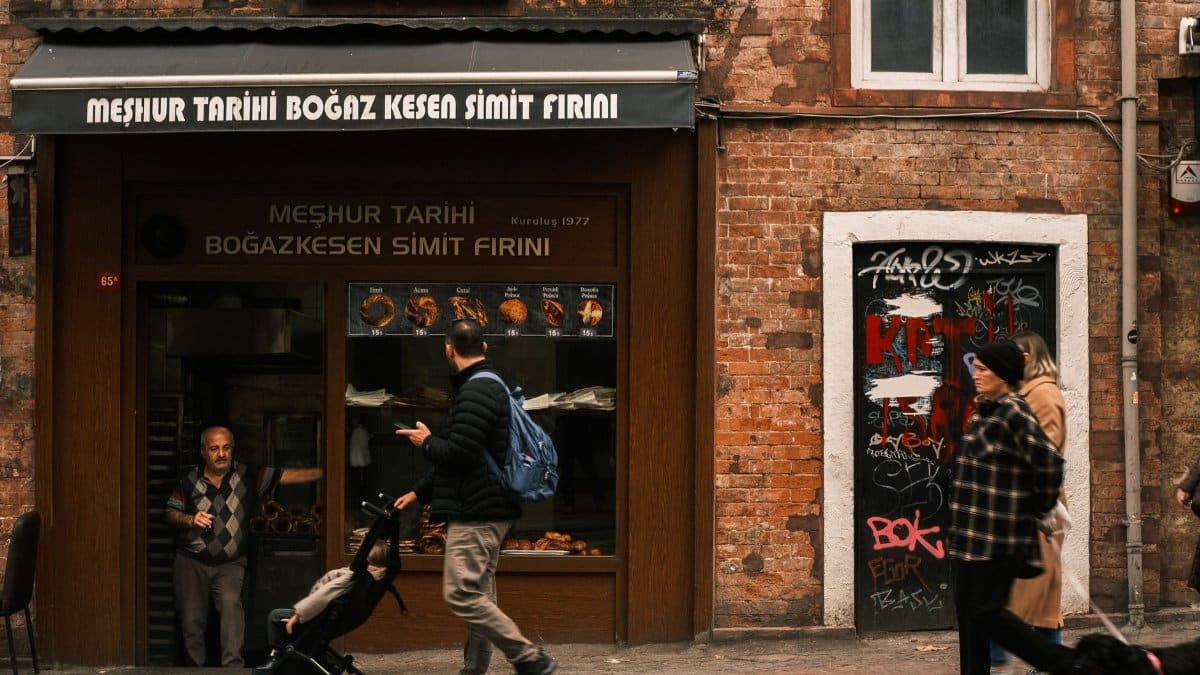
A bakery is a modest wish until you notice how often it appears. Residents are not asking for a flagship dining room with a wait measured in months. They are asking for bread, pastry, and a counter where a weekday morning has a shape. Bakeries pull foot traffic that other shops borrow. They also fail when rent outruns the margin on a loaf. Any serious reading of local demand has to hold both truths: the appetite is real, and romance will not pay the lease.
The practical question is whether a landlord, a shared kitchen, or a modest public nudge on permitting can make the numbers kind enough for an owner who wants to stay. A township that celebrates a ribbon cutting and then watches the oven go cold has learned nothing. The better test is whether a baker can still be there in the third winter, when the novelty has faded and the regulars are the business.
Why a theater still belongs

Streaming did not kill the desire to leave the house. It changed what people will leave the house for. A theater, whether it shows films, hosts school concerts, or rents the stage to a touring trio, offers something a living room cannot: a shared ending. Haverford already has cultural neighbors along the Main Line, and residents know the drive to Ardmore or Philadelphia. The wish is not ignorance of those options. It is a preference for an evening that begins on foot and ends without a parking garage.
A small house with decent sightlines could serve that desire better than a multiplex that needs a sea of asphalt. Programming would have to be honest about the audience. School performances, classic films, local music, and the occasional touring act can fill a calendar if the room is the right size. An oversized hall that sits dark most nights would mock the request. Scale is the difference between a wish and a white elephant.
Safer streets as a retail strategy

Safer streets can sound like a traffic memo. On this list they read as a business condition. If families will not send children on bikes to a shop, and if older residents avoid crossings after dusk, the customer base shrinks to people who drive and park. That is a thinner economy than it looks. Crosswalks, slower design speeds, lighting, and sidewalks without sudden gaps are not decorations. They are how a market or a theater finds its audience.
I have walked enough suburban arterials to know the difference between a street that invites lingering and a street that hurries you back to the car. The first lets you notice a window. The second asks you to survive the turn lane. Haverford residents seem to know which kind of street they have, and which kind would make a new shop worth the trip more than once. Safety here is not a separate moral project from commerce. It is the condition under which commerce becomes local rather than drive by.
Walkable blocks and the second stop

Walkable streetscapes ranked with the market and the bakery because people are tired of errands that cannot be combined. A streetscape is not a mural program. It is the sequence of doors, trees, benches, and crossings that makes a second stop feel natural. When storefronts face the sidewalk and parking is tucked rather than enthroned, a visitor who came for ice cream might also buy flowers or wait for a friend. That extra stop is the entire logic of a commercial district.
Without it, each business must advertise harder and hope the trip is worth it alone. Owners feel that pressure as marketing costs and as loneliness. A district that works lets a weak Tuesday at one counter be offset by a neighbor who drew the crowd. The Haverford business wish list is, in that sense, a request for company among shops, not only among people. Isolated successes do not add up to a place.
New openings are a partial answer

Handels and a store called Jeneral have given residents something fresh to try. Openings matter because they test whether nostalgia can become a receipt. An ice cream counter proves that people will queue for a treat. A general store hints at appetite for goods with a local voice. Neither replaces an indoor market or a theater. Both tell landlords that blank windows are not inevitable.
The risk is treating every opening as proof that the list is already fulfilled. A queue in the first weeks is not the same as a district that works on a wet Tuesday in March. New operators deserve customers, not a victory lap on their behalf. If the township uses those shops as evidence that nothing further is needed, it will have misread both the data and the street. Fresh paint is a beginning. It is not a comprehensive reply to what residents said they still cannot find.
Nostalgia will not sign the lease
It is easy to romanticize the Main Line as it might have been, with a butcher, a cobbler, and a marquee. Some of that memory is accurate and some of it edits out the shops that closed for good reasons. Online retail took convenience. Chains took predictability. What remains for independents is experience, trust, and proximity. A wish list that ignores wages, delivery trucks, and zoning will produce disappointment. A wish list that treats those constraints as the design brief can still produce a market hall, a baker, and a street people trust.
Honesty about money is a form of respect for the people who would have to own these businesses. A resident can want a theater and still understand that a projectionist, a manager, and a insurance bill do not appear because a survey said so. The adult conversation is about which wishes can be met by private risk, which need a public setting, and which should be declined because the site cannot carry them. Refusal, explained clearly, is better than a vague promise that fades.
What township power can and cannot do
Haverford Township does not conjure businesses by applause. It can zone, it can improve streets, it can speed permits, and it can decide whether public land might host a market on a trial basis. It cannot force a baker to love a rent roll. Readers of the Haverford business wish list sometimes blur those lines, then feel betrayed when a survey does not become a storefront. Clarity would help. Publish the themes. Say which items are public works and which items depend on private risk. Invite operators to respond in public, not only in hallway conversations.
A transparent split between what government can build and what only a merchant can attempt would make the next year less theatrical and more useful. It would also protect staff from the fantasy that every empty window is a failure of will. Some windows are empty because the rent, the parking rules, or the customer count cannot support the dream attached to them. Naming that fact is part of taking the survey seriously.
The quiet hunger underneath the shopping

There is a reason these requests feel larger than retail. A market, a theater, and a safe walk are ways of being among other people without an appointment. In a decade when many routines moved indoors and onto screens, the desire to stand in a line and recognize a face is not trivial. Call it civic life or call it spirit. The substance is the same. Places that ask you to show up in a body, next to other bodies, keep a township from becoming a set of private driveways.
That observation does not require a sermon, and it should not be used to romanticize consumption. Buying a loaf is not a sacrament. It can still be one of the few weekly moments when neighbors share a room without a agenda. Towns that lose those moments often notice the loss first as loneliness, and only later as a vacancy rate. The survey, read this way, is a comment on meaning as much as on merchandise.
A serious response would start with the street
A serious response would start with the pavement. Lighting, crossings, and sidewalk gaps are within public reach, and they raise the value of every private idea on the list. Next would come a market test: a seasonal indoor hall, perhaps in an underused civic or commercial space, with clear rules for vendors and a date to judge success. If the hall is full and the vendors return, expand it. If it is not, learn why before building a monument to the idea.
A theater is harder. It needs a champion, a building, and a programming partner. The township can keep the door open in zoning and in parking policy so that champion is not punished for trying. Bakeries will follow foot traffic more reliably than they will follow a press release. Sequence matters. Streets first, a trial market second, and patient room for a baker and a small stage as the walks get easier. That order respects both the survey and the budget.
How to read the list without inflating it
The Haverford business wish list is not a mandate and it is not a mood board. It is a ranked intuition from people who live with the consequences of each empty storefront and each frantic crossing. Officials should treat it as evidence of demand. Merchants should treat it as a map of trips people already want to make. Residents should treat it as a promise they also have to keep by showing up when the doors open.
Wishes decay when they are only recited. They harden into a district when streets, leases, and habits point the same way. Haverford has named what it wants with unusual clarity: markets, a theater, and safer streets. The next test is whether that clarity survives contact with rent, rain, and a Tuesday night when the easy choice is to stay home.