
In a nation long scarred by upheaval and external pressures, the announcement of a structured path back to the ballot box marks a rare point of forward movement. Haiti has endured years without national votes amid waves of instability, leaving institutions strained and citizens yearning for representation. The Haiti elections now stand scheduled for December 13 2026 with possible runoffs early in 2027, a plan released by the Provisional Electoral Council that seeks to address deep seated governance gaps. Observers note this timeline arrives against a backdrop of armed groups controlling large parts of the capital and rural areas, raising questions about feasibility yet also signaling intent to rebuild civic participation.
Roots of Prolonged Political Disruption

Haiti has faced repeated leadership vacuums since the last full electoral cycle concluded more than ten years ago. Successive transitional governments struggled to organize credible votes while economic pressures mounted and public trust eroded. Many analysts trace current challenges to earlier periods of foreign intervention and internal power struggles that weakened state capacity. Without regular elections, legislative bodies remained incomplete and local administrations operated with limited accountability.
Security Realities Shaping Voter Access
Armed factions have expanded influence across Port au Prince and surrounding regions, creating barriers to safe movement for citizens and officials alike. Reports indicate that polling sites would require extensive protection measures to function effectively. Past attempts at partial voting exercises encountered disruptions that forced postponements. Any successful Haiti elections would depend on coordinated efforts to secure transportation routes and urban centers well in advance.
Church Communities as Potential Mobilizers
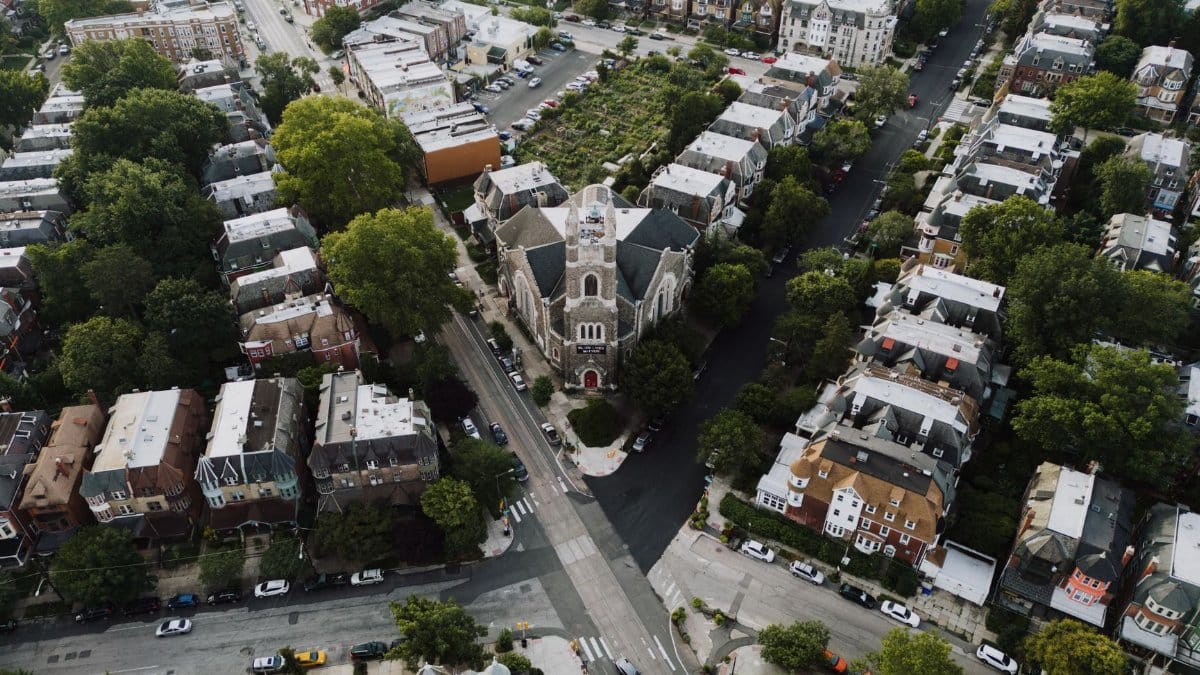
Religious institutions hold considerable sway in Haitian society and could play a constructive part in encouraging participation. Parishes often serve as gathering points for discussions on civic duty and moral leadership. Leaders within these networks have expressed cautious optimism that renewed voting processes might restore a sense of collective purpose. Training sessions on peaceful advocacy have already begun in several dioceses.
International Partners and Logistical Support

Regional organizations and donor nations have signaled willingness to assist with technical aspects such as ballot printing and observer deployment. Past missions focused on training local election workers yielded mixed results due to inconsistent follow through. This time around, emphasis rests on building permanent infrastructure rather than temporary fixes. Coordination meetings continue in advance of the announced date.
Economic Conditions Influencing Turnout

Widespread poverty and inflation affect daily life across Haiti, leaving many households focused on immediate survival needs. Historical patterns show that economic hardship can either suppress or spur engagement depending on perceived stakes. Campaigns that connect electoral outcomes to tangible improvements in markets and infrastructure may draw greater interest. Agricultural regions in particular stand to benefit from stable policy directions.
Youth Perspectives on Future Governance
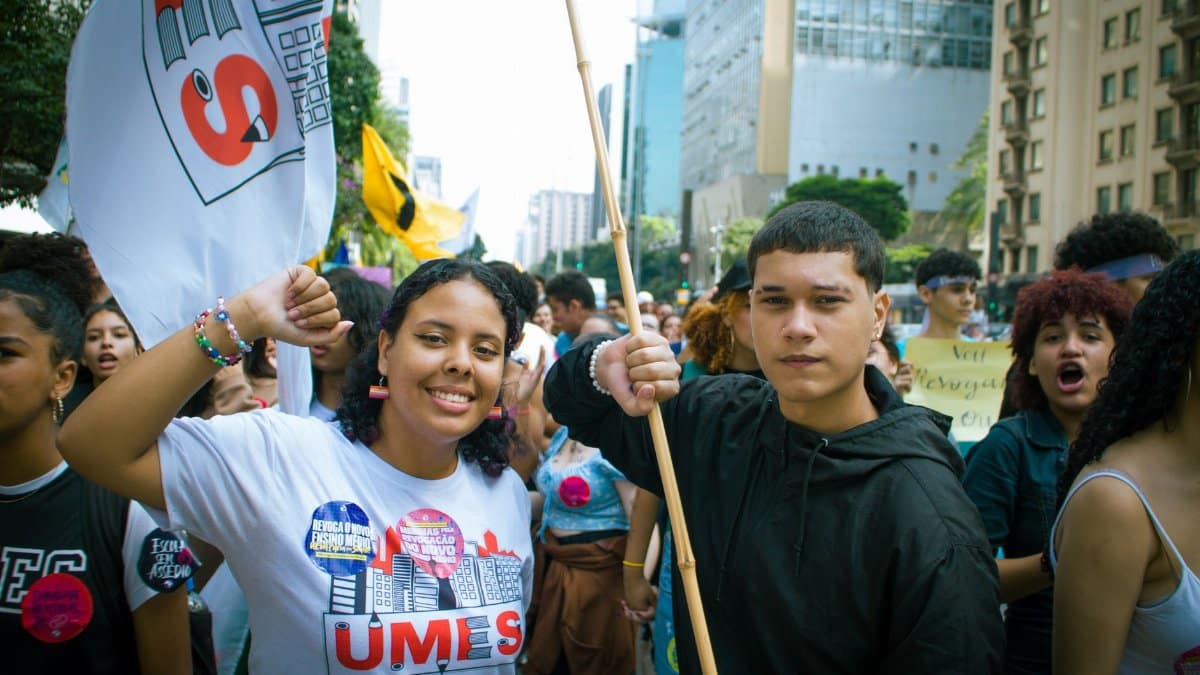
A generation raised amid chronic uncertainty now approaches voting age with distinct expectations. University students and young professionals have organized forums to debate priorities ranging from education reform to disaster preparedness. Their involvement could inject fresh energy into the process if channels for input remain open. Digital platforms offer new avenues for information sharing despite connectivity limitations.
Lessons from Earlier Electoral Efforts
Previous rounds of voting in Haiti revealed strengths in community level organization alongside vulnerabilities to fraud claims and logistical shortfalls. Review commissions documented both successes in rural turnout and shortfalls in urban security. Applying those findings to the upcoming cycle forms a central task for the electoral council. Transparency measures such as public audits of voter rolls appear under active consideration.
Path Toward Institutional Renewal

Restoring regular cycles of Haiti elections represents one element in a broader effort to strengthen checks and balances. Legislative and municipal contests scheduled alongside the presidential race could help rebuild local authority structures. Success hinges on sustained dialogue among competing factions and consistent international engagement without overreach. The coming months will test whether announced timelines translate into tangible preparations on the ground.