
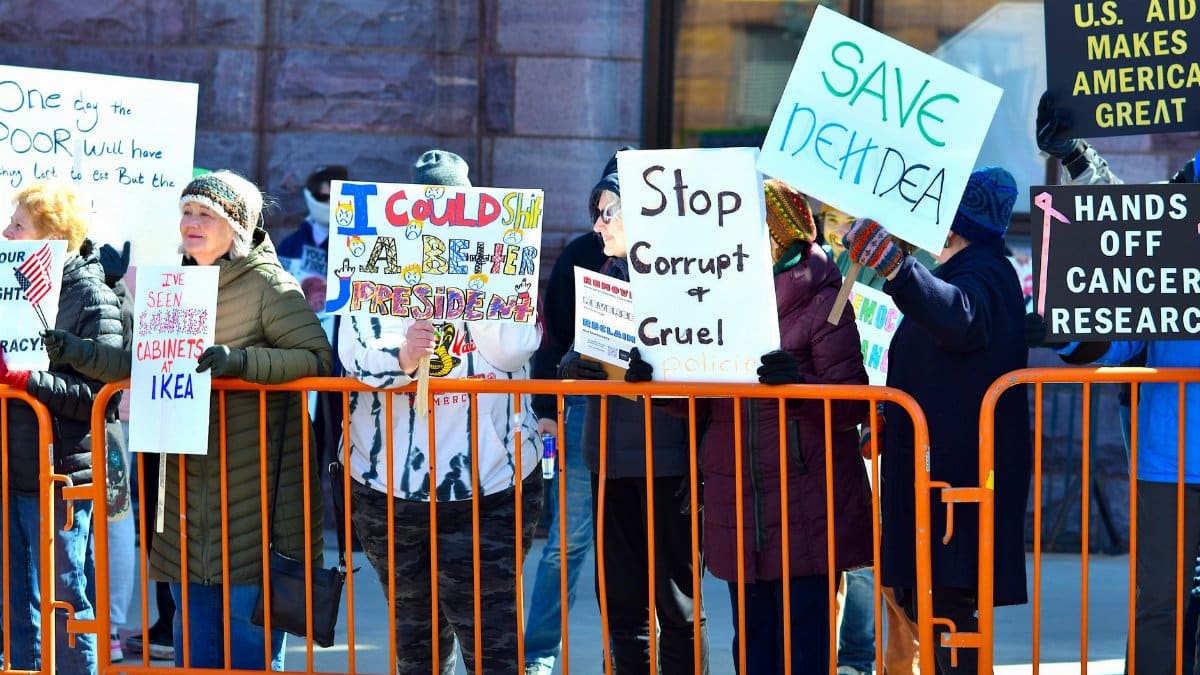
Across the United States people from various backgrounds are coming together in public spaces to voice their concerns over recent policy changes. These events draw inspiration from the phrase made famous by the late Representative John Lewis. Good Trouble rallies have emerged as a way for communities to advocate for fair elections and inclusive governance in a time of political division.
Historical Inspirations Behind These Gatherings
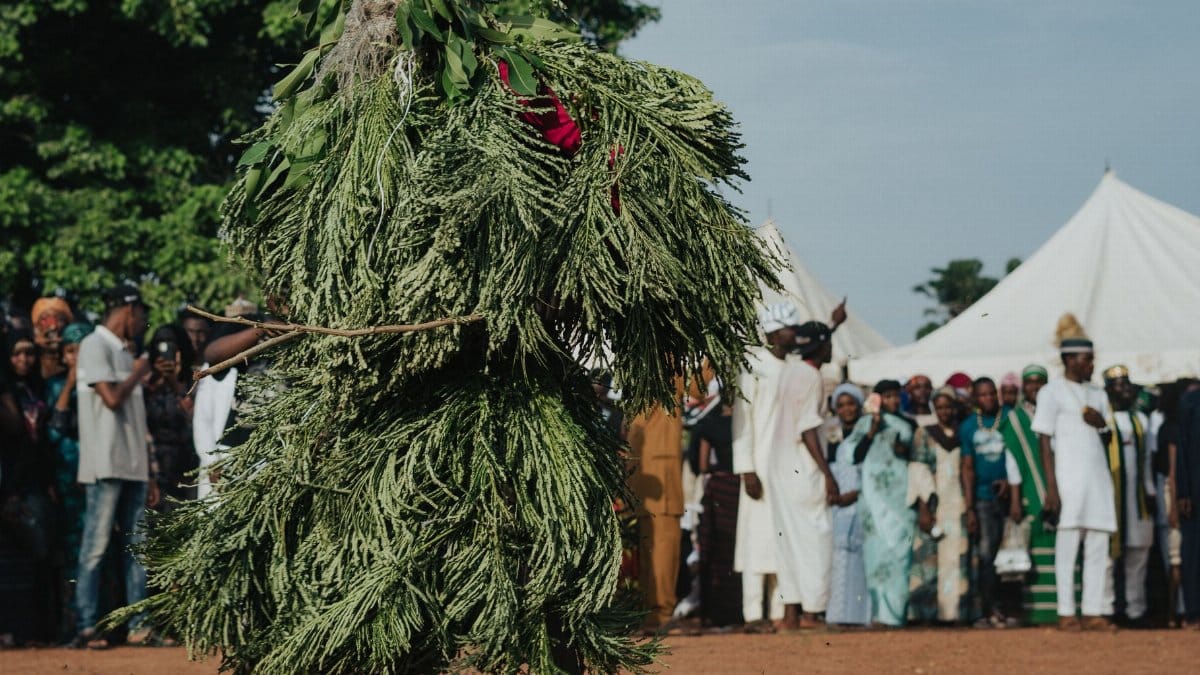
The concept traces back to the civil rights era when leaders urged followers to make necessary waves in pursuit of justice. Today organizers revive that spirit through coordinated actions spanning multiple days in the middle of July in 2026. Participants emphasize peaceful assembly and dialogue as core principles drawn from earlier struggles for equality.
Geographic Reach Across the Nation

Events are planned in locations from major urban centers to smaller rural communities in nearly every state. This broad distribution allows residents in diverse settings to join without extensive travel. Local groups adapt the format to suit regional needs while maintaining a shared focus on protecting access to the ballot box.
Core Issues Driving Participation

Attendees highlight worries about measures that could limit voting opportunities for certain populations. Discussions often center on proposed rules affecting mail in ballots and identification requirements at polling sites. Speakers connect these topics to larger questions about who gets to shape future laws and leadership.
Role of Faith Communities in the Events
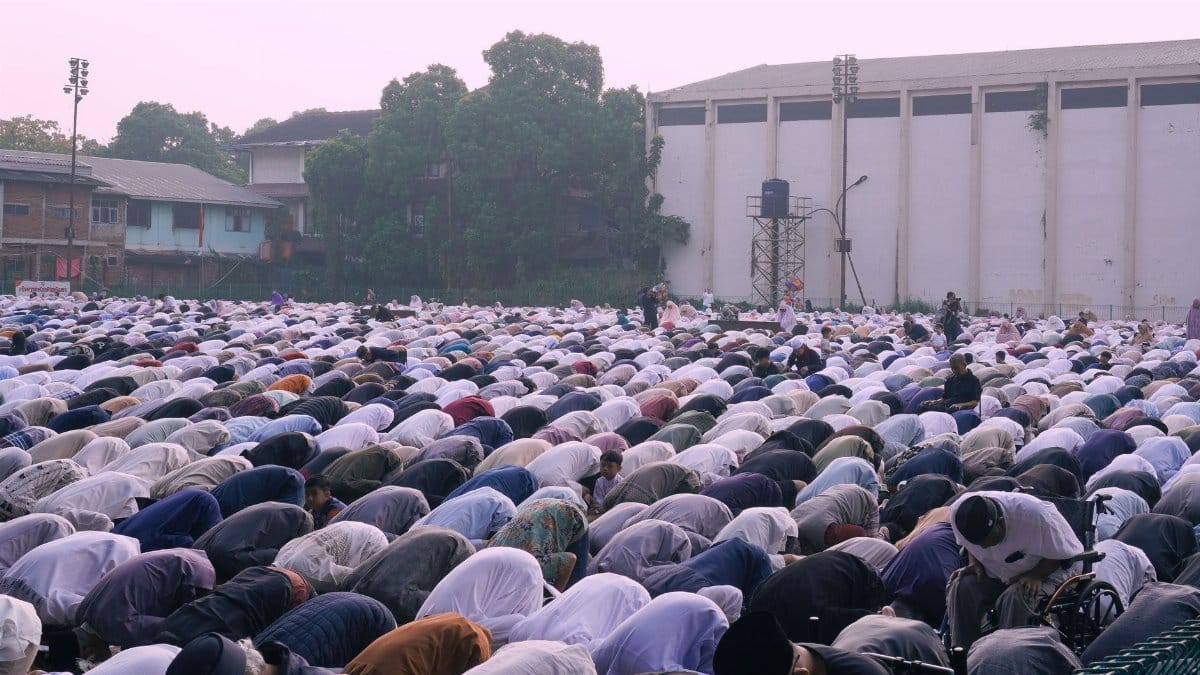
Churches and other religious organizations play a visible part by hosting forums and providing spaces for reflection. Leaders from various denominations frame the rallies as extensions of moral teachings on fairness and compassion. This spiritual dimension adds depth for middle aged attendees who see the actions as aligned with longstanding values.
Personal Stories from Longtime Activists
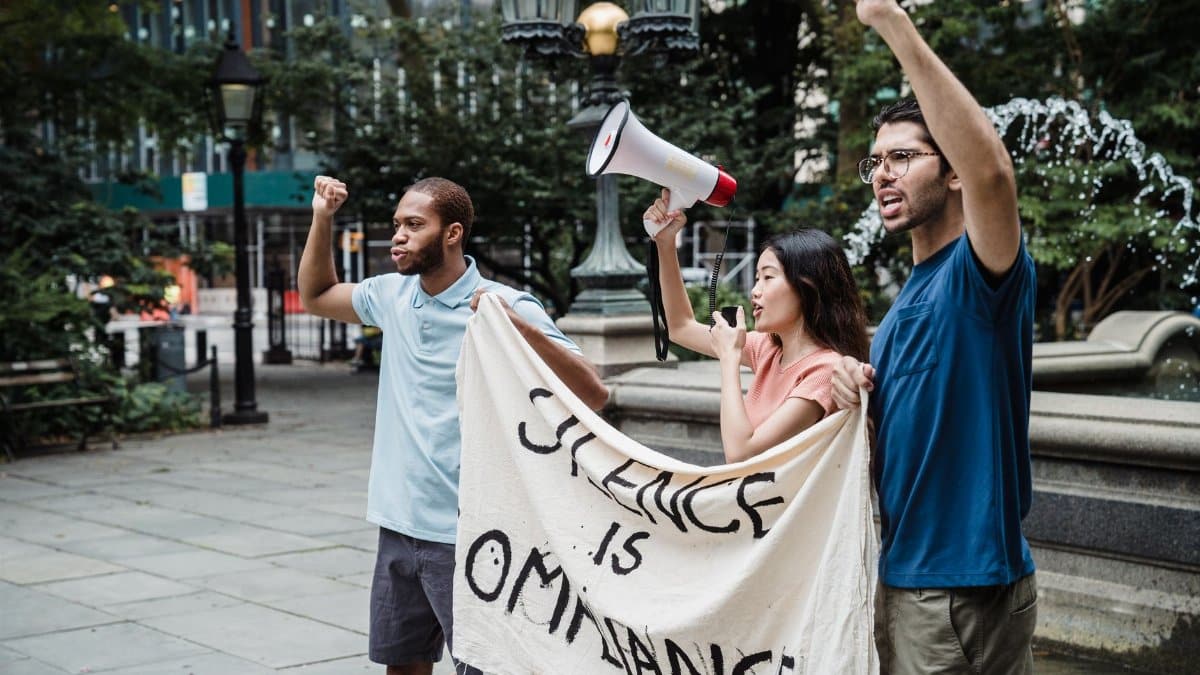
Veterans of past movements share accounts of earlier protests that influenced current laws. One organizer recalls marching decades ago and now sees parallels in the renewed energy among younger volunteers. These narratives help bridge generations and underscore continuity in the fight for democratic principles.
Challenges in Organizing Large Scale Actions
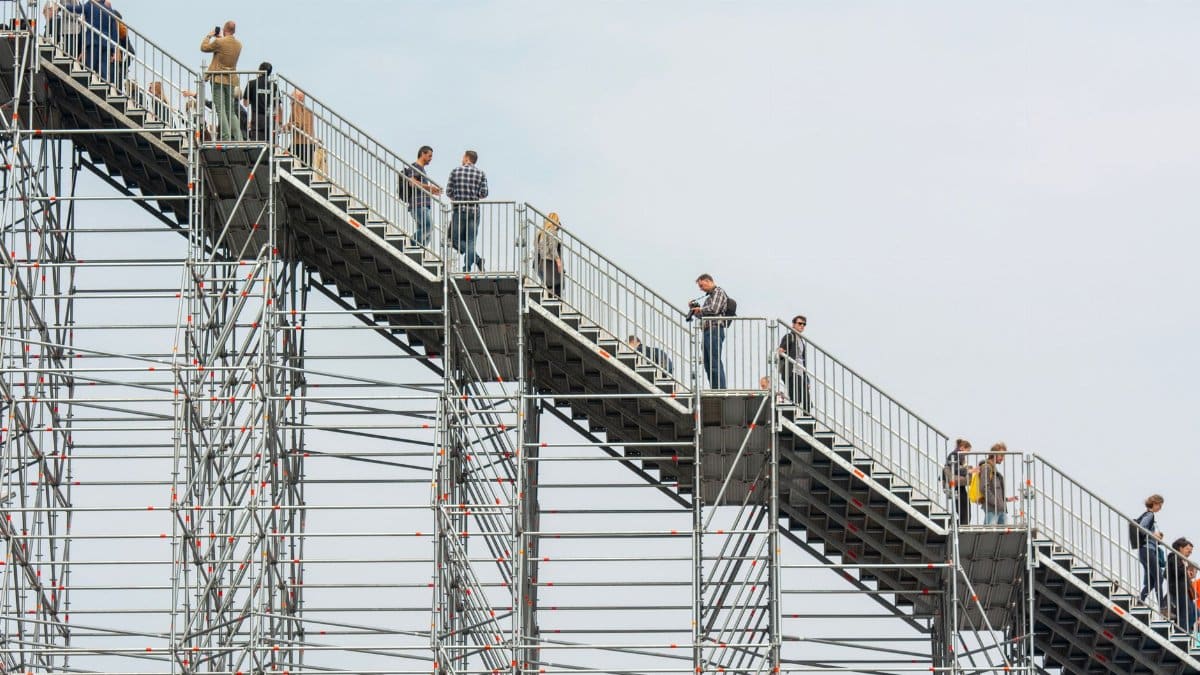
Coordinators face logistical hurdles such as securing permits and managing crowds in varying weather conditions. They rely on digital tools for promotion while ensuring accessibility for those less comfortable with technology. Success depends on partnerships among nonprofits and civic associations that pool resources effectively.
Looking Ahead to Future Civic Engagement
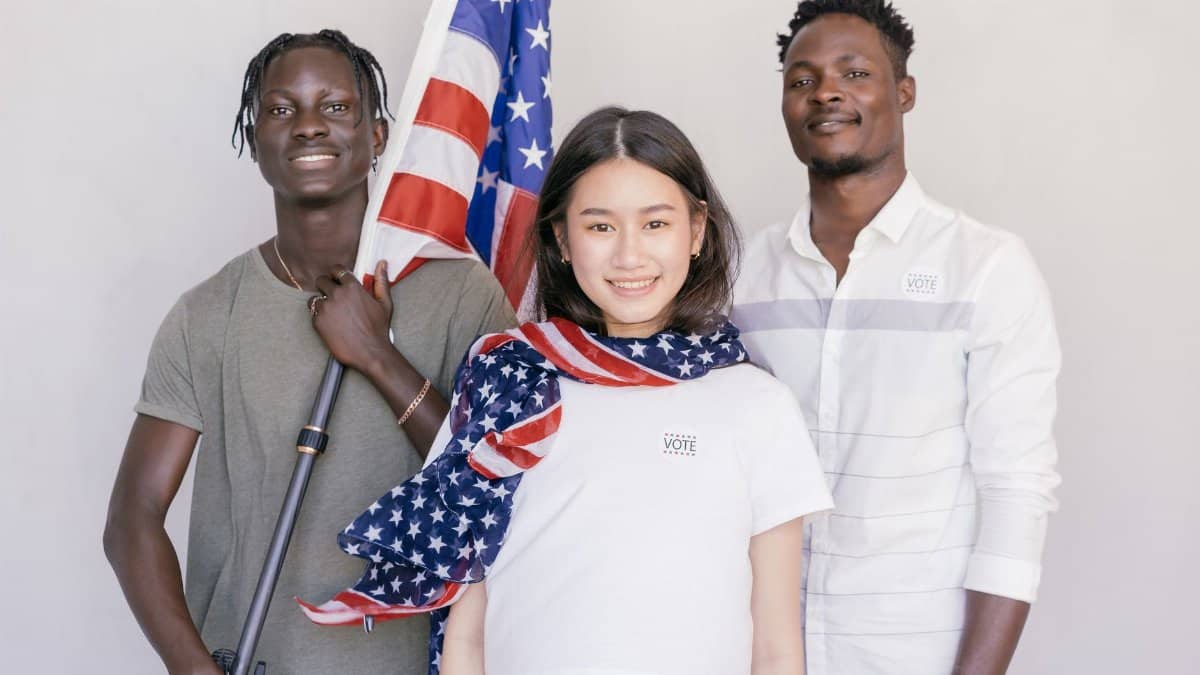
Observers note that sustained interest could lead to ongoing forums beyond the initial dates. The momentum from these rallies may encourage more citizens to contact representatives and vote in upcoming cycles. Ultimately the gatherings serve as reminders that active involvement remains essential to preserving open institutions.