
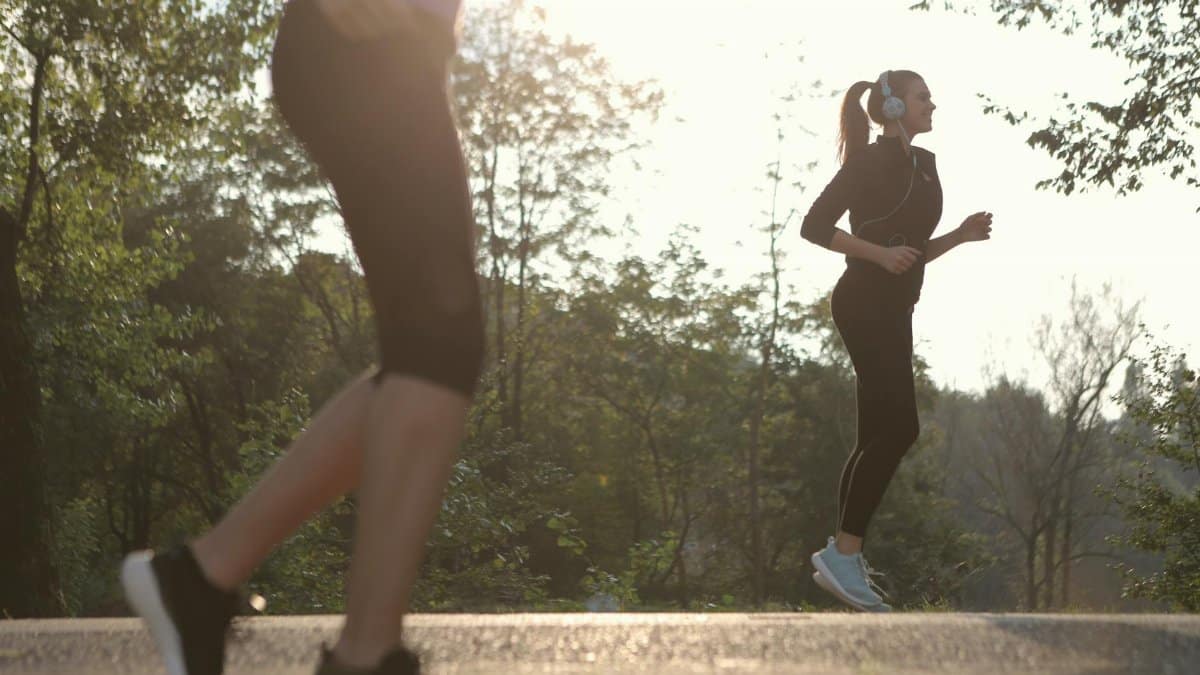
In the soft light of dawn along Minneapolis pathways a cluster of runners gathers weekly sharing stories and setting off together through familiar neighborhoods and green spaces. Their laughter and easy camaraderie stand out against the solitary image of running from years past. This collective spirit forms a vital part of running resurgence Minnesota where the activity has evolved into something richer than personal records or podium finishes. Gen Z participants and women across age groups are driving this change seeking connection mindfulness and a form of modern fellowship that nourishes both body and spirit. What once felt like an individual pursuit has become a communal practice that echoes older traditions of shared movement through nature.
Local running stores report registration for group events up sharply in the past three years. Organizers say the influx comes with a clear shift in motivation. Rather than chasing faster times these runners value conversation fresh air and the chance to feel part of something larger than themselves. The trend aligns with broader national patterns yet carries distinct Minnesota characteristics rooted in the states abundant trails and resilient outdoor culture.
Understanding the Demographics Behind the Trend

Data from regional race directors and fitness organizations show clear growth among two key groups. Gen Z runners aged eighteen to twenty seven now represent nearly thirty five percent of participants in many casual running series up from barely ten percent a decade ago. Women account for more than sixty percent of new registrants in several Twin Cities clubs. These numbers come from community surveys and event records rather than formal academic studies though the Star Tribune analysis offers valuable context on the scale of change.
This is not simply about numbers. The faces at starting lines have grown more varied in age background and experience level. Many newcomers arrive without prior athletic history drawn instead by friends or social media posts that frame running as accessible and welcoming. The sport has shed some of its earlier reputation for exclusivity.
Why Gen Z Runners Seek More Than Speed
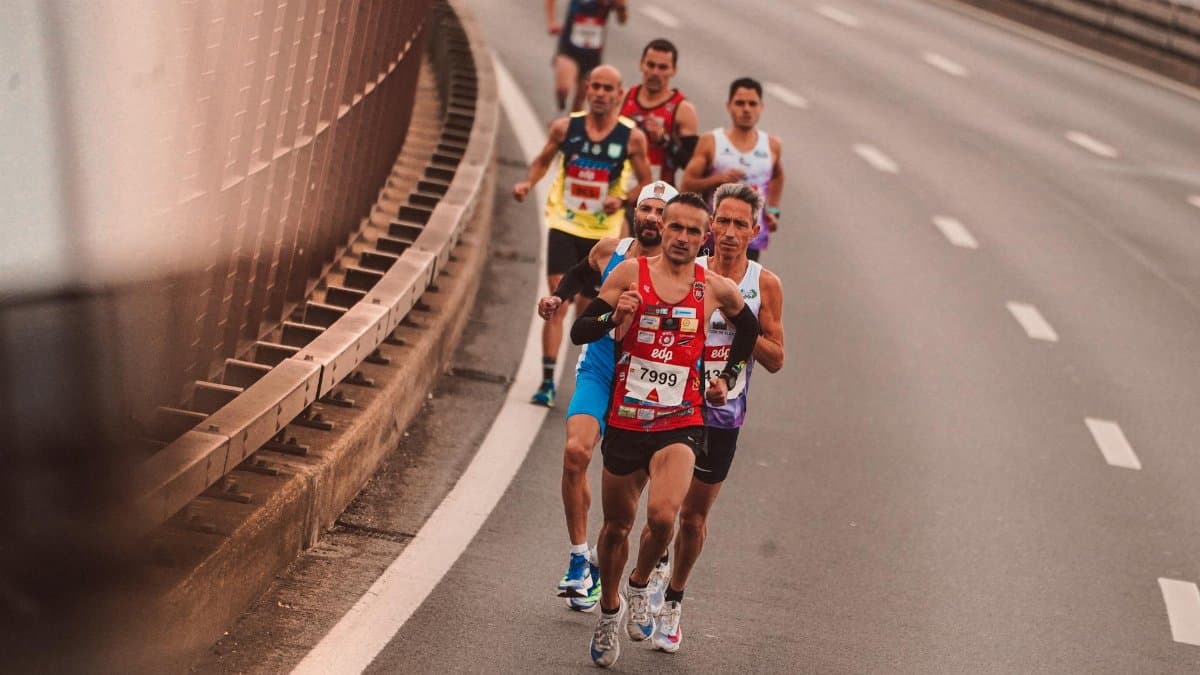
Young adults raised with constant digital connection often describe running as a rare opportunity to be present. They speak of quieting anxious thoughts and processing complex emotions through rhythmic movement. In Minnesota this generation gathers for trail runs around lakes and along river bluffs where the natural setting adds a restorative quality many compare to meditation.
Unlike previous generations who might have joined competitive track programs these runners prioritize experiences that foster belonging. Themed runs charity trots and conversation paced training groups appeal to their desire for meaning alongside movement. Several participants interviewed for community features explained that running helps them feel grounded in a world that otherwise feels chaotic and uncertain.
Women Redefining Participation and Purpose
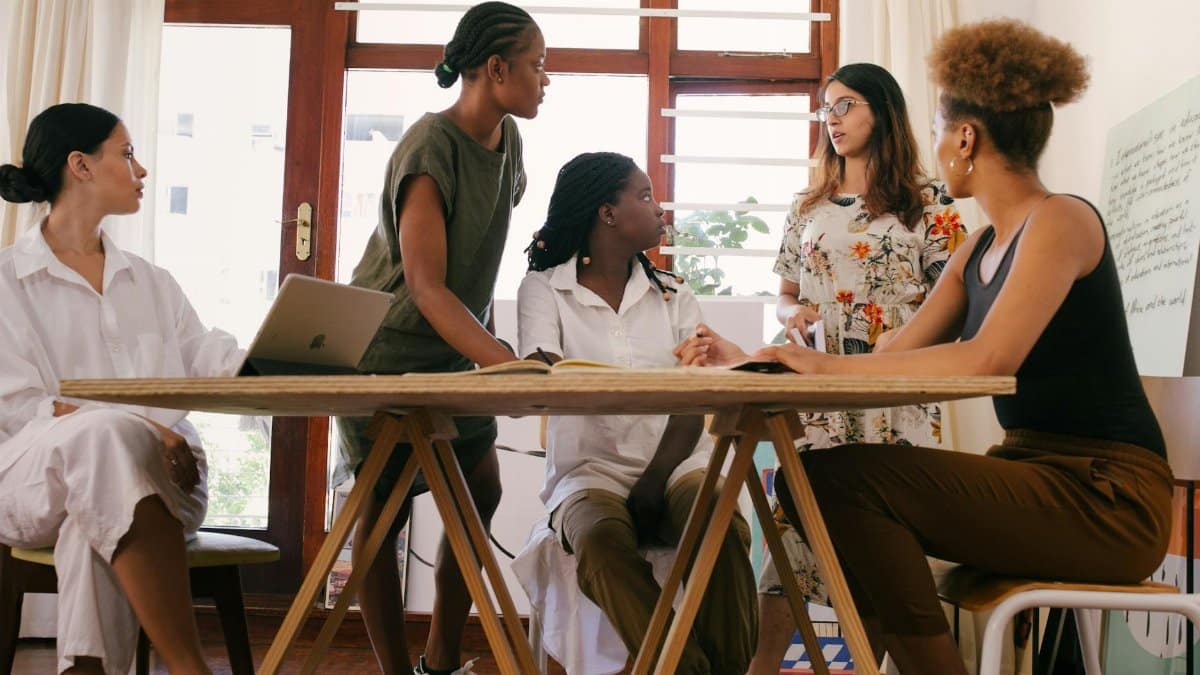
Women have long formed the backbone of many running communities yet their influence has deepened in recent years. In Minnesota female runners increasingly organize their own events create mentoring circles and reshape club cultures to be more supportive than hierarchical. Mothers in their thirties and forties run alongside younger women exchanging advice on balancing careers families and personal health.
This leadership extends beyond logistics. Many women describe running as a spiritual practice that restores their sense of self. The steady cadence of feet on pavement or dirt becomes a form of prayer or reflection. Group runs provide safe spaces for honest conversation that might not happen elsewhere in their lives. The result is a powerful network that blends physical challenge with emotional and spiritual sustenance.
From Competition Toward Community and Connection
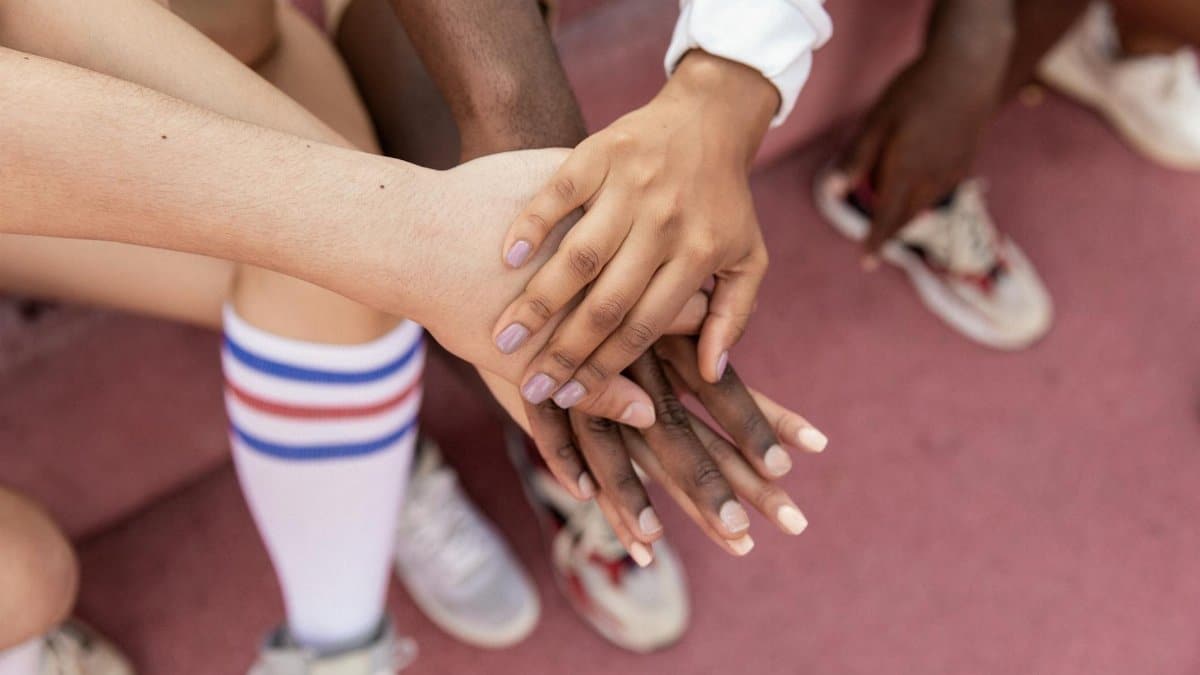
The running resurgence Minnesota highlights a larger cultural turn away from pure performance metrics. Traditional road races still draw crowds but the fastest growing segments involve social runs walking intervals and events that celebrate completion rather than winning. This shift mirrors wider societal hunger for belonging in an era when many report feeling isolated despite digital connectivity.
Minnesota running clubs have responded by emphasizing inclusivity. Some groups maintain explicit no drop policies ensuring every participant finishes together. Others incorporate moments of reflection or gratitude at the beginning or end of runs. These small adjustments transform exercise into something closer to shared ritual.
The Spiritual Benefits of Moving Meditation
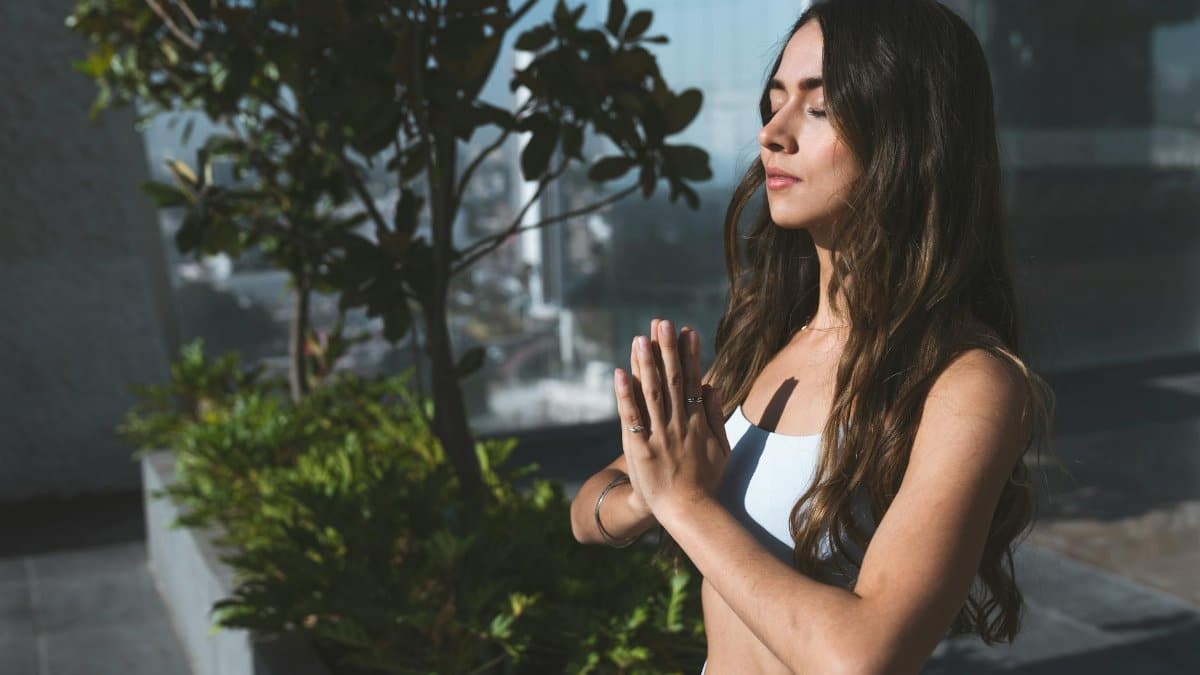
Many participants now speak openly about the spiritual dimensions of their runs. The combination of breath awareness and forward motion creates a natural mindfulness practice that requires no special training or equipment. In the quiet of early morning trails runners report feeling connected to something greater than themselves whether they define that as nature God or universal energy.
This experience echoes ancient traditions of pilgrimage and walking meditation yet feels contemporary and accessible. Minnesota runners frequently mention how the states dramatic seasonal changes from crisp fall colors to silent winter paths deepen their sense of awe and presence. Several local instructors now offer guided runs that incorporate brief pauses for breathing exercises or simple intention setting further blending fitness with contemplative practice.
Minnesotas Landscape as Sacred Ground
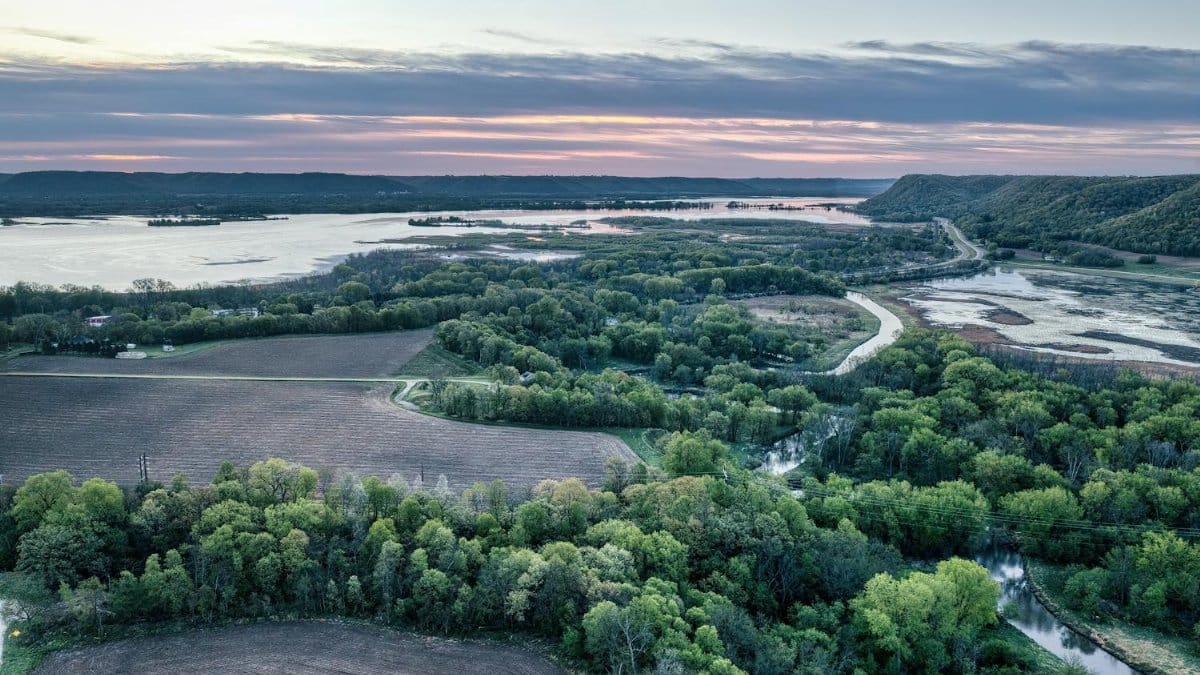
The states unique geography plays a central role in this resurgence. Extensive park systems interconnected trails and countless lakes provide an outdoor cathedral that invites regular communion with nature. Runners describe how routes along the Mississippi or through the north woods offer restoration that indoor gyms cannot match.
Even during harsh winters dedicated groups don headlamps and appropriate gear to maintain their practice. The shared willingness to embrace discomfort for the sake of community and clarity adds another layer of spiritual significance. These landscapes become more than backdrops they serve as active partners in the runners quest for meaning and resilience.
Local Clubs Building New Forms of Fellowship
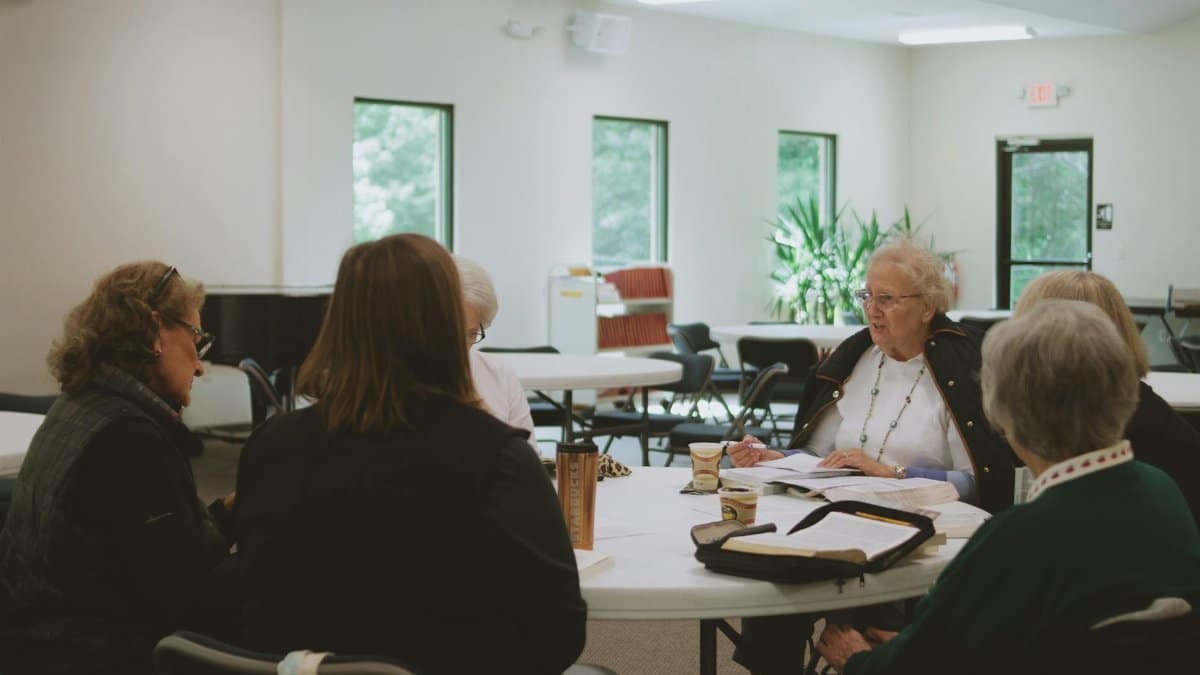
Across Minnesota independent running collectives have emerged to meet the demand for connection. These groups function almost like secular congregations complete with regular gatherings shared values and mentorship relationships. New members receive encouragement from seasoned participants creating pathways into the community that feel personal rather than transactional.
Some clubs partner with mental health professionals to discuss topics ranging from anxiety management to life transitions during cool down sessions. Others organize trail cleanup days or fundraising efforts that link physical activity to service. This expansion of purpose has proven especially attractive to Gen Z and women seeking lives of impact beyond individual achievement.
Technology Supports Without Replacing Human Connection
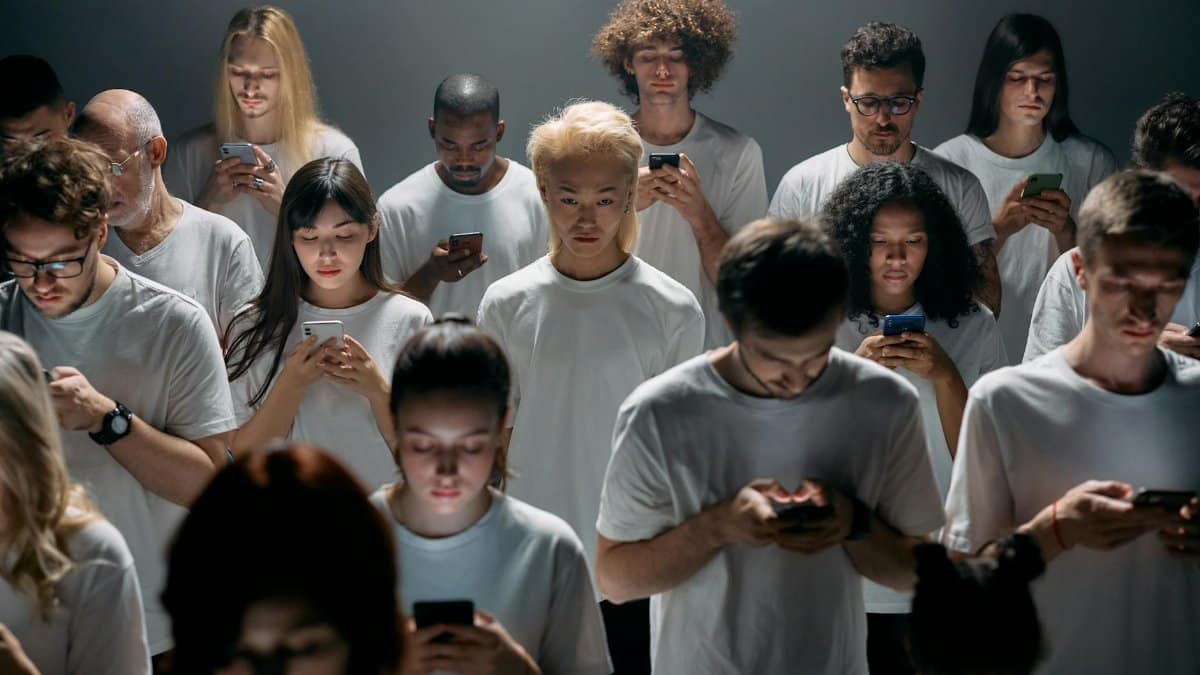
Apps tracking distance and pace certainly play a role yet the running resurgence Minnesota thrives most where technology steps back. Many runners use mapping tools to discover new routes but consciously leave headphones at home during group runs to remain fully present with their companions and surroundings.
Social media helps spread news of upcoming gatherings yet the real magic happens offline on actual trails. This balanced approach allows modern tools to serve ancient needs for movement community and contemplation without becoming distractions themselves. The most successful clubs maintain this boundary deliberately.
Addressing Barriers That Still Remain

Despite the encouraging growth challenges persist. Some potential participants cite safety concerns particularly women running alone or in less populated areas. Economic factors also limit access for those unable to afford proper shoes or event fees. Minnesota organizations have begun tackling these issues through scholarship programs women only safety clinics and equipment donation drives.
Education remains important as well. Newer runners sometimes arrive with unrealistic expectations or fear of injury. Patient coaching that honors both physical and emotional realities helps retain these newcomers and deepens their engagement with the sports spiritual aspects.
Personal Stories From the Paths
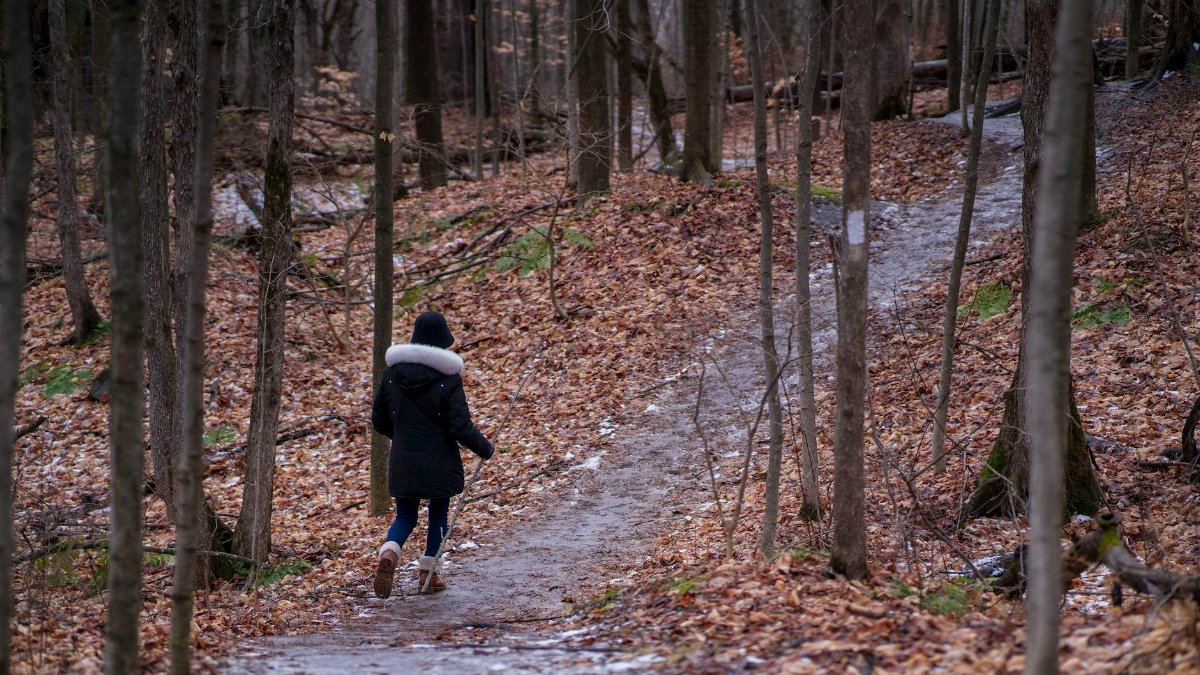
One Twin Cities teacher in her early forties described how joining a women focused running group helped her navigate divorce and rediscover joy. Another college student credited early morning runs with friends for managing depression during his first year away from home. These accounts repeated in various forms across the state illustrate the profound personal transformations occurring within this larger trend.
Such testimonies rarely focus on race times. Instead runners speak of feeling stronger more connected and surprisingly peaceful. The cumulative effect suggests running has quietly become one of Minnesotas most accessible spiritual resources.
The Path Forward for This Resurgence

Looking ahead the running resurgence Minnesota shows no signs of slowing. Event organizers plan more hybrid events that blend running with music nature education and reflection. Clubs continue experimenting with formats that welcome absolute beginners while still challenging experienced athletes. The central question remains how to preserve the authentic sense of community and spirit as participation scales upward.
What seems clear is that this movement has tapped into genuine human longings that transcend fitness fads. By embracing inclusivity mindfulness and shared experience Minnesotas runners are crafting a model that feels both deeply rooted in local character and broadly relevant to contemporary life. The trails continue calling and growing numbers of Gen Z and women are answering with both feet and open hearts.
The Star Tribune reporting at https://www.startribune.com/gen-z-and-women-are-fueling-a-running-resurgence/601234570/ first brought statewide attention to these shifts and subsequent community response has only amplified the momentum. As seasons change and new runners join the paths the quiet revolution continues one mindful step at a time.