
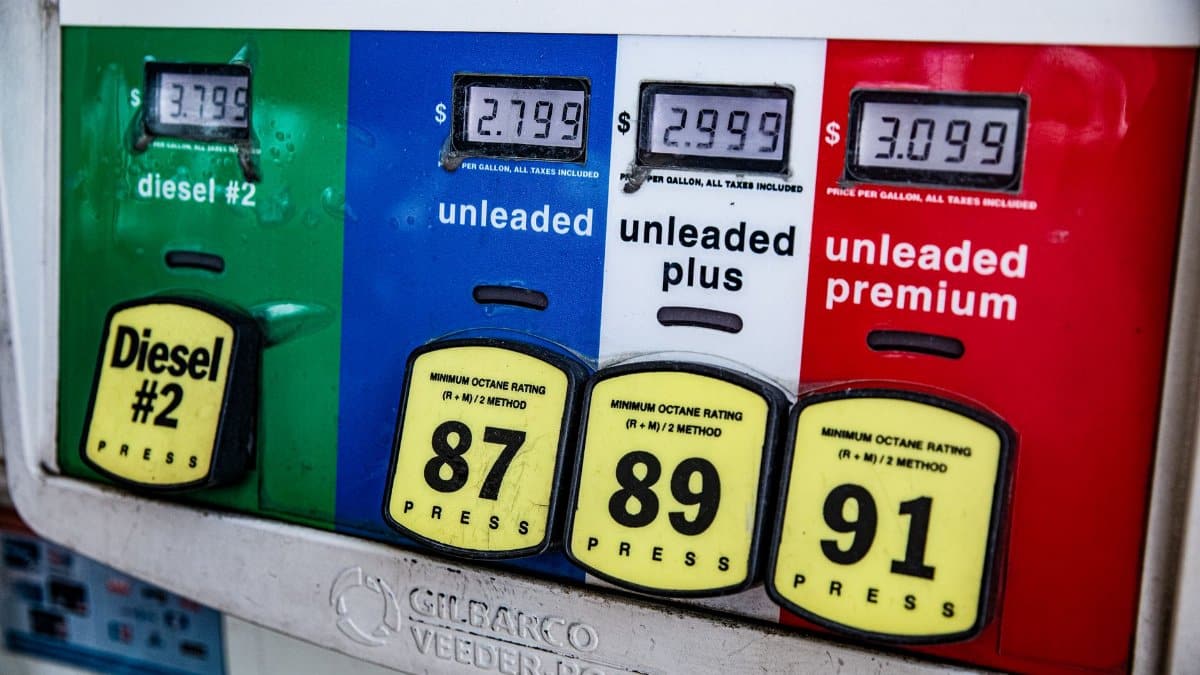
Recent developments in global affairs have brought a measure of calm to energy markets after a decision to halt certain military actions involving Iran. Observers note that this shift could prevent sharp increases at the pump. In this setting Michigan gas prices have remained steady in recent weeks rather than climbing rapidly as some had feared. The situation reflects broader patterns in supply and demand that often shape costs for drivers nationwide.
Effects Across State Fuel Markets
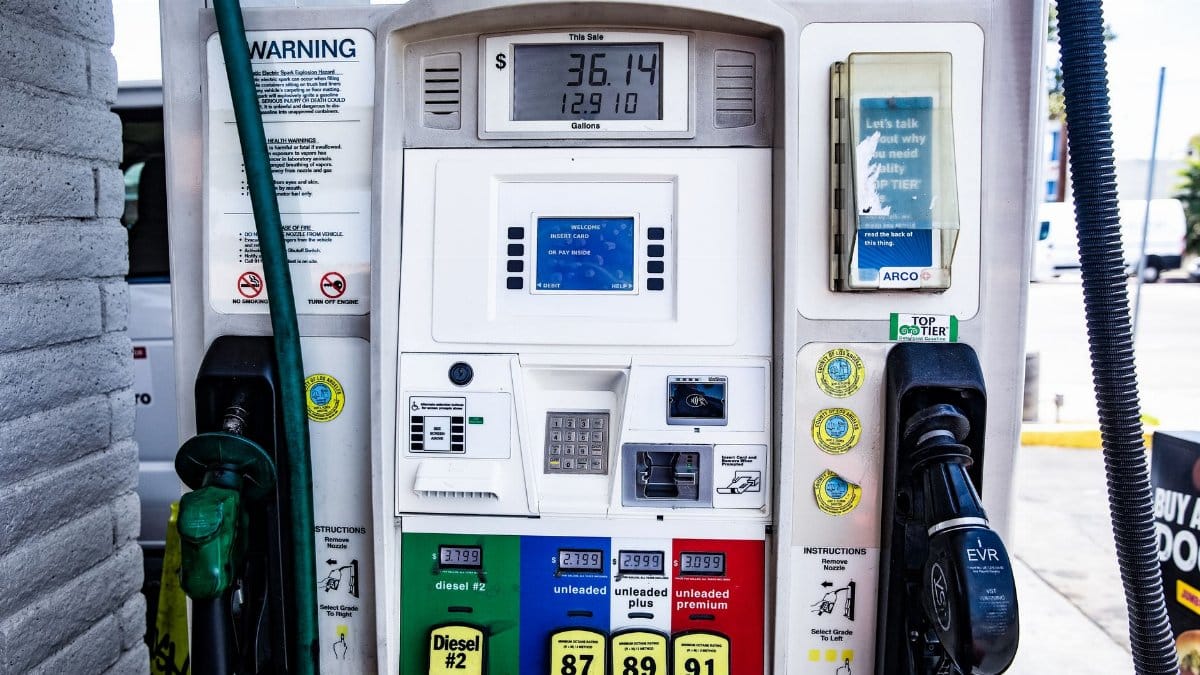
Drivers in various regions report little change at stations following the pause in strikes. Supply chains appear steady with no immediate disruptions noted from overseas sources. Analysts suggest this calm may hold for the near term as inventories remain adequate to meet everyday needs.
National Trends in Energy Costs
Across the country fuel expenses have shown modest movement rather than dramatic jumps. This pattern aligns with historical responses to eased geopolitical pressures. Consumers benefit when markets avoid sudden shocks tied to overseas conflicts.
Local Station Observations

Station owners in Michigan describe consistent deliveries and pricing that matches recent averages. Many express relief that the expected surge did not materialize. Regular customers continue to fill tanks without facing added strain on household budgets.
Role of Government Decisions

Policy choices in Washington play a direct part in shaping these outcomes. The pause on further actions has reassured traders and reduced upward pressure on crude values. Such steps often translate into steadier costs passed along to end users.
Future Possibilities for Drivers

Experts caution that conditions could shift if tensions resume. Yet current signals point to gradual adjustments at most. Families planning summer travel may find expenses more predictable under these circumstances.
Comparison With Past Events

Earlier episodes of conflict produced quicker rises in costs that lingered for months. The present response differs because of swift diplomatic movement. This distinction offers a useful reference for understanding market behavior today.
Impact on Household Planning

Many residents adjust routines around fuel expenses when changes occur. With stability now in view people can better forecast weekly spending. This reliability supports broader economic activity in communities throughout the state.
Supply Chain Stability Factors

Refineries and distributors maintain normal operations without reported delays. Backup reserves stand ready if needed though demand has not strained them. These elements combine to support the observed price steadiness.
Broader Economic Context

Energy expenses influence numerous sectors from agriculture to manufacturing. Steady fuel costs help contain inflation in related goods. Policymakers monitor these links closely when weighing international options.