

In a quiet suburban backyard one Saturday morning, sunlight filters through leaves as a father shows his child how to check the moisture in the earth around young seedlings. Their conversation turns from simple questions about bugs and blossoms to deeper reflections on care and attention. This shared activity forms the heart of Mindful Fatherhood Gardening, an approach that blends outdoor work with intentional presence.
Daily Routines That Anchor Attention
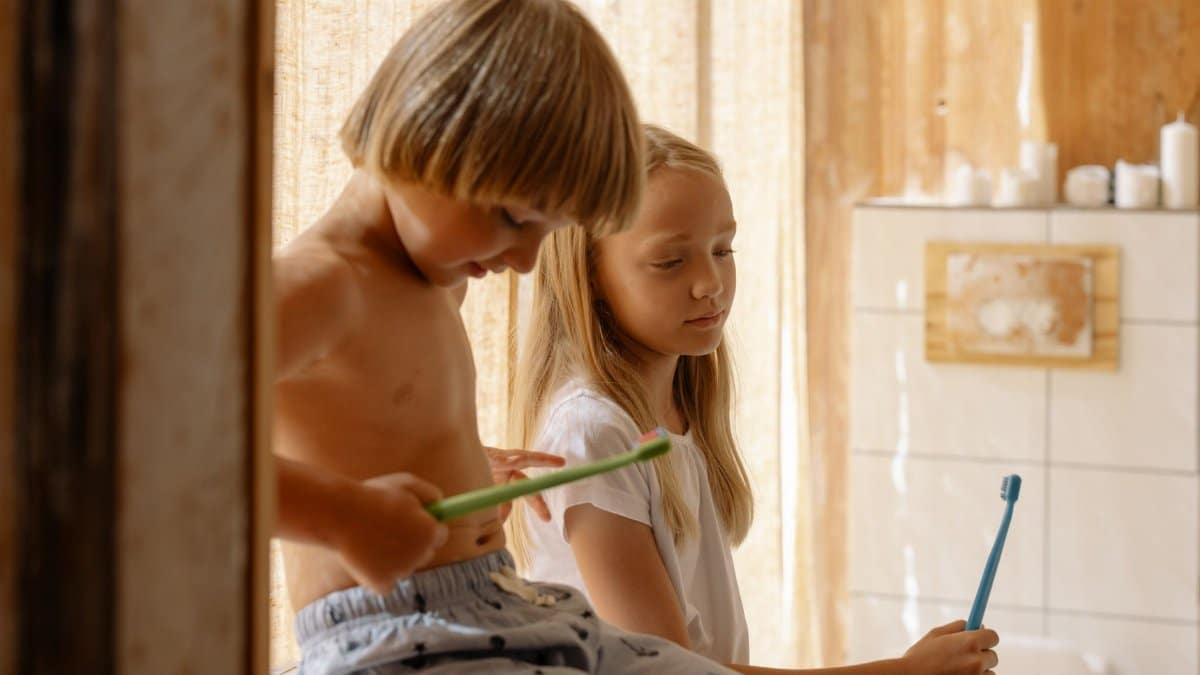
Fathers who set aside regular time in the garden often find their focus sharpens in ways that carry into other parts of family life. The steady rhythm of watering, weeding, and observing growth creates natural pauses. These pauses allow a parent to notice small changes in both plants and children without the pressure of screens or schedules.
Lessons in Patience Across Seasons

Gardening unfolds on its own timetable, teaching that results rarely appear overnight. A father watching beans climb a trellis learns to accept slow progress and to celebrate incremental signs of health. Children absorb the same outlook when they return day after day to monitor a single sprout.
Shared Responsibility and Quiet Dialogue

Tasks such as turning compost or harvesting herbs invite conversation without forcing it. Fathers report that discussions about school or feelings surface more readily when hands are occupied with soil rather than seated across a table. The garden becomes a neutral space where listening takes precedence over directing.
Physical Activity That Supports Mental Clarity

The moderate exertion of digging and lifting keeps the body engaged while freeing the mind. Research from the University of Exeter has linked time in green spaces with reduced stress markers, an effect that benefits both parent and child. Families who garden together often describe evenings that feel calmer after an afternoon outdoors.
Observation Skills That Transfer to Parenting

Noticing when leaves curl or when fruit begins to ripen trains the eye for subtle cues. The same attention helps a father recognize when a child needs encouragement or space. Mindful Fatherhood Gardening therefore strengthens observational habits that extend beyond the garden gate.
Intergenerational Knowledge Passing

Many men recall learning basic planting methods from their own fathers or grandfathers. Replicating those steps with a new generation closes a circle of experience. Stories surface naturally while sorting seeds or pruning branches, creating continuity that feels tangible rather than abstract.
Adaptation to Weather and Unexpected Setbacks

A sudden storm or an outbreak of aphids forces quick adjustments. Fathers model flexibility when plans change, showing children that setbacks belong to the process. These moments build resilience without lectures or formal lessons.
Connection to Larger Cycles of Growth
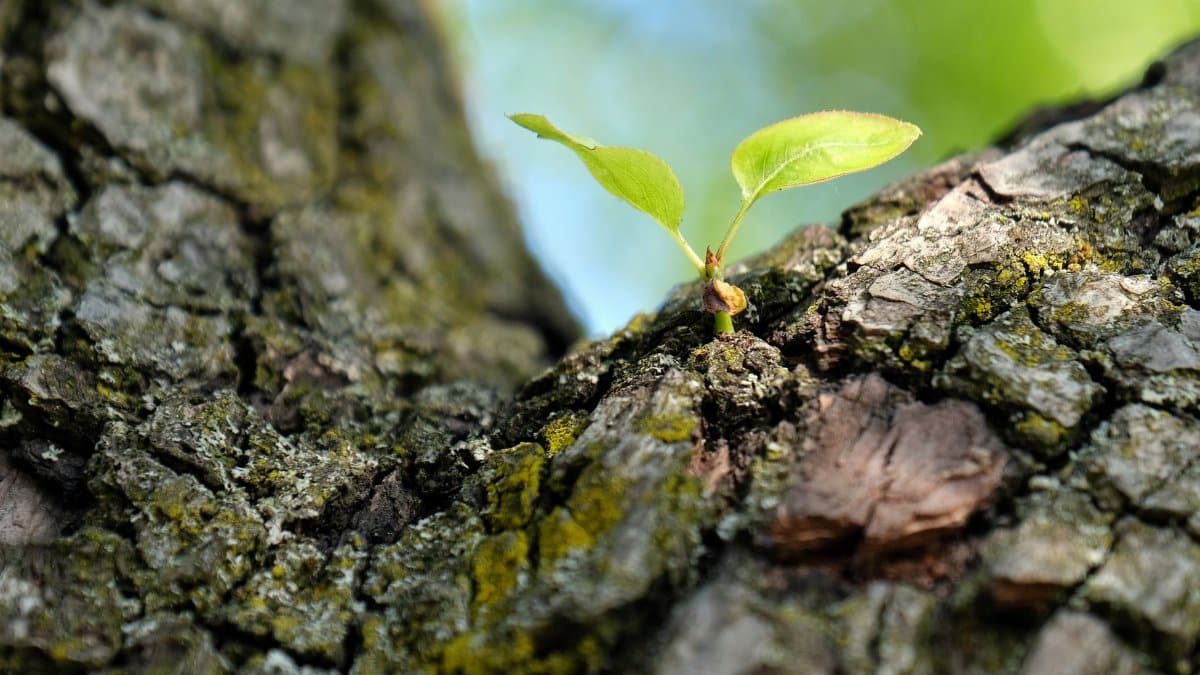
Watching annual plants complete their life span and perennial beds return each spring offers quiet perspective on time. Children begin to grasp that effort invested now may yield results months later. Fathers who practice Mindful Fatherhood Gardening often speak of a renewed sense of perspective on their own roles.
Simple Tools That Encourage Participation

Child sized gloves, lightweight trowels, and labeled markers lower barriers to entry. When equipment matches the user, involvement feels inviting rather than obligatory. Fathers note that ownership of a small plot or row increases a child’s willingness to return regularly.
Long Term Effects on Family Bonds
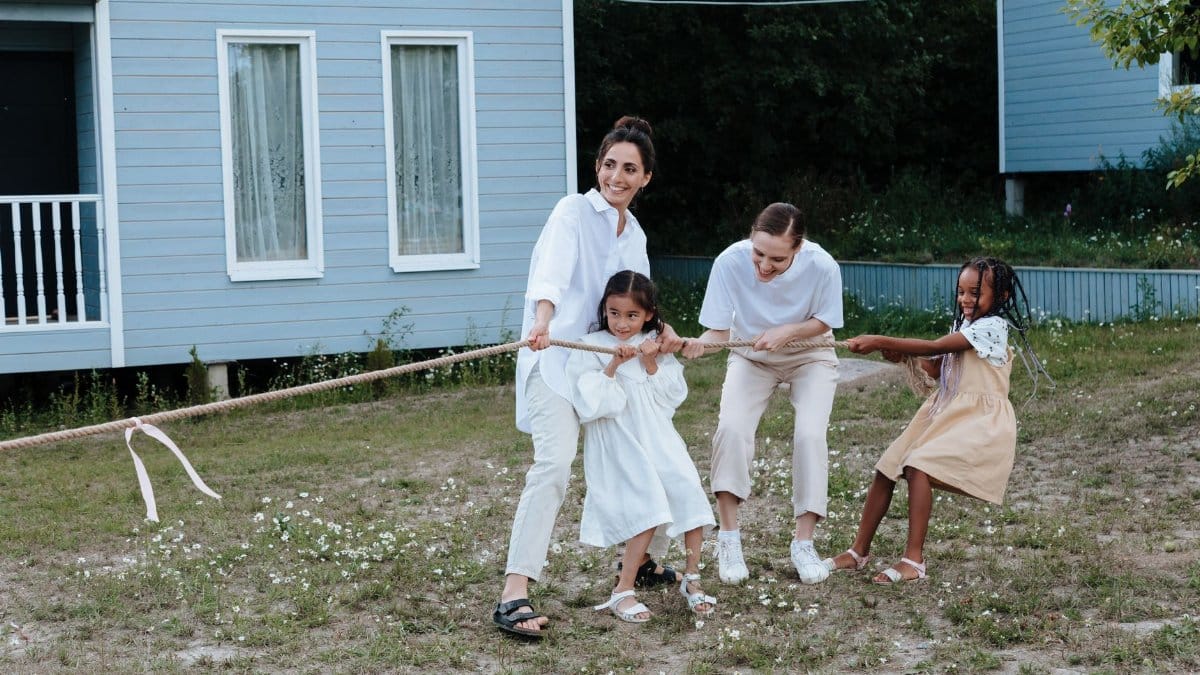
Years later, adult children frequently cite garden memories as touchstones of closeness with their fathers. The activity provides a living archive of shared effort and discovery. Such recollections endure because they rest on repeated, ordinary afternoons rather than single dramatic events.
Practical Steps for Beginning the Practice

Start with a modest bed of easy crops such as lettuce or radishes. Keep sessions short at first so the experience remains positive. Document progress with dated photographs to mark growth that might otherwise go unnoticed. Over time the garden expands naturally alongside the relationship it supports.