

On a gray morning near Andrew Square, the sidewalk along Dorchester Avenue still smells faintly of diesel and wet cardboard. Trucks idle beside low brick warehouses. A bus sighs at the curb. For years this edge of South Boston has been a place people pass through on the way to somewhere else. That ordinary stretch is now the subject of a South Boston housing proposal that would replace much of the industrial quiet with nearly two thousand homes.
Warehouses that still earn their keep
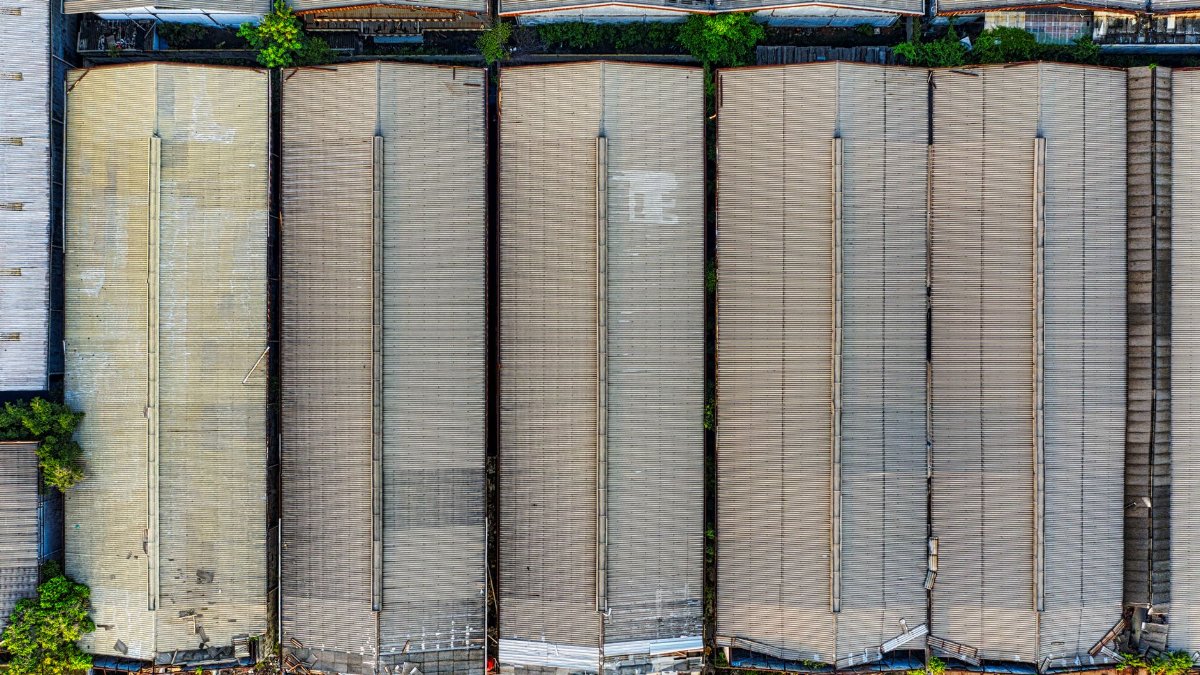
The land covers about six acres close to Andrew Square, a pocket where storage, small industry, and parking have long shared the blocks with triple deckers a short walk away. Warehouses are easy to dismiss as blank walls. They are also workplaces. Drivers, mechanics, and office staff know the loading docks by heart. Any plan that clears those buildings has to answer a question neighbors already ask at bus stops: what happens to the people who work here now, not only to the people who might move in later.
Nearly two thousand homes on one site
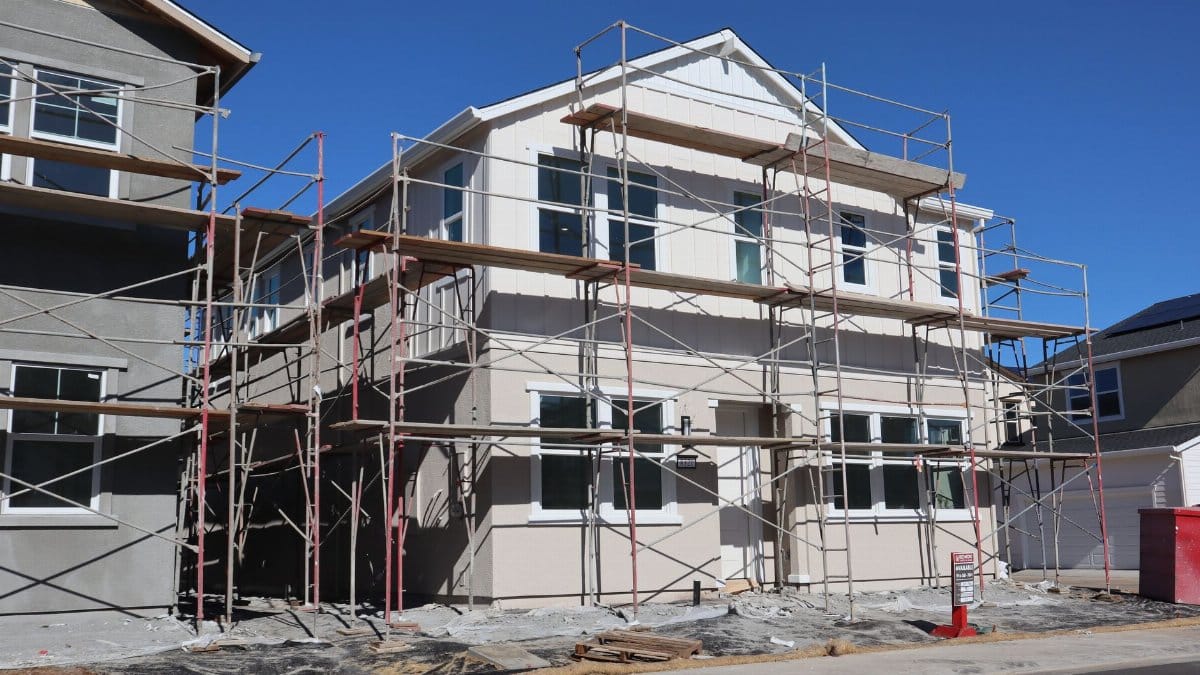
HYM Investment Group has put forward a plan for 1,945 homes in four towers. At full height the buildings would rise as much as 200 feet. That is not a modest infill project tucked behind a storefront. It is a small neighborhood inserted into an industrial edge. Spread across six acres, the count works out to a dense city pattern, closer to parts of the Seaport than to the wooden houses a few blocks inland. Density can be a virtue near trains and buses. It can also feel abrupt on a street that has never carried that many front doors.
How tall is too tall near Andrew Square

Two hundred feet is roughly a tower of eighteen to twenty stories, depending on floor height and equipment on the roof. Around Andrew Square the prevailing scale is lower. Brick blocks, older sheds, and houses of two and three stories set the eye line. A tower does not have to mimic those roofs to be a good neighbor, but it changes light, wind, and the feeling of a sidewalk at dusk. The debate will turn on shadows across Dorchester Avenue, on whether the bases meet the street with shops and doors rather than blank lobbies, and on whether the skyline steps down toward the blocks behind.
Who the homes are for

A count of 1,945 invites a question that matters more than architecture. Who can afford to live there? Boston has spent years talking about workforce housing and homes reserved for households with lower incomes. None of those phrases means much until rents, sale prices, and the share of protected units are on paper. A South Boston housing proposal of this scale will be judged less by renderings than by the mix of studios, one bedroom homes, and larger apartments where a child can have a room. If most units are small and priced for high earners, the project adds population without the stability longtime residents say is slipping away.
Getting to work without a second car

Andrew Square already carries a heavy load. The Red Line, buses on Dorchester Avenue, and streets that feed the Southeast Expressway meet in a tight geography. Nearly two thousand households will not all own cars, especially if the buildings limit parking and price it honestly. Many will. School runs, late shifts, and grocery trips do not always match a train schedule. Neighbors will ask where those cars go, whether new residents will circle for free spots on nearby streets, and whether safer crossings arrive before the first lease is signed. A housing plan that ignores the curb is a traffic plan whether or not anyone admits it.
The price of remaining in South Boston
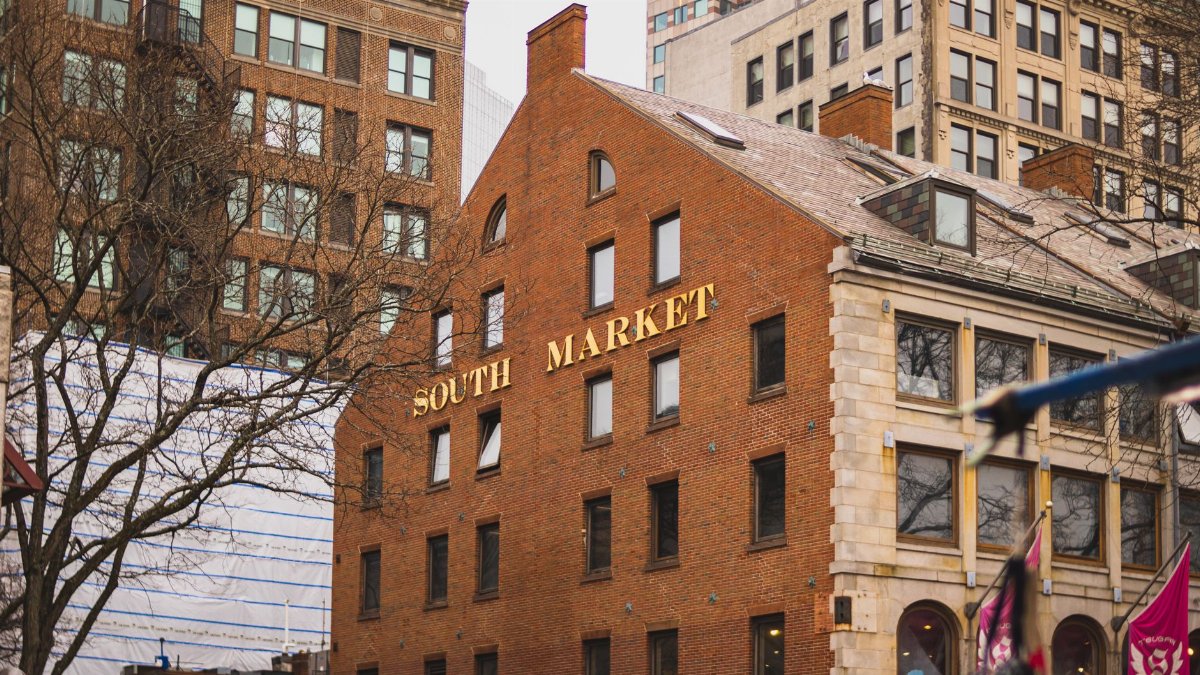
South Boston has changed in plain sight. Old bars share blocks with new cafes. Rents that once seemed merely high now shut out nurses, cooks, and city workers who grew up nearby. A large project can push prices up by making the area feel more finished, or it can ease pressure by adding supply. Both stories get told at community meetings, often by people who are each partly right. What residents tend to trust is a commitment written into approvals: a meaningful share of homes priced below the open market, help for people already here who are at risk of displacement, and a timeline that does not let those promises slide to a later phase that never comes.
Questions already forming on the block

Public review in Boston is slow for a reason. Abutters want to know about construction noise, truck routes, and how long a sidewalk will be closed. Parents want to know whether a new population will strain schools that already feel full. Small business owners want to know if they can survive a multi year build, and whether a rebuilt ground level will include room for a shop that is not a national chain. These are not obstacles invented to stop growth. They are the ordinary costs of putting a vertical neighborhood on land that has been horizontal for decades.
What city reviewers will measure

City reviewers will look at height, density, open space, transportation, and affordability. Six acres gives room for a courtyard, a wider sidewalk, or a path through the site so people are not forced to walk only the avenue. It also gives room to hide too much of daily life inside private lobbies. Officials will ask how the four towers sit relative to one another, whether wind at the corners will make winter walks unpleasant, and how stormwater leaves the site. They will also ask who maintains any new open space after the crews leave, and whether that duty is funded. None of that is glamorous. All of it decides whether the place works on an ordinary Tuesday.
Work during construction and work after
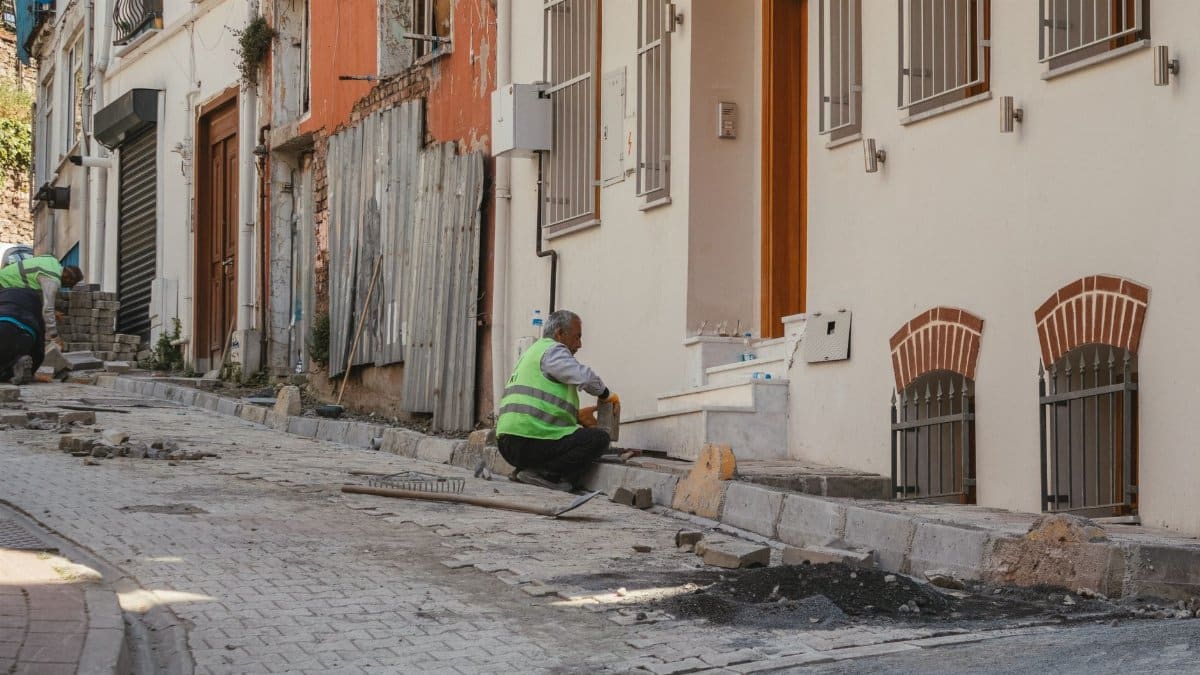
A project of this size is also a jobs story. Trades will spend years on foundations, steel, glass, and interiors. Those paychecks matter in a city where building remains a path to a solid wage without a four year degree. After the ribbon cutting, the employment picture changes. Residential towers employ concierges, cleaners, and maintenance crews, usually fewer people than a busy warehouse district and often at lower pay. If the plan includes shops, a clinic, or light commercial use at the street, some daytime activity can return. If the bases are only lobbies and mail rooms, the avenue may be quieter at noon than it is today.
Weather, water, and a low coast

South Boston sits close to the harbor. Andrew Square is not on the waterfront, yet storms, high tides, and heavier rains already test drains across the neighborhood. Tall buildings on a former industrial lot should be designed for water from the sky and, in bad years, from backed up streets. That means raising critical equipment, roofs that do not dump every inch of rain into a single catch basin, and power systems that do not fail when the block needs them most. Residents who already keep sandbags in a hall closet will notice if that work is treated as an afterthought.
What a home is for

I walked that stretch of Dorchester Avenue not long ago and tried to picture four towers where the trucks now wait. Housing is easy to discuss as a spreadsheet. It is harder to remember that a home is where a person sleeps after a night shift, where a kid does homework at the kitchen table, where an elder stays because the church, the clinic, and the cousins are still close. Call it civic, or call it spiritual in the plain sense: a city is judged by whether it makes room for lives that are not already secure. A South Boston housing proposal succeeds only if the people inside it can imagine staying, not merely arriving.
A proposal is not a building

Nothing in a filing is a home yet. Financing, interest rates, labor, materials, and politics can shrink a plan or stall it. Neighbors have seen glossy boards for other sites that never left the page. They have also seen projects get approved and then return with changes that cut the affordable share or add height. The honest posture is patient skepticism. Count the homes only when the permits are real. Count the public benefits only when they are tied to dates and enforcement, not to a press release. Until those papers exist, the avenue remains a line of docks, and the towers remain an argument.
What residents should watch for next

The next months will bring meetings, comment periods, and revised drawings. People who care about this corner should look for a few plain items. How many of the 1,945 homes will be priced below market, and for how long. How the towers meet Dorchester Avenue. Where construction trucks will run. Whether open space is public or merely visible through a gate. Whether the South Boston housing proposal includes a real plan for the workers leaving the warehouses, not a footnote. Those details will tell more than any slogan about growth. Spoken worry fades faster than a filed comment, so the questions belong on paper as well as at the microphone.
The choice in front of the neighborhood
Boston cannot pretend it has enough homes. It also cannot pretend that every large plan is a gift. Close to 2,000 homes on six acres near Andrew Square would mark one of the sharper turns this part of South Boston has seen in a generation. The warehouses will not remain forever if the land is worth more as housing. The question is the terms. If the South Boston housing proposal is shaped by the people who already ride that bus, walk those docks, and keep those triple deckers standing, the towers might become part of the neighborhood rather than a replacement for it. If not, the avenue will gain height and lose a kind of memory that does not show up in a rendering.