

In the Pacific Northwest a longstanding pattern of questioning military engagements has shaped local politics for generations. Seattle lawmakers have repeatedly pushed back against expansive foreign interventions from the Vietnam era onward. This background sets the stage for Representative Pramila Jayapal Iran resolution which calls for limits on any further American military moves involving Iran. The measure arrives amid rising tensions and reflects a broader debate over congressional authority in matters of war and peace.
Local Roots of Foreign Policy Skepticism

Seattle has produced figures who questioned official narratives on conflicts abroad. Early opposition to involvement in Southeast Asia drew crowds to rallies and influenced electoral outcomes. Over time this stance evolved into consistent support for measures that restrain executive power in overseas actions. The current effort by Jayapal builds on those foundations without relying on partisan rhetoric alone.
Details Behind the Pramila Jayapal Iran Resolution

The Pramila Jayapal Iran resolution outlines requirements for congressional approval before any sustained operations. It emphasizes reporting obligations and seeks to prevent open ended commitments. Supporters argue the text aligns with constitutional roles assigned to the legislative branch. Critics counter that it could constrain responses to sudden threats from Iranian backed groups.
Connections to National Debates on War Powers
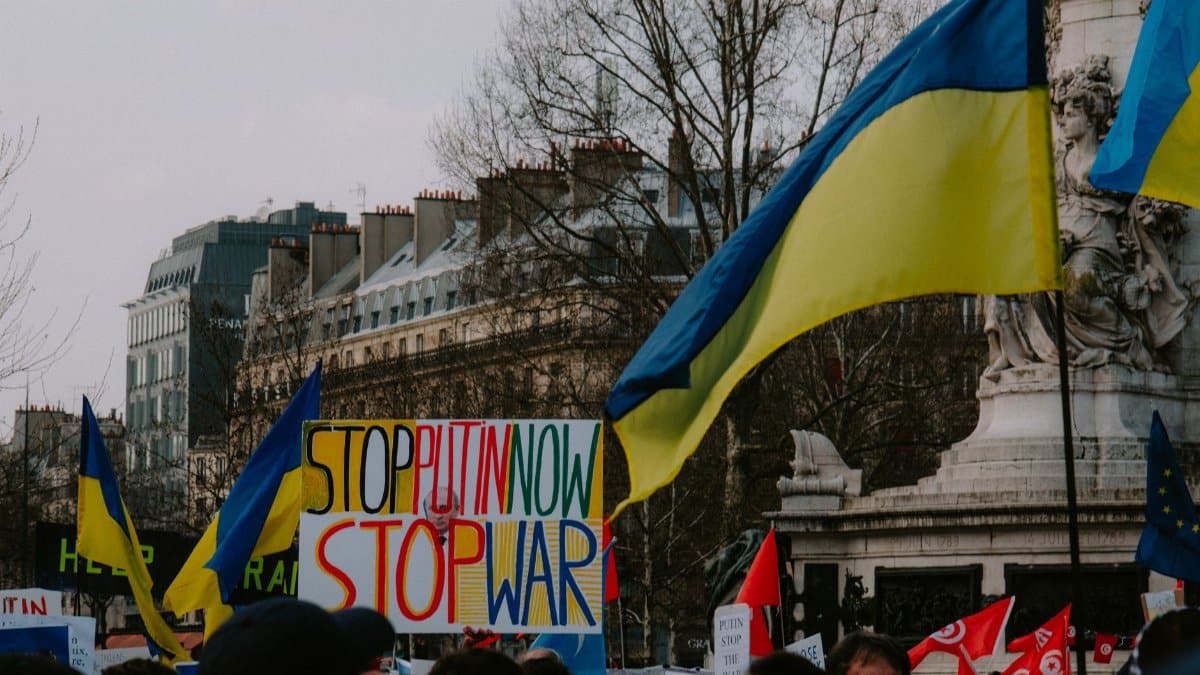
Across the country similar resolutions have tested the balance between branches of government. Lawmakers from both parties have cited past authorizations that led to prolonged engagements. The Pramila Jayapal Iran resolution enters this conversation at a moment when public attention focuses on costs and outcomes in the Middle East. Its language avoids sweeping declarations and instead targets specific procedural steps.
Reactions from Colleagues in the House

Fellow Democrats offered measured endorsements while some Republicans voiced concerns over timing. Committee hearings allowed for testimony on regional dynamics and intelligence assessments. Jayapal participated in exchanges that highlighted differences in threat perception. Observers noted the absence of personal attacks during these sessions.
Impact on Constituents in Washington State

Voters in the Seattle area have shown consistent interest in foreign policy accountability. Town halls featured questions about economic ripple effects from potential conflict. Community organizations circulated information on the Pramila Jayapal Iran resolution to encourage informed discussion. Turnout at related events suggested steady engagement rather than fleeting interest.
Historical Precedents in Pacific Northwest Advocacy

Earlier representatives from the region introduced amendments aimed at restricting funding for certain operations. Those efforts sometimes succeeded in floor votes and sometimes served mainly to record positions. The pattern illustrates how individual members can influence the broader agenda even without immediate passage. Jayapal draws from this record in framing her own proposal.
Challenges in Building Bipartisan Support
Securing cosponsors across party lines requires careful attention to wording and timing. Concerns about signaling weakness to adversaries often surface in private conversations. The Pramila Jayapal Iran resolution attempts to address those worries through explicit references to defensive needs. Still, negotiators face hurdles in reconciling differing views on deterrence strategies.
Future Outlook for Similar Legislative Efforts
Analysts expect continued proposals that revisit war powers questions as global conditions shift. Success may depend on sustained public interest and clear communication of objectives. The Seattle tradition of measured dissent provides one model for maintaining pressure without descending into obstruction. Observers will watch how the current measure fares in committee and on the floor.