

In a bustling salon on Chicagos south side a sixteen year old student carefully styles a clients hair learning techniques that reach far beyond the chair. Such scenes play out across the city as teenagers take on roles in restaurants and shops through structured programs. These placements connect classroom lessons to daily operations in neighborhood spots. The effort known for its reach has put hundreds of youths into positions that build both skills and awareness of local job markets. The focus on CPS internships shows how schools link education with community demands.
Local Businesses Welcome Student Workers

Restaurants and salons report steady support from these young employees who bring fresh energy to daily tasks. Owners note that students often handle customer interactions with maturity that surprises many. This arrangement helps small firms manage busy periods while giving teens exposure to varied work environments. Over time such connections may lead to ongoing employment offers after the program ends.
Program Reaches Fourteen Hundred Participants
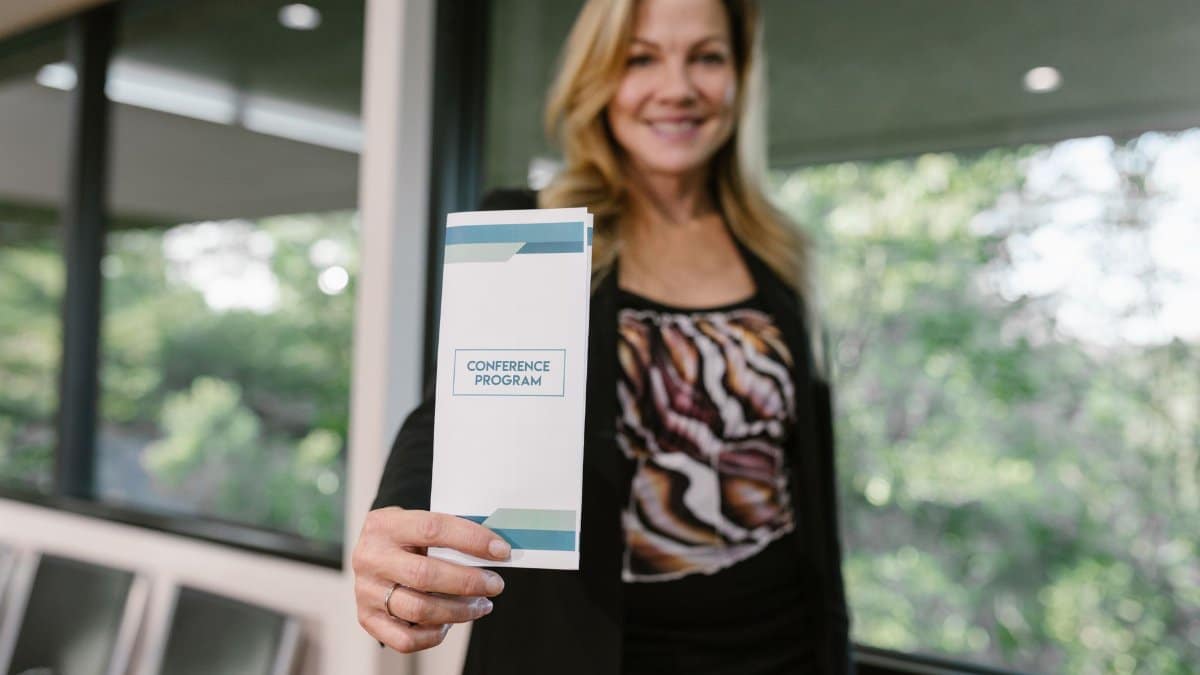
City data shows the initiative placed roughly fourteen hundred teens in summer roles this year alone. The numbers reflect a broad push to involve more youths from different backgrounds. Coordinators work with businesses to match interests with available spots ensuring a good fit for each person. Growth in participation points to rising interest among families seeking meaningful summer activities.
Youth Gain Independence and Confidence
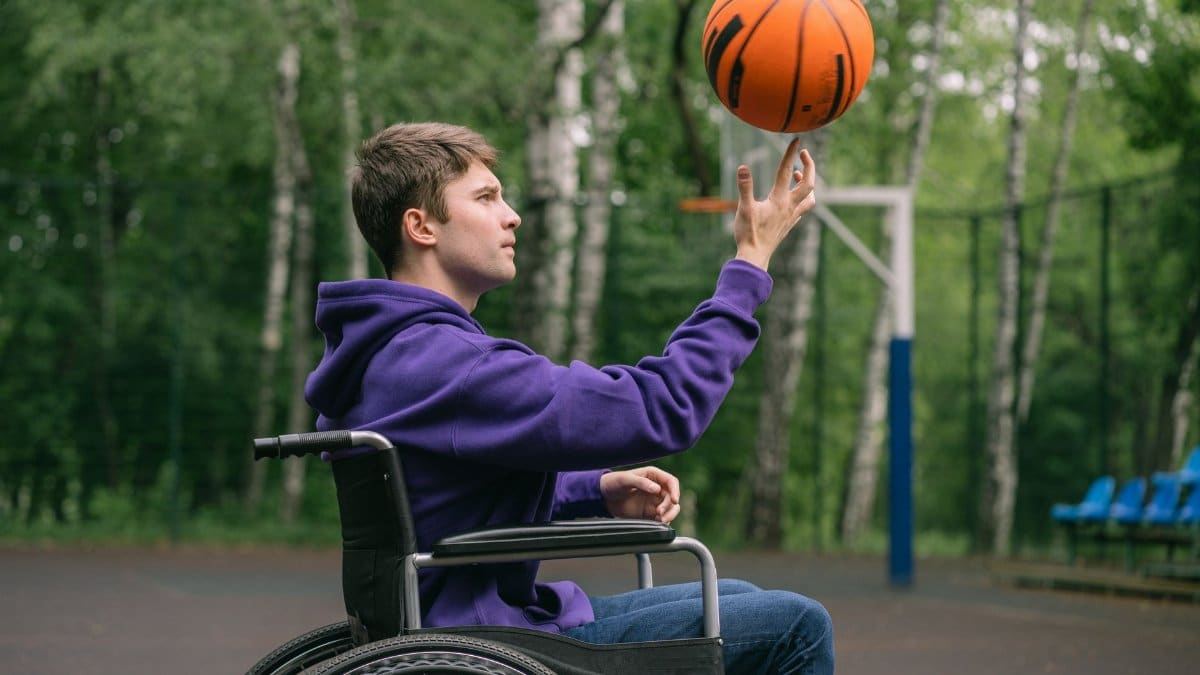
Participants describe feeling more self assured after managing shifts and meeting deadlines on their own. One student shared how handling orders in a taqueria taught quick thinking under pressure. These moments accumulate into a stronger sense of capability that carries into the new school year. Families often observe changes in attitude at home as well.
Community Impact Extends Beyond Summer

Neighborhoods benefit when students contribute to local commerce and learn about the areas economic fabric. Businesses gain reliable help during peak times while students develop ties that may influence future decisions to stay in the city. The ripple effects include improved perceptions of young people as capable contributors rather than burdens.
Educators Support Transition to Careers

Teachers and counselors play key roles by preparing students for interviews and following up during placements. Workshops cover topics like workplace etiquette and financial basics to round out the experience. This guidance helps bridge gaps between academic settings and professional demands in a practical manner.
Challenges Include Transportation and Scheduling
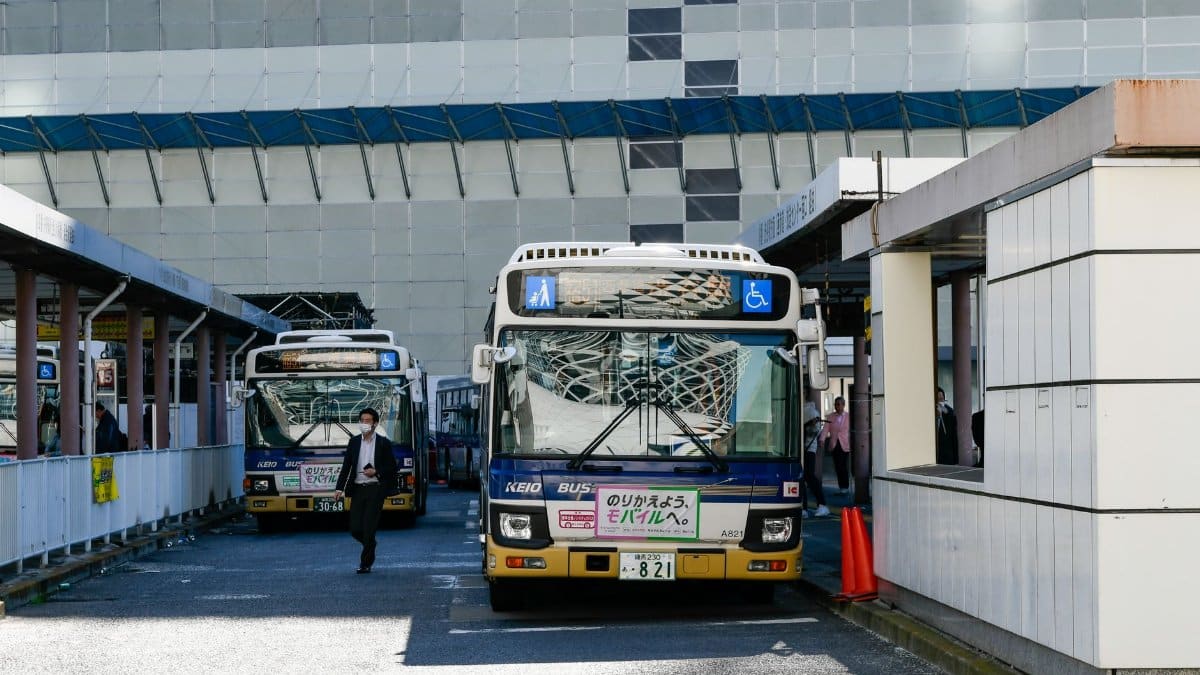
Some students face hurdles getting to sites on time especially in areas with limited transit options. Coordinators address these issues by pairing placements closer to homes when possible or adjusting hours around family needs. Despite obstacles most participants complete their terms successfully.
Success Stories Emerge from Various Fields

Tales of growth come from salons where students master styling methods and from eateries where they learn food safety standards. These examples illustrate how diverse settings offer unique lessons tailored to individual strengths. Graduates of the program often pursue related fields in later studies.
Future Expansion Planned for More Students
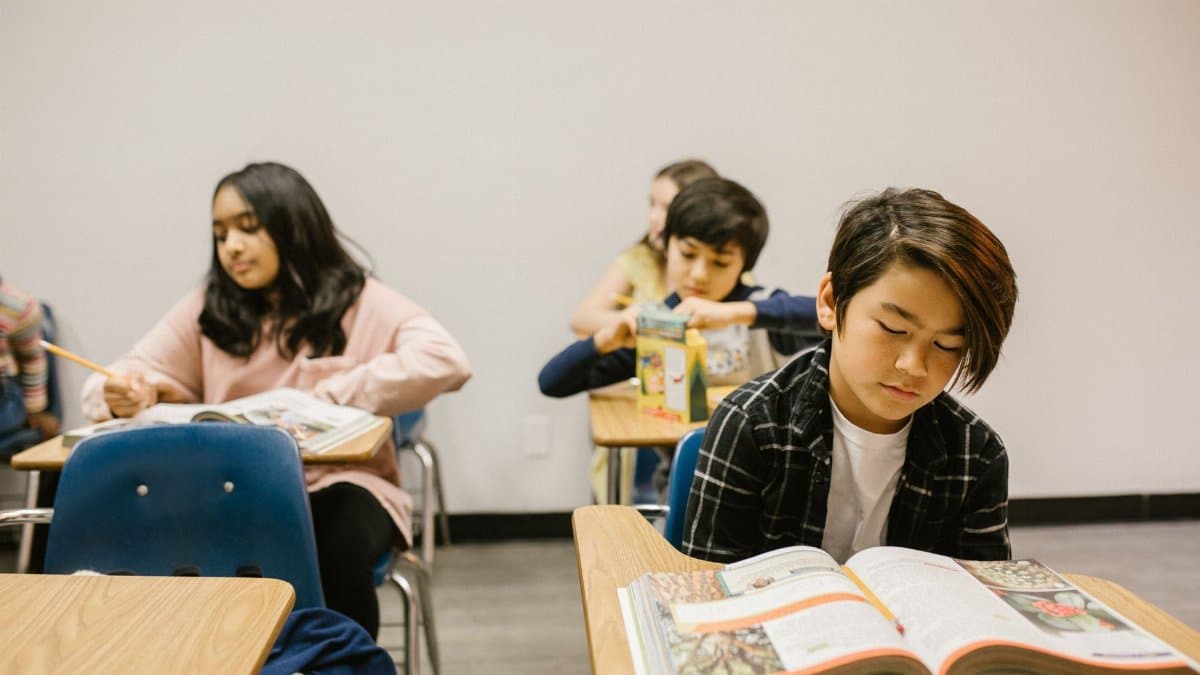
Officials aim to increase spots next year by recruiting additional partners across the metropolitan area. Feedback from current participants shapes adjustments to make the process smoother for everyone involved. Such planning ensures the initiative keeps pace with demand from families.
Partnerships Strengthen Local Economy Ties
Collaborations between schools and businesses create networks that may endure past the summer months. These alliances encourage ongoing dialogue about workforce needs and educational priorities. The result is a more integrated approach to preparing young people for adult roles.
Reflections on Personal Growth Abound

Many teens return to classes with new perspectives on their own potential and the value of steady effort. Stories shared in group sessions highlight shifts in goals and increased motivation for academic success. This outcome underscores the broader value of experiential learning opportunities.