
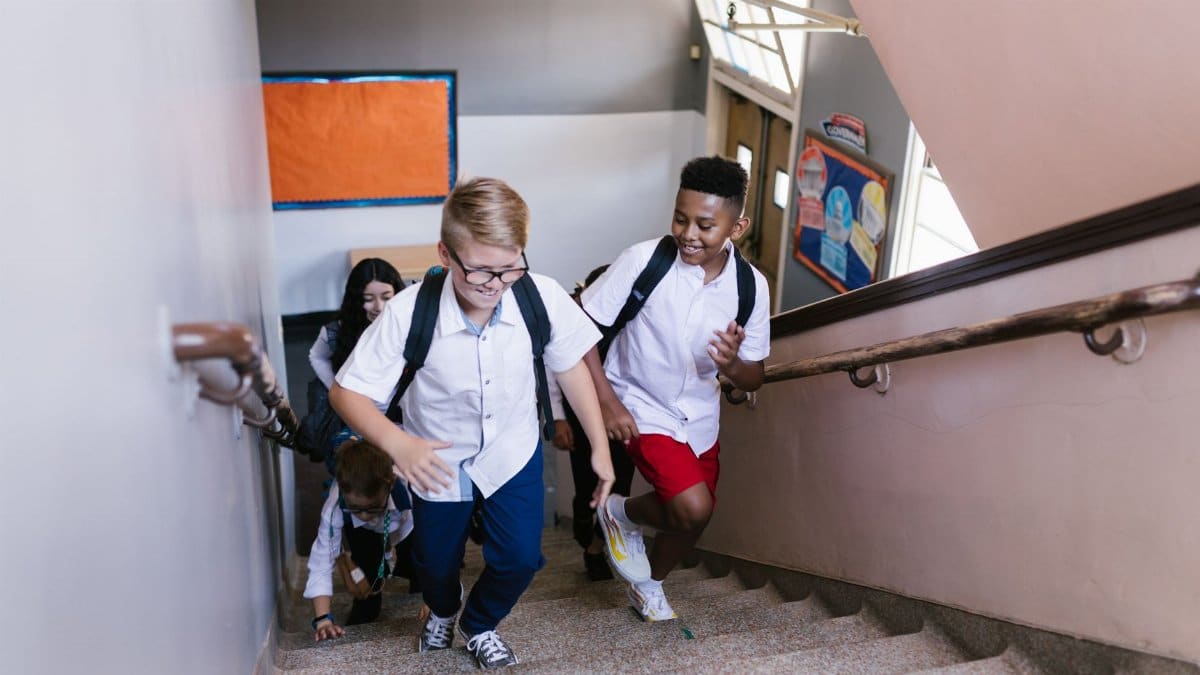
In communities across the state families have long navigated the quiet strain of ensuring children receive consistent nutrition during the academic year. With economic pressures mounting for many households the return of Michigan free school meals marks a significant shift in how public education supports young learners. This policy restores universal access for the 2026 to 2027 period aiming to ease burdens on parents while addressing broader patterns of food insecurity that affect classroom focus and overall development.
Policy Background and Legislative Path
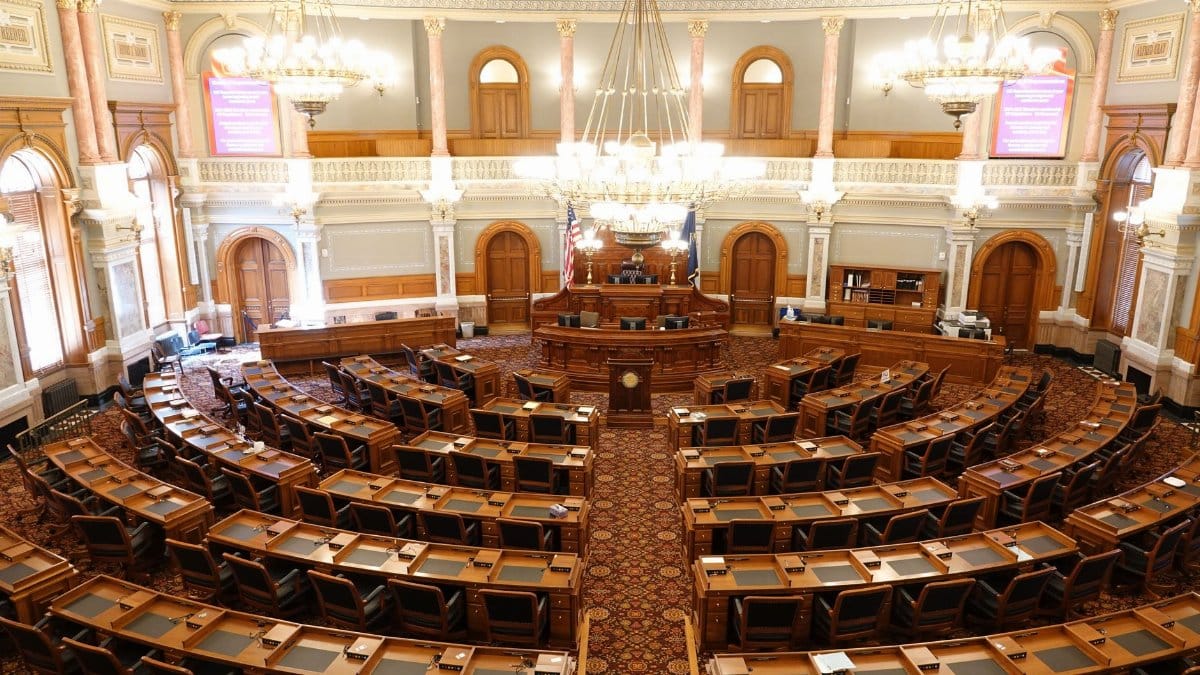
State lawmakers advanced the measure after reviewing data on hunger related absences and academic performance gaps. The approach draws from federal pandemic era flexibilities that expired yet left lasting impressions on district leaders who witnessed improved attendance when meals came without cost barriers.
Effects on Household Budgets

Parents report reallocating saved funds toward other essentials such as housing costs or medical needs. This relief proves especially meaningful in regions where wages have not kept pace with rising grocery prices creating a ripple that extends beyond the lunch line.
Student Health and Daily Energy Levels
Educators observe steadier concentration among pupils who no longer face uncertainty about midday meals. Consistent nourishment supports cognitive functions tied to memory retention and problem solving skills essential for meeting grade level standards.
Implementation Across Districts

Rural and urban schools alike prepare updated ordering systems to accommodate higher participation rates. Training sessions for cafeteria staff emphasize efficient service while maintaining variety in menu options that meet federal nutrition guidelines.
Comparisons With Neighboring States

Several surrounding areas have sustained similar programs through dedicated state allocations demonstrating measurable drops in reported food insecurity metrics. Michigan joins this group seeking comparable gains in equity for its public school population.
Role of Community Organizations

Local nonprofits collaborate with districts to supplement offerings through weekend backpack programs and holiday meal distributions. These partnerships fill gaps during breaks when school kitchens close yet demand for support remains steady.
Nutritional Standards and Menu Planning

Registered dietitians contribute input on balanced selections that appeal to diverse student preferences while prioritizing whole grains fresh produce and lean proteins. Feedback loops allow adjustments based on consumption patterns gathered each semester.
Educator Perspectives on Classroom Dynamics

Teachers note fewer instances of students arriving distracted or fatigued which they attribute partly to reliable access to Michigan free school meals. This stability allows more instructional time devoted to core subjects rather than addressing immediate physical discomfort.
Funding Mechanisms and Sustainability

Revenue streams combine state appropriations with federal reimbursements tied to participation levels. Officials monitor enrollment trends to project long term viability and adjust allocations accordingly without disrupting service continuity.
Parental and Student Reactions

Surveys indicate strong approval from families who previously qualified under income limits yet faced stigma around applications. Children express relief at selecting meals alongside peers without separate lines or identifiers.
Future Considerations for Expansion

Advocates discuss potential extensions to charter and private institutions while evaluating pilot programs for summer feeding sites. Data collection efforts will track academic and health indicators to inform refinements in coming cycles.