
On an ordinary afternoon, a phone can feel like a closed room. The screen is dark, the app is idle, and the little lens above the display points at a ceiling or a kitchen table. Then a report lands that unsettles that feeling. Researchers say free artificial intelligence tools helped them uncover flaws that let them reach a TikTok user’s camera. The phrase AI TikTok camera hack is already traveling through group chats and comment threads, often faster than the facts. What matters is not the viral label. What matters is a quieter question: if software can be steered to hunt for mistakes in popular apps, who gets to decide when that hunt stops being research and starts being a threat to ordinary people?
A headline that outran the fine print

The Seattle Times described a cybersecurity effort in which a modified free model helped researchers find bugs that opened a phone camera. That sentence is enough to set off alarm. It is also easy to misread. A demonstration by specialists is not the same thing as a stranger on the bus quietly filming your living room. Still, the gap between those two pictures is exactly where public trust frays. People do not experience software as a stack of permissions and patches. They experience it as a presence in the kitchen, the bedroom, the car seat where a child is watching a dance clip.
I have watched relatives treat the camera light as a moral signal, the way an earlier generation treated a drawn curtain. If the light is off, the room is private. Reporting like this pokes at that belief without offering a simple replacement. The honest version is less cinematic and more unsettling: privacy on a modern phone is a chain of assumptions, and any weak link can be enough.
What the researchers appear to have shown
At a high level, the story is about discovery, not a cookbook. Specialists used widely available artificial intelligence, altered for their own testing, to search for mistakes in software tied to a hugely popular app. Those mistakes, once understood, could be used to reach a camera. The public account does not read like a random vandal kicking in a door. It reads like a stress test of code that millions of people already trust with their faces.
That distinction matters, and it is also fragile. The same class of tool that helps a lab find a flaw can help someone with worse intentions look for one. When readers search for AI TikTok camera hack, they are often looking for a verdict: is my phone already compromised, or is this another scary headline that will fade by Friday? The available reporting supports a narrower claim. Skilled people, with free models in the mix, found a path to a camera that should have stayed closed. It does not, by itself, prove that every account is open, or that the flaw remains unfixed, or that a casual user can repeat the work over lunch.
Why a lens is not just another bug
A leaked password is serious. A drained battery is annoying. A camera is intimate in a way those problems are not. It captures bodies, rooms, whiteboards, medicine bottles, the unguarded face of someone who thought they were alone. Even a brief, unauthorized look can feel like a trespass that no password reset fully repairs.
TikTok already lives close to that intimacy. People film themselves on purpose, often in private spaces, often for an audience they only half imagine. The app’s ordinary use blurs the line between performance and exposure. A security failure at the camera layer collapses the line entirely. You are no longer choosing to be seen. Someone else is choosing for you. That is why this story lands harder than a generic notice about outdated software, even when the technical details stay out of reach for most readers.
Free models and a lower fence
For years, finding deep flaws in a major app was a craft with a high admission price: time, specialized skill, and often expensive tooling. Free and low cost models do not erase that craft. They do change the starting line. A researcher can ask a system to read code, propose odd inputs, and keep trying angles a tired human might abandon. The Seattle Times account fits a broader pattern that security teams have been muttering about in conferences and private channels: assistance that once sat inside well funded labs is now a download away.
There is a hopeful reading. More eyes on popular software can mean faster fixes, especially if companies welcome coordinated disclosure and pay for what they learn. There is a darker reading, and it is not speculative theater. When the cost of looking falls, more people look, including people who will not call the vendor first. The AI TikTok camera hack framing flattens that tension into a stunt. The real shift is economic. Curiosity, diligence, and malice all got cheaper in the same season.
An app that already knows the room
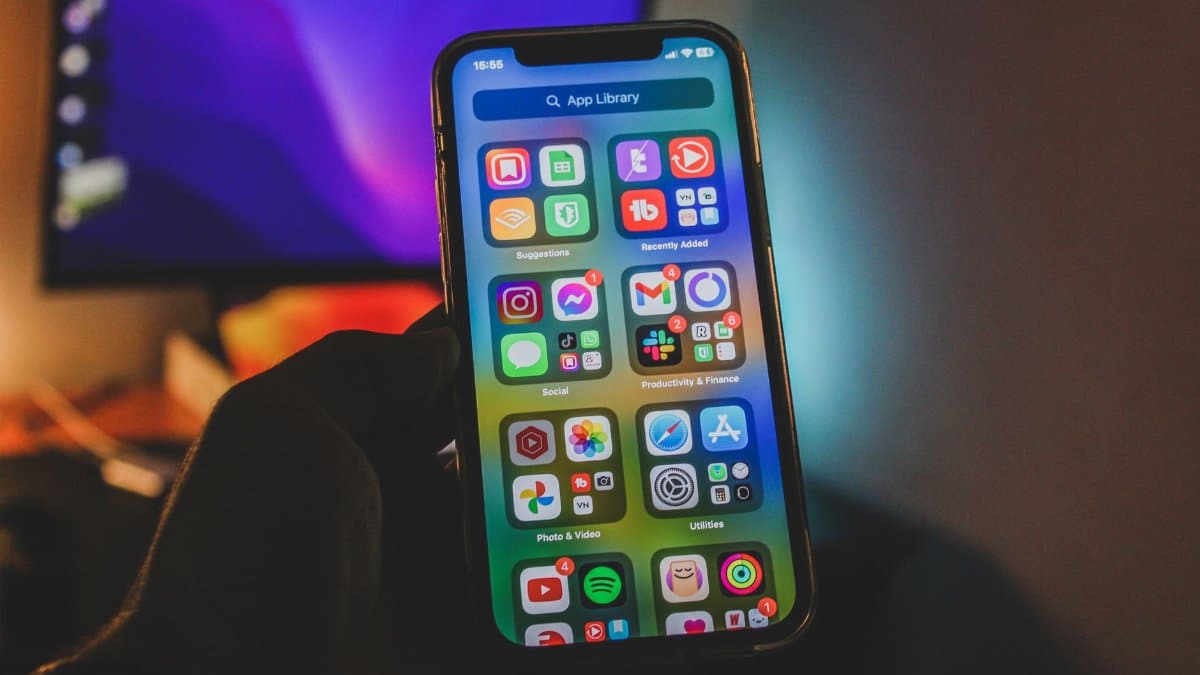
TikTok is not a niche utility. For a great many households it is background noise, a babysitter, a newsstand, a stage. That reach is what makes any camera flaw newsworthy beyond the security trade. A bug in an obscure desktop program might affect a few thousand specialists. A bug adjacent to an app that sits on family phones can brush against teenagers, grandparents, small business owners filming a shop counter, and journalists who use the platform to watch a story move.
None of that requires a conspiracy theory about secret switches. Ordinary design already asks for the camera, the microphone, location, contacts, and a constant network connection. People grant those requests because the alternative is to opt out of a culture that now happens on the app. Security failures exploit the permissions we already gave, or the mistakes in how those permissions are enforced. The scandal is not that a phone has a lens. The scandal is how little room we left ourselves to say no.
Research, theater, and the duty not to arm strangers

Responsible testing has a shape, even when the public never sees the lab notes. You limit who can reach the flaw. You tell the company. You wait, within reason, before you describe enough for a copycat to succeed. You accept that fame is a poor substitute for a patch. When artificial intelligence accelerates the hunt, that discipline gets harder, not easier. A model can propose many paths. A blog post or a clipped video can spread one of them before a fix exists.
Readers hungry for the AI TikTok camera hack as a how to are asking the wrong product of journalism. The useful product is context: what class of failure was shown, whether users should update, whether the company says the issue is closed, and what remains unknown. Step by step reproductions do not make the public safer. They widen the window in which the least careful person in the room has the same map as the most careful one.
What a careful person can change this week

Panic is a poor security plan. So is shrug. A few habits still earn their keep, and none of them require a degree. Keep the operating system and the app current, because many camera and permission bugs die in routine updates that people postpone for weeks. Review which apps may use the camera, and revoke access for anything that does not truly need it. Covering a lens with a slip of tape is inelegant and still rational if a device sits in a bedroom. Treat unexpected camera lights as a reason to close apps and restart, not as a ghost story to ignore.
It is also fair to separate accounts and devices when you can. A phone used for banking and medical messages does not have to be the same phone that hosts every social experiment. That split is inconvenient. Inconvenience is the price that convenience spent years pretending not to charge. If a company offers a security checkup or a clearer permission screen, use it. If a fix is announced, install it before you finish the thread arguing about whether the company deserves trust.
Companies, clocks, and the story they prefer

Large platforms have a script for episodes like this. They thank researchers, sometimes. They say user safety is paramount. They decline to confirm details that might help attackers. They ship a patch and hope the news cycle moves on. Some of that script is legitimate. Broadcasting a live flaw is not a public service. Some of it is reputation management. The public is left to infer, from silence, whether the hole was narrow or wide, brief or long lived, limited to one feature or tied to a deeper habit of shipping fast.
Artificial intelligence complicates the script further. If outside testers can find issues with free models, internal teams can too, and should. A company that waits for an outside demonstration to discover what its own code will do under pressure is advertising a staffing and priority problem, not a surprise of nature. Users cannot audit that claim. Regulators and independent labs can, if they are funded and if the law gives them a reason to look beyond press statements.
The mood after one more breach story
Middle aged readers have lived through enough of these cycles to recognize the emotional choreography. Shock, advice lists, a corporate note, a forgetful silence, then the next app. What feels different now is the helper in the background. People already argue about whether generative tools will take jobs, flatten student essays, or flood the internet with counterfeit faces. A camera story adds a physical stake. The machine is not only writing. In the hands of testers, and potentially in the hands of criminals, it is pointing at the machinery that watches us.
Search interest in AI TikTok camera hack will spike and fall. The underlying condition will not. Popular apps, cheap assistance for bug hunting, and phones that live in private rooms are not a one week alignment. They are the environment. Treating each headline as a freak event is how households stay surprised. Treating every headline as proof that nothing can be done is how they stop updating the phone that still, most days, can be made safer than it was.
Trust as a practice, not a feeling
Trust in a platform is not a mood you either have or lack. It is a set of observable habits: how fast serious bugs are fixed, how clearly users are told, how little data is collected beyond the service, how hard it is for a stranger to turn a lens toward a room that did not consent. Artificial intelligence does not rewrite those habits. It raises the cost of neglecting them, because outsiders can now pressure test neglect at a speed that press offices struggle to match.
The fairest reading of the reported demonstration is therefore double. It is a warning about cameras and about the apps we let near them. It is also evidence that scrutiny still works when skilled people aim it at code instead of at victims. The public does not need a myth of total safety, and it does not need a tutorial in trespass. It needs companies that assume their software will be examined by machines as well as by people, and users who refuse to treat a dark screen as a promise. Until those two changes are ordinary, every new report will feel like the first time the curtain moved by itself.