

The summer season in many American cities often brings families together around public spaces that offer relief from the heat and a chance for shared experiences. In Baltimore this year those traditions faced disruption when officials announced changes to Baltimore pool hours because of lingering smoke from distant wildfires that pushed air quality into unhealthy ranges. Residents who had planned outings to cool off found their options limited as the city balanced safety with the desire to keep facilities accessible. This adjustment highlights how environmental factors can quickly reshape everyday routines in urban areas.
Environmental Pressures on Daily Life
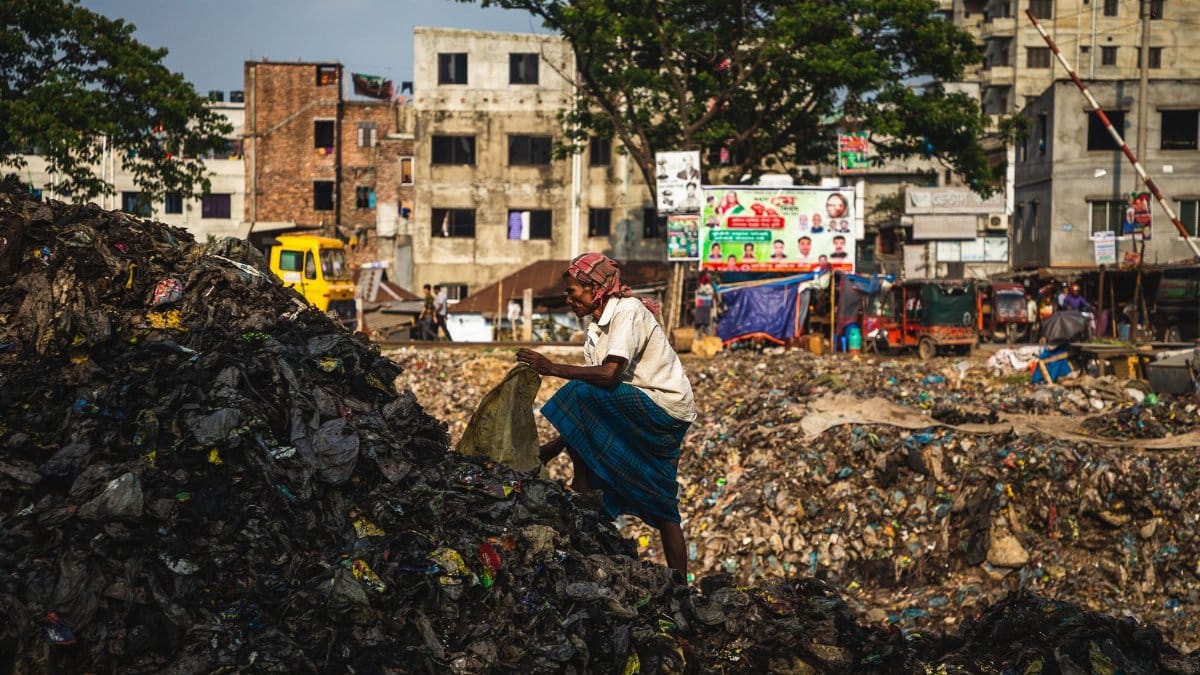
Wildfire smoke traveling across regions created hazy skies and raised concerns about respiratory health for swimmers and staff alike. City leaders reviewed data from monitoring stations and decided that shorter operating times would reduce exposure during peak pollution hours. The move came as part of a wider effort to protect vulnerable groups including children and older adults who frequent the pools.
Public Health Priorities in Recreation Planning
Health officials emphasized that air quality readings above certain thresholds can irritate lungs and worsen conditions like asthma. By trimming Baltimore pool hours the authorities aimed to lower risks while still allowing some access later in the day when conditions might improve. This approach reflects a growing trend where cities integrate real time environmental data into decisions about outdoor programs.
Community Reactions and Adaptations

Many families expressed disappointment yet understood the caution involved. Some turned to indoor alternatives or shifted their schedules to early morning visits before smoke levels climbed. Local organizations stepped in with suggestions for shaded parks or library programs to maintain a sense of summer normalcy despite the constraints on Baltimore pool hours.
Historical Role of Pools in City Culture
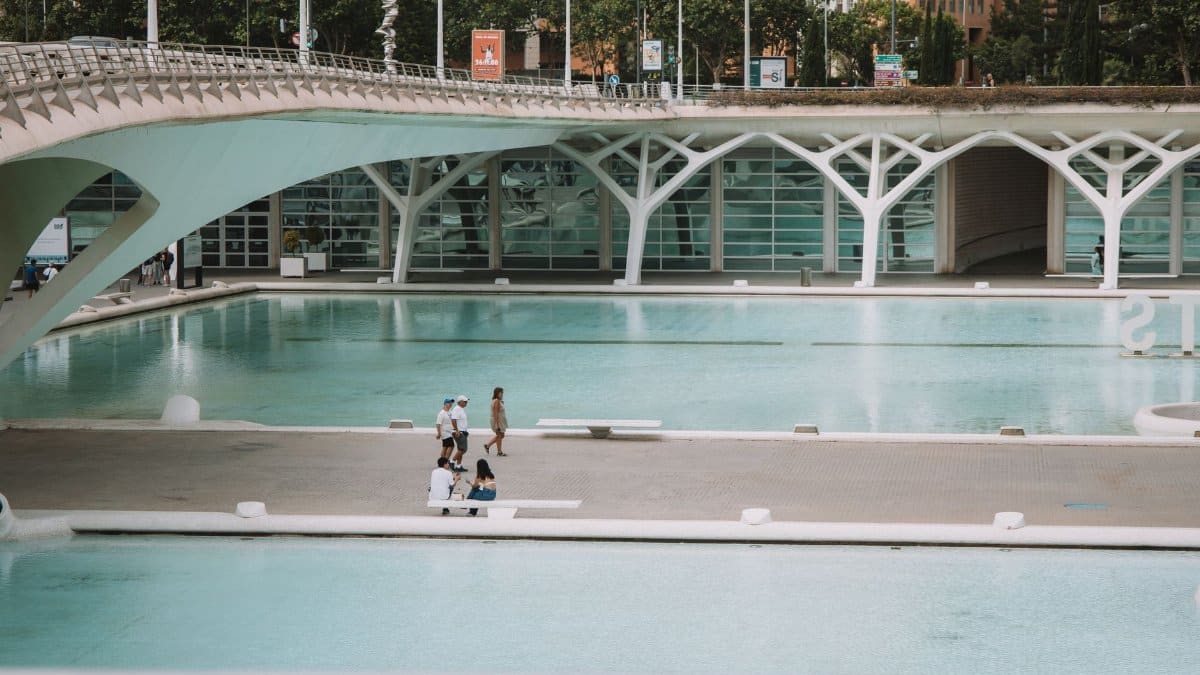
Public swimming facilities have long served as gathering spots that foster social connections across neighborhoods in Baltimore. They provide not only physical refreshment but also opportunities for exercise and informal education about water safety. Recent events underscore how such spaces remain vital even when external forces like air quality demand temporary changes.
Balancing Access with Safety Measures
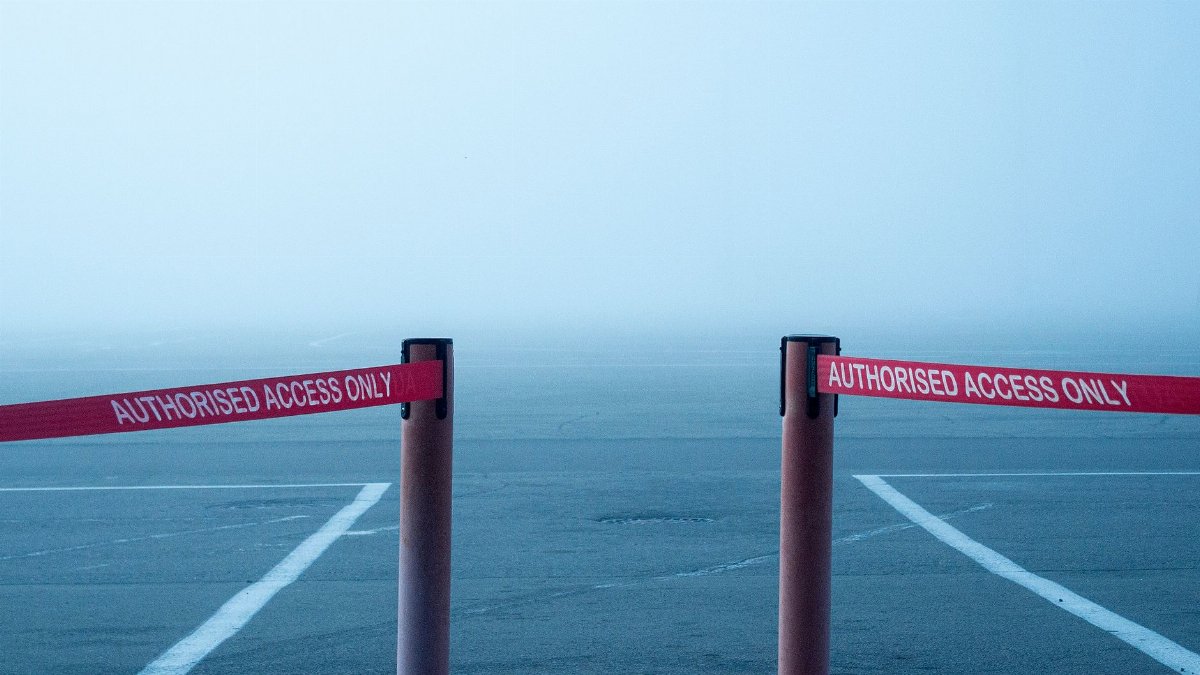
Officials worked to communicate updates through multiple channels including social media and posted notices at pool entrances. The goal was to keep residents informed without causing undue alarm. Adjustments to Baltimore pool hours were presented as a temporary step rather than a permanent reduction in service.
Broader Reflections on Nature and Stewardship
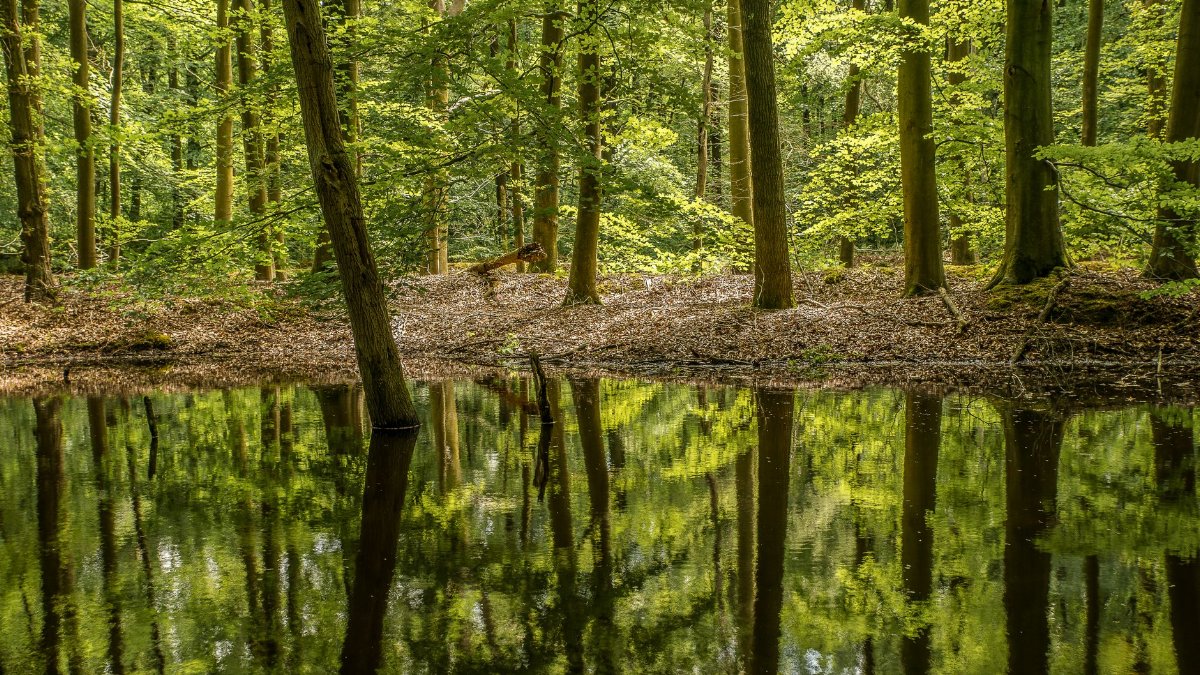
Events like this invite contemplation about humanity connection to the natural world and the ways pollution far away can affect local enjoyment. Spiritual traditions often speak to caring for creation and recognizing interdependence among communities. In this light the changes serve as a reminder to value clean air and water as shared gifts that support collective well being.
Looking Ahead to Seasonal Planning

City planners are reviewing how similar situations might be handled in future years with better predictive tools and backup indoor options. Partnerships with environmental groups could help develop strategies that protect both health and access to recreation. Discussions continue about expanding shaded areas and improving ventilation at existing sites.
Lessons for Urban Resilience
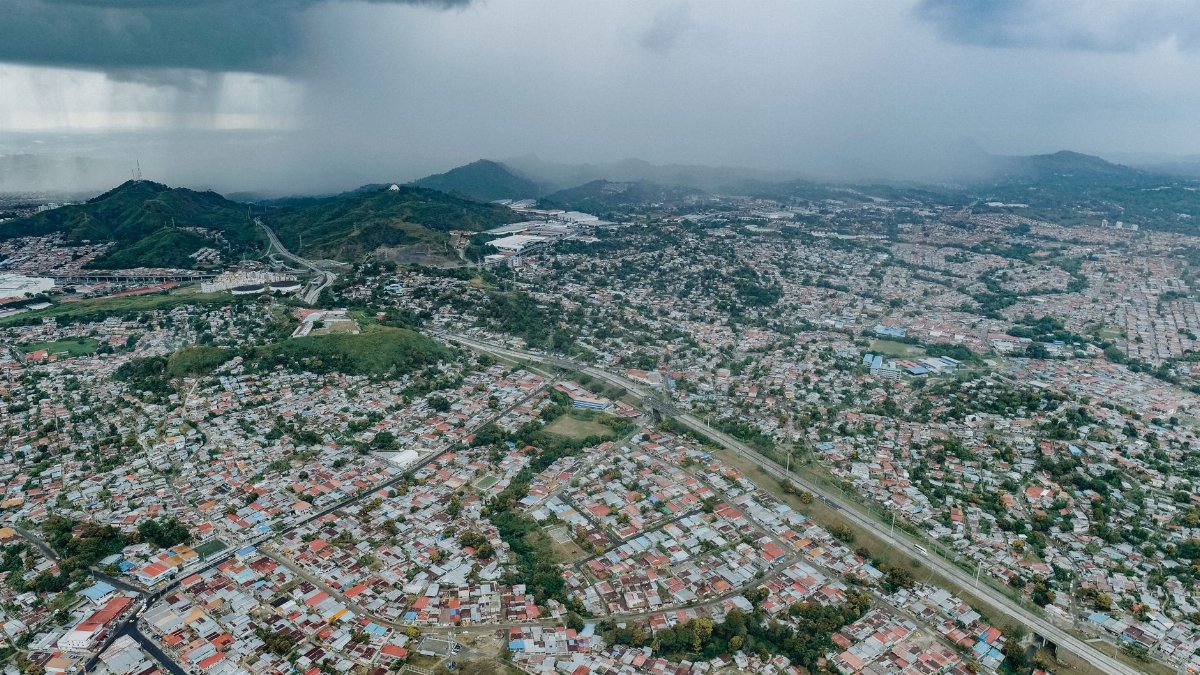
The episode offers insights into how municipalities can respond swiftly to emerging challenges while maintaining public trust. Transparent decision making around Baltimore pool hours helped ease frustrations and highlighted the importance of flexible policies. As climate patterns shift such adaptability will likely grow more essential for sustaining quality of life in cities everywhere.