

The notion that new mothers suffer from some sort of mental fog has circulated for years yet fresh evidence points in a different direction. Parenthood triggers measurable shifts in neural pathways that support greater empathy and sharper focus for both women and men. These adaptations challenge the Mum Brain Myth by showing that the brain gains rather than loses capacity during this life stage. Researchers tracking parents over time have documented these enhancements through repeated brain scans and behavioral tests that reveal lasting improvements.
Neural Adaptations That Support New Parents

Studies using magnetic resonance imaging reveal growth in regions tied to social cognition shortly after a child arrives. The changes appear in areas responsible for reading emotional cues and responding with care. Both mothers and fathers show these patterns though the timing differs slightly between them. Such findings come from work at institutions including the University of Southern California and appear in detail at https://www.ncbi.nlm.nih.gov/pmc/articles/PMC7321841.
Empathy Gains That Extend Beyond the Family

Parents often report a heightened ability to sense the feelings of others after their children are born. This skill transfers into workplaces and friendships where it aids conflict resolution. Longitudinal data indicate the increase remains stable for years rather than fading once children grow older. The result is a broader social awareness that benefits entire communities.
Attention and Multitasking Improvements

Daily demands of child care train the brain to switch between tasks with greater efficiency. Tests of selective attention show parents outperforming non parents in controlled settings. These advantages arise because the mind learns to filter distractions while staying alert to important signals from a child. Over time this training strengthens executive function across many settings.
Emotional Regulation Becomes More Robust

Hormonal shifts during pregnancy and early caregiving reshape circuits that manage stress responses. Parents demonstrate quicker recovery from negative events in laboratory measures. This resilience supports steady decision making during challenging moments at home or on the job. The process unfolds gradually and continues as children reach new developmental stages.
Fathers Undergo Parallel Brain Shifts

Research once centered on mothers yet recent scans confirm that men experience comparable remodeling in the prefrontal cortex and amygdala. Time spent in direct care correlates with the extent of these adjustments. The symmetry suggests that active involvement rather than biology alone drives the positive outcomes.
Long Term Cognitive Health Advantages

Follow up assessments years later find parents maintain stronger memory performance than peers without children. The protective effect may stem from repeated practice in planning and perspective taking. Public health records from large cohorts support this association though individual results vary with lifestyle factors.
Reconsidering Workplace Assumptions About Parents
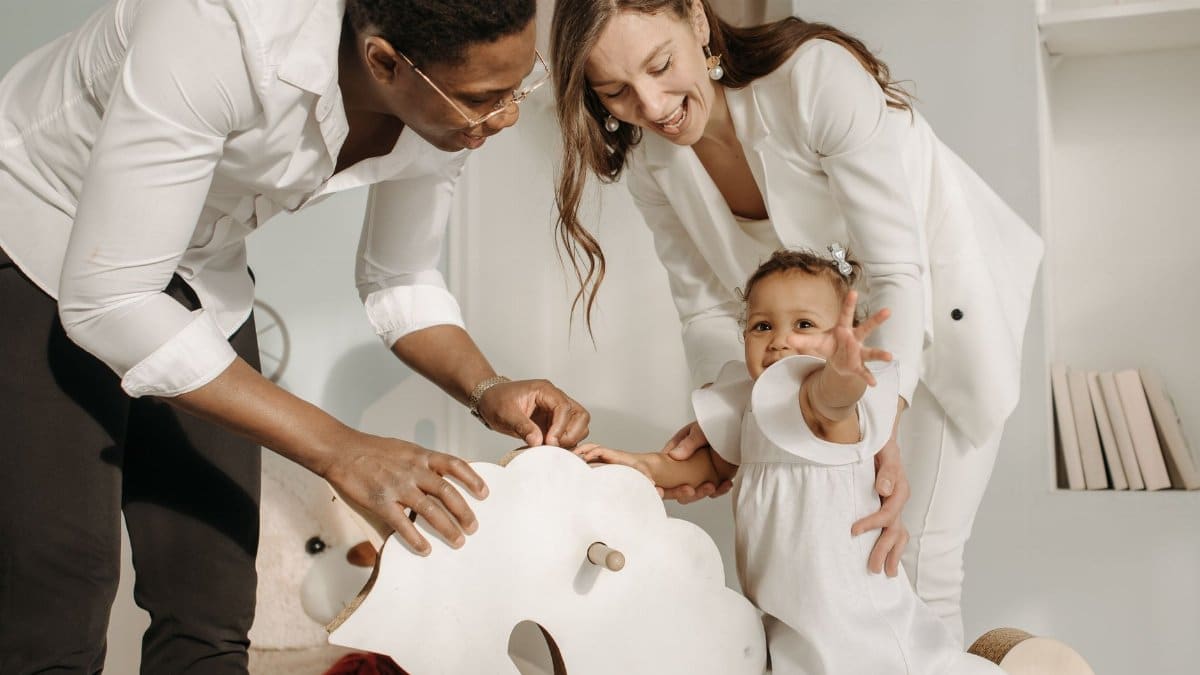
Employers sometimes view parenthood as a liability for productivity yet the data suggest otherwise. Enhanced emotional intelligence and focus can translate into stronger leadership and creative problem solving. Organizations that recognize these strengths report higher retention among working parents.
Cultural Narratives Versus Scientific Evidence

Popular media has long emphasized forgetfulness and fatigue in new mothers. Controlled studies repeatedly fail to confirm broad deficits and instead highlight selective gains in social and emotional domains. Correcting the record requires attention to how language shapes expectations around family life.
Practical Steps to Support Brain Health in Parents

Adequate sleep exercise and social connection amplify the natural adaptations that occur. Community programs offering respite care allow parents to sustain these habits. Medical professionals increasingly recommend such supports as part of routine postpartum guidance.
Looking Ahead at Ongoing Research

Scientists continue to explore how these brain changes interact with genetics and environment across diverse populations. Expanded studies that include single parents and same sex couples will refine current understanding. The emerging picture replaces outdated notions with a view of parenthood as a period of growth.