
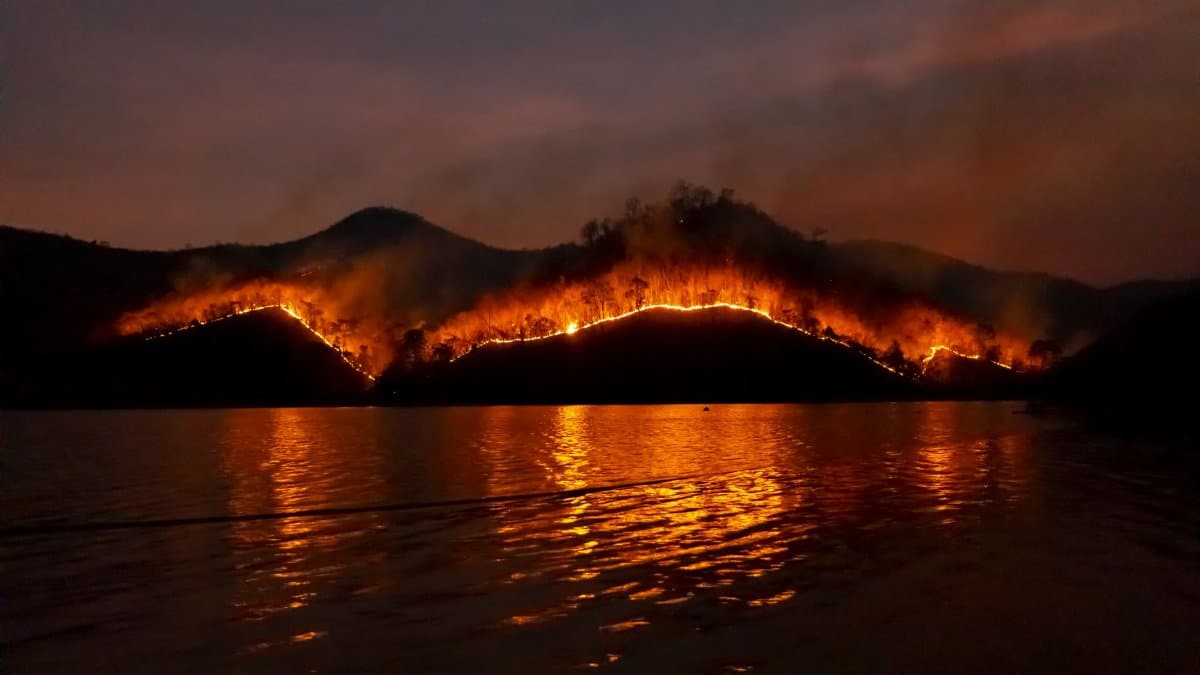
In the remote reaches of northern Minnesota a series of wildfires has transformed a beloved summer destination into a restricted zone. Officials with the United States Forest Service have enacted the Boundary Waters Closure to protect both visitors and the landscape itself amid rapidly advancing flames. The decision affects thousands of acres within Superior National Forest and has sent ripples through communities that rely on the area for recreation and livelihood. Evacuations began in earnest as smoke filled the skies and embers threatened established campsites along popular routes.
Background on the Affected Region
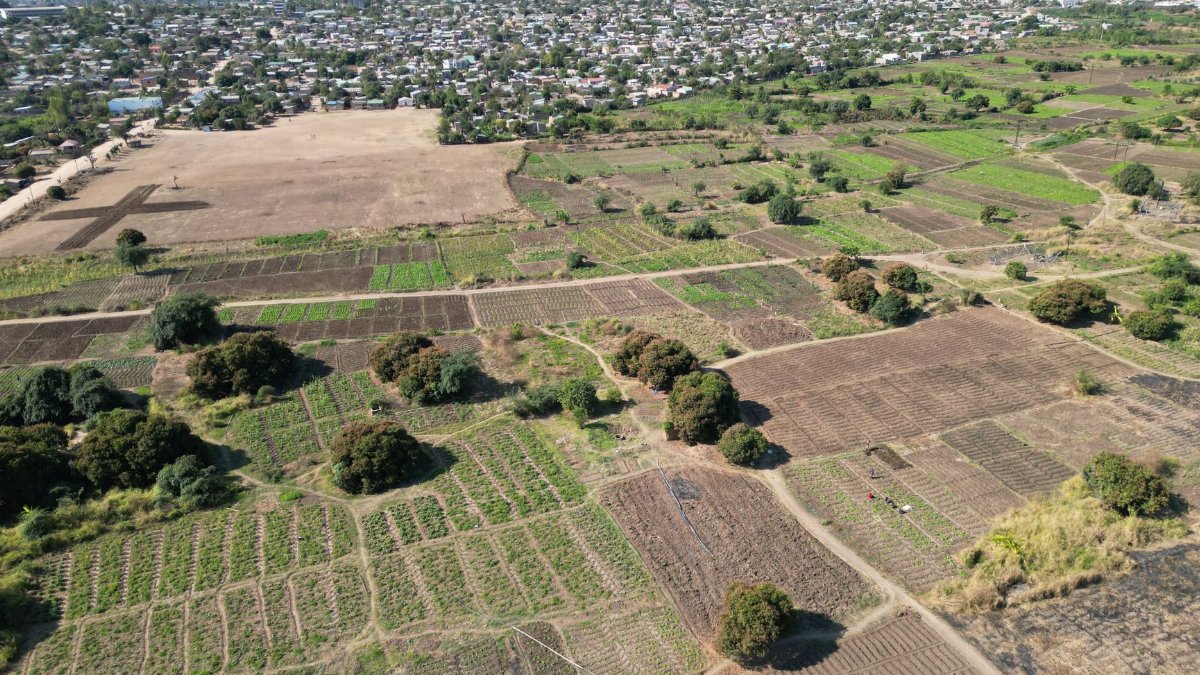
The Boundary Waters Canoe Area Wilderness spans a million acres of interconnected lakes and forests. It draws paddlers seeking solitude among ancient pines and clear waters. Recent dry conditions have left the understory brittle and prone to ignition from lightning strikes or human error. Rangers noted that several small blazes merged into larger fronts within days creating an urgent need for decisive action.
Details of the Evacuation Process
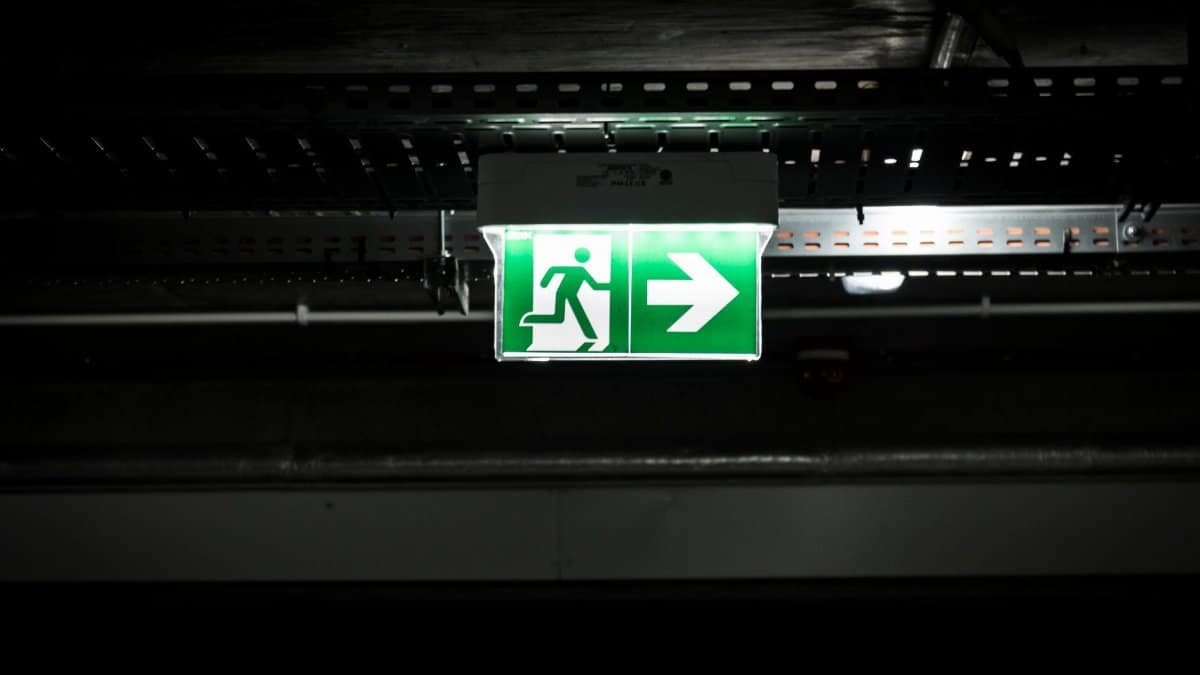
Teams moved quickly to clear canoeists from remote entry points. Air support helped spot new hotspots while ground crews guided groups toward safe exits. Some travelers described the scene as orderly yet somber with many expressing regret at leaving behind planned adventures. Officials stressed that personal safety outweighed any temporary inconvenience.
Impact on Local Communities and Businesses

Outfitters in nearby towns reported canceled reservations stretching into late summer. Lodges that usually buzz with activity now stand quiet as staff members await updates. Economic pressure falls hardest on seasonal workers who count on peak months for steady income. Community leaders have begun discussing ways to support affected families during the uncertain period ahead.
Role of Weather Patterns in Fire Growth
Prolonged heat combined with low humidity created ideal conditions for rapid spread. Forecasts offered little relief as winds shifted direction without warning. Meteorologists tracking the systems explained that such patterns have grown more common in recent decades altering traditional fire management approaches. Monitoring stations across the forest continue to feed data into central command centers.
History of Similar Closures in the Area
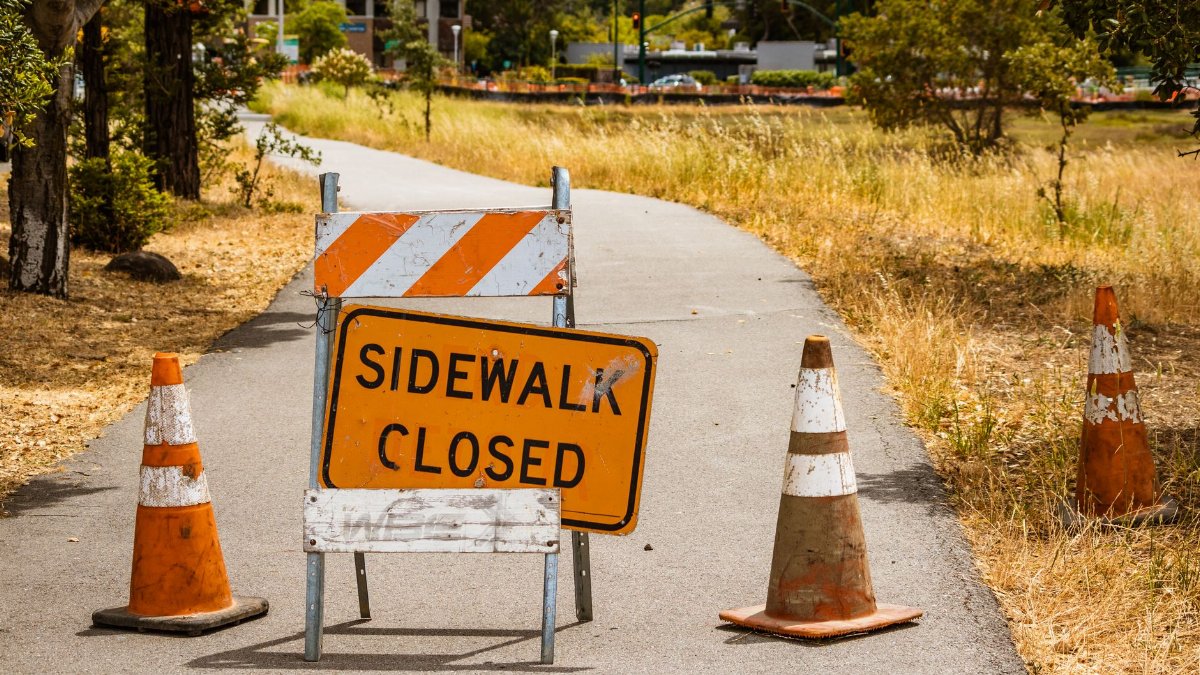
Past events have shown that timely restrictions can limit damage to fragile ecosystems. In earlier decades comparable measures allowed vegetation to recover before heavy use resumed. Lessons from those episodes inform current protocols including expanded use of technology for real time mapping. Veterans of the forest service recall how cooperation between agencies proved essential in containing previous threats.
Ecological Consequences of Prolonged Fires
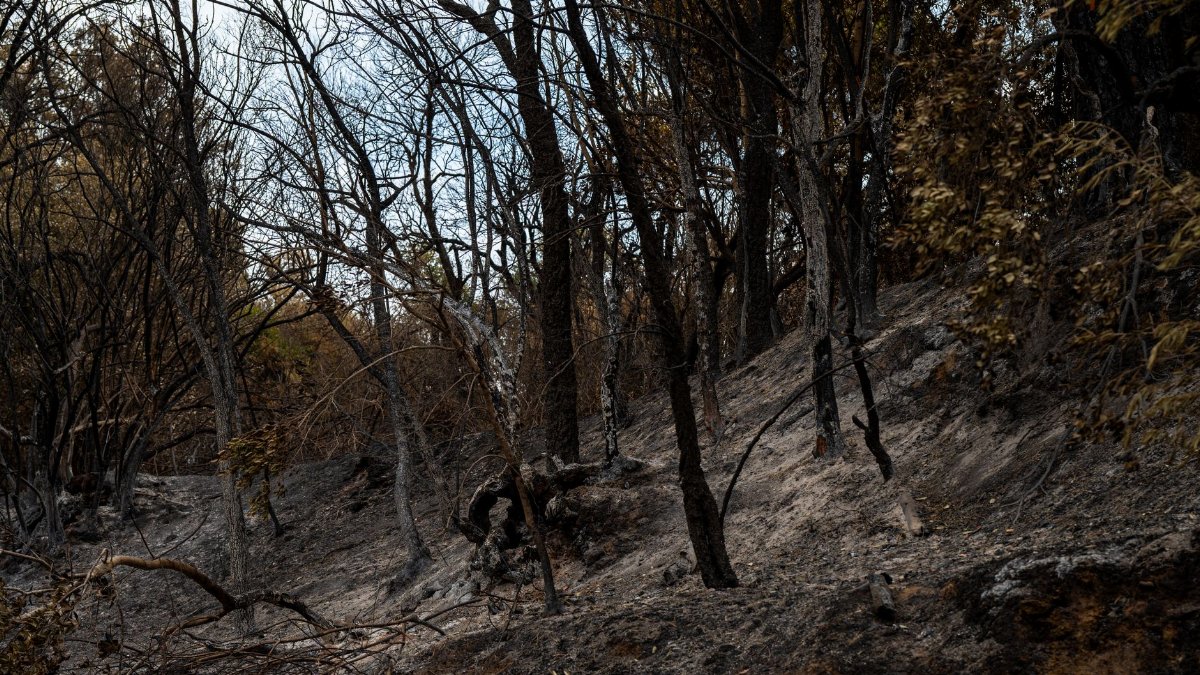
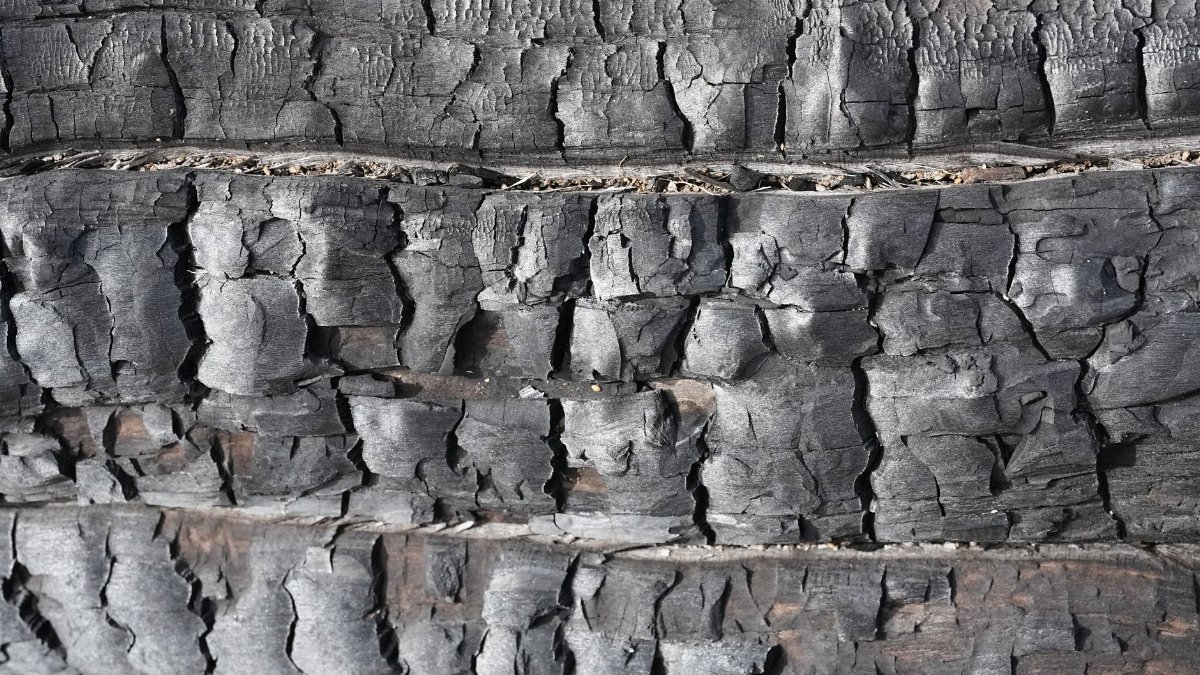
Burned zones may require years to regain their former character. Soil stability and water quality both face risks once flames subside. Wildlife that depends on dense cover will need to adapt or relocate while new growth emerges. Scientists plan detailed surveys once access reopens to assess long term shifts in plant and animal populations.
Public Response and Calls for Policy Review

Advocacy groups have urged greater investment in prevention including controlled burns during safer months. Letters to lawmakers emphasize the need for updated funding formulas that reflect changing climate realities. Meanwhile everyday citizens share stories online highlighting the personal meaning the wilderness holds for families across generations.
Future Outlook for Reopening the Wilderness
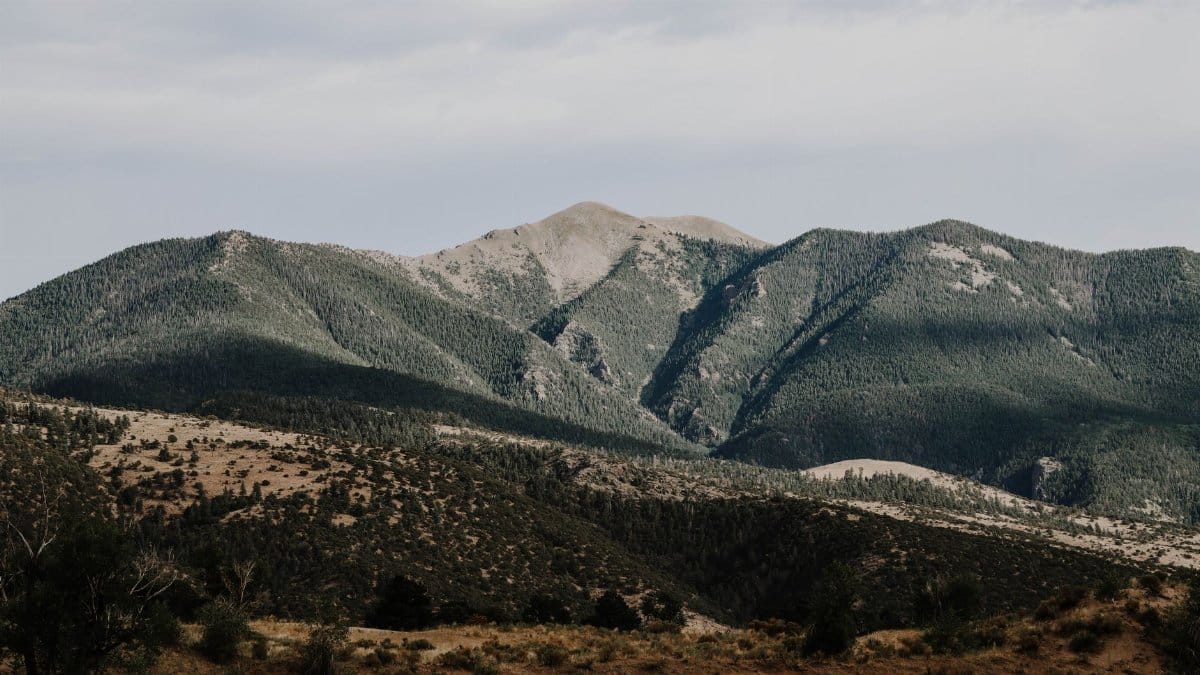
Reentry hinges on weather shifts and successful containment of remaining hotspots. Gradual phases may allow limited access to peripheral zones first before core areas reopen. Managers hope to balance safety with the desire of many to return to familiar waters and trails. Regular briefings will keep the public informed as conditions evolve.