
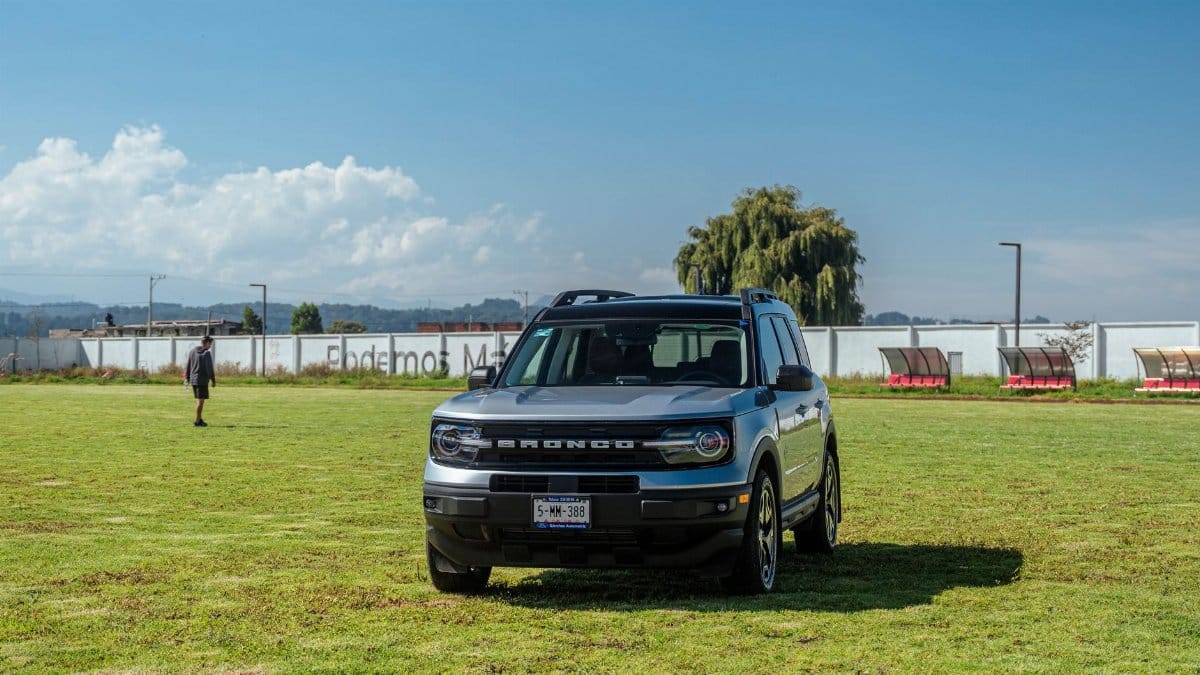
The Ford Bronco recall has emerged as a significant concern for vehicle owners nationwide following recent announcements from the manufacturer. Many drivers have expressed worry about the potential for engine related fires stemming from a faulty wiring harness in certain models produced over several years. This development comes amid broader discussions about automotive safety standards and the responsibilities of large corporations in addressing defects promptly. Authorities have noted that the issue could impact hundreds of thousands of units urging owners to check their vehicles immediately for any signs of trouble. Reports indicate the problem may arise when the harness contacts hot surfaces leading to shorts that raise the risk of flames.
Background on the Announcement

Federal regulators worked with the company to identify the root cause after multiple complaints surfaced from owners who noticed unusual odors or smoke. The process involved extensive testing of electrical systems across various production batches to confirm the vulnerability. Such steps reflect standard procedures when potential hazards appear in popular sport utility models.
Number of Vehicles Impacted
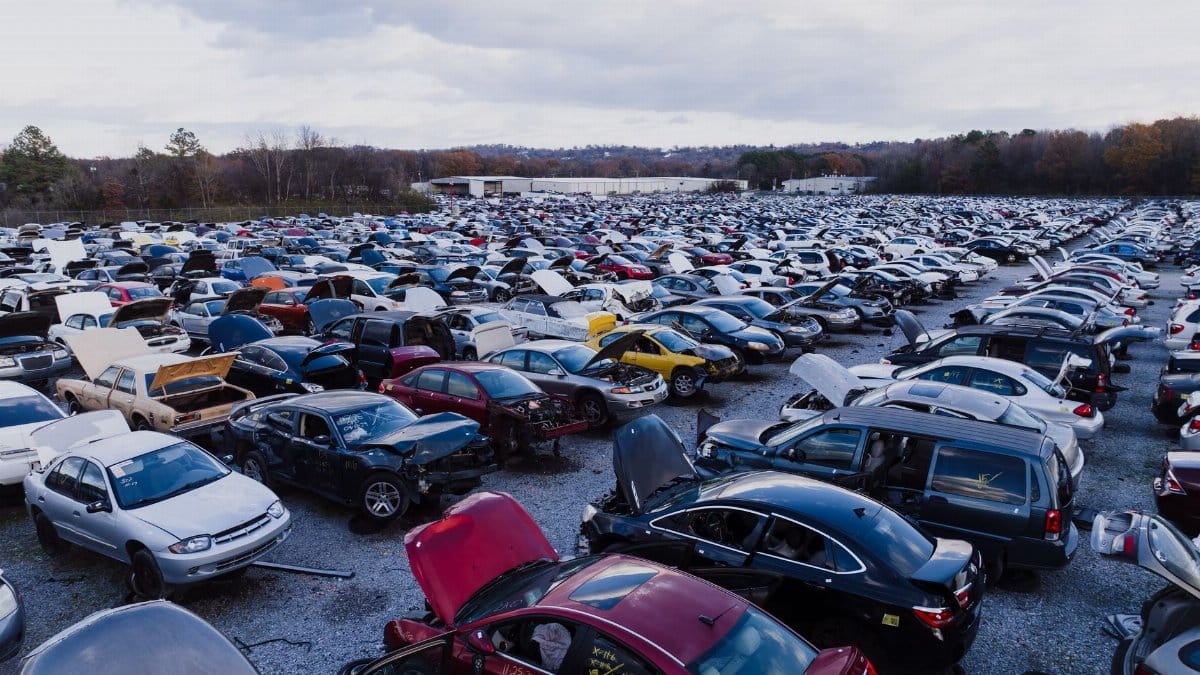
More than five hundred sixty five thousand Broncos and related variants from two thousand twenty one through two thousand twenty six fall under the action. This volume underscores the widespread nature of the production run and the need for broad outreach to registered owners through mail and digital alerts.
Technical Cause Explained
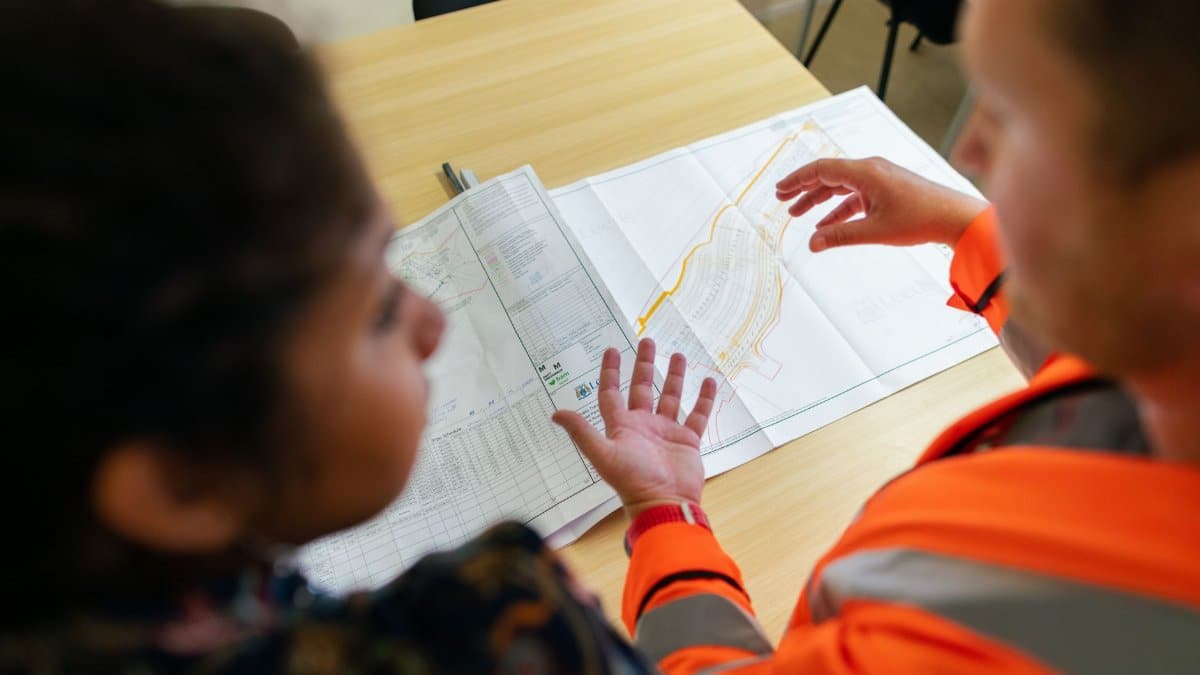
The wiring harness can shift over time and touch components that generate heat during normal operation. Engineers determined this contact creates an electrical short capable of igniting nearby materials if left unaddressed. Owners are advised to avoid parking in enclosed spaces until inspections occur.
Owner Response and Next Steps
Many individuals have already scheduled visits to dealerships for free repairs that involve rerouting or shielding the harness. The company has set up dedicated hotlines and online portals to handle inquiries and provide status updates based on vehicle identification numbers.
Regulatory Oversight Role

Agencies like the National Highway Traffic Safety Administration monitor such cases to ensure compliance and track any patterns in similar vehicles from other makers. Their involvement helps maintain public confidence in the overall safety framework for consumer automobiles.
Broader Industry Implications

This situation highlights ongoing challenges in supply chain quality control as electronics become more complex in modern trucks and sport utility vehicles. Manufacturers across the sector now face increased scrutiny over component durability under real world conditions.
Historical Context for Similar Events

Past recalls involving electrical faults have led to improved design protocols and more rigorous pre production testing. Lessons from those episodes appear to guide current efforts to resolve the present matter efficiently and restore trust among buyers.
Future Outlook for Owners

With repairs underway the focus shifts to preventing recurrence through updated manufacturing techniques. Analysts expect continued dialogue between regulators and the industry to refine standards that protect drivers over the long term.