
On a warm September afternoon in Sacramento, the line outside a neighborhood clinic stretched past the pharmacy window. Parents shifted restless children from hip to hip. Older adults waited with folders of medical papers. Nurses moved between rooms not because autumn had arrived in any dramatic way, but because influenza had shown up weeks ahead of the calendar most Californians expect. State health officials say California early flu season 2026 is already visible in rising clinic visits and hospital admissions, and they are urging residents to get vaccinated before fall gatherings fill kitchens and classrooms.
A season that refused to wait
Flu in California usually gathers force later in the year, after school routines settle and holiday travel begins. This year, clinicians started noticing a different rhythm in mid September. Urgent care desks reported more fever, cough, and body aches. Some emergency departments saw more admissions among older adults and very young children. Public health leaders described the pattern as an early start rather than a finished forecast. An early start does not tell anyone how severe the winter will be. It does tell families that waiting until December may be a costly habit.
The message from the state has been plain. Vaccination remains the most reliable tool for lowering the chance of severe illness. Officials have paired that advice with reminders about staying home when sick, washing hands, and seeking care quickly if breathing becomes hard. None of this is new. What feels new is the timing.
How doctors are reading the early signals

Physicians who track respiratory illness look at several streams of information at once. Laboratory tests confirm influenza. Clinic reports show how many people seek care for fever and cough. Hospitals track admissions and intensive care use. No single number captures a whole state as large and varied as California. A busy week in one county can coexist with a quiet week in another. Still, when those streams move together, health departments treat the shift as real.
Doctors also watch which strains appear in early samples. Vaccine composition is chosen months before the season, based on global surveillance. A good match helps. A poorer match still often softens illness. Clinicians tend to speak carefully here. They can describe what they are seeing in exam rooms. They cannot promise what January will look like. That humility is part of sound public health, not a lack of concern.
Who carries the heaviest burden
Influenza is often dismissed as a week of misery. For many people it is exactly that. For others it is a turning point. Adults over 65, pregnant people, young children, and anyone with heart disease, lung disease, diabetes, or a weakened immune system face higher odds of pneumonia, hospitalization, and death. In an early season, those groups meet the virus before some of them have arranged a shot.
Caregivers sit in a related category. A grandparent who watches a toddler three days a week can carry infection from a preschool into a household where someone is recovering from surgery. Farmworkers, transit operators, nurses, and grocery clerks cannot easily isolate when a cough starts. An early wave tests not only immune systems but work rules, sick leave, and the willingness of managers to send people home without penalty.
Why vaccination still comes first
State officials have put vaccination at the center of their response to California early flu season 2026. The shot does not make a person invincible. It lowers the chance of infection and, more reliably, the chance of severe disease. Protection takes about two weeks to build, which is why an early rise in cases changes the calendar for ordinary households. A family that planned to wait until a November checkup may want an earlier appointment.
Pharmacies, primary care offices, and community clinics across the state can give flu vaccine. Many offer it alongside updated shots for other respiratory viruses. People with questions about allergies, prior reactions, or timing after an illness should ask a clinician rather than rely on rumor. For most healthy adults and children, the brief sore arm is a small price compared with a hospital stay.
Hospitals preparing without panic
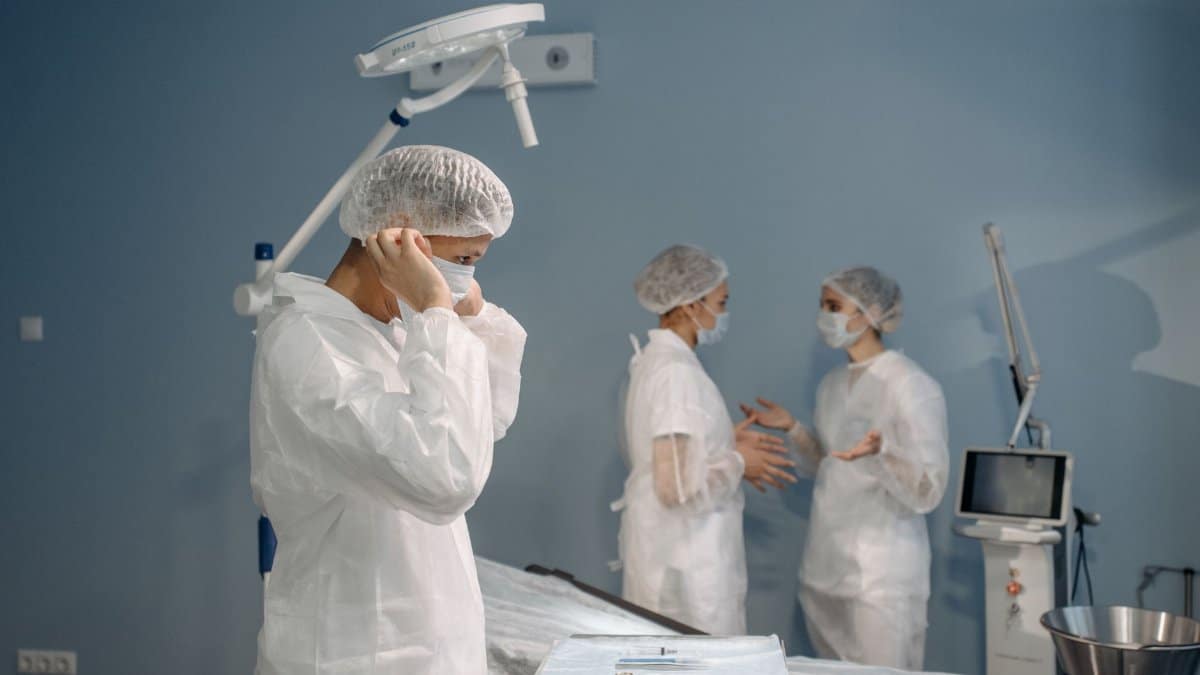
Hospital leaders remember recent winters when influenza, coronavirus, and other respiratory viruses arrived together. Beds filled. Staff called in sick. Elective procedures slipped. An early flu signal gives administrators a little more time to review staffing, stock supplies, and remind employees about their own vaccines. It does not require alarmist language. It requires rehearsal.
Emergency physicians say the public can help by using the right door. Mild fever and a manageable cough often belong with a primary clinician or an urgent care clinic. Trouble breathing, confusion, chest pain, dehydration, or a fever that will not break in a high risk person belongs in an emergency department. Sorting those paths keeps beds available for people who need them. During California early flu season 2026, that sorting may matter as much as any single policy announcement.
Schools, offices, and the ordinary week
Classrooms are efficient places for viruses. Children share air, desks, and the charming refusal to cover a cough. When flu arrives before October, school nurses become early sentinels. Districts that already have clear stay home guidance, readily available testing where appropriate, and ventilation habits from recent years are better placed than those that treat each season as a surprise.
Workplaces face a similar test. A culture that praises people for showing up sick will spread influenza faster than any memo about wellness. Paid time to recover, flexible schedules where the job allows, and managers who model staying home all reduce transmission. These are not dramatic measures. They are the unglamorous infrastructure of a functioning season.
What families can do this month
Practical steps are familiar, which is both their strength and their weakness. People tune them out because they have heard them before. Heard before is not the same as completed. A household can still act.
Get vaccinated if you have not already, and help older relatives make appointments. Keep a simple kit at home: a thermometer, fluids, fever reducers approved by a clinician, and a plan for who will watch children if a parent gets sick. Improve airflow when guests come over, even if that only means opening a window for part of the evening. Skip the party if you have a fever. Call a clinician promptly if symptoms worsen, especially for infants, pregnant people, and older adults.
Masks remain a personal and situational choice for many Californians. In a crowded clinic waiting room or on a packed train while cases are climbing, a well fitted mask can reduce exposure. It is one tool among others, not a moral test.
Travel, holidays, and the weeks ahead

September is not only a health story. It is the start of a long social calendar. College students fly home. Religious communities plan fall festivals. Sports seasons fill stadiums. Each gathering is a chance to see people who matter and a chance for a virus to move. None of that requires canceling ordinary life. It does argue for vaccination before the suitcase is packed, and for staying home when illness starts rather than powering through a reunion.
Travelers should also think about destination clinics and insurance cards, especially older adults visiting rural counties where after hours care is thin. A mild illness in a city with many urgent care sites is a different problem from the same illness two hours from the nearest hospital.
Reading numbers without losing the plot

Early data can mislead in both directions. A few dramatic hospital stories can make a moderate season feel like a crisis. A quiet social media feed can make a real rise in admissions feel imaginary. The better habit is to follow state and local health department updates, along with guidance from a personal clinician who knows individual risk.
Comparisons with last year are tempting and often premature. One winter can be mild and the next sharp, even when the opening weeks look similar. California early flu season 2026 is a description of timing, not a verdict on severity. Officials will revise their picture as more tests come in. Residents should expect that revision and not treat the first headline as the last word.
Trust, fatigue, and a quieter kind of care
Public health advice now lands in a weary culture. Many people feel lectured. Some distrust institutions. Others are simply tired of thinking about viruses. A useful response does not scold that fatigue. It acknowledges it and still asks for a few concrete acts.
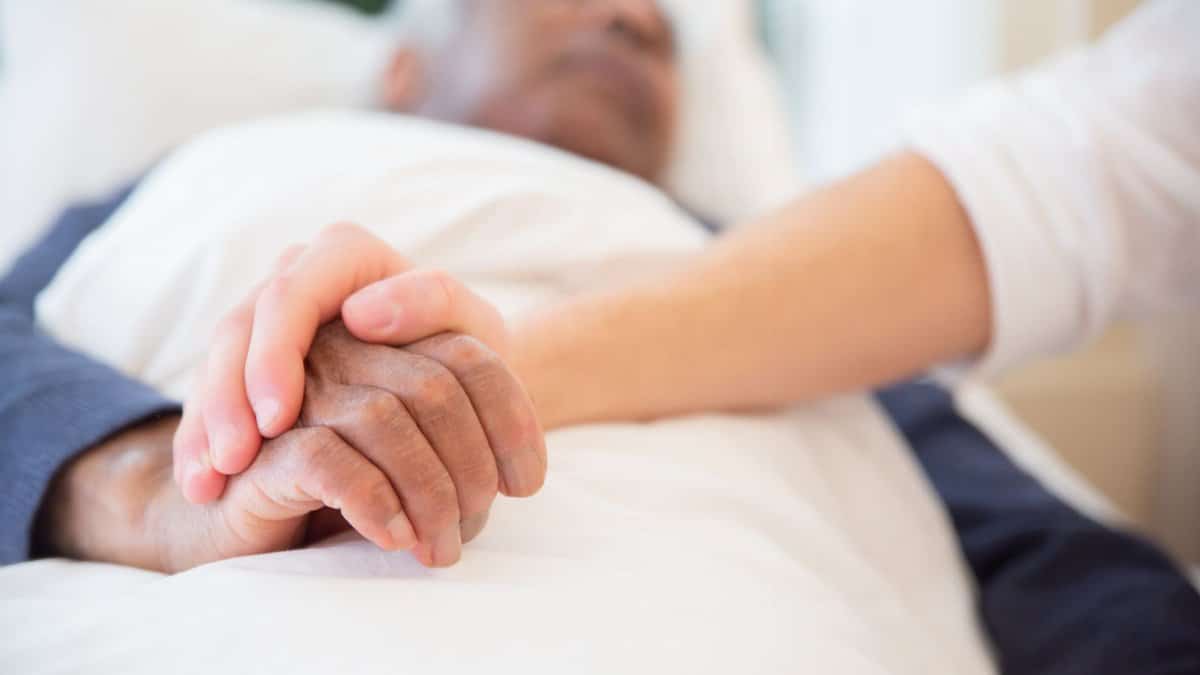
There is a civic dimension here that does not require grand language. Vaccination protects the person who receives it and, to a degree, the people around them. Staying home protects coworkers who cannot afford another sick week. Checking on a neighbor who lives alone is not a medical intervention, but it can be the difference between a managed fever and a crisis discovered too late. Communities that kept those habits after the hardest pandemic years are better prepared for an ordinary, if early, flu season.
What state leaders are asking

The official request is not complicated. Get a flu shot. Keep sick children and sick adults out of group settings. Seek care when warning signs appear. Watch updates from county health officers as California early flu season 2026 develops. Clinics have been asked to make vaccine easy to find, including for people without a regular doctor.
Leaders have also stressed equity. Early access should not depend on a flexible job, a car, or English fluency. Mobile clinics, evening hours, and multilingual information matter as much as the science of the vaccine itself. A season that starts in September will expose gaps in access faster than a season that starts after the holidays, when some outreach campaigns are already underway.
A season measured in ordinary choices
No one can script the rest of the winter from a September waiting room. Influenza remains unpredictable. What can be scripted is preparation. California early flu season 2026 has given the state a head start that is easy to waste. Households that treat the early rise as a prompt, rather than as background noise, will meet November with fewer regrets.
The line outside that Sacramento clinic will move. Appointments will open and fill. Some people will still get sick, because vaccines and caution are imperfect. Fewer of them need to get dangerously sick. That is the modest, serious goal of an early warning: not to frighten a state, but to give it time to act while time still helps.