
When the winds finally subsided after the latest storm swept through the region many residents in Florida found themselves facing not only damaged homes but also a wave of deceptive practices. One particular issue that has persisted is Florida hurricane fraud where unscrupulous individuals exploit the chaos to prey on vulnerable property owners. Reports from local authorities highlight how quickly these schemes emerge leaving families to navigate both repairs and legal troubles in the months that follow.
Recognizing Early Warning Signs in Damaged Neighborhoods
Homeowners often encounter solicitors arriving at their doors within days of a storm offering quick fixes at reduced rates. These visitors may lack proper licensing or insurance and pressure for immediate cash payments. Communities across the state have seen patterns where such approaches target those still assessing their losses.
Insurance Claims Targeted by Opportunistic Actors
Adjusters and public representatives sometimes inflate damage estimates to secure larger payouts from which they take a cut. This practice burdens insurance systems and can lead to denied claims later when discrepancies surface. Families discover too late that their settlements fall short of actual needs.
Contractor Licensing Shortfalls Exposed After Storms
Many who advertise repair services operate without valid credentials from state boards. Checking references and verifying registrations through official channels becomes essential before signing any agreement. Delays in verification allow unqualified workers to complete substandard work that requires additional expense.
Relief Fund Imposters and Their Tactics
Fake aid organizations collect donations under the guise of helping storm victims while diverting funds to personal accounts. They use official sounding names and urgent appeals via phone or online platforms. Verification with established charities prevents resources from reaching unintended hands.
Legal Protections Available to Affected Residents
State laws provide avenues for reporting suspicious activity and seeking restitution through consumer protection offices. Filing complaints promptly preserves evidence and may halt ongoing operations. Legal aid societies offer guidance without upfront costs for qualifying individuals.
Community Networks That Share Reliable Information
Local groups and neighborhood associations compile lists of approved service providers based on prior experiences. These networks foster accountability and reduce isolation for those dealing with recovery alone. Participation strengthens collective defenses against repeated deceptions.
Longer Term Impacts on Property Values
Areas plagued by repeated instances of Florida hurricane fraud can experience slower rebounds in real estate markets. Buyers become wary of homes with histories of incomplete repairs funded through questionable means. Sustained vigilance supports broader economic stability.
Role of Media in Highlighting Persistent Issues

Investigative pieces from outlets such as the original source at https://www.tampabay.com/ bring attention to emerging patterns and successful prosecutions. Public awareness grows when stories detail both victim experiences and enforcement actions. Continued coverage encourages policy adjustments.
Prevention Strategies for Future Seasons
Preparation includes maintaining updated contact lists for licensed professionals and understanding policy details before disaster strikes. Workshops hosted by community centers provide practical tools for documentation and negotiation. Early education reduces vulnerability when events unfold.
Collaboration Between Agencies and Citizens
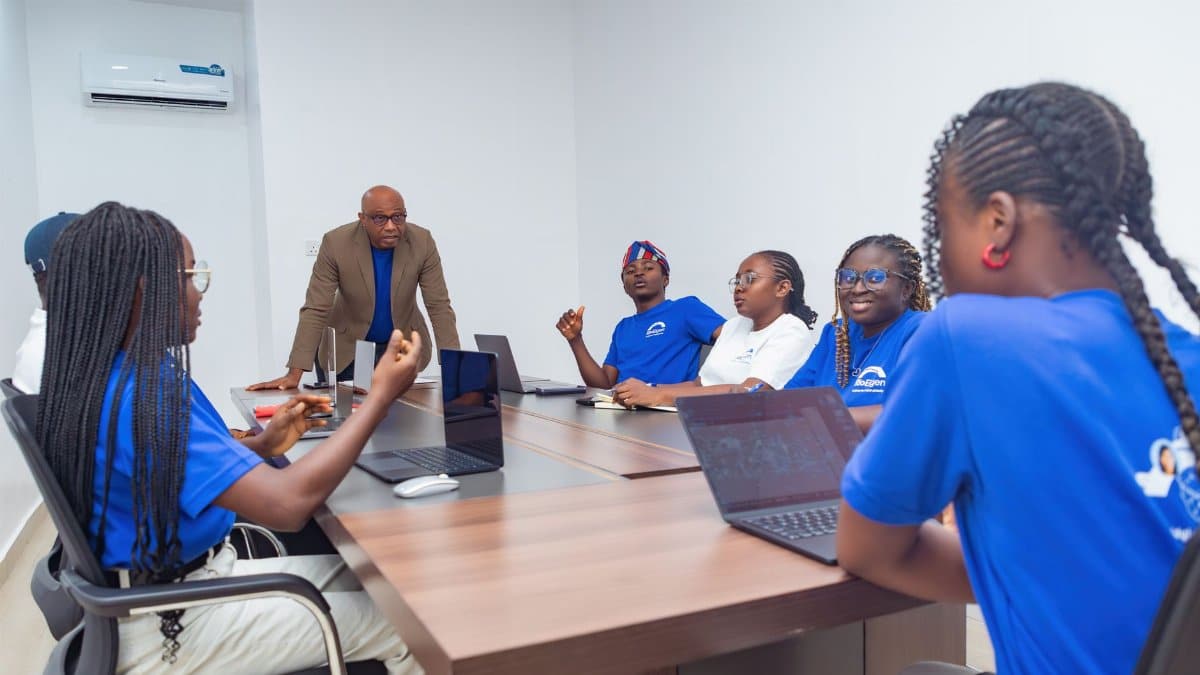
Law enforcement teams with insurance regulators to track repeat offenders across jurisdictions. Citizen tips often initiate investigations that lead to shutdowns of illicit operations. Joint efforts amplify the reach of limited resources dedicated to oversight.