
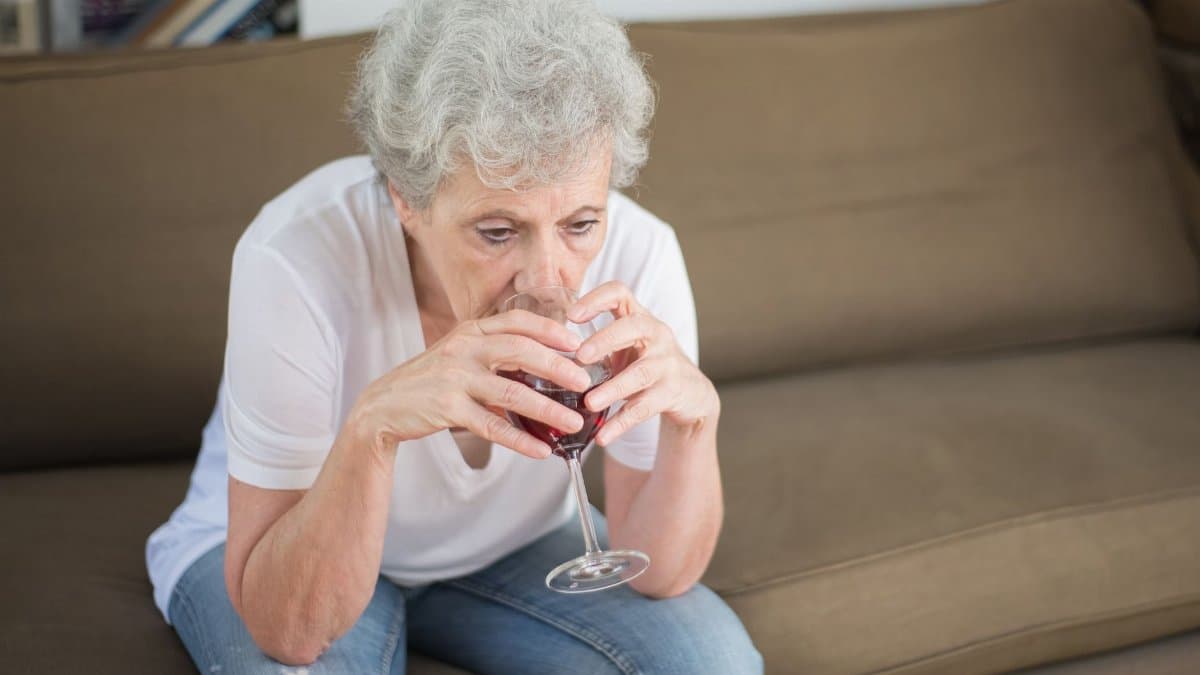
In recent years observers have noted a quiet transformation along the coastlines and urban centers of the region where vibrant bar scenes once defined evenings out. Patrons increasingly choose water or zero proof alternatives even on weekends when social gatherings peak. This evolution points directly to South Florida Drinking Decline as costs climb and awareness of wellness deepens across generations.
Economic Pressures Reshaping Nightlife Choices
Higher prices for spirits and mixed drinks have prompted many households to reconsider their budgets. A single evening of cocktails in popular districts can exceed previous monthly totals for some families. Restaurant owners report slower sales of premium bottles as inflation lingers on imported goods. Local distributors have adjusted inventories downward in response to these patterns.
Health Awareness Driving Behavioral Shifts
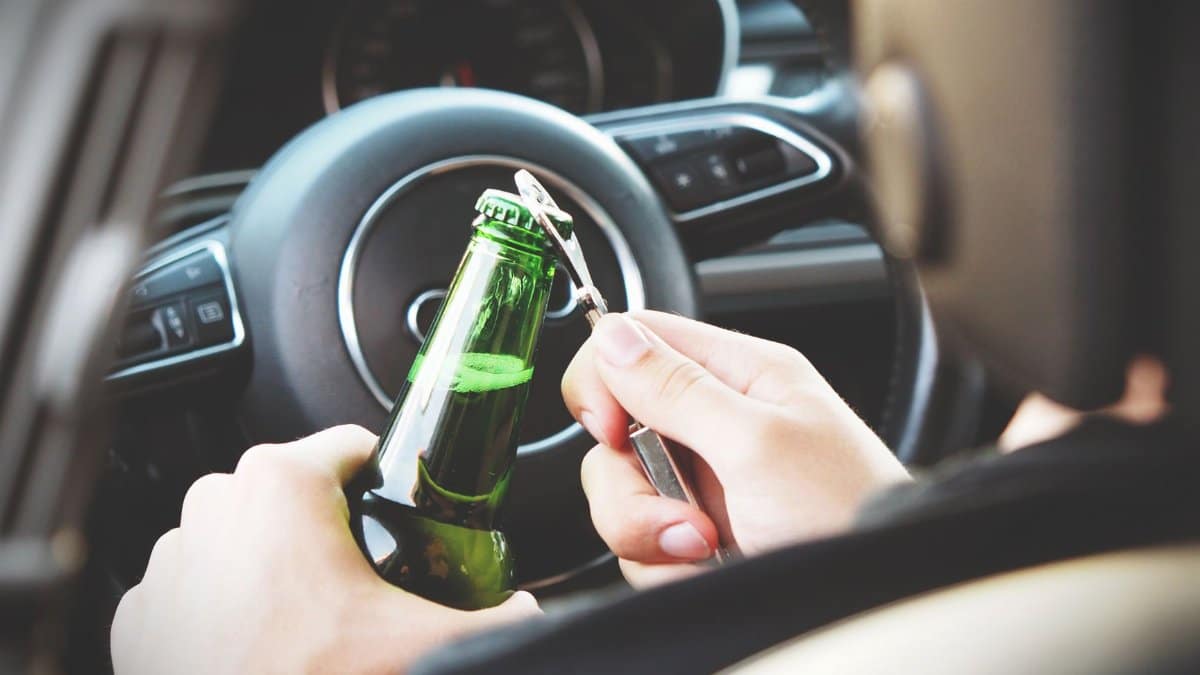
Middle aged adults increasingly cite medical guidance when limiting intake. Routine checkups now often include discussions about liver function and sleep quality tied to regular consumption. Community programs promote moderation through workshops that highlight long term vitality over temporary relaxation. Such education efforts appear to influence decisions more than in prior decades.
Restaurants Adapting Menus to New Preferences
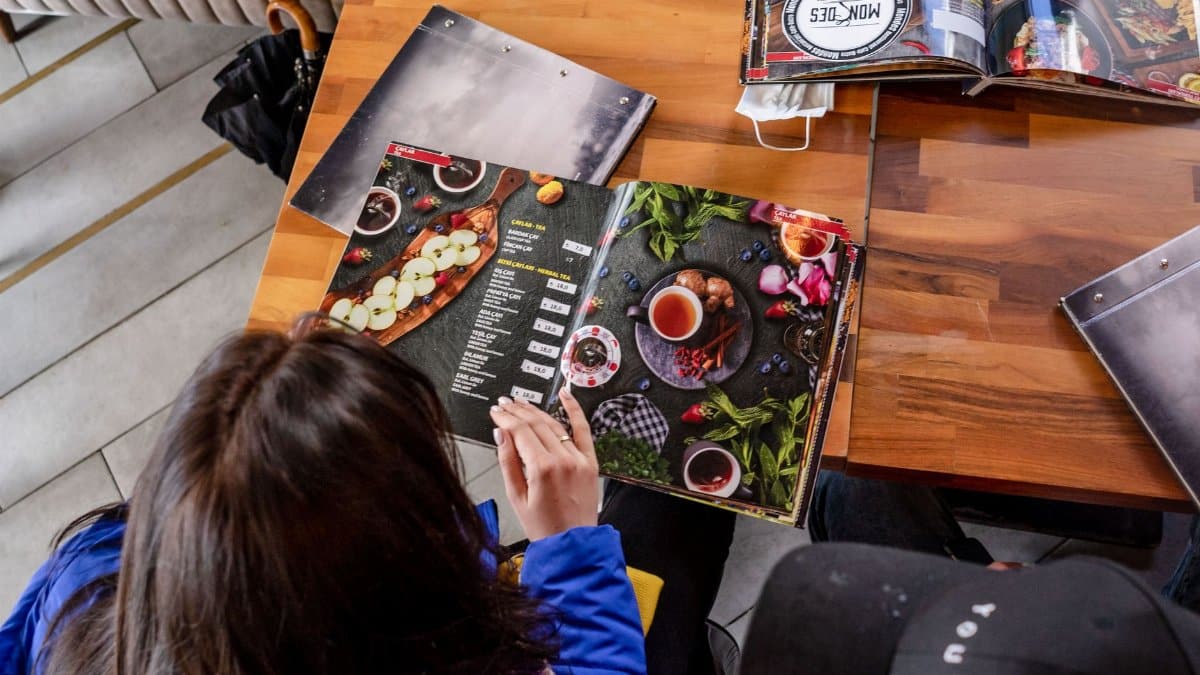
Establishments have expanded offerings of crafted sodas and botanical infusions to retain evening crowds. These additions allow venues to maintain revenue while accommodating guests who skip alcohol entirely. Some spots now feature entire sections dedicated to nonalcoholic pairings that complement entrees. Staff training emphasizes these options without pressure toward traditional pours.
Demographic Trends Among Longtime Residents
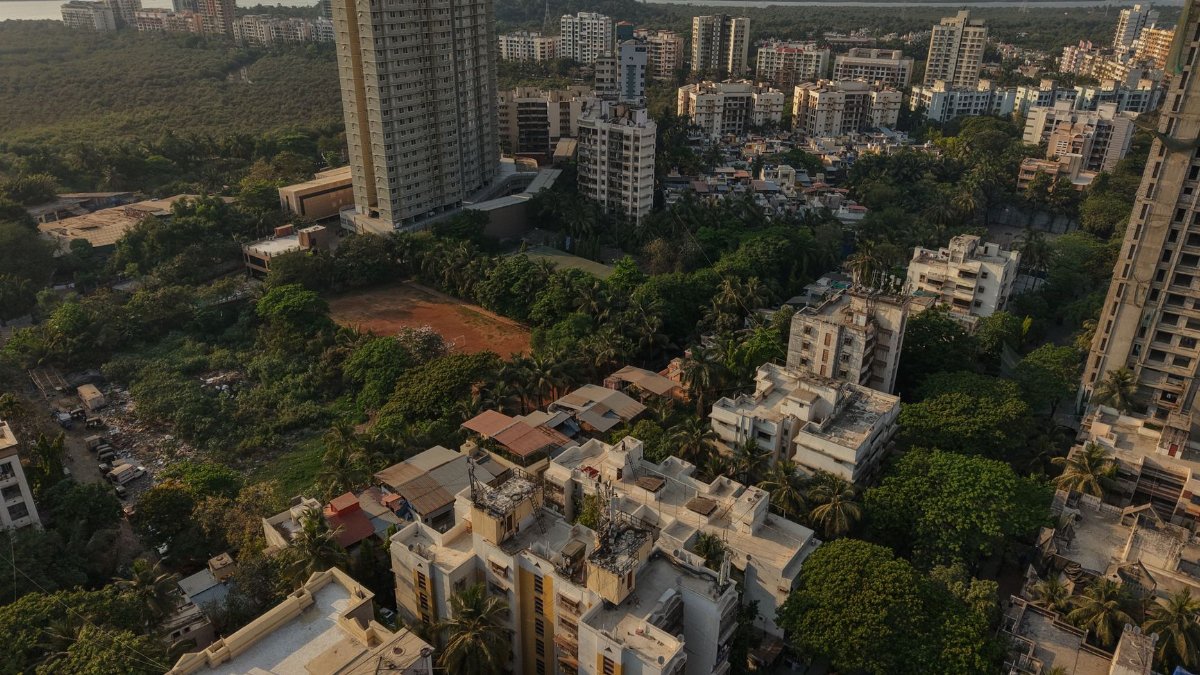
Data from regional health agencies show participation rates falling most sharply among those over forty. Younger newcomers sometimes maintain prior habits yet overall volume metrics continue downward. Families with children at home prioritize early bedtimes and clear mornings for activities. This generational pivot reinforces the momentum behind South Florida Drinking Decline.
Impact on Local Bar and Tavern Operations
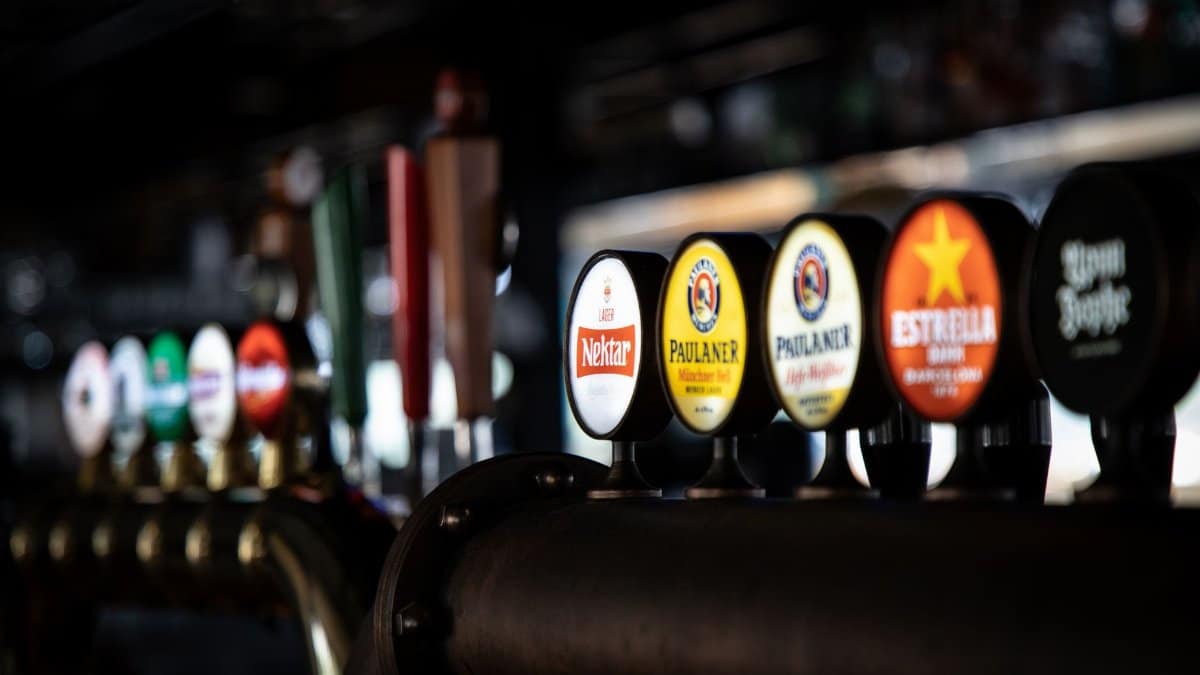
Smaller venues have shortened hours or consolidated locations to manage overhead amid thinner crowds. Live music events draw fewer drink orders even when attendance holds steady. Owners experiment with ticketed tastings that emphasize quality over quantity to stabilize income. Some have diversified into daytime coffee service or event rentals.
Comparison with National Patterns in Consumption

While similar moderation appears elsewhere the pace in coastal Florida stands out due to tourism influences and year round outdoor culture. National surveys indicate gradual drops but local reports reflect steeper adjustments. Analysts attribute part of the difference to elevated living expenses unique to the area. Broader media coverage has amplified these observations in recent coverage.
Role of Community Initiatives and Support Networks
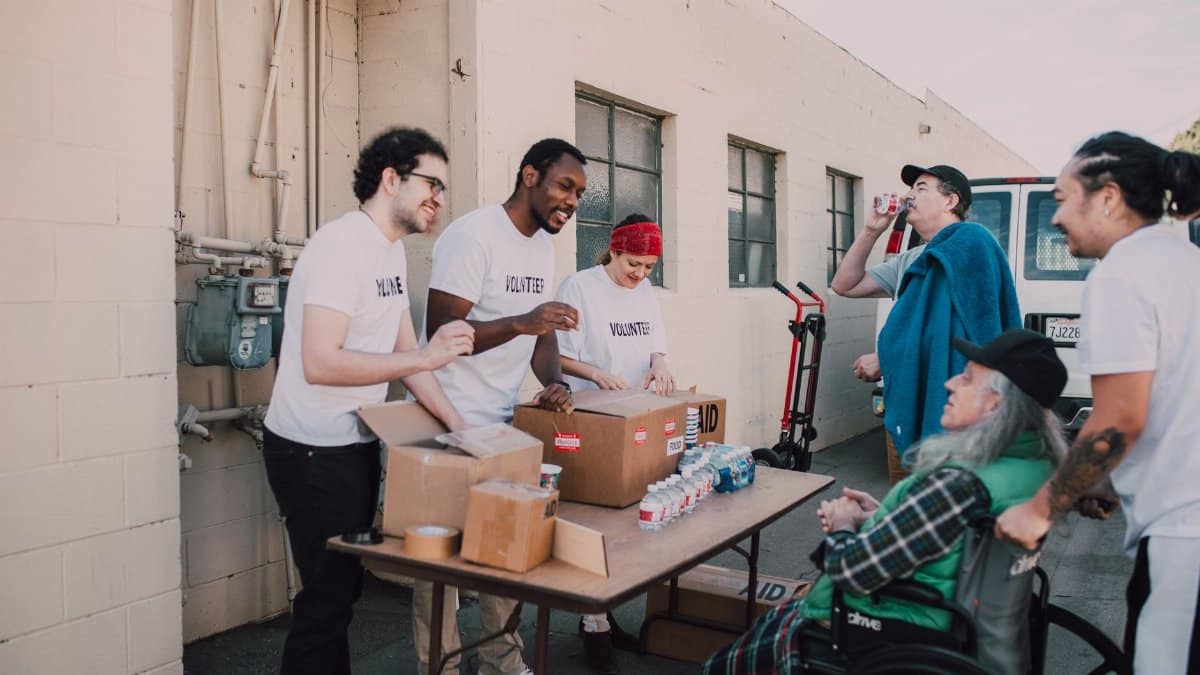
Wellness groups host sober social hours that build connections without reliance on alcohol. These gatherings gain traction through word of mouth and social platforms focused on active lifestyles. Participants often describe renewed energy for hobbies previously sidelined by weekend recovery. Local governments have begun promoting such events as part of public health outreach.
Future Outlook for Beverage Industry Stakeholders

Producers of low alcohol and zero proof lines see opportunity in expanded distribution here. Suppliers anticipate sustained demand growth for these categories over the next several years. Traditional breweries explore new formulations to align with evolving tastes. Market researchers project continued evolution rather than reversal in the near term.