

On a still morning in Fort Lauderdale, after a king tide has pulled back, the waterline on a garage door tells a quieter story than any hurricane headline. The stain sits higher than it did a decade ago. The homeowner has priced a set of barriers that would seal the openings before the next surge. Then the permit desk explains that a permanent wall may not be allowed on this lot. Florida flood panels, the kind sold as a lasting shield for doors and low windows, run into a thicket of floodplain rules that treat solid barriers as a risk to the house and to the street. The result is a peculiar standoff. Risk is rising. Some of the most intuitive protections remain off limits.
Why a simple wall is not a simple fix

Walk any coastal block after a storm and the wish is obvious. Close the openings. Keep the living room dry. Sell the fear with a product photo of aluminum plates and rubber seals. Engineers who work in flood zones hear that wish every week, and they do not dismiss it. Water through a door can ruin a kitchen in an hour. The trouble begins when a barrier is bolted in place and left there, season after season, as if the house had grown a new wall below the flood line.
Floodwater is not a puddle that waits politely at the threshold. It pushes, it floats debris, and it looks for the next opening down the block. A solid panel that saves one living room can send more force into a neighbor’s crawl space or into the street itself. That is the logic, repeated in local ordinances and in federal floodplain guidance, that turns a hardware purchase into a land use question.
What the rulebook is trying to protect

Communities that want their residents to buy federal flood insurance must adopt rules that match or exceed federal minimums. The Federal Emergency Management Agency explains those expectations on its public site at fema.gov. In the roughest coastal zones, the point of the rules is to let water pass under or through the lower level of a house rather than to dam it. Break away construction, open foundations, and limits on fill are not aesthetic preferences. They are attempts to keep a building from becoming a wall in a moving flood.
Permanent barriers sit awkwardly inside that idea. A panel system designed to stay up through every high tide can look, to a floodplain manager, like the very obstruction the code is written to avoid. Temporary shields that go up before a named storm and come down afterward sometimes fare better, but even those can fail a review if they are stored in a way that suggests they will become permanent, or if they lack an engineer stamp. The paperwork is not a courtesy. It is how a city stays inside the insurance program that many mortgages still require.
Insurance math that rarely shows up in the brochure

A barrier brochure talks about dry floors. An insurance file talks about how the house is built, how high the lowest floor sits, and whether an improvement counts as a substantial change. Homeowners who install unpermitted work can discover, after a claim, that the carrier treats the alteration as a problem rather than a virtue. In the National Flood Insurance Program, rates and eligibility turn on maps, elevations, and compliance. A panel that was never approved does not automatically become a discount. It can become a reason for a difficult conversation.
Private carriers, which have taken a larger share of Florida policies in recent years, write their own underwriting. Some will ask for elevation certificates. Some will ask whether openings below the flood line are meant to fail or to hold. The homeowner who assumed that any barrier is better than none can end up paying for a product, paying for a permit fight, and still paying a premium that reflects the map more than the hardware.
The water still has to go somewhere
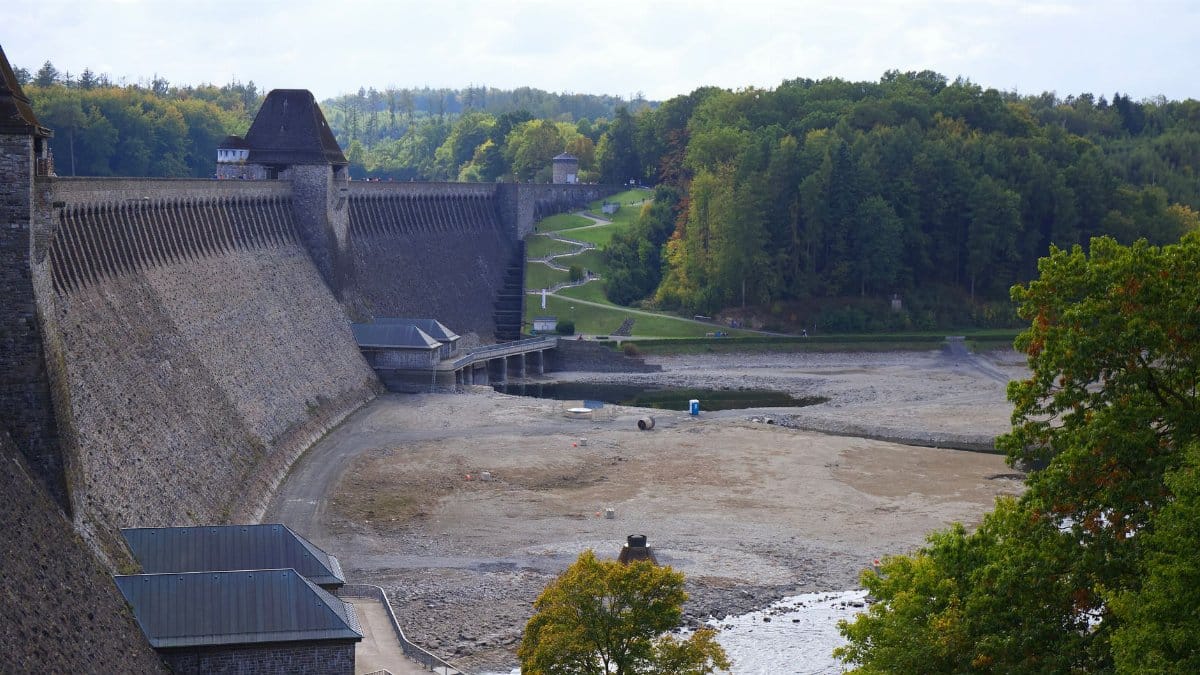
Street scale effects are easy to ignore from a single driveway. They are harder to ignore for a city engineer. If every house on a canal seals its lower level with a rigid wall, the flood that used to spread under pilings has fewer places to go. Velocity can rise. Debris can stack against the new faces. The house that held may shove the loss next door.
That neighbor problem is why many ordinances ban fill and solid walls in velocity zones and why reviewers flinch at do it yourself kits. The individual desire is reasonable. The cumulative effect is the thing the code is built to see. Florida flood panels marketed to one address still have to be judged as part of a shoreline, not as a private gadget.
What buyers are actually being sold

The market is not imaginary. Manufacturers offer plates, tracks, and gaskets sized for garage doors, sliders, and low windows. Some systems are engineered and tested. Some are closer to a catalog promise. Inspectors in South Florida say the difference matters, and so does the question of whether the product is meant to be deployed for hours or left in place for years.
A removable shield that a family can store and install with a clear plan is a different object from a permanent skirt around a house. Sales language often blurs that line. Permitting language does not. If the installation changes the way water meets the building, it is construction, and construction in a flood zone is regulated. Readers looking for how local reporting has framed that clash can start with the Miami Herald account at miamiherald.com, which tracks the same tension between products and rules.
The permitting maze, without the drama

A typical path starts with the flood zone on the property card, not with the product brochure. Zone designations tell a reviewer whether the lot is in a coastal high hazard area, a riverine area, or a shallower zone where the constraints differ. Elevation of the lowest floor, the presence of enclosures, and any prior permits all enter the file. Florida flood panels proposed as a lasting feature will be read against those facts.
Owners sometimes arrive with a contractor and a delivery date and leave with a request for sealed drawings. That request feels like delay. It is also the moment when a city decides whether the barrier will trap water, redirect it, or fail in a controlled way. Counties and cities do not all use the same forms, which adds friction for families who own houses in more than one jurisdiction. The standard underneath is more consistent than the paperwork: do not create a new dam on a lot that is supposed to let water move.
Elevation still asks more than most families planned

If permanent panels are a poor fit, the approved alternatives are rarely cheap. Raising a house, rebuilding an enclosure so that walls can break away, or adding flood vents that meet specifications can cost more than a set of plates. Grants exist in some places and vanish in others. A retired couple on a fixed income does not experience code compliance as an abstract public good. They experience it as a bid they cannot accept and a storm season they cannot pause.
That gap is the human center of the argument. Rules written to reduce community losses can, house by house, leave people with bad choices: stay noncompliant, sell, or spend money they do not have on work that satisfies a reviewer but does not feel like protection. Honesty about that gap is more useful than a slogan about resilience.
Cities walking a narrow line

Local governments are not free agents here. If they loosen rules below federal minimums, they risk the community standing that makes federal flood insurance available. If they enforce the rules strictly, they hear from residents who watched water enter a door that a panel might have sealed. Staff members describe the job as translation. They translate a map and a code section into a yes, a no, or a conditional approval that requires an engineer.
Some cities have tried to publish clearer guidance on temporary measures, storage, and what counts as a permanent improvement. Clear guidance does not erase the conflict. It does reduce the number of families who buy first and ask later. In a state where king tides now visit streets that stayed dry a generation ago, that sequence matters. The National Oceanic and Atmospheric Administration documents the broader rise in sea level that makes those tides more intrusive, including in its overview at oceanservice.noaa.gov.
A wetter map and a slower rulebook
Flood maps are updated, then argued over, then adopted. Building codes move on their own calendar. Product makers move faster than either. The mismatch is structural. A homeowner sees this year’s water. A regulator is still applying a standard written to keep an entire city insurable. Neither clock is wrong. They are simply not the same clock.
I have stood on enough Florida driveways, notebook damp at the edges, to know how unsatisfying that sounds when the drywall is already soft. The reporting task is still to describe the constraint accurately. Florida flood panels are not banned because officials enjoy saying no. They are constrained because a permanent barrier can conflict with the way flood codes ask buildings to meet moving water, and because insurance programs are built on those codes.
What is still allowed, and what to ask

None of this means a family is forbidden to prepare. Elevating utilities, maintaining required vents, choosing finishes that can dry, and planning a realistic evacuation still sit inside the rules. Temporary protection, when it is truly temporary and properly reviewed, is a different conversation from a wall that never comes down. The useful questions are plain. What zone is the house in? Will the barrier be permanent? Does an engineer have to seal the drawing? Will the work change an insurance file? What happens to the water if this opening is sealed and the house next door is not?
Those questions will not drain a street. They will keep a purchase from becoming a second problem. In a state where flood risk is no longer a rare headline, the mature public argument is not whether water is coming. It is which protections the rules can live with, which ones they will keep off limits, and how honestly we tell homeowners the difference before they spend the money.