
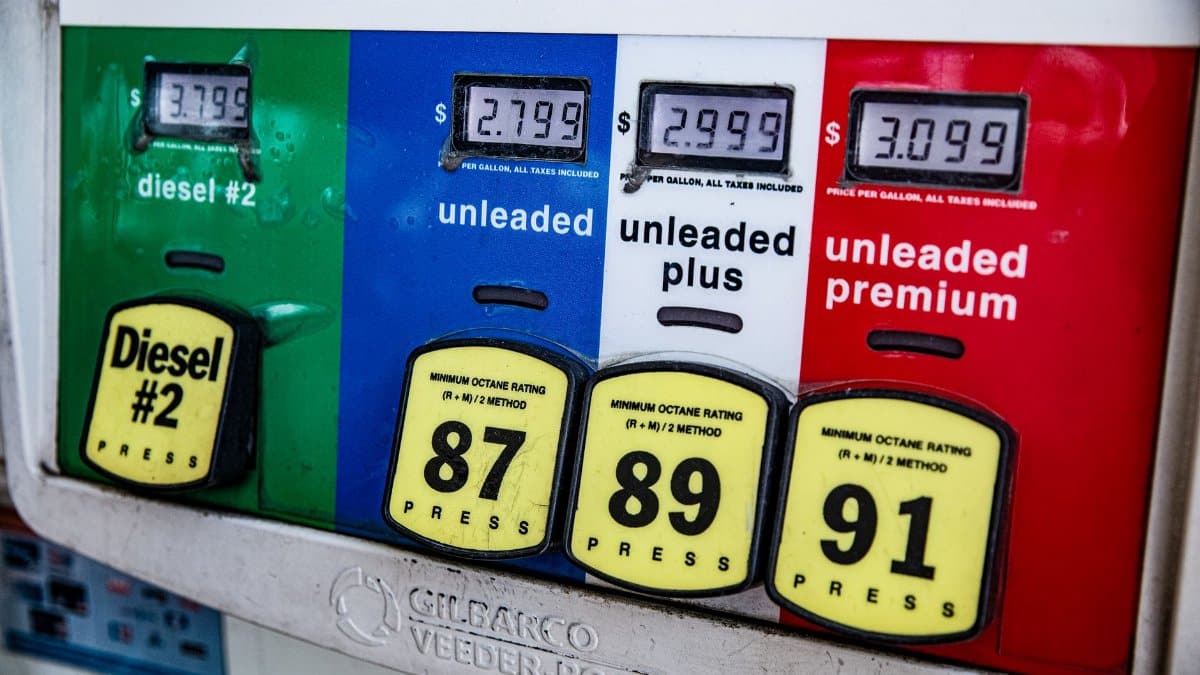
Recent reports highlight shifts in energy costs throughout the region. As summer travel peaks, drivers in various counties are noticing changes at the pump. Data from monitoring organizations show that Florida gas prices have climbed by several cents in recent days. This development affects residents in urban and coastal communities alike, prompting discussions about budgeting and travel plans. Observers note that such movements often trace back to supply chain adjustments and seasonal patterns that ripple outward from major refining hubs. Families planning weekend getaways or daily commutes must now recalibrate expectations amid these incremental adjustments. Broader economic indicators suggest the trend could persist into early autumn depending on global crude movements and domestic inventory reports.
Price Levels Across Miami Dade County

Current figures place average costs in Miami Dade around three dollars and forty two cents per gallon for regular unleaded. This marks an uptick from the prior week according to aggregated station data. Motorists filling larger tanks feel the difference most acutely during routine errands. Local stations report steady volume despite the shift with many customers opting for midgrade blends in search of better mileage.
Developments in Broward County Markets

Broward County shows parallel movement with averages reaching three dollars and thirty nine cents. Independent operators and major chains alike have posted similar revisions. Commuters traveling between Fort Lauderdale and surrounding suburbs encounter consistent pricing that supports predictable weekly expenses. Some outlets have introduced loyalty programs to retain volume amid the broader increase.
Conditions Reported in the Florida Keys

The Florida Keys present slightly elevated readings near three dollars and fifty one cents per gallon. Isolation from mainland supply routes contributes to this premium. Tourists renting vehicles for island exploration encounter these rates at limited outlets. Residents accustomed to ferry or bridge travel incorporate the added expense into seasonal budgets.
Statewide Patterns in Florida Gas Prices
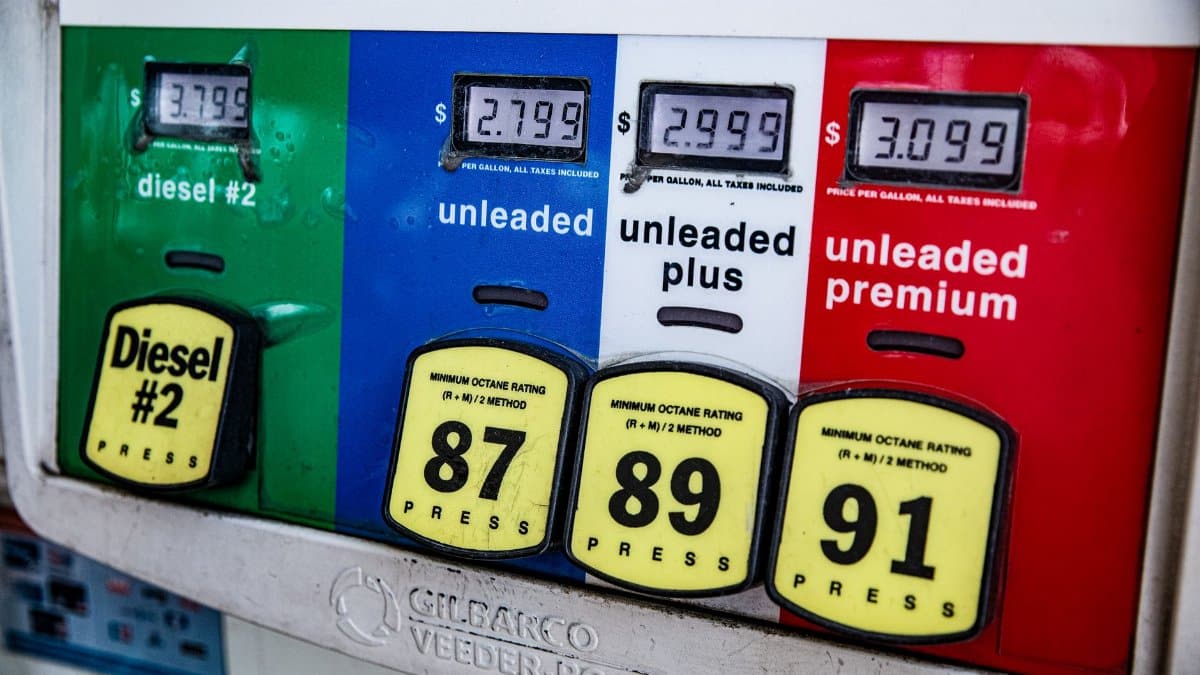
Across Florida gas prices reflect an average of three dollars and thirty seven cents. Northern and central areas trail southern counterparts by a few cents. This gradient influences long distance travel decisions for business and leisure. Analysts track these disparities through daily station surveys that feed into public dashboards.
Comparison With National Benchmarks

National averages hover near three dollars and twenty nine cents creating a modest gap with Florida readings. Coastal states often experience similar premiums due to distribution logistics. Inland regions benefit from shorter pipeline distances that moderate costs. Observers caution against direct comparisons without accounting for tax structures and regional demand.
Underlying Supply Influences

Refinery maintenance schedules in the Gulf region have trimmed output in recent weeks. Crude import volumes remain steady yet delivery timing affects spot prices at terminals. Weather disruptions further north have occasionally delayed barge traffic along inland waterways. These elements combine to exert upward pressure on retail margins.
Effects on Daily Commuters

Workers relying on personal vehicles for employment face recalculated fuel allowances. Public transit options see modest ridership gains as some switch modes. Ride sharing services adjust base rates to cover driver expenses. Households review vehicle maintenance schedules to maximize efficiency during higher cost periods.
Seasonal Demand From Tourism

Visitor arrivals during peak summer months sustain strong demand at highway adjacent stations. Rental fleets require frequent refills that amplify local consumption. Hotels and attractions report no significant dip in bookings tied to fuel costs. Marketing campaigns emphasize value packages that bundle lodging with activity credits.
Policy Measures Under Review

State officials monitor pump prices through weekly briefings with industry representatives. Discussions center on infrastructure investments that could ease future bottlenecks. Consumer advocacy groups call for greater transparency in pricing formulas. Legislative proposals occasionally surface around temporary tax adjustments though passage remains uncertain.
Outlook for Coming Months

Forecasters anticipate stabilization once refinery turnarounds conclude. Global crude benchmarks will continue guiding domestic trends. Drivers are advised to monitor regional reports for timely adjustments to travel plans. Inventory builds during shoulder seasons often provide relief at the retail level.