
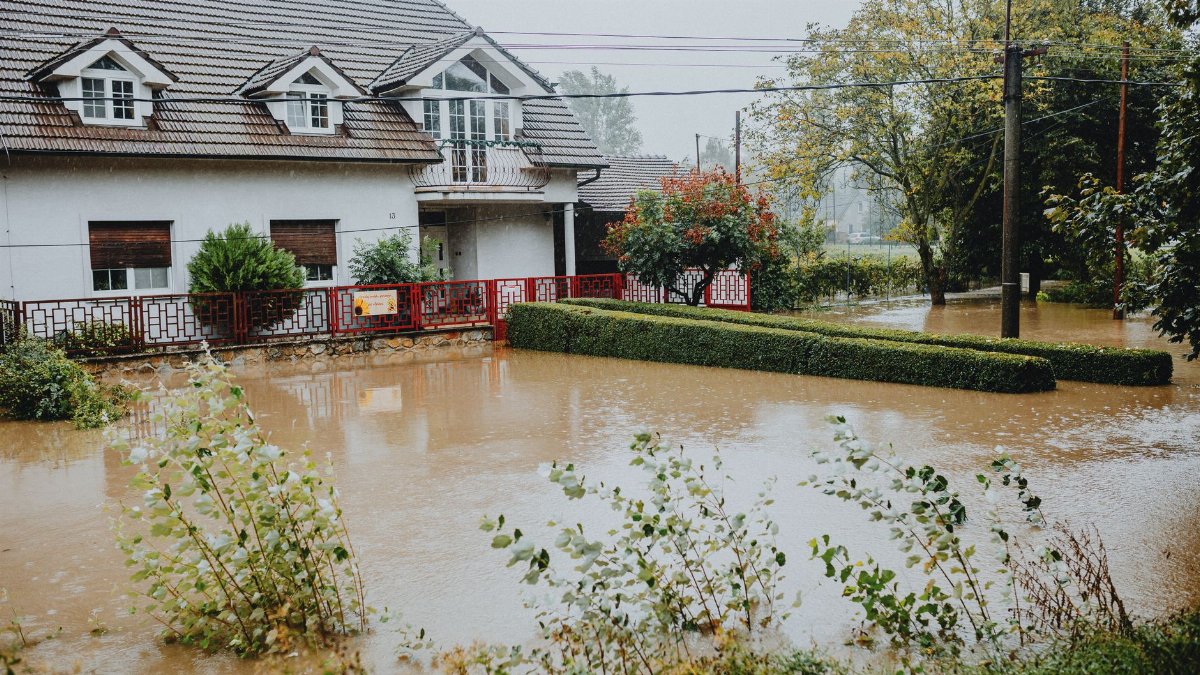
Water rose through street markets and hotel lanes on Thailand’s largest island resort before many kitchens had opened for breakfast. On October 26, 2026, heavy rain through the night turned ordinary roads into fast channels, and Phuket flash floods spread across neighborhoods that usually sell the idea of an easy shore. Shopkeepers lifted stock onto tables. Motorbikes stalled in brown water. By midmorning the pictures traveling off the island showed the same pattern in more than one district: drains overwhelmed, traffic halted, and people moving carefully where the pavement had disappeared.
A morning that arrived already flooded
The rain did not wait for a convenient hour. It fell hard while most of the island slept, then kept coming as the first light reached the Andaman coast. In a place built for arrivals and departures, the first disruption was practical. Alleys that serve as shortcuts became streams. Parking lots held standing water deep enough to reach a car door. Hotel staff who usually greet guests with towels and cold drinks instead watched the street and decided which entrances were still usable.
Flash flooding is a particular kind of shock. It is not the slow climb of a river over days. It is a sudden refusal by the ground to take any more water. On a compact island, that refusal shows up quickly. A drain that worked at dusk can fail before dawn. A lane that looked ordinary at midnight can be a channel by sunrise. Residents who have lived through other wet seasons recognized the signs, even if the timing still felt abrupt.
All three districts under one sky
Phuket is not a single town with a beach attached. The province is an island divided into three districts: Mueang, which includes Phuket City; Kathu, inland and hilly; and Thalang, stretching toward the north and the bridge to the mainland. Reports from that Monday described water in all three. The spread mattered. A storm that hits only a resort strip can be treated as a local inconvenience. Water across the civic center, the hills, and the northern towns suggests a wider failure of drainage under a single burst of rain.
Phuket City, the old commercial heart, is not the postcard that most visitors carry home. It has markets, government offices, bus routes, and dense housing. When water enters those streets, the damage is less scenic and more immediate. Goods spoil. Appointments are missed. People who do not own cars still have to reach work, school, or a clinic. The resort beaches may dominate the global image of the island, but the city is where a large share of daily life actually happens.
What the water did to ordinary streets
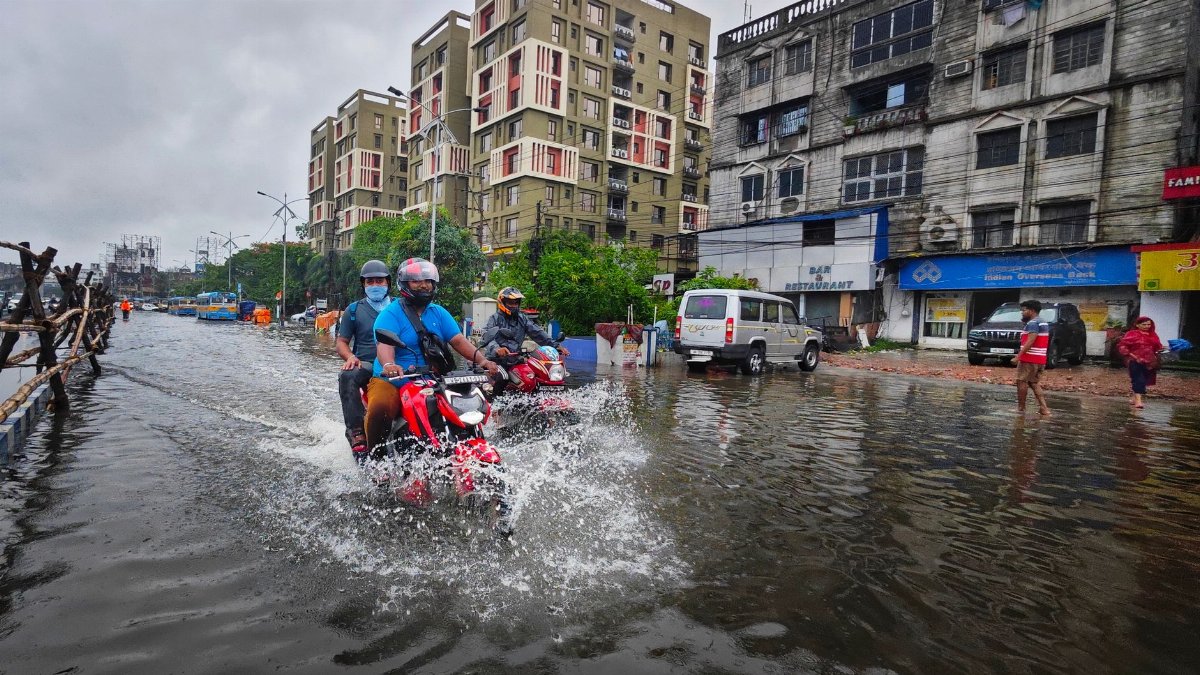
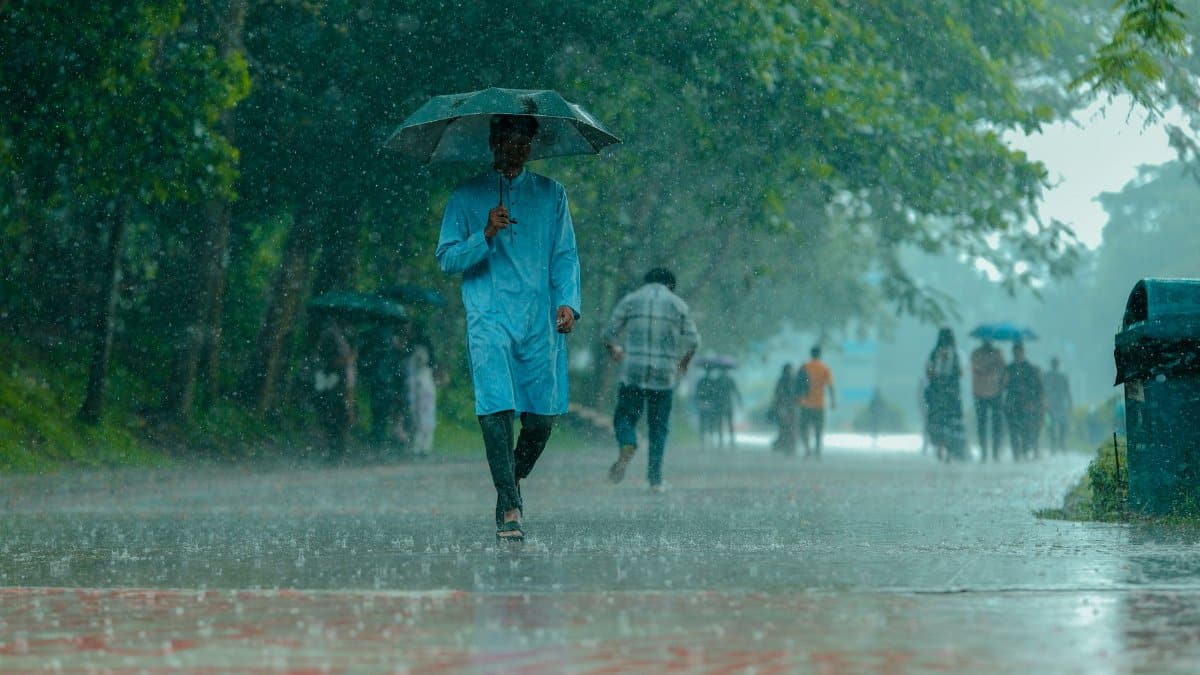
In neighborhoods accustomed to seasonal rain, the difference on this morning was speed and depth. Videos shared by residents showed water pushing along curbs and pooling at low corners. Some shops pulled metal shutters halfway down and kept trading from the dry side of the counter. Others closed. Motorbike riders, the ordinary traffic of Thai cities, turned back when the flow reached the engine. A stalled bike in moving water is not a minor delay. It is a loss of the tool that gets a person to a wage.
No casualties were reported as the water moved through. That fact should not be treated as a small detail. Flash floods injure and kill people in many countries precisely because the water looks passable until it is not. A quiet casualty count is the result people hope for, and it is also a reminder that luck and caution can matter as much as the forecast. Families checking on relatives by phone were doing the oldest kind of disaster work: confirming that someone was above the waterline.
Visitors stranded between lobby and shore
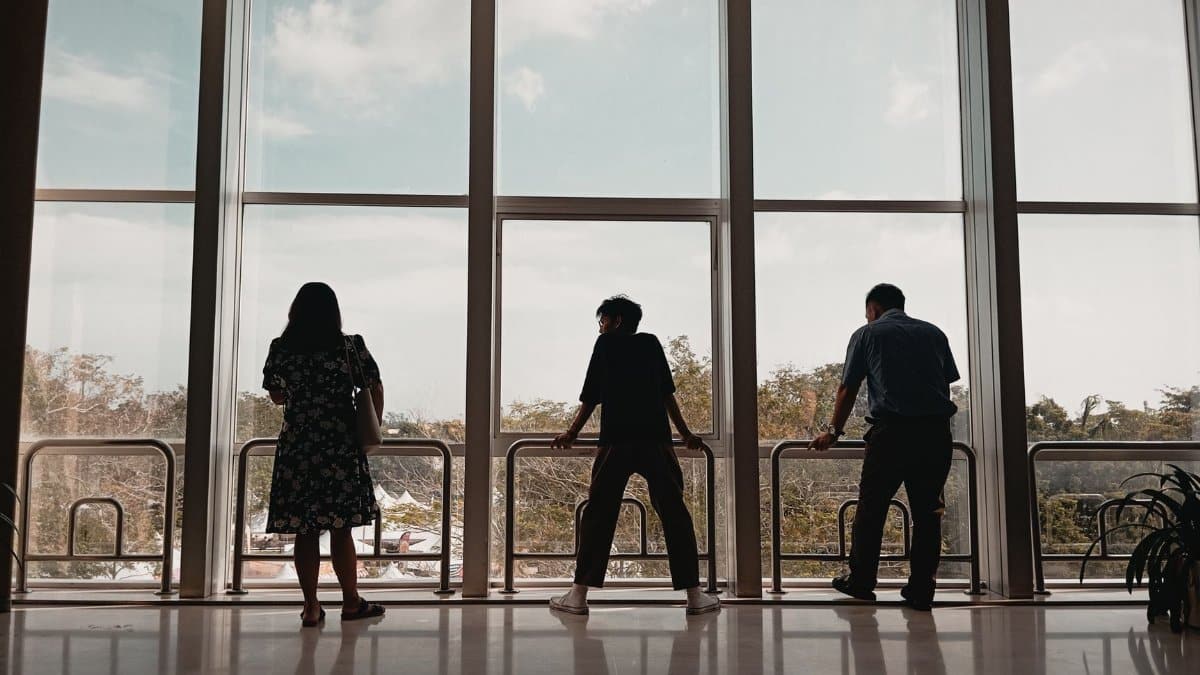
Phuket lives on movement. Planes land. Boats leave for nearby islands. Vans run loops between beaches. A flooded morning interrupts that machine without erasing it. Travelers who had planned a boat trip found the question shifted from weather at sea to whether the road to the pier was open. Others stood in lobbies with luggage and watched staff negotiate with drivers willing to try a higher route.
For a visitor, a flood can feel like a ruined day. For a worker who depends on that visitor, it is lost income. Tour guides, massage therapists, drivers, and restaurant crews often earn by the shift. When streets close, the loss is not abstract. It is a morning without fares and an evening with fewer tables. The island’s economy is resilient in the long run because people return, but resilience does not pay a landlord on the day the road disappears.
Why this island takes on water so fast
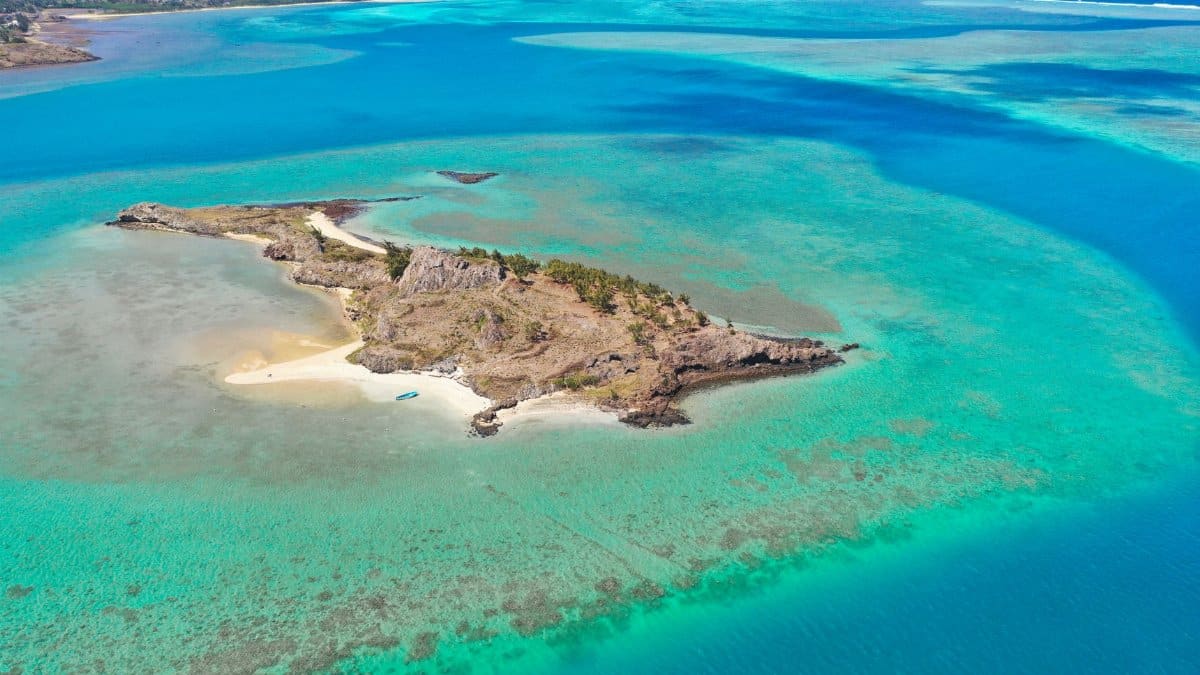
Geography explains part of the pattern. Phuket is a ridge of hills surrounded by sea, with towns pressed into valleys and coastal flats. Rain that falls on slopes runs downhill in a hurry. Where forest and soil once slowed that runoff, roads, roofs, and parking pads now send it onward. The island’s shape is well described in public references such as the overview of Phuket province, which notes the hilly interior and the concentration of settlement along lower ground.
Drainage systems built for a smaller city struggle when a resort economy paves more of the surface. A new condominium roof is a new tributary. A widened road can act as a river if the pipes beneath it are narrow, clogged, or simply older than the neighborhood above them. None of this requires a rare storm to become visible. It requires a hard night of rain in a place that has traded sponge for concrete.
The season that usually brings the rain
Thailand’s southwest monsoon typically wets the Andaman coast from roughly May into October, a rhythm described in standard accounts of the monsoon. By late October the season is often loosening its grip, which can make a fierce overnight burst feel especially unfair. People have begun to think about clearer weeks. Then the sky delivers a reminder that calendars are estimates.
Forecasters at the Thai Meteorological Department, whose public briefings appear through tmd.go.th, routinely warn of heavy rain in the south during this transition. A warning is not the same as a street level plan. Many residents hear the forecast and still have to decide whether to move a motorbike, close a shop, or send a child to school. The gap between a regional alert and a neighborhood drain is where most flood damage actually occurs.
Crews, pumps, and the work after the peak
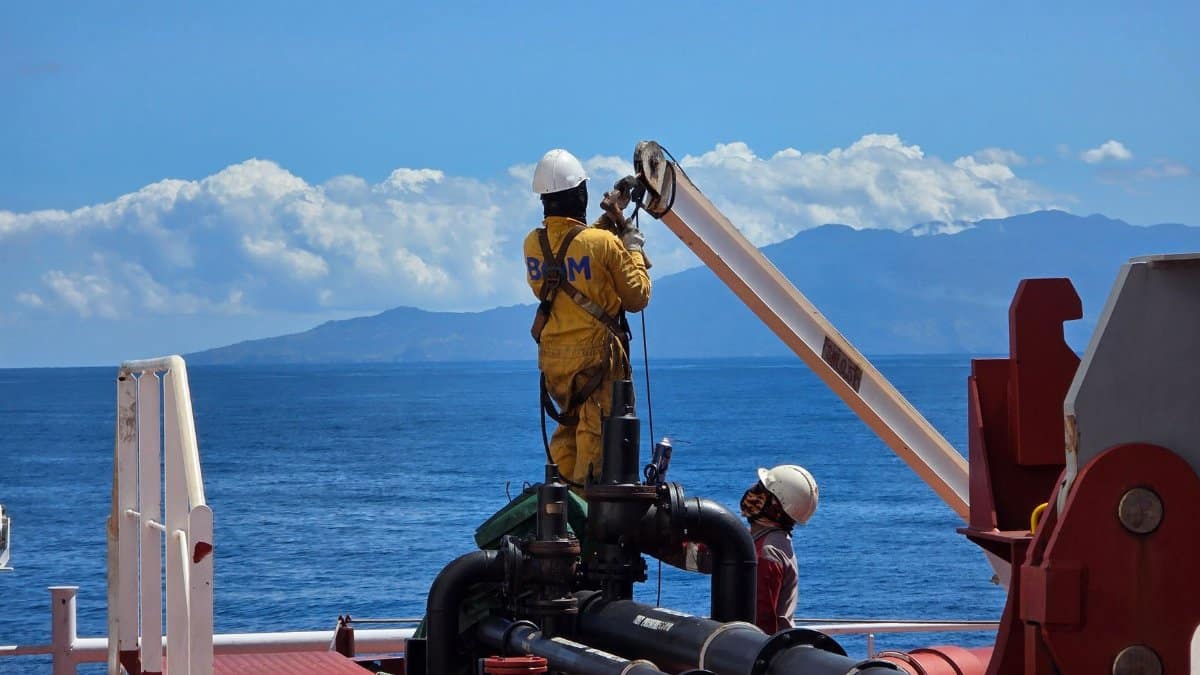
Once the heaviest rain eased, the labor shifted from watching water rise to pushing it out. Municipal crews in Thai cities typically answer these mornings with pumps, trucks, and teams who know which corners flood first. Sandbags appear at shop doors. Traffic police redirect cars away from underpasses and low bends. Electricity crews look for lines that dipped into water. None of that work is glamorous, and little of it makes the international photograph. It is what determines whether a street reopens by afternoon or stays closed into the next day.
Cleanup starts before the water is gone. Market vendors salvage what they can, rinse floors, and calculate what cannot be sold. Hotels assess lobbies and basement equipment. Residents in ground floor rooms move furniture up if they still have time. The phrase people use afterward is rarely dramatic. They talk about mud, about the smell, about a mattress that will not dry. Those details are the real inventory of a flood that did not take lives but still took things.
Faith, neighbors, and a wet offering
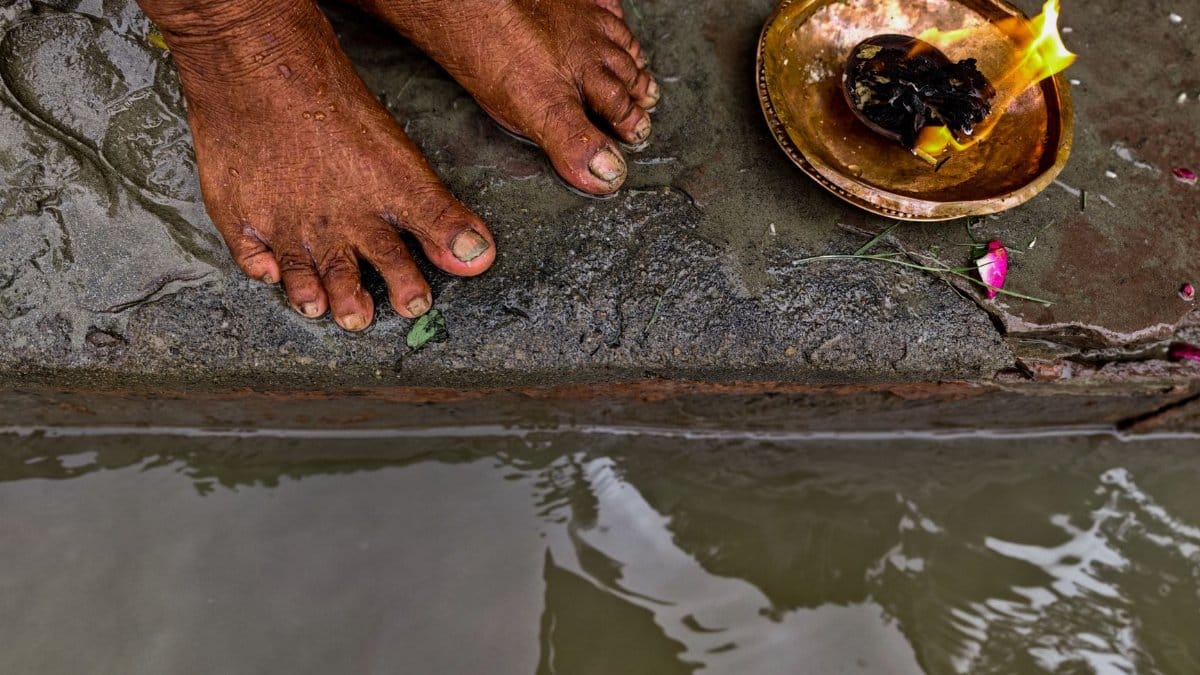
Phuket is a place of temples as well as beaches. Wat Chalong and smaller neighborhood wats sit in the mental map of the island alongside piers and markets. In Thailand, hard weather often sends people toward those courtyards, not because a shrine stops the rain, but because community has a address there. Neighbors share food. Monks receive alms when the lanes allow it. A flooded morning can become, later, a reason to make merit for those who lost stock or sleep.
That instinct is easy to romanticize from far away, and it should not be. Prayer does not replace a pump. A garland does not clear a blocked culvert. What the temple offers, when roads fail, is a known place to ask who needs help and to be seen doing so. In a news category that tracks spiritual life, the relevant fact is modest: belief here is practiced in public, and public life includes the weather. People do not choose between faith and practical aid. They often do both before the floor is dry.
Memory of other wet years
Islanders carry a private archive of storms. Older residents remember nights when the old town smelled of mud for days, and younger ones remember viral clips from more recent seasons when tourist streets turned into canals. Each event gets compared with the last. Was the water higher near the market. Did the northern road close. Did the airport road stay open. Those comparisons are a kind of local science, imperfect but grounded in lived measurement.
The Phuket flash floods of this October will enter that archive whether or not they rank among the worst. What people store is not only depth. They store whether help arrived, whether a warning was early enough, and whether a landlord or an employer treated the day as an emergency or as absenteeism. A flood becomes political in those small judgments, even when no one gives a speech.
The cost that does not show in a casualty count

A day with no reported deaths can still be expensive. Ruined inventory, damaged scooters, lost bookings, and overtime for cleanup rarely appear in the first international headline. Insurance, where it exists, moves slowly. Many small businesses on the island operate close to the margin and outside formal coverage. A crate of spoiled fruit is a private loss that no provincial total will capture.
There is also the cost of confidence. Travelers scanning news from home may postpone a trip after seeing brown water in a street they cannot name. The island then pays twice: once in the flood itself, and again in the hesitation that follows. Officials and hotel associations usually answer with reassurances that specific beaches have reopened. Those messages are fair when they are accurate. They are also incomplete if the civic streets that workers use remain difficult.
What a clearer afternoon still leaves unfinished

By the time the sun returns, the temptation is to treat the event as over. Water recedes. Photos stop circulating. Flights resume. The unfinished work is less visible. Drains need clearing before the next cell of rain. Low corners need a harder look from engineers, not only from shopkeepers with brooms. Building rules that allow more roof and less absorption deserve a public argument, not a shrug.
Residents already know the sequence. Rain, runoff, a morning of disruption, a claim that the system held because nobody died. Holding is not the same as being ready. Phuket flash floods will return in some future wet season because the hills, the sea, and the paved city will still meet. The useful question is how much warning, how much open ground, and how much neighborhood help stand between that rain and the next stalled morning.
An island that cannot pretend it is only a postcard

Phuket sells light on water. The honest picture includes the other water, the kind that arrives from above and refuses to leave on schedule. On October 26, 2026, that second picture moved through all three districts, including the city that keeps the island running. People lifted what they could. Crews went to the usual corners. No deaths were reported. The streets, for a while, belonged to the rain.
A feature from far away should not pretend to have stood in that water. It can still say what the morning revealed. A famous shore is also a set of drains, wages, temples, and decisions made before breakfast. When Phuket flash floods fill the lanes, the island looks less like a backdrop and more like a home under weather. That is the story worth keeping after the photos fade and the shops open again.