
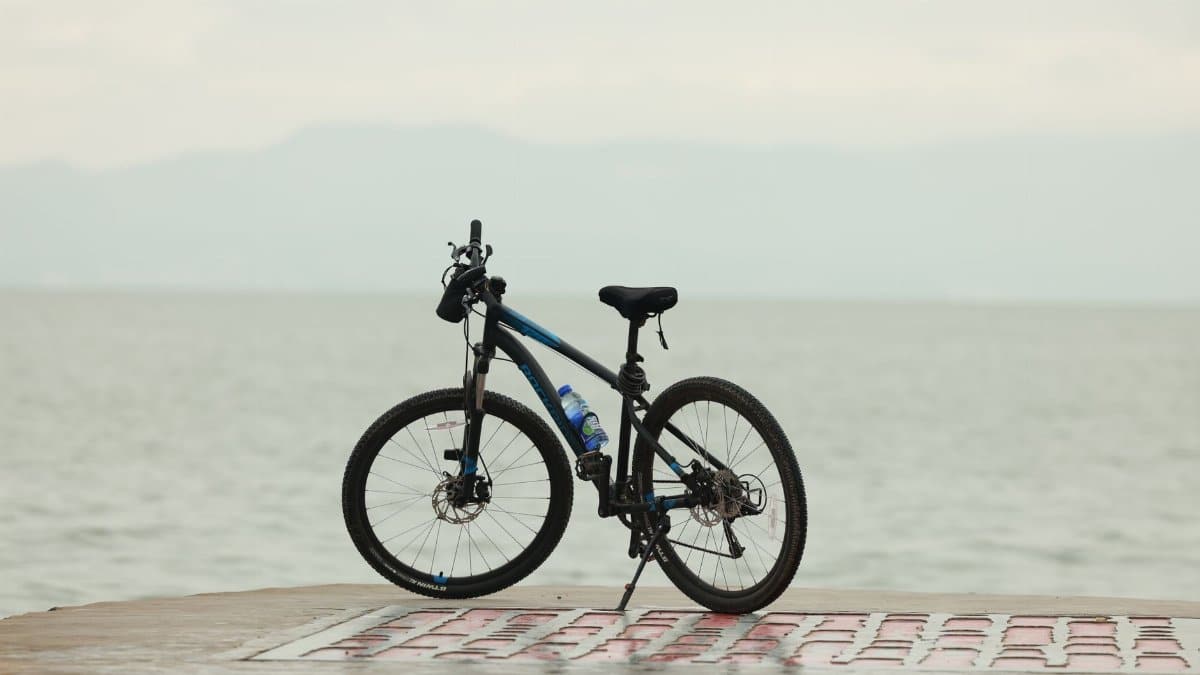
Amid the rugged expanse of the Rocky Mountains, cyclists of varying experience levels discover trails that wind through alpine meadows and dense forests. This setting draws enthusiasts seeking both challenge and natural beauty, making Colorado mountain biking a favored pursuit during the warmer months when snow has melted and paths open fully.
Durango offers historic routes with sweeping views
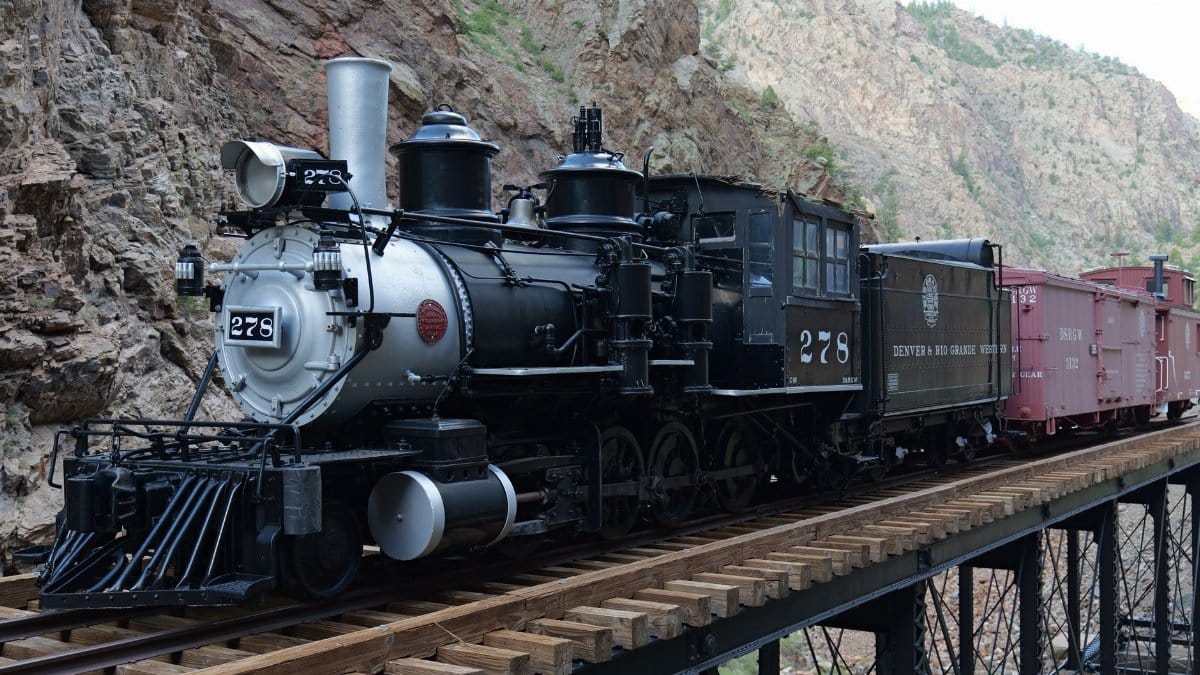
Trails around Durango provide a mix of gentle climbs and rapid descents suitable for intermediate riders. The area features paths that pass old mining sites and river corridors, allowing visitors to combine physical activity with glimpses of regional history. Many riders note the clear air and wildlife sightings that enhance each outing.
Crested Butte presents high alpine challenges
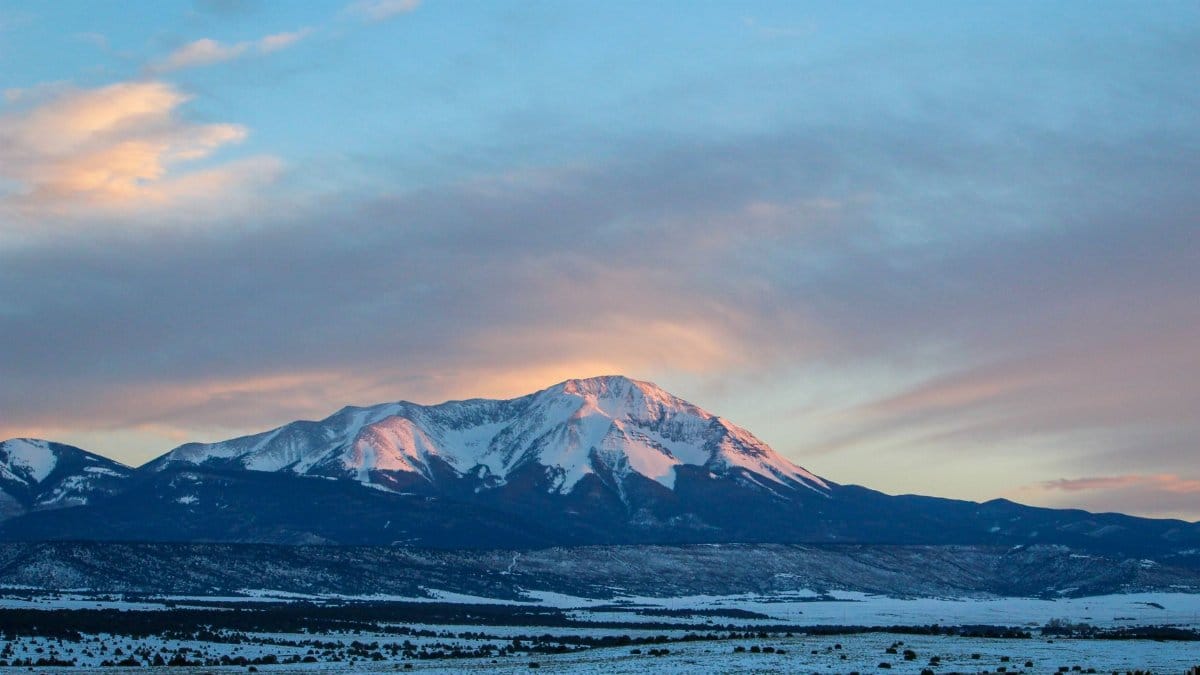
Those seeking steeper terrain head to Crested Butte where elevations reach above ten thousand feet. Singletrack here tests endurance while rewarding participants with panoramic vistas of wildflower fields. Local outfitters supply maps and advice tailored to current conditions on these demanding routes.
Fruita delivers desert style riding close to town
Fruita stands out for its network of slickrock paths that resemble those found farther west yet remain within Colorado borders. Riders appreciate the proximity to cafes and lodging after a day on the trails. The terrain suits both beginners and experts through varied loop options.
Salida combines river access with mountain paths
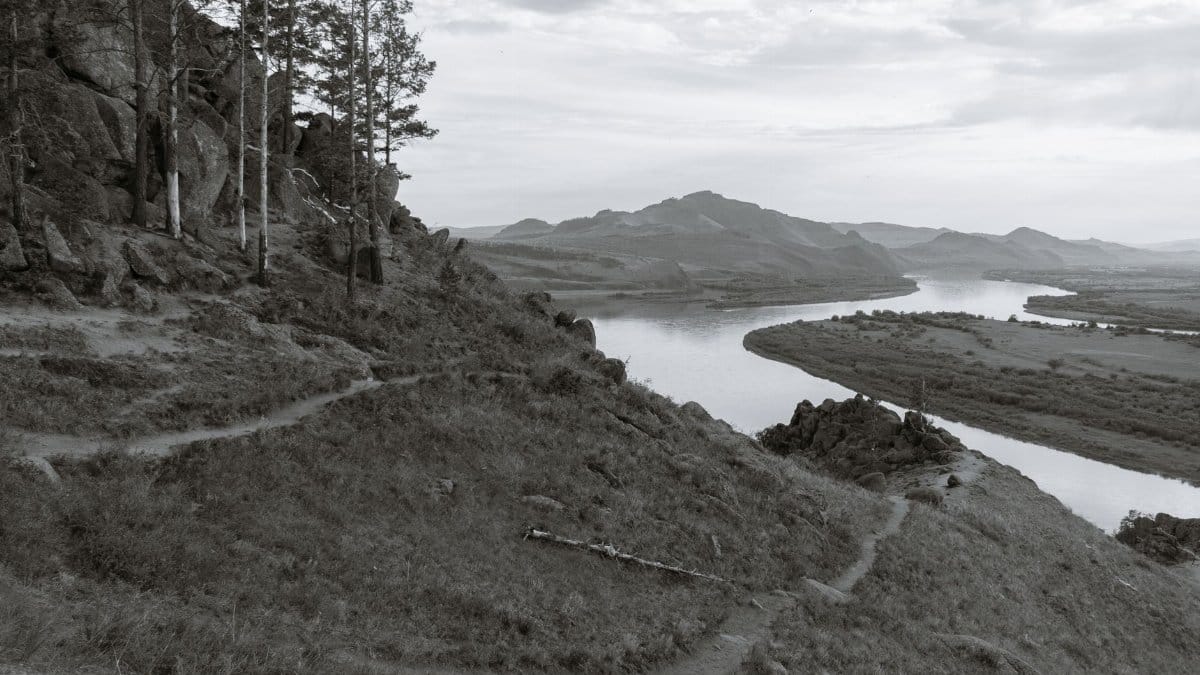
Salida attracts cyclists who enjoy finishing a ride with a dip in nearby waters. Its trails range from smooth fire roads to technical sections carved into hillside slopes. Summer festivals in the area often celebrate outdoor pursuits and draw additional visitors interested in Colorado mountain biking.
Winter Park focuses on family friendly options
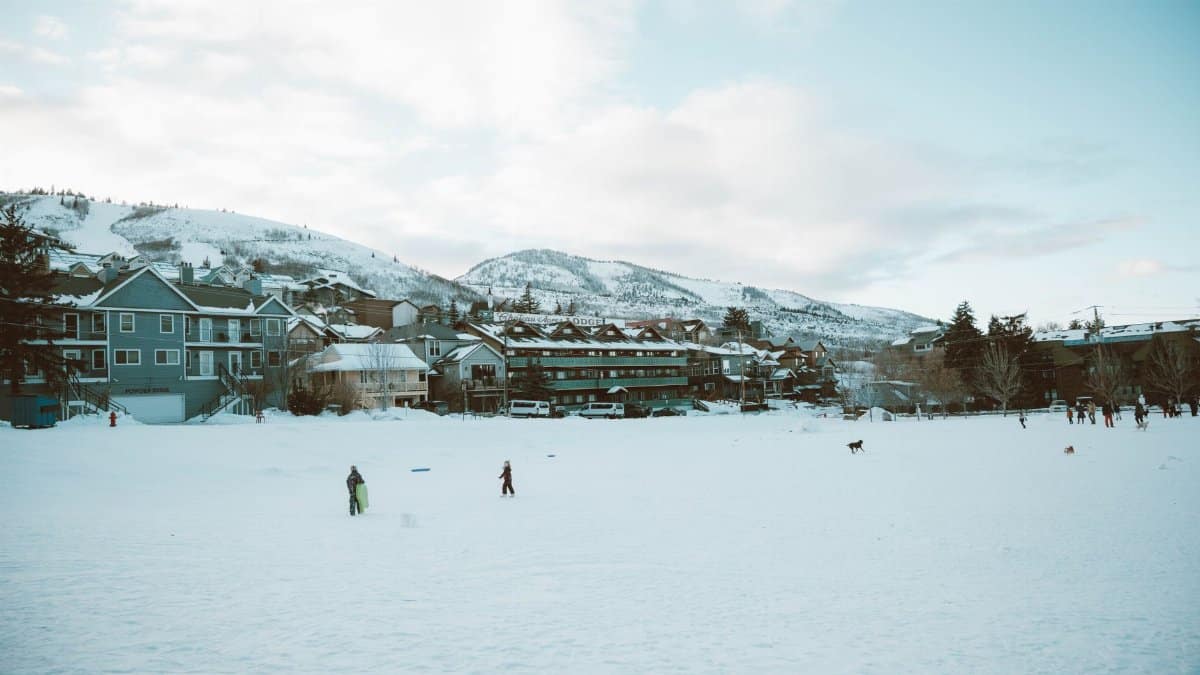
Winter Park maintains dedicated zones for newer riders alongside more advanced tracks. Lift served access reduces the effort needed to reach higher elevations and extends the length of downhill runs. This setup appeals to groups traveling with mixed skill levels.
Trail maintenance efforts sustain quality experiences
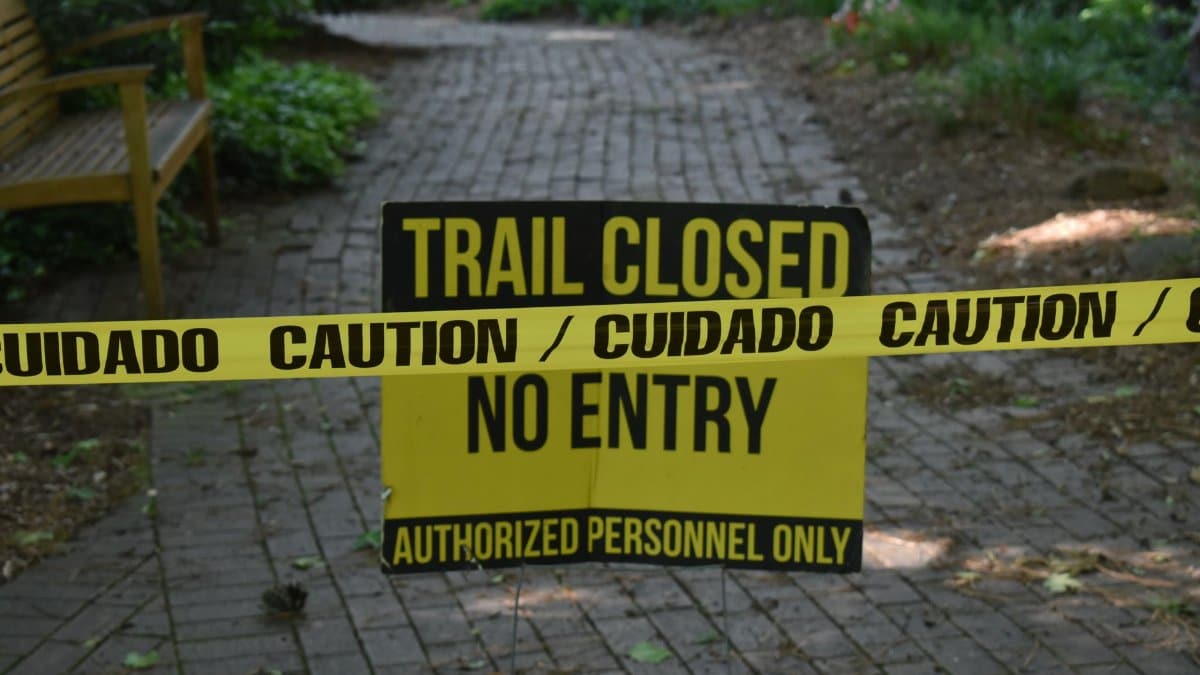
Volunteer crews work throughout the season to repair erosion and clear fallen trees from popular paths. Their contributions help preserve access for future seasons and maintain the reputation of Colorado mountain biking destinations. Funding from local tourism boards supports these ongoing projects.
Best periods align with summer weather patterns

Peak riding occurs from June through September when temperatures stay moderate and precipitation remains low. Early morning starts help avoid afternoon thunderstorms common in the Rockies. Checking forecasts ensures safer travel on exposed ridges.
Local communities support rider amenities
Shops in each destination stock rental bikes and repair services for those arriving without equipment. Restaurants cater to post ride appetites with hearty meals that replenish energy stores. This infrastructure encourages repeat visits from enthusiasts across the country.
Environmental practices protect fragile landscapes
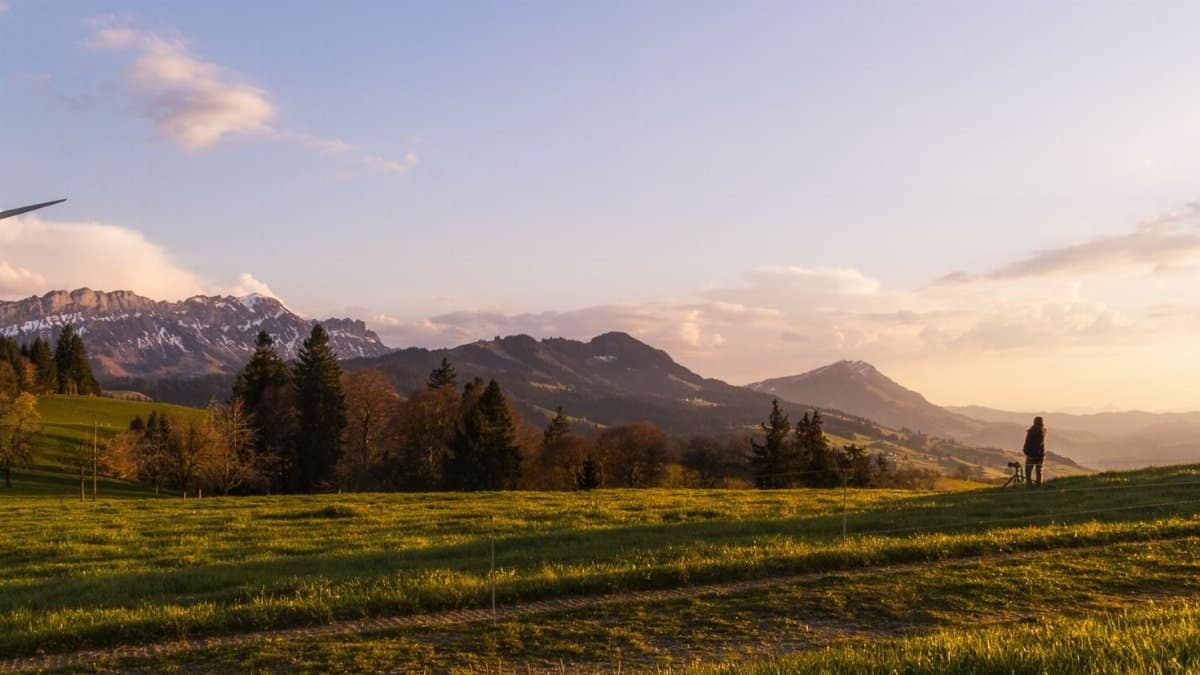
Riders follow guidelines to stay on marked trails and avoid disturbing vegetation in sensitive zones. Education programs at trailheads inform newcomers about wildlife habitats and water sources. Such measures allow continued enjoyment without degrading the natural settings that define these locations.