
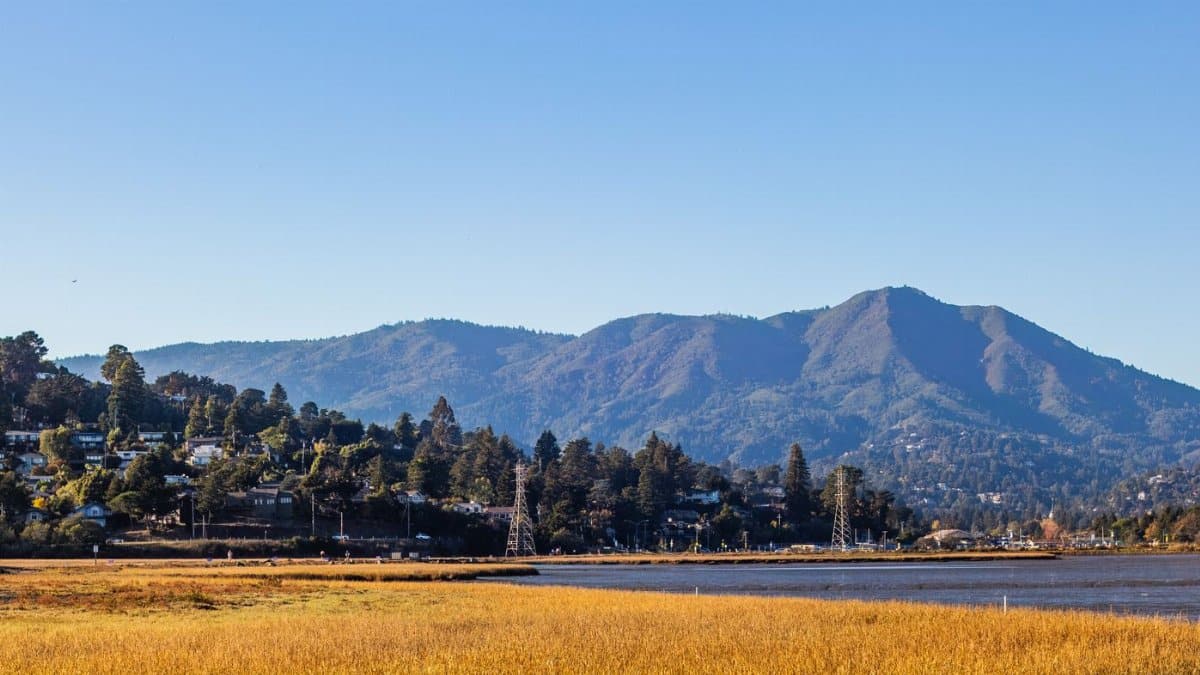
Saturday light reaches the bridges before most kitchen lights go off, and the first true fall weekend poses an old regional question. Will the sun hold through lunch, or will the ocean take the afternoon back? Forecasters are describing Bay Area fall weekend weather as a split account, with inland valleys running warm while the immediate coast stays milder and more changeable. Wine Country and the North Bay look like the warmest part of the map before a cooler Sunday pattern arrives. For people weighing markets, hikes, and late lunches, the distance between Saturday confidence and Sunday caution is the story that matters.
A sky that refuses one reading
Anyone who has lived here for more than a season knows that a single number rarely describes the region. A bright morning in the city can sit beside a hot afternoon in a valley only a short drive inland. This weekend follows that familiar logic. Sunshine is the headline, and readings in the 70s are the range most people will hear, yet the feel of the air will depend on which side of a ridge you stand on. The coast keeps a maritime temper. The interior keeps more of the leftover summer heat. That contrast is not a failure of the forecast. It is the forecast.
Readers who want the official map should start with the National Weather Service Bay Area office, which updates marine layer, wind, and temperature guidance through the day. Regional reporting from the San Francisco Chronicle has framed the weekend in the same broad terms: sun, warmth inland, and a cooler turn by Sunday.
Why Wine Country leads the warmth

Napa, Sonoma, and the broader North Bay sit far enough from the open ocean that daytime heating has more room to work. Vineyard rows, oak hills, and town squares can hold a pleasant warmth even when the Golden Gate is wrapped in gray. On a first fall weekend, that inland advantage often shows up as the most reliable sunshine and the most comfortable 70s, sometimes edging warmer in sheltered valleys where the breeze is light.
For visitors, the practical meaning is simple. A tasting room patio or a town square lunch is more likely to feel like late summer than like a raw coastal afternoon. Layers still belong in the car. Shade still matters in the middle of the day. But the North Bay is the part of the map where Saturday plans have the strongest weather argument behind them.
Sunday brings the cooler turn

The second half of the weekend is the caveat. A cooler Sunday pattern is expected to edge in, which usually means more cloud near the water, a fresher wind, and temperatures that step down from the Saturday peak. It does not automatically mean rain, and nothing in the broad setup requires people to cancel ordinary plans. It does mean that a table booked for an open deck, or a trail chosen for a long exposed climb, deserves a second look on Sunday morning.
Cooler, in this climate, is a relative word. A Sunday that feels brisk at Ocean Beach can still feel mild in Walnut Creek or Santa Rosa. The change is in the trend, not in a sudden winter. People who treat Saturday as the generous day and Sunday as the more modest day will read the weekend correctly.
City streets and a thinner kind of sun
San Francisco, Daly City, and much of the Peninsula live closer to the marine thermostat. Even on a sunny fall Saturday, the light can look strong while the air stays softer than the inland forecast implies. A jacket that seems unnecessary at noon in the Mission can feel necessary by late afternoon near the water. Oakland and the inner East Bay often split the difference, warmer than the oceanfront and cooler than the far valleys.
That is why neighborhood plans work better than regional boasts. A farmers market in a sunny pocket can be lovely while a western neighborhood stays under a high gray sheet. The wise habit is to check the sky outside your own window, then check a forecast point close to where you are actually going. The city rewards that small act of attention more than almost any other American metro.
Fog, wind, and the marine layer
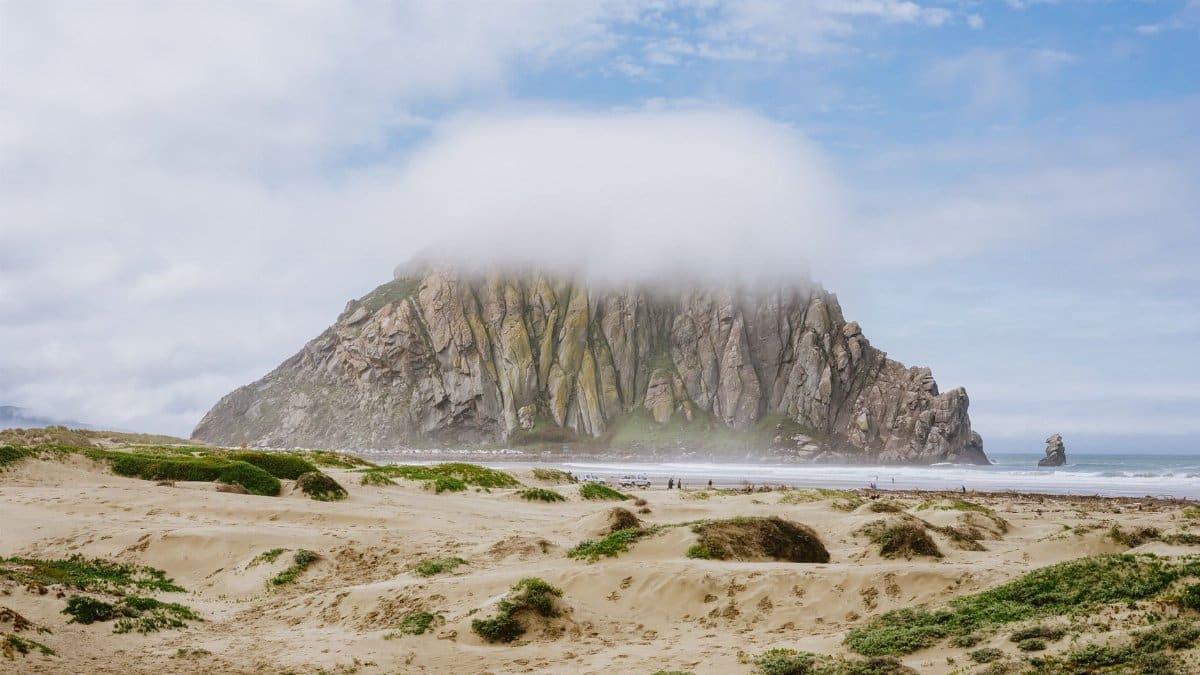
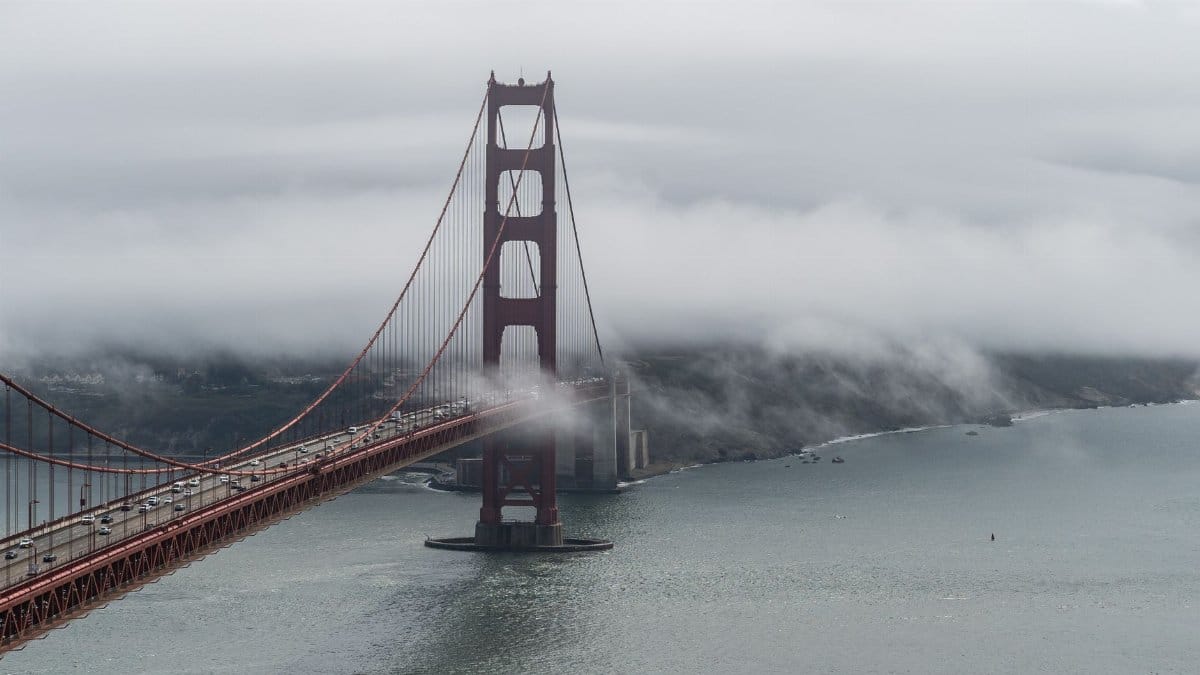
Fall here is not a clean break from summer. The marine layer remains the quiet character in the plot. It can sit offshore in the morning, push through gaps in the hills, and then retreat when inland heating is strong enough. Wind follows the same logic. A gentle breeze in a valley can become a sturdy onshore flow at the coast once the temperature contrast sharpens.
None of this requires drama. It requires respect for texture. Sunglasses and a light layer are not contradictory packing choices. A picnic blanket is still a good idea if the ground is dry and the wind is manageable. What fails is the assumption that fall means a uniform crispness from the Santa Cruz Mountains to the Carquinez Strait. The ocean has not left the conversation.
How to read Bay Area fall weekend weather without a single number
The phrase Bay Area fall weekend weather is useful only if it is treated as a range, not a promise. Sunshine and the 70s describe the center of the story. They do not describe every block. A good reading starts with three questions. Where am I relative to the coast? Am I planning the warmer Saturday or the cooler Sunday? Will I be in sun, wind, or both?
Those questions do more work than memorizing a high temperature. They also match how people actually live. A commute, a youth soccer game, a wedding photo on a bluff, and a quiet hour in a park do not share one ideal condition. The forecast is a set of tendencies. Judgment fills in the rest.
Trails, travel, and the outdoor calendar
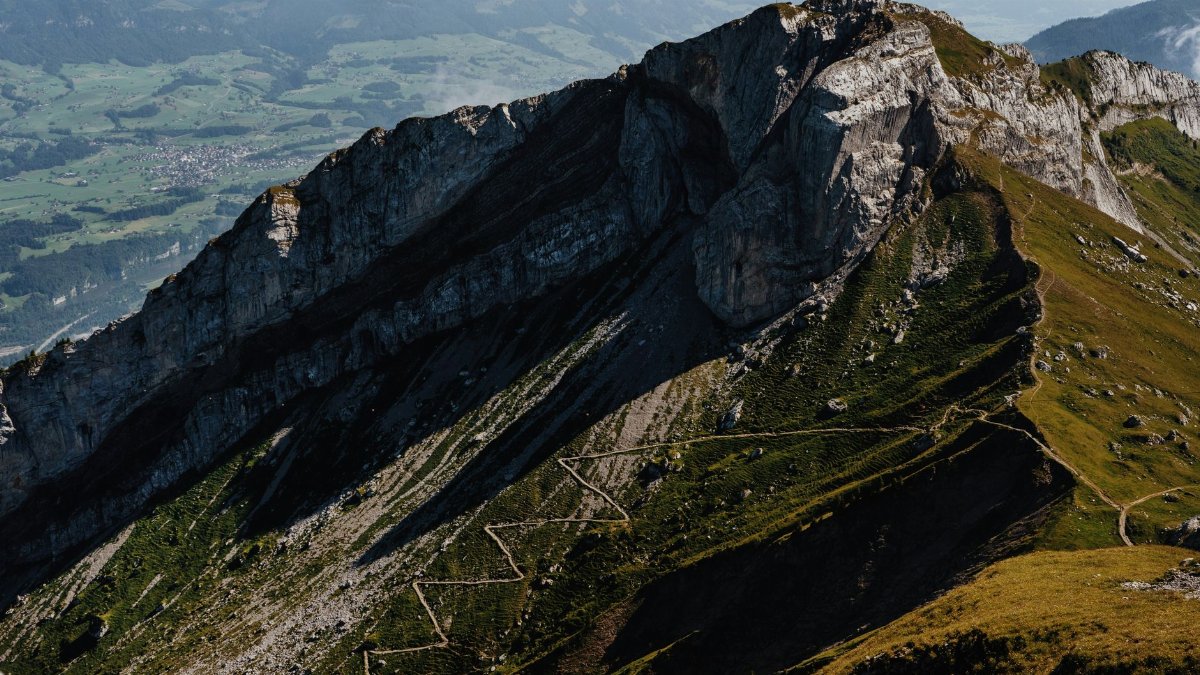
This is the weekend when many households reopen the outdoor calendar after the hottest stretch of the year. Trailheads in Marin and the East Bay hills are likely to look inviting, especially on Saturday, when sunshine and moderate warmth make a long walk feel earned rather than punishing. Wine country roads should be busy for the same reason. People have been waiting for a day that is warm enough for a patio and cool enough to leave the car without dread.
Travel timing still matters. An early start beats a late one if fog is lingering near the coast or if a popular lot fills by midmorning. Sunday drivers should expect a slightly less generous sky and should not treat Saturday conditions as a guarantee that repeats. Water, a hat, and a layer that can go in a bag cover most reasonable plans. The point is not to armor up for hardship. It is to stay comfortable when the microclimates change faster than the highway signs.
A seasonal mood that the thermometer only partly explains

Weather writing can sound purely practical, yet weekends like this also mark time. Congregations plan outdoor greetings. Families return to a familiar overlook. People who keep a quiet practice of walking, sitting, or simply noticing the light often treat the first fall weekend as a threshold. The air is not winter. The calendar has still turned.
There is no need to force poetry onto a forecast. The spiritual note, if it belongs anywhere, is in the pause the weather allows. A mild Saturday gives room for gathering without the strain of extreme heat. A cooler Sunday invites a slower close. Communities that measure the year by festivals, services, and shared meals will feel that shift even if they never open a weather app. The sky becomes part of the liturgy of ordinary life, whether or not anyone names it that way.
What the 70s do and do not promise
A weekend in the 70s sounds ideal because, for most bodies, it is. It is warm enough for short sleeves in the sun and cool enough that exertion does not immediately become a test. It photographs well. It sells restaurant seats. It also hides variation. Seventy degrees on a windy headland is not seventy degrees in a still valley at three in the afternoon. Sun on pavement stores heat. Shade under redwoods gives it back.
So the headline number is a courtesy, not a contract. If your plans are sensitive to wind, to a late marine push, or to a child who runs cold, build a small margin into the day. Leave earlier. Choose the inland option for Saturday warmth. Save the coastal walk for a window when the satellite picture looks clear. None of that is fussy. It is how people who know this shoreline have always negotiated with it.
Before you lock the door

A last check takes less time than finding the keys. Look at the National Weather Service point forecast for the exact town, not merely the regional summary. Glance at the hourly trend if Sunday is the day that carries your main plan. Notice wind as carefully as temperature. If you are crossing from the coast to Wine Country, expect the story to improve as you move inland on Saturday, and expect Sunday to shave some of that comfort away.
Bay Area fall weekend weather, taken at its best, is an invitation rather than a spectacle. Sunshine, a run of 70s, a warm North Bay, and a cooler Sunday are enough to shape a good two days if the plans are matched to the map. The region rarely offers a single perfect condition. It offers several, side by side, and asks you to choose with your eyes open.