
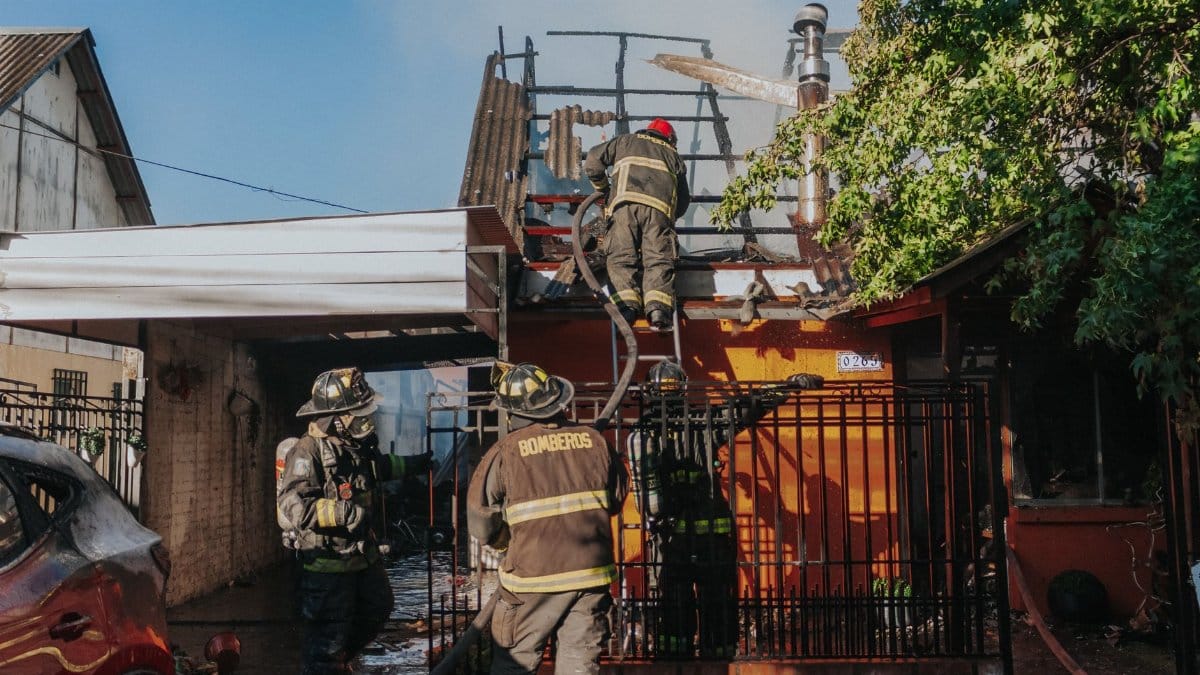
The sun rises over the expansive marshes of south Florida as teams of responders mobilize to address growing threats from uncontrolled flames. Residents in nearby areas watch with concern as smoke drifts across the horizon from multiple ignition points. The situation involving Everglades fires Homestead has become a focal point for emergency services working to protect both natural areas and human settlements from potential harm. Officials report that dry conditions and gusty winds have allowed the blazes to spread across thousands of acres within Everglades National Park boundaries close to the town of Homestead.
The Origins of These Blazes
Lightning strikes during recent storms ignited the pair of wildfires now drawing resources from multiple agencies. Park rangers noted that one fire began in a remote section of sawgrass prairie while the second emerged closer to the eastern boundary. Both events occurred without any sign of human involvement according to initial assessments from fire investigators. Such natural starts are common in the region yet the current scale has prompted heightened alerts.
Efforts to Bring the Fires Under Control
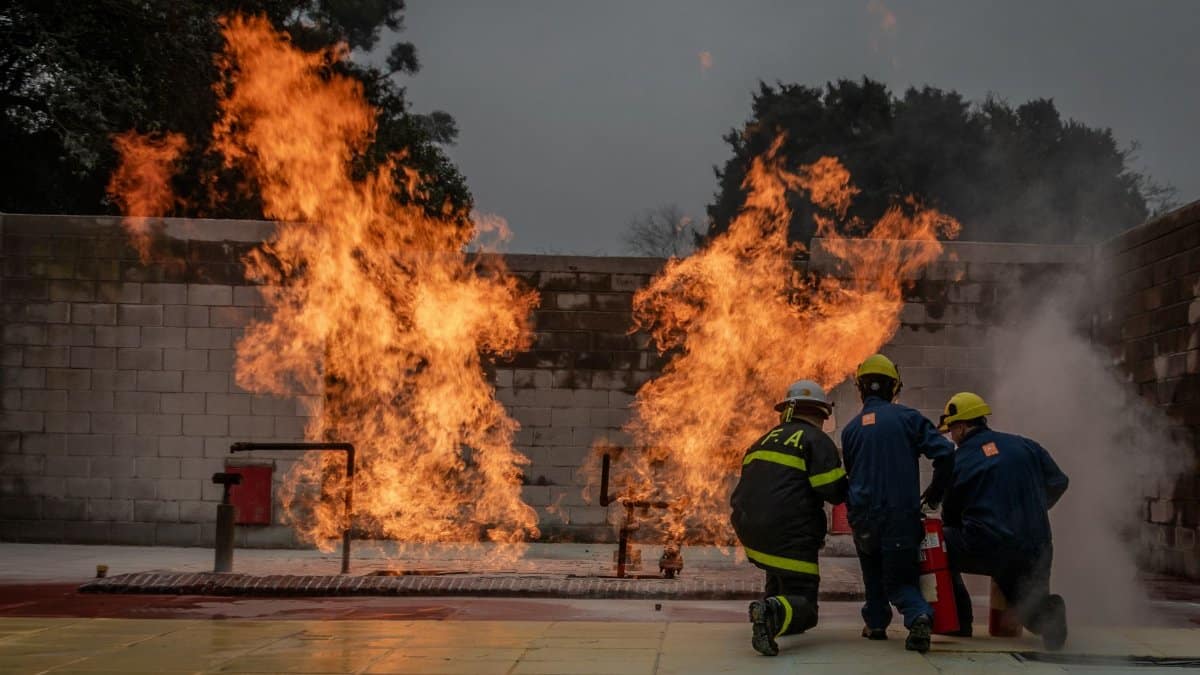
Fire crews have established containment lines using a combination of ground crews and aerial support. Helicopters drop water on hotspots while bulldozers create barriers to slow further advance. Progress varies with one blaze reaching partial containment while the other remains more active due to shifting winds. Daily briefings from incident commanders emphasize safety for all personnel involved in the operation.
Impact on Local Communities Around Homestead
Residents of Homestead have reported hazy skies and occasional ashfall on vehicles and homes. Schools in the area remain open yet some outdoor activities have been limited as a precaution. Local businesses note a slight dip in visitors wary of the air quality though no evacuations have been ordered at this stage. Community leaders coordinate with park officials to share updates through town meetings and social channels.
Effects on the Unique Everglades Ecosystem
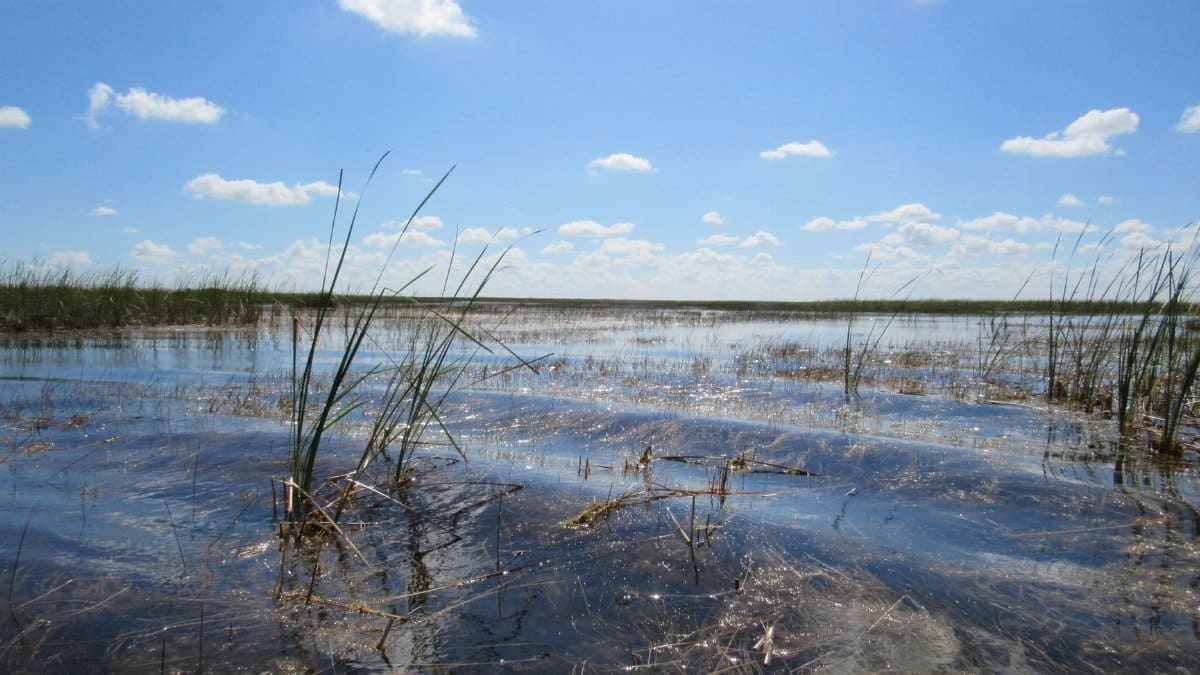
The wetlands support a delicate balance of plant and animal life that can suffer when fires burn too intensely or too often. Managers monitor water levels and vegetation recovery patterns in the wake of the current incidents. Past burns have sometimes led to renewed growth in certain species yet excessive heat can damage root systems in sensitive zones. Ongoing surveys will help determine the full scope of changes once the flames subside.
Historical Context of Fires in the Region
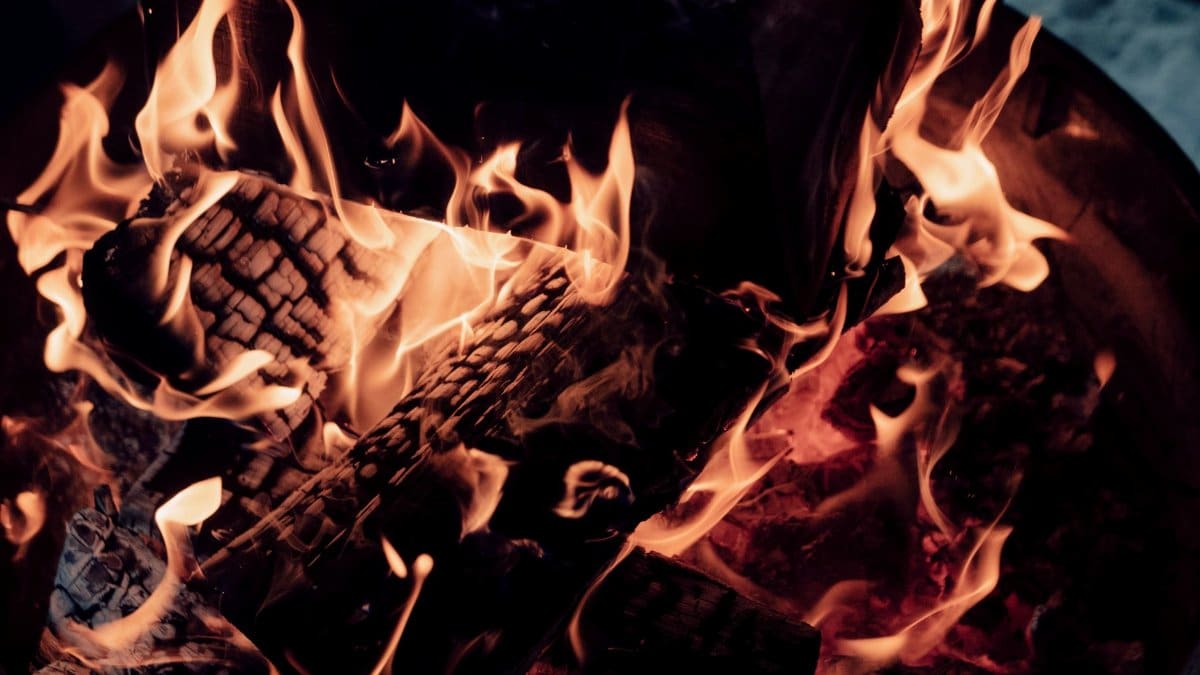
Records show that the Everglades have experienced periodic burning for centuries with many events tied to seasonal lightning. These cycles help shape the landscape by clearing underbrush and promoting biodiversity in the long run. Modern suppression tactics have altered some of those natural rhythms leading to denser fuel loads in places. Lessons from earlier large events guide current strategies for balancing protection and ecological needs.
Role of Weather and Climate Factors
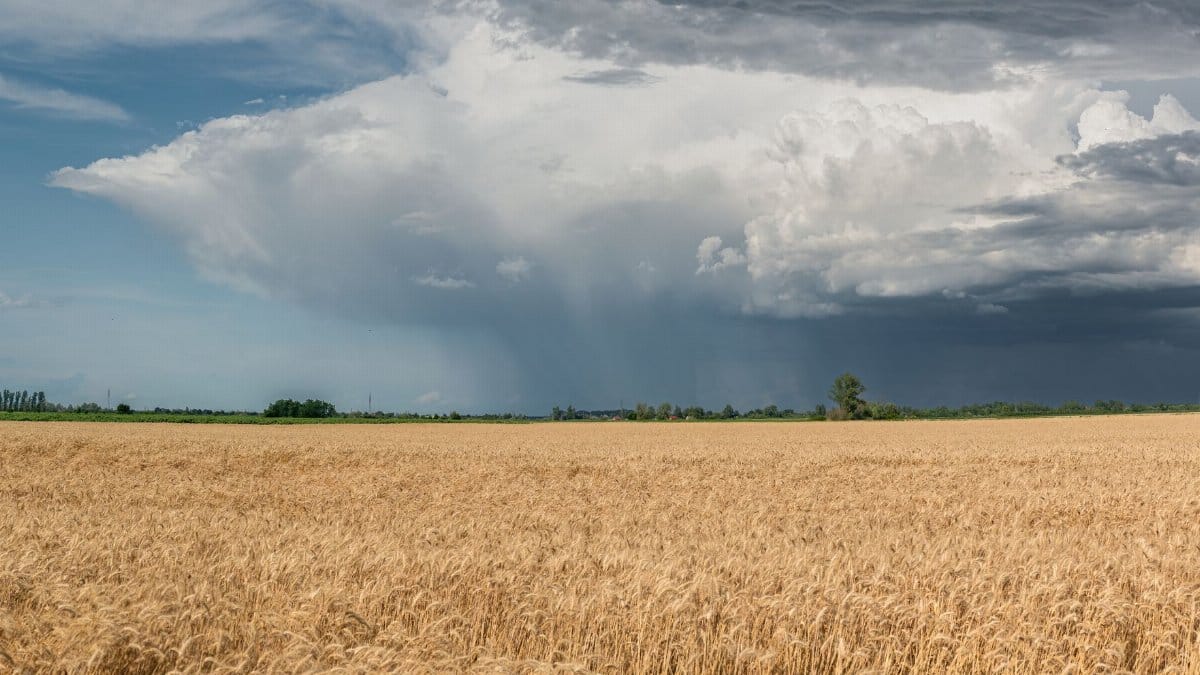
Extended dry spells combined with above average temperatures have created favorable conditions for rapid fire growth across south Florida. Forecasters track wind patterns closely as they can carry embers across roads and canals. While seasonal rains typically arrive to ease such threats the timing remains uncertain this year. Researchers continue to examine broader trends that may influence future fire seasons in similar environments.
Wildlife and Habitat Concerns

Species ranging from wading birds to reptiles face displacement as flames move through their territories. Biologists set up observation points to track movements and check for injuries among affected animals. Temporary refuge areas have been identified in less impacted sections of the park. Recovery efforts will focus on restoring feeding grounds and nesting sites once containment is achieved.
Future Outlook for Containment

Officials express cautious optimism that full control can be reached within the coming weeks assuming no major weather shifts occur. Additional resources stand ready if needed including mutual aid from neighboring districts. Public updates will continue through official channels to keep everyone informed of developments. The focus remains on minimizing damage while allowing the natural area to heal over time. Everglades fires Homestead serve as a reminder of the challenges in managing such dynamic landscapes.