
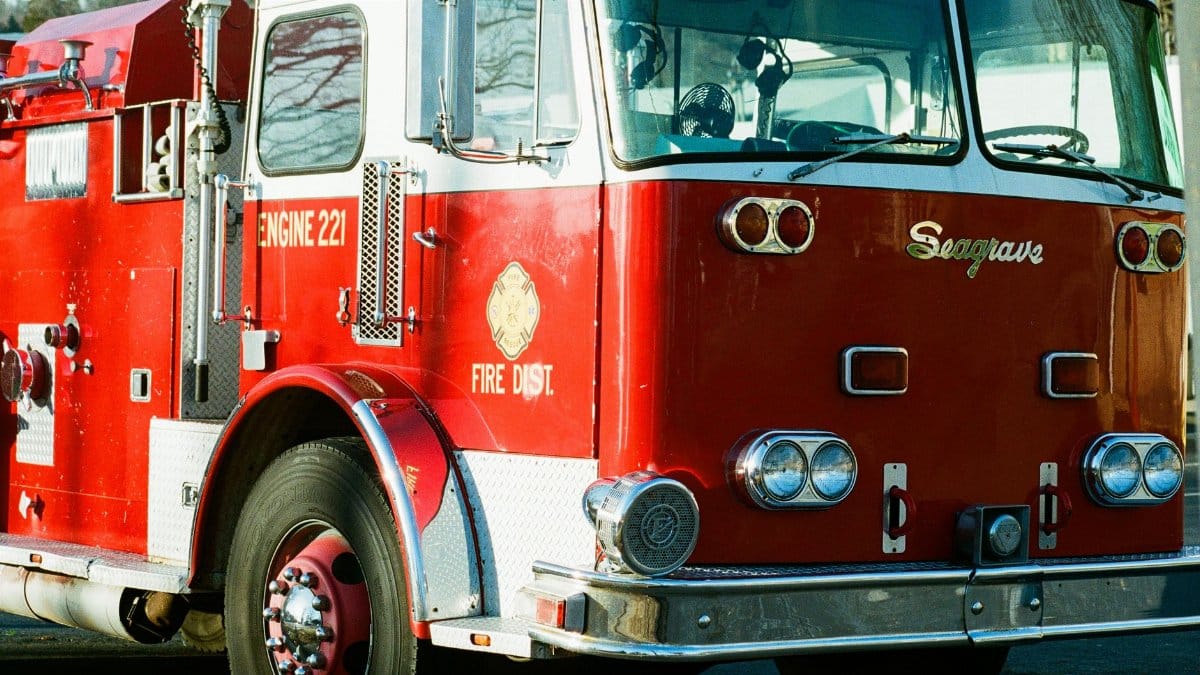
The recent gathering of firefighters from across the globe brought unexpected developments for two officials in Maryland. During their assembly the international body representing these workers decided upon a formal measure against the local state’s attorney and an alderman. This action known as fire union censure highlights growing friction in the region over policies affecting emergency responders. Observers note that such steps by labor groups often signal deeper worries about how local laws might affect daily operations and safety standards for those on the front lines.
Origins of the Conflict
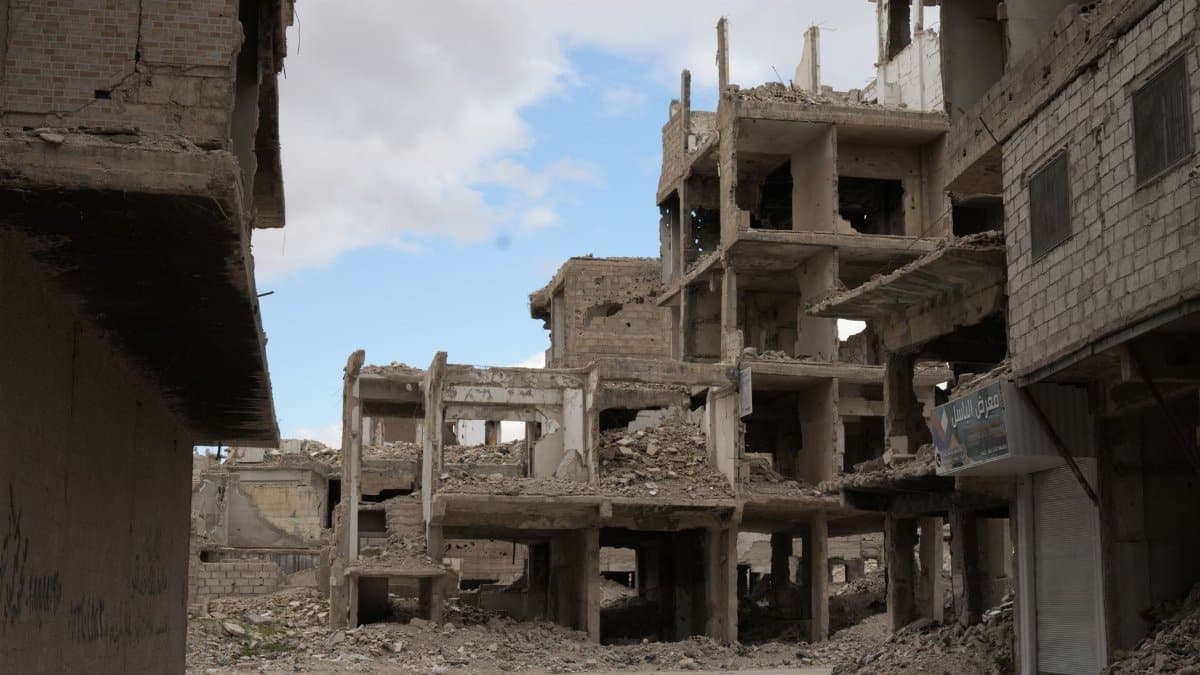
The dispute traces back to several local decisions that unions viewed as undermining their position. Officials in Anne Arundel County had pushed measures that appeared to limit collective bargaining rights. Firefighters felt these changes would reduce their ability to negotiate fair pay and working conditions. Community members watched as debates in county meetings grew heated with representatives from both sides presenting their cases to the public.
Details of the Union Action

Delegates at the international meeting reviewed evidence presented by local chapters before voting to issue the fire union censure. The resolution criticized specific comments and proposals from the state’s attorney and the alderman. Union leaders described the move as a necessary response to protect their members from policies seen as hostile. Records from the session show strong support among attendees for this form of public rebuke.
Statements from the State’s Attorney

The state’s attorney responded by emphasizing a commitment to balanced governance that serves all residents. In remarks to reporters the official stressed the importance of fiscal responsibility while maintaining strong public safety services. Supporters argued that the positions taken reflect careful consideration of taxpayer needs rather than any intent to weaken unions. This defense has resonated with some business groups in the area.
Position of the Alderman Involved

The alderman maintained that the actions stemmed from a desire to improve efficiency in county operations. Through a written statement the elected leader pointed to ongoing efforts to review budgets and streamline processes. Critics within labor circles saw these efforts as direct challenges to established agreements. Local voters have begun to weigh in through letters and public forums.
Broader Implications for Labor Relations

This episode illustrates how local disputes can attract attention from national and international organizations. Other unions may watch closely to see if similar censures occur elsewhere. Analysts suggest the event could influence upcoming contract talks in nearby jurisdictions. The fire union censure serves as a reminder of the power that organized labor still holds in political discussions.
Public Safety Concerns in the County

Residents express worry that ongoing tensions might affect response times or morale among first responders. County leaders have tried to reassure the public that services remain fully operational. Meetings between union representatives and officials continue in an attempt to find common ground. Data from recent years shows steady demand for fire and emergency medical services across the area.
Historical Context of Union Censures

Such formal rebukes have appeared in labor history during periods of significant policy shifts. Past examples often involved debates over pensions or staffing levels. The current case follows a pattern where unions use public statements to draw attention to their concerns. Observers recall similar actions in other states that eventually led to revised agreements.
Future Outlook for Local Governance

Moving ahead both sides face pressure to resolve differences before the next election cycle. Community discussions may shape how candidates address labor issues. The fire union censure could become a reference point in future campaigns as voters consider the balance between oversight and worker protections. Continued dialogue offers the best path toward stability according to many involved.