

Many individuals encounter moments when an intense wave of feeling sweeps through, coloring every decision and interaction that follows. In such times the distinction between what is sensed and what is real can blur quickly. This article examines that experience through the lens of Emotional Storms, showing how these inner events arise, why they carry such weight, and what steps can help restore balance without denying the power of emotion itself.
The everyday experience of sudden feeling

People often describe a surge of anger, sadness or fear that appears without warning and then shapes the hours ahead. These episodes feel immediate and undeniable. Yet research from psychology departments at several universities suggests the intensity of the moment does not always match the facts on the ground. The gap between sensation and circumstance is where confusion begins.
Why sensation can masquerade as certainty

The brain processes emotional signals faster than it processes logic. This speed once helped early humans survive threats. In modern settings the same speed can produce conclusions that later prove mistaken. A single comment from a colleague may trigger a cascade of thoughts that feel factual even when supporting evidence remains thin.
Tracing the roots of inner turbulence

Patterns formed in childhood often reappear in adult reactions. When a present event echoes an earlier one the mind may fill in missing details with remembered emotion rather than current data. Awareness of these patterns offers a first step toward separating memory from present reality.
Distinguishing signal from noise

Useful emotion points toward needs or values that require attention. Less useful emotion repeats old stories without new information. Learning to pause long enough to ask what the feeling is actually signaling helps reduce unnecessary escalation.
Breathing as an immediate tool

Slow, steady breaths activate the parasympathetic system and create a brief window for observation. This window need not last long. Even thirty seconds of deliberate breathing can interrupt the momentum of an Emotional Storm and allow a second look at the situation.
Journaling to capture perspective

Writing a short account of the event, the feeling, and the thoughts that followed often reveals leaps in reasoning. Over weeks these entries show recurring themes. The record itself becomes evidence that feelings shift while facts remain steadier.
Conversations that test assumptions

Trusted friends or colleagues can serve as sounding boards. When a person describes an Emotional Storm aloud the listener may notice details the speaker overlooked. This external view does not replace personal judgment but supplies additional data points.
The place of professional guidance

Therapists trained in cognitive approaches help clients examine the stories attached to strong feelings. Sessions focus on testing those stories against observable evidence. Many middle aged adults report that such guidance reduces the frequency and duration of intense episodes.
Long term habits that build resilience

Regular physical activity, consistent sleep and time spent in nature each contribute to a nervous system that returns to baseline more quickly. These practices do not eliminate emotion. They simply lower the baseline reactivity that can turn a minor event into a prolonged Emotional Storm.
Accepting emotion without surrendering judgment
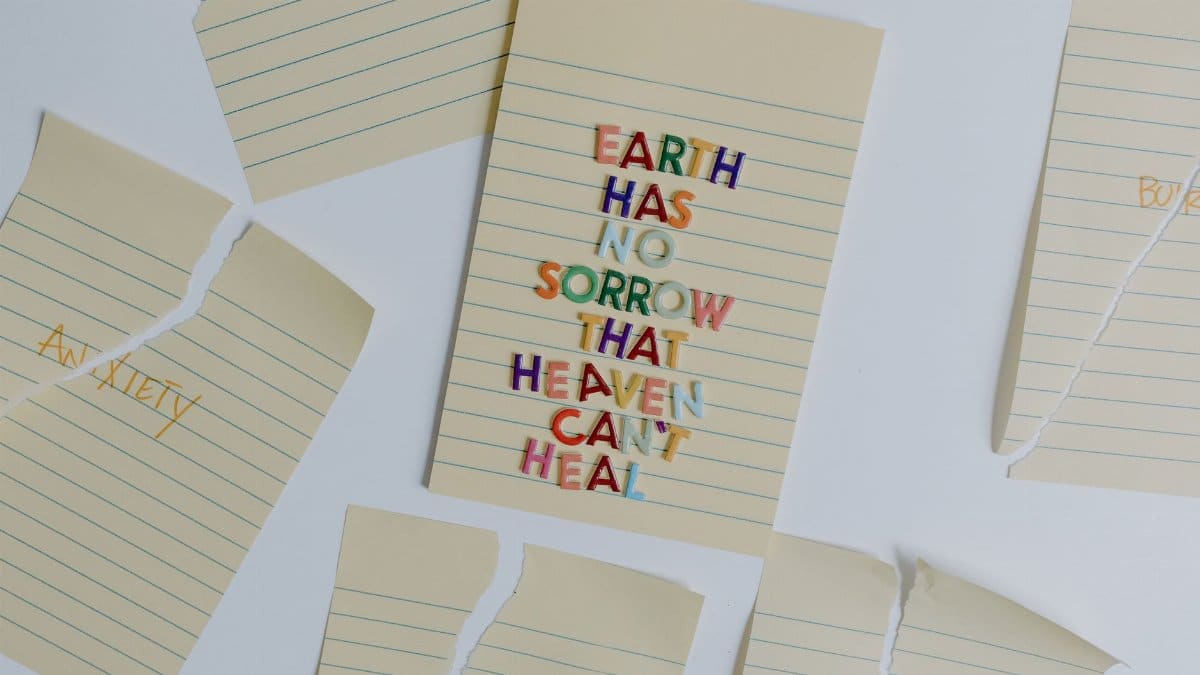
The goal is never to silence feeling. Rather the aim is to grant emotion its proper scope while reserving final decisions for moments when more information is available. This balance respects the wisdom emotion can carry and the limits it can impose.
Looking ahead with measured optimism

As public discussion of mental health continues to grow, more people recognize that feelings deserve attention yet do not constitute the whole of reality. That recognition alone can shorten the life of an Emotional Storm and leave room for clearer responses to daily challenges.