
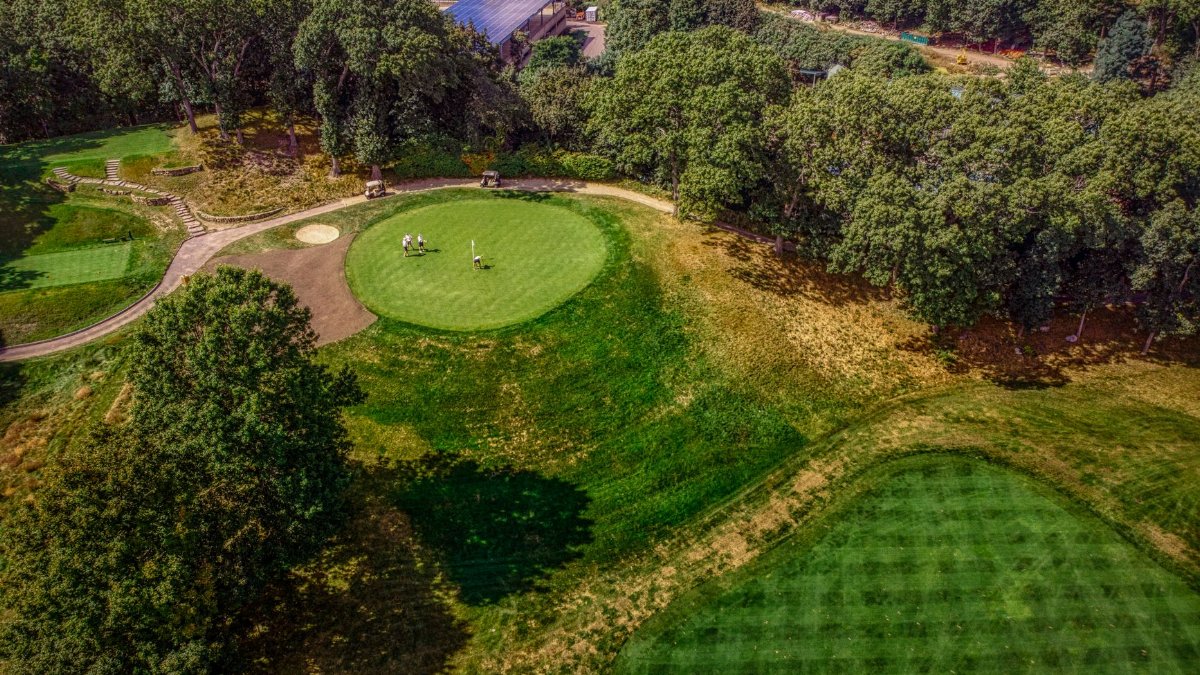
On a mild October morning along the Potomac, the sound of saws was supposed to announce the start of a contested renovation. Instead, a federal courtroom became the place where the next chapter of a beloved public links would be written. Judge halts East Potomac golf work, at least for the moment, after Judge Ana Reyes ordered the Trump administration to stop tree cutting at East Potomac Golf Course until October 26. For players who have walked those fairways for decades, and for neighbors who treat the park as a daily refuge, the order is more than a scheduling note. It is a pause in a fight over who gets to remake a historic corner of the capital, and how quickly that remake may proceed.
What the courtroom pause actually changes

The immediate effect is narrow and concrete. Work that would take down trees at the course is not to continue during the period covered by the order. Agencies that had been moving toward a physical transformation must hold that part of the project while the court considers what comes next. A halt is not a final verdict on the merits. It is a judicial decision that the harm of proceeding now may outweigh the cost of waiting.
In practical terms, crews cannot treat the landscape as a cleared construction site before October 26. Planners can still draft memos, meet with contractors, and argue their case. What they cannot do, under the order as described in public accounts of the hearing, is keep cutting. For a project measured in seasons rather than news cycles, two weeks can feel short. For a stand of mature trees, two weeks can be the difference between standing and gone.
A public links with a long Washington memory
East Potomac Golf Course sits on a peninsula of made land in East Potomac Park, a place shaped by dredging and by the long federal habit of turning river edge into recreation. Generations of Washingtonians have known it as an affordable public course rather than a private club with a gate and a waiting list. The National Park Service has long managed the ground as part of the wider park system that rings the monumental core.
That history matters because the argument is not only about turf and trees. It is about whether a course built for ordinary players remains recognizable after a renovation backed by political power at the highest level. Public golf in the capital has always carried a democratic claim that is easy to romanticize and harder to maintain. Fees, tee times, and the condition of the grass decide who actually shows up on a Saturday morning. A renovation can improve drainage and playing surfaces. It can also reset the culture of a place.
Why the trees became the flashpoint
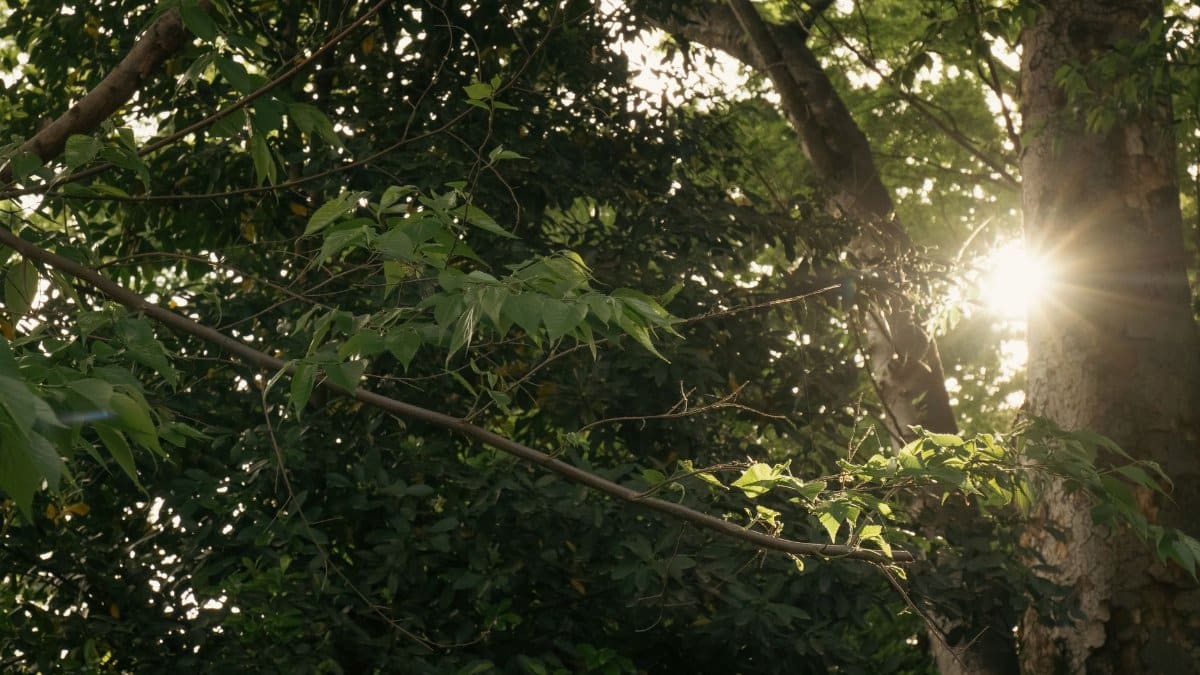
Golf architecture loves open sightlines, firm turf, and wind. Urban park users love shade, birds, and a buffer against heat. Those preferences collide when a redesign treats mature trees as obstacles rather than as part of the park. Cutting is fast. Regrowth is not. A judge who pauses tree cutting is protecting an outcome that cannot be undone with a subsequent order to replant saplings and wait.
Critics of the work have framed the trees as habitat, as climate infrastructure, and as the visual memory of the course. Supporters of renovation tend to describe aging canopies as declining assets that block sun, complicate maintenance, and limit a modern layout. Both descriptions can be partly true. What the court has done is refuse to let one description win by chainsaw before the legal questions are aired. In a city of heat islands and scarce riverfront shade, that refusal has a civic weight beyond golf.
The administration plan and the speed of change

The Trump administration has treated the course as a project worth personal and political attention, which is unusual for a municipal pastime and entirely consistent with a presidency that has long folded golf into its public image. Speed has been part of the appeal. A historic course can be recast as a showcase if agencies move before opponents assemble a full record. Courts exist, in part, to slow that kind of momentum when statutes on parks, environmental review, or public process may not have been satisfied.
Details of any final design will matter: how many holes change character, whether the course stays genuinely public, what happens to practice areas, and how floodwater is handled on land that has always lived with the river. Those details are not settled by a short pause. They are the reason a pause exists. An administration that wants a signature course on federal parkland should expect the same scrutiny that meets any other alteration of a shared landscape.
Who plays there and who stands to lose ground

East Potomac has never been only a postcard. It is a working course for retirees, juniors, federal employees squeezing in nine holes after work, and visitors who cannot imagine paying private club rates. When renovation talk begins, the people most attached to a place are often the least invited into the room where renderings are approved. They experience change as closed tees, rising prices, or a layout that no longer fits a short evening round.
Neighbors who do not golf have a stake as well. The peninsula is a walking route, a place to watch planes and water, a green edge in a dense region. Tree cutting reads differently if your interest is a Saturday bird count rather than a lower score. A fair process would treat those users as constituents of the park, not as obstacles to a sports project. The court order does not hand them victory. It gives their objections time to be heard before the landscape is altered beyond easy repair.
The legal path that led to the halt

Federal judges do not manage golf courses. They manage records, statutes, and the risk of irreparable harm. Judge Ana Reyes, sitting in Washington, applied that familiar test to a very visible patch of Park Service land. Plaintiffs seeking a pause typically argue that agencies skipped steps required by environmental or historic preservation law, or that they moved so quickly that public comment became theater. The government typically answers that it has authority, that delay itself causes harm, and that design choices fall within expert discretion.
Readers should be careful not to treat a temporary order as a finding that the entire project is unlawful. Judge halts East Potomac golf work is a headline because it is true to the immediate command, not because every legal theory has already been won. The next filings will test whether the administration built a record strong enough to justify cutting, grading, and rebuilding on a historic public course. If that record is thin, the pause may lengthen. If it is solid, work could resume with the court satisfied that process was honored.
What October 26 asks the city to watch

October 26 is a date, not a destiny. It marks the end of the period Judge Ana Reyes set for the tree cutting pause, unless a further order extends or alters it. Between now and then, lawyers will argue, agencies will decide whether to adjust plans, and the public will learn whether the dispute is a brief interruption or the start of a longer injunction fight. Anyone who cares about the course should watch the docket and the park, not only the political commentary.
A useful question for that date is simple. What, exactly, would resume? If the answer is limited maintenance, the stakes are modest. If the answer is a wide clearing that locks in a new design, the stakes are the character of East Potomac Park for a generation. Judge halts East Potomac golf work only for a defined window. The quality of the decision that follows will depend on whether the government uses that window to listen, or merely to wait.
Politics on a peninsula of public grass
Golf and presidential politics have shared a fairway for years, and this fight sits squarely in that overlap. Supporters see a leader determined to restore a faded public asset and unwilling to let bureaucracy stall a visible improvement. Opponents see a powerful patron pushing a pet project through a park system that is supposed to answer to statute and to the broad public, not to taste. Both stories flatten a more ordinary truth. Federal land in the capital is always political, because it is seen, shared, and owned in common.
The healthier version of that politics is slow and a little dull. It involves environmental review, historic surveys, honest budgets, and a clear promise about public access after the ribbon cutting that this project may or may not earn. The unhealthier version treats a park as a backdrop. When Judge halts East Potomac golf work, the court is insisting that backdrop is also a legal place, with rules that outlast any single administration. That insistence will anger people who want results now. It should reassure people who remember how easily public land can be redesigned by whoever holds the pen.
Stewardship beyond the scorecard

There is a quieter register to this story, one that does not require a party label. People return to the same public ground because repetition makes a city feel like a home. A weekly loop around the peninsula, a standing game with friends, a shaded walk after a hard week: these are small civic rituals. They are not sermons, and they are not trivial. When a government proposes to remake such a place, it is asking residents to trust that the next version will still hold those rituals.
Trust is earned with transparent plans and with a willingness to leave some trees, some sightlines, and some modest traditions intact. It is not earned by speed alone. East Potomac can be healthier, drier, and more beautiful than it is today. It can also be stripped of the very qualities that made strangers feel welcome. Stewardship is the unglamorous art of telling those outcomes apart before the saws start again.
A course that still belongs to the public
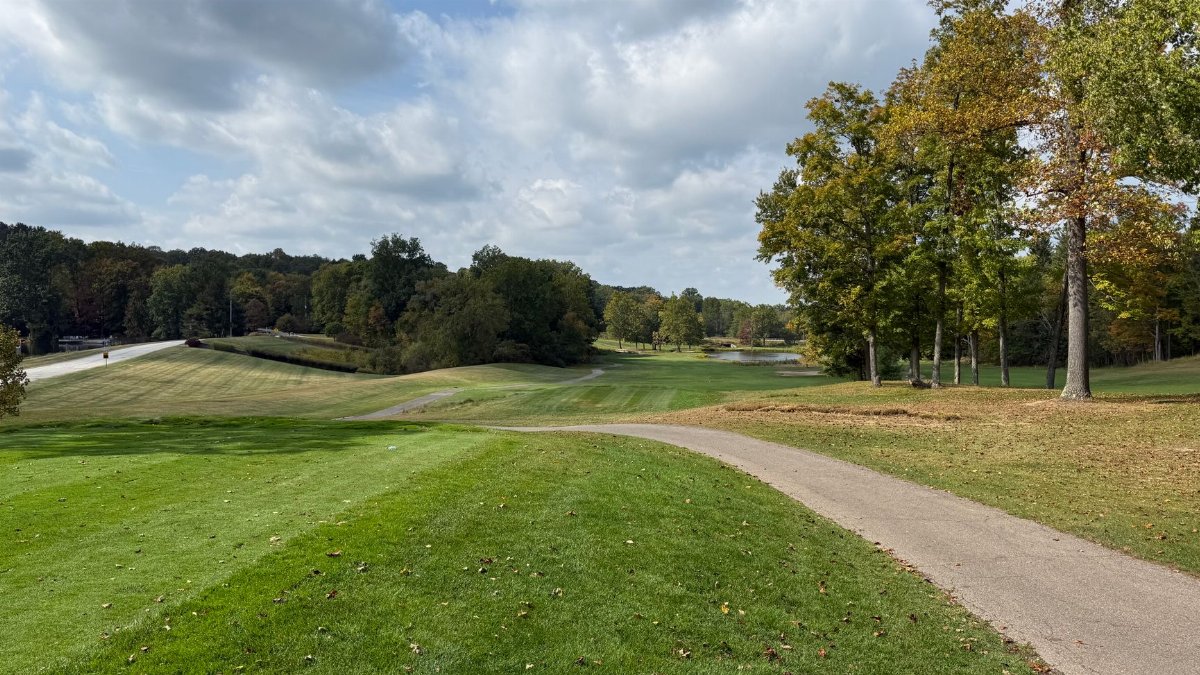
Whatever happens after October 26, the course does not belong to a president, a contractor, or a judge. It belongs to the public, under laws that assign day to day care to federal agencies and ultimate ownership to the people who fund them. That sentence is easy to say and constantly tested. Renovation is not theft. Neither is it a blank check. The measure of this project will be whether a historic public course emerges more resilient and still open to the players and walkers who made it matter.
For now the fairways wait under an order that favors patience over momentum. Judge halts East Potomac golf work, and the city has a brief interval in which to decide what kind of restoration it is willing to bless. The best outcome would be a plan that survives scrutiny because it deserves to, not a plan that survives because no one was allowed to look closely enough. Washington has renovated monuments, museums, and river edges before. It can renovate a golf course without forgetting who the course is for.
The standard the next order should meet

A subsequent ruling, whether it extends the pause or lifts it, ought to be readable by nonlawyers. People should be able to see which environmental duties were met, which historic features were weighed, and which promises about access and cost are enforceable rather than aspirational. If tree removal remains part of the plan, the public deserves a clear account of why each major stand must go, and what replaces the shade and habitat that leave with it. Vague appeals to excellence are not a record.
Congress and the Park Service will still have work to do after the judges finish with the immediate dispute. Budgets, concessions, and maintenance do not resolve themselves in a courtroom. The halt simply refuses to let those later choices be preempted by an early clearing. That is a modest judicial role, and it is the right one. A capital that cannot pause long enough to argue over a public golf course is a capital that has forgotten how shared places are supposed to change: in the open, with reasons, and with time enough for dissent to matter.