
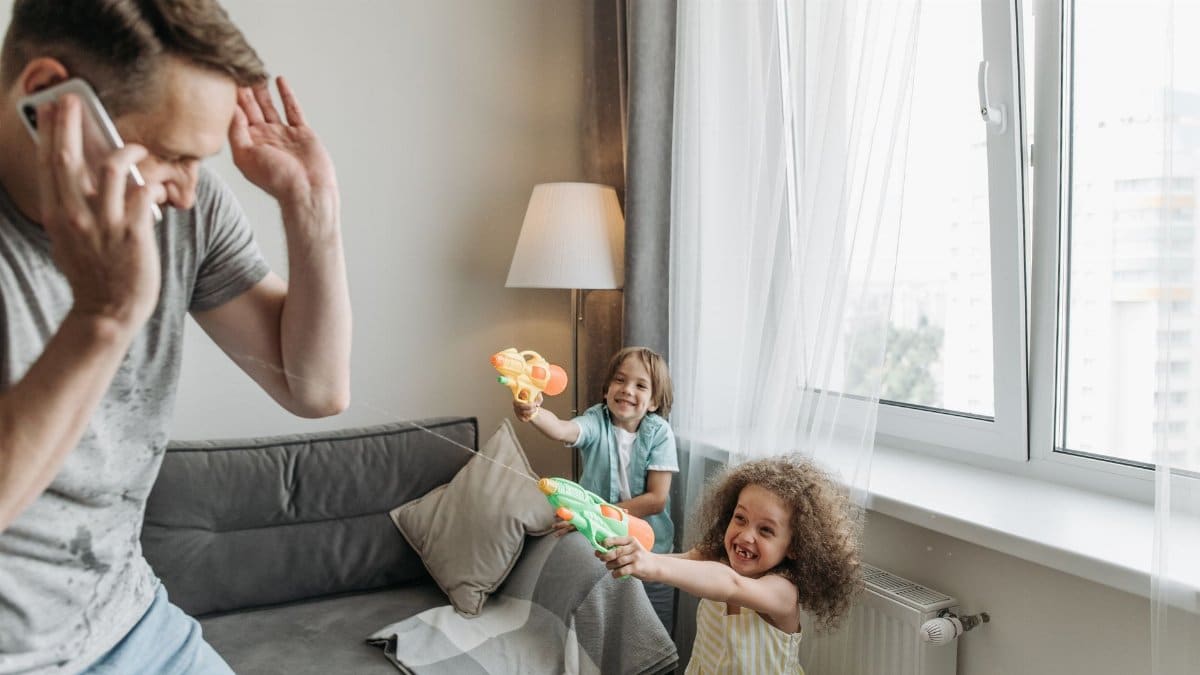
Many families across the United States navigate complex living arrangements that challenge traditional views of parenthood. One father described driving hours each weekend to attend his son school events, maintaining a steady presence despite the distance. Such dedication highlights how Nonresident Fathers often contribute in ways that extend beyond daily cohabitation, fostering emotional ties and personal growth in their children amid evolving family structures.
Redefining Presence Beyond Shared Homes
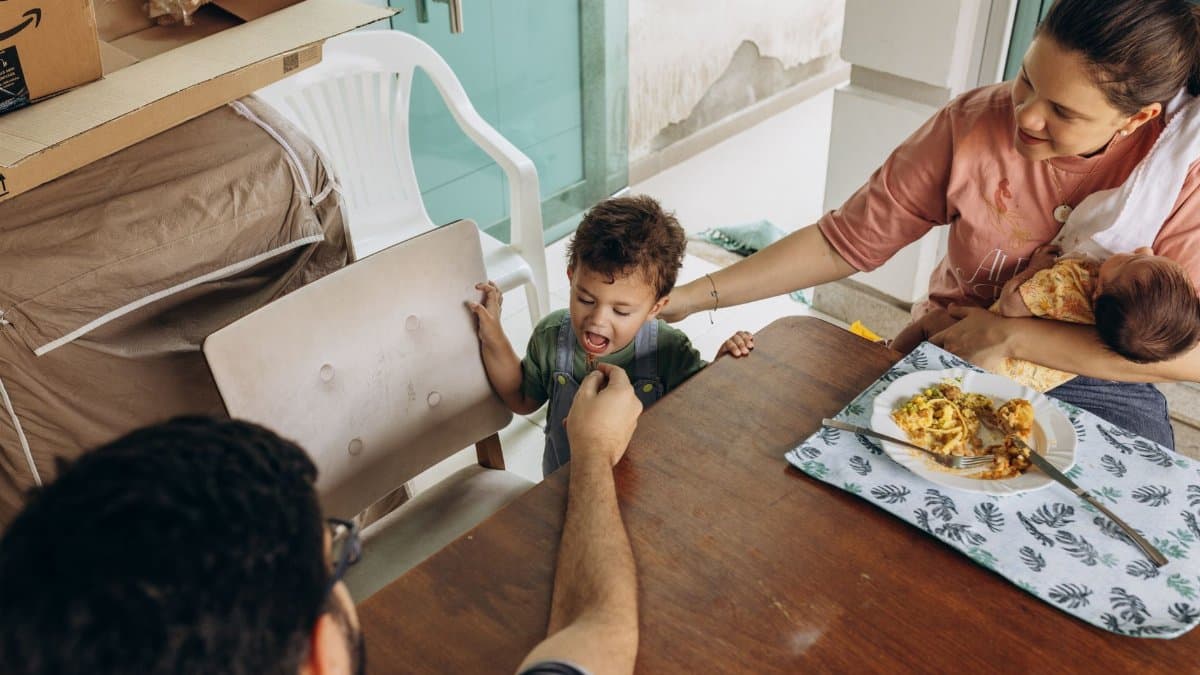
Nonresident Fathers demonstrate that physical proximity does not define the quality of involvement. Research from the Greater Good Science Center shows these men frequently sustain regular contact through calls, visits and shared activities that build trust over time. Children in these arrangements report feeling supported when fathers prioritize consistent communication rather than sporadic appearances.
Emotional Support That Shapes Development

Studies indicate nonresident fathers provide crucial emotional guidance that aids resilience in young people. By offering advice during key transitions like adolescence or career choices, these parents help cultivate self esteem and decision making skills. Their role often complements efforts by the resident parent, creating a broader network of care.
Overcoming Logistical Barriers to Connection

Distance and scheduling conflicts pose real hurdles, yet many Nonresident Fathers adapt with creative solutions such as virtual game nights or joint reading sessions. Legal frameworks around custody can complicate matters, but successful cases emphasize flexibility and clear agreements that prioritize the child needs above all.
Financial Contributions With Lasting Impact

Beyond court ordered support, numerous fathers invest additional resources in education, extracurriculars and health needs. Data from family policy analyses reveal these extra efforts correlate with improved academic outcomes and reduced stress for children, underscoring a commitment that transcends minimum requirements.
Cultural Narratives And Their Influence

Media portrayals have long emphasized absence over achievement, yet personal accounts from Nonresident Fathers reveal dedication that counters such views. Community programs now highlight positive examples to shift perceptions, encouraging broader acceptance of diverse parenting models in modern society.
Building Trust Through Consistent Actions

Reliability forms the foundation of strong bonds when living apart. Fathers who follow through on promises, even small ones, strengthen relationships that endure challenges. This approach mirrors findings in developmental psychology where predictability fosters security regardless of household configuration.
Collaborating With Resident Parents Effectively

Co parenting success often hinges on mutual respect between adults. Nonresident Fathers who engage in joint planning around schooling and health matters contribute to stable environments. Workshops focused on communication skills have proven helpful in reducing conflicts that might otherwise affect children.
Long Term Benefits For Child Well Being
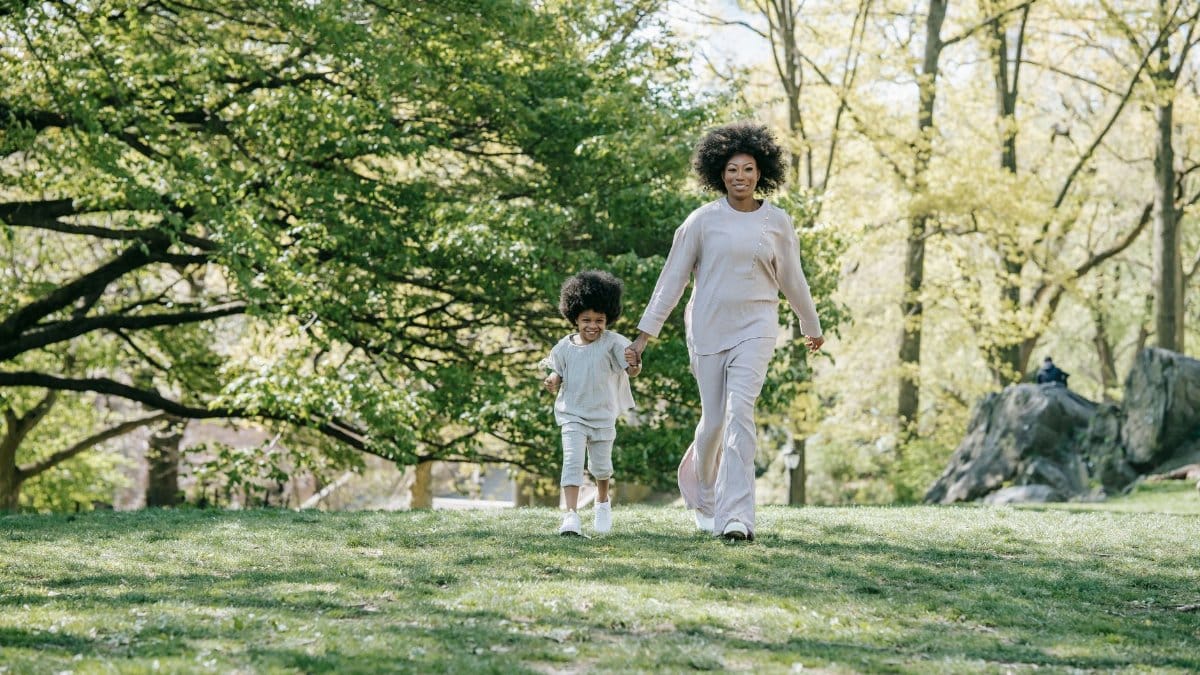
Longitudinal observations suggest sustained involvement from fathers living separately links to better social adjustment and emotional health in offspring. These outcomes appear across varied socioeconomic backgrounds, pointing to the universal value of engaged parenting irrespective of address.
Policy Changes Supporting Varied Family Forms

Advocates push for workplace policies that accommodate visitation schedules and flexible leave for all parents. Such reforms could ease pressures on Nonresident Fathers, allowing more time for meaningful interactions without career penalties that strain family ties further.
Personal Reflections On Evolving Roles

Watching these dynamics unfold reminds observers how definitions of fatherhood continue to expand. The quiet persistence of many Nonresident Fathers offers lessons in adaptability that benefit entire communities seeking stronger intergenerational connections.