

On a cool October evening in Manchester, the room had the slightly formal hush of a town that has hosted more political arguments than it cares to count. Two men who already know the state, and who are already known by it, stood under bright lights and tried to sound both familiar and newly necessary. The New Hampshire Senate debate did not invent a fresh cast. It asked voters to decide whether experience is a comfort, a warning, or simply the only language left for a race that will help set the balance of the Senate.
Familiar names and an old New Hampshire habit

Chris Pappas and John E. Sununu entered the exchange with biographies that need little introduction in Concord, Nashua, or the small towns along the Connecticut River. Pappas has spent years as the Democrat representing the First District, a congressman whose public style is measured, retail, and carefully local. Sununu, a Republican and a former senator, carries a family name that has been part of the state’s political weather for decades. Their meeting felt less like a debut than a return to a well worn stage.
That familiarity is not a small thing in a state that still prizes the idea of looking a candidate in the eye. New Hampshire voters have long treated Senate races as arguments about judgment as much as party. They want to know who will answer a phone call from a mill town, who will resist a bad idea from Washington, and who will treat the state’s independent streak as more than a slogan. The debate gave both men a chance to perform that promise in public.
Social Security as a test of trust

No subject in the New Hampshire Senate debate carried more emotional weight than Social Security. For many middle aged and older listeners, the program is not an abstraction in a budget table. It is the check that keeps a parent in a familiar house, the difference between a modest retirement and a frightening one, the compact a worker believes the country made after a lifetime of payroll taxes.
Pappas pressed the case that the program’s future depends on protecting benefits from proposals that would raise the retirement age or trim promised payments. His argument was aimed at voters who have watched national Republican debates with unease, even when the candidate in front of them disclaims the sharpest plans. Sununu answered in the language of solvency, warning that refusing to discuss the program’s long term finances is its own kind of risk. He framed change as stewardship rather than subtraction, a distinction that matters enormously and that is also easy to blur in a ninety minute exchange.
The clash did not produce a shared set of numbers. It produced a clearer picture of how each man wants to be trusted. One asked voters to hear protection. The other asked them to hear realism. In a state with a large share of older residents, that difference is likely to travel farther than any clever line about Washington manners.
The cost of living, close to the kitchen table

If Social Security was the moral center of the night, the cost of living was its daily texture. Housing, groceries, heating oil, child care, and health premiums have squeezed households that do not think of themselves as poor and do not feel secure. Candidates can talk about national inflation trends, but in New Hampshire the complaint often arrives in smaller units: a rent increase in Dover, a grocery bill in Keene, a winter fuel delivery that costs more than the family budgeted in September.
Pappas tied those pressures to corporate pricing, inadequate housing supply, and the need for federal attention that still respects local control. Sununu pointed toward spending, regulation, and the idea that Washington has made ordinary life more expensive by trying to manage too much of it. Both descriptions contain pieces that voters already believe. Neither fully explains a problem built from interest rates, limited housing stock, energy markets, and wages that have not felt like relief even when they have risen.
What the debate revealed was less a technical plan than a theory of blame. Voters who want a culprit in corporate boardrooms heard one. Voters who want a culprit in federal excess heard the other. The more careful listener may have noticed how little time either man spent on the slow work of building housing, which is where much of the state’s pain actually lives.
Independence from party leaders

Independence was the third rail both candidates tried to grab without getting burned. In the New Hampshire Senate debate, distance from national party leaders was not a side issue. It was a credential. Pappas presented himself as a Democrat willing to work across the aisle and attentive to a district that does not reward ideological theater. Sununu presented himself as a Republican of an older New England type, more interested in restraint and local knowledge than in the moods of a national movement.
Those claims are plausible, and they are also campaign necessities. A Democrat running statewide in New Hampshire cannot sound like a visitor from a coastal caucus. A Republican hoping to win back a Senate seat cannot sound captive to every demand from party headquarters. The audience was left to judge independence by something harder than a sentence: past votes, past silences, and the company each man keeps when the cameras are off.
Sununu’s family history gives him a particular advantage and a particular burden. The name signals continuity to some and dynasty to others. Pappas, younger in statewide myth if not in current office, must prove that familiarity with the state’s towns is not the same thing as smallness of ambition. Independence, in both cases, will be measured after the debate by whether either man is willing to disappoint his own side in public.
Temperament under the lights

Debates rarely settle policy, but they do expose temperament. Pappas was controlled, sometimes to the point of caution. He spoke as a congressman who has learned that a stray adjective can follow a candidate for weeks. Sununu was more barbed, more willing to treat the exchange as a cross examination, and more comfortable sounding like a man who has already sat in the chamber he wants to reenter.
Neither style is automatically persuasive. Caution can read as steadiness or as evasion. Sharpness can read as command or as contempt. New Hampshire audiences have punished both kinds of excess. They have also rewarded candidates who seem to be speaking to the person in the third row rather than to a clip that will travel on a phone. On that score, the night was mixed. There were answers built for the room, and answers built for later.
What the format could not hold

A Senate debate is a poor container for the actual work of the Senate. Immigration, foreign crises, the federal deficit, abortion, guns, and the courts all press at the edges of an evening, and each of them deserves an hour it will not receive. The moderators did what moderators can do. They moved the conversation along, interrupted when a sentence turned into a speech, and tried to force specifics from men trained to offer themes.
The limit is structural. A candidate can promise to protect benefits, lower prices, and remain independent, and still leave the mechanism vague. Voters who wanted a tax plan, a housing number, or a clear account of how to shore up Social Security without cutting the checks people already count on did not fully get one. That absence is not unique to this race. It is the ordinary disappointment of modern debate, and it is still fair to name it.
The national stakes, stated without theater

It would be dishonest to pretend this contest is only a conversation about town roads and winter fuel. A Senate seat in a closely divided country carries national consequences, from judicial confirmations to the fate of major legislation. Both campaigns know that outside groups will spend heavily, and that the race will be described in Washington as a test of partisan reach in northern New England.
The candidates also know that New Hampshire dislikes being treated as a prop. The voter who splits a ticket is not a puzzle to be solved by a consultant. That voter is often making a practical judgment about who seems less likely to embarrass the state, less likely to vanish into caucus discipline, and more likely to remember a promise made in a high school auditorium. The debate was an early chapter in that judgment, not the last word.
A civic ritual, not a conversion

There is a modest spiritual dimension to an evening like this, if the word is allowed to mean something other than doctrine. People gather, they listen for truthfulness, and they decide whether a public figure still deserves their faith. In a tired political culture, that gathering can look quaint. It remains one of the few places where a candidate must answer in full sentences, in front of neighbors, without the shelter of a prepared advertisement.
Faith in that ritual is not the same as faith in either man. Many in the audience will have arrived already settled. Some will have come for the sport of it. A smaller number, the ones campaigns secretly fear and need, will have come to see whether a familiar face still sounds like a fit for the next six years. The New Hampshire Senate debate served that narrower purpose well enough. It did not convert the room. It clarified the choice.
Five impressions that may linger

First, the race is a contest of memory as much as message. Sununu asks the state to remember a style of Republican politics and to trust that he can revive it. Pappas asks the state to treat his congressional record as proof that he already practices the moderation others only advertise.
Second, Social Security will not fade. Any sentence that sounds like a reduction in promised benefits will be replayed. Any refusal to say how the program remains whole will be replayed too.
Third, the cost of living is where abstraction goes to die. Voters will forgive a complicated answer more readily than a remote one.
Fourth, independence has to be demonstrated against one’s own party, not merely claimed against the other side. The next months will offer chances to do that, and chances to dodge it.
Fifth, familiarity cuts both ways. In a small state, being known is a gift until the day it becomes a reason for restlessness. The debate reminded New Hampshire why these two men are plausible senators. It also reminded the audience that plausibility is not the same as persuasion.
What voters still need to hear
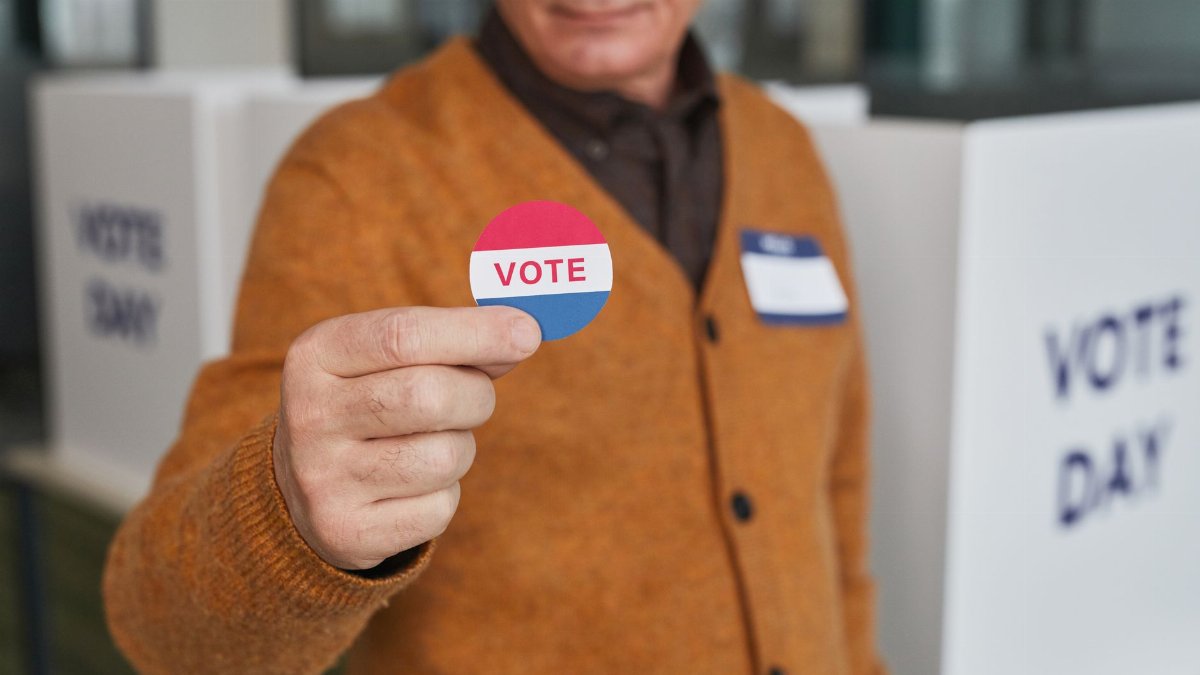
The useful follow up is not another round of atmospherics. It is a demand for detail. How would each candidate shore up Social Security, in what year, and with what effect on people already receiving benefits? What housing policy would actually add homes rather than merely announce concern? Where has each man broken with party leaders when it cost him something? Those questions are answerable. They are also the questions a polished debate can slide past.
Campaigns will now clip the evening into favorable pieces. That is expected. The more durable record is the one voters keep without help from an editor: who sounded as if he understood a fixed income, who sounded as if price pain was a talking point, and who sounded free enough from his party to be trusted with a six year term. On those measures, the New Hampshire Senate debate left both men standing, and left the state with more to ask.