

On a Tuesday evening in a county meeting room outside a growing Sun Belt city, residents lined up with printed utility bills and questions about a project they had barely been allowed to discuss. The proposal on the agenda was one of the Tech data centers that now anchor the physical side of cloud computing, a campus of windowless buildings that would draw as much electricity as a small city. What had changed was not the appetite for digital services. It was the willingness of neighbors to accept the bargain without a clearer account of cost, water, noise, and public money.
The towns that keep the cloud running

For most people, the internet still feels weightless. Messages arrive, videos stream, and artificial intelligence answers appear in seconds. Behind that convenience sits a construction boom in warehouses of servers, cooling equipment, and backup generators. These facilities cluster where land is available, power can be delivered, and local officials are eager for investment. They are also landing in places that never expected to host industrial scale computing.
That mismatch explains much of the current friction. A data center can look quiet from the road and still reshape a power grid, a water system, and a tax base. Residents who once heard only about jobs and construction wages are now asking who pays when new transmission lines are required and who benefits when the servers belong to a company headquartered somewhere else.
Why resistance hardened so fast

Opposition did not appear from a single grievance. In some counties, people worry about rising electric rates if utilities build generation and wires mainly to serve a handful of large customers. In others, the fight is about water used for cooling, diesel generators tested at odd hours, or the loss of farmland and open space. Secrecy has made each of those issues sharper. When project details arrive late, or arrive under confidentiality agreements, suspicion fills the gap.
Local officials are caught in the middle. They want capital investment and a broader tax roll. They also answer to voters who did not consent to become the back end of someone else’s product. The politics have shifted from automatic welcome to conditional acceptance, and sometimes to outright rejection.
Electricity is the real constraint
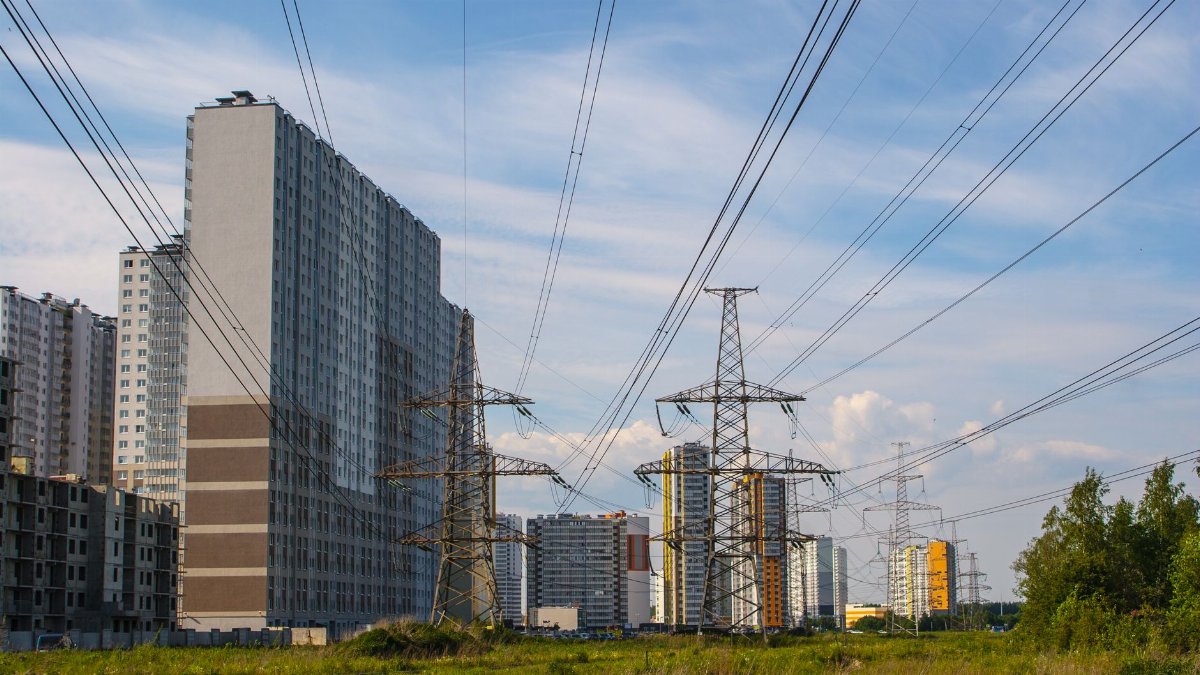
The most consequential pressure is power. Training and running large artificial intelligence models requires dense racks of chips that draw extraordinary loads, and ordinary cloud services were already hungry before that wave. Utilities in several regions have warned that new requests from computing campuses are arriving faster than plants and lines can be built. That queue matters to households because grid upgrades are often socialized across all customers unless regulators design a different split.
Companies have responded with long term power purchase deals, on site generation proposals, and promises to pay for dedicated infrastructure. Some are exploring nuclear contracts and large renewable portfolios. Those steps can be real. They do not erase the near term problem that a single campus can consume as much electricity as hundreds of thousands of homes. Communities now want the rate impact modeled in public, not summarized in a slide.
Water, heat, and the sound next door
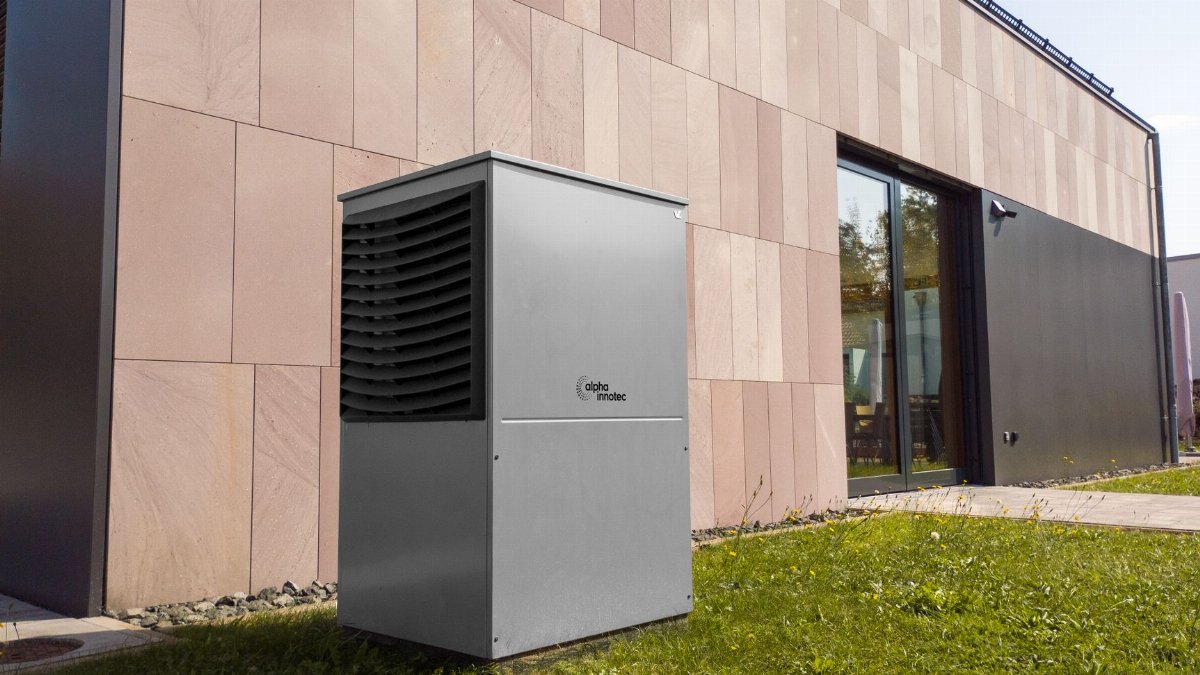
Cooling is the second fault line. Older designs relied heavily on evaporative systems that can use millions of gallons a day in hot weather. Newer facilities often advertise air cooling or closed loops that use less water, yet backup systems and extreme heat days still create demand. In drought prone regions, even a modest continuous draw can feel like a moral question, not a technical one.
Noise is less abstract for people who live beside a perimeter fence. Chillers, fans, and generator tests produce a low industrial hum that does not match the pastoral image in early renderings. Setback rules, sound limits, and operating hours for testing have become standard demands in hearings. So have dark sky lighting rules and landscaping that does more than hide a loading dock.
Money on the table, with new strings

Facing organized pushback, large technology firms and their development partners are revising the offer. The revised pitch is not only jobs during construction. It includes larger direct payments to schools and emergency services, voluntary contributions when property tax abatements would otherwise shrink local revenue, and funds for workforce training or broadband in underserved pockets of the same county.
Some hosts are negotiating payments in lieu of taxes that last longer and disclose more. Others want clawback clauses if promised investment or employment falls short. A few are asking companies to underwrite ratepayer protections or to fund water reuse projects that benefit the wider community, not only the campus. The sums can be substantial. Whether they match the external costs is the argument that now defines these deals.
Fewer secrets, at least on paper

Secrecy was once treated as a competitive necessity. Exact power draws, customer lists, and security layouts were withheld, and in some states economic development agencies could shield records tied to recruitment. Residents experienced that shield as a refusal to be treated as adults. The political cost has risen. Firms are now more willing to publish water use ranges, noise studies, and high level energy plans before a vote, even if they still guard proprietary chip counts and tenant names.
That shift is uneven. A promise of transparency in a press release is not the same as a public record that a reporter or a neighbor can inspect. The more credible agreements specify which documents will be released, on what schedule, and which claims remain legitimately confidential for security. Tech data centers will always have some details that should stay private. The question is whether everything inconvenient has been placed in that category.
How local rules are being rewritten

Counties and cities are no longer relying on generic industrial zoning. New ordinances set minimum distances from homes, cap generator testing at night, require water recycling targets, and demand decommissioning bonds so a stranded shell does not become the public’s problem. Some jurisdictions now require an independent grid study before a permit moves forward. Others have imposed temporary moratoriums while they rewrite codes that were written for warehouses, not computing plants.
State legislatures are entering the same debate. Lawmakers are weighing whether large electric customers should pay a larger share of new transmission, whether tax incentives should be tied to clean power and local hiring, and whether nondisclosure agreements used in recruitment should have clearer limits. The patchwork means a company can face a welcome mat in one county and a newly drafted rulebook in the next.
Jobs are real, and so is the mismatch

Construction can employ hundreds of tradespeople for months or years. Permanent staffing is thinner. A finished campus may need technicians, security staff, and facilities crews, but not the headcount of a factory with a similar footprint. That arithmetic disappoints communities sold a story of transformative employment. It also explains why direct payments and infrastructure funding have become more important than job totals in negotiations.
There is a related fairness issue inside the industry’s own map. Many of the highest paying design and software roles remain in coastal cities, while the land, water, and power burdens fall on rural and suburban hosts. When Tech data centers are framed only as local economic development, that split is easy to miss. When residents compare permanent payroll with permanent load, the split becomes the center of the hearing.
What companies say they are changing

Executives argue that the alternative to domestic campuses is not a lighter footprint. It is computing built somewhere with weaker environmental rules and less public oversight. They point to efficiency gains, renewable contracts, and designs that recycle heat or use reclaimed water. They also note that hospitals, banks, schools, and government agencies depend on the same infrastructure residents are protesting.
Those points deserve a hearing. They do not settle the local question of siting. A national need for computing capacity does not automatically justify a particular parcel, a particular tax break, or a particular silence about water. The firms that are making progress are the ones treating host communities as counterparties with leverage, not as obstacles to be managed until the permit is stamped.
A checklist residents are learning to use

Advocates and local attorneys have converged on a practical list. Ask for the expected peak and average electric load, and for who pays for upgrades. Ask for annual water use under normal and extreme conditions, and for the source. Ask for noise modeling at the property line and for enforceable limits. Ask which tax incentives apply, how long they last, and what revenue remains for schools. Ask what happens if the operator sells the site or the technology inside becomes obsolete.
None of those questions requires hostility to technology. They require the same scrutiny a town would apply to a chemical plant or a large logistics hub. Tech data centers are industrial facilities with digital tenants. Treating them that way clarifies the debate.
Regulators and the ratepayer

Public utility commissions sit at a hinge point. If they allow the full cost of new plants and lines to be spread across households while a few customers capture the benefit, political support for electrification of cars and homes will suffer. If they force large loads to cover their own incremental costs, projects may move or slow, but the principle will be clearer. Several commissions are already experimenting with special tariffs for very large customers.
Transparency helps those proceedings. When load forecasts are public and updated, commissioners can test whether a proposed plant serves broad need or a single campus. When forecasts stay inside closed meetings, the public is asked to trust both the utility and the tenant at once. That is a heavy ask in a period of rising bills.
The politics of a quieter internet

National leaders rarely campaign on server halls. The facilities lack the symbolism of a factory gate or a mine. Yet they are becoming political because they touch electricity prices, land use, and the credibility of economic development agencies. Candidates in fast growing counties now get questions about data centers at the same forums where they once fielded questions about schools and roads.
That attention is unlikely to fade. Artificial intelligence products are being sold as essential to competitiveness, defense, and medicine. The buildings that make them possible will keep seeking permits. The communities that host them will keep asking whether the public terms match the private gain.
Money can open a door, not close an argument

Larger checks and fewer sealed documents are rational responses to a backlash that companies underestimated. They can repair some trust, especially where past projects arrived with thin disclosure and generous abatements. They cannot substitute for a fit between the site and the resource. A generous payment does not create spare megawatts in a constrained region or spare water in a dry summer.
The more durable model is narrower and slower. Publish the material facts early. Price the grid and water impacts in the open. Limit incentives to what a community can defend after the construction cranes leave. Keep security secrets secret, and stop using secrecy as a habit. Tech data centers will remain necessary as long as people expect instant computing. The hosts who make that possible are no longer willing to be an afterthought in the business plan.
What comes next in the bargaining

Expect more community benefit agreements with measurable terms, more special electric rates for giant loads, and more ordinances written specifically for computing campuses. Expect some projects to move to regions with surplus power and cooler climates, and others to stall when the numbers do not work without deep public subsidy. Expect continued tension between the speed technology firms want and the pace of local government.
The outcome will not be a single national rule. It will be a set of local bargains that either look fair in hindsight or become cautionary tales. For the companies, the strategic shift is already visible. They are offering hosts more money and fewer secrets because the old offer, jobs plus silence, no longer clears a hearing room. For the towns, the task is to decide which offers are partnership and which are merely a higher bid for the same unresolved costs.