
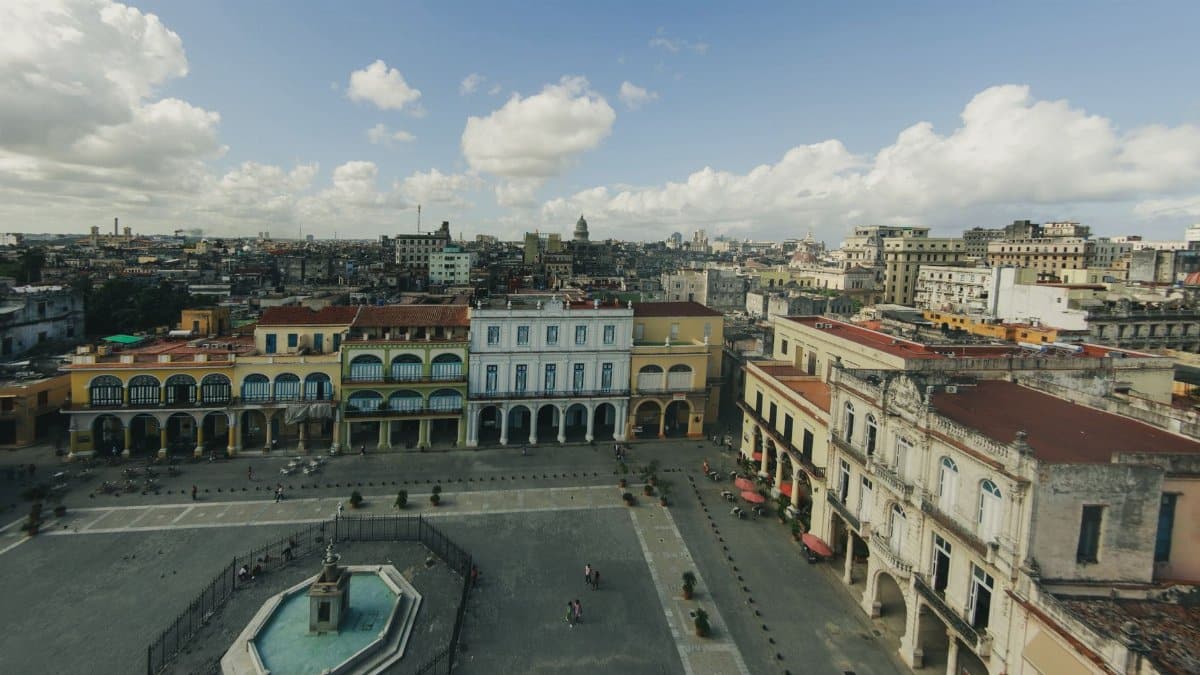
In recent years the economic situation in Cuba has drawn increasing attention from observers around the world. A new report prepared by five local economists presents a structured approach to transforming the island from its current system into one that incorporates elements of a Cuba market economy. The document outlines three phases designed to address longstanding issues such as inefficiency and lack of growth. Observers note that this comes amid ongoing difficulties with supplies and services that affect daily life for residents. The proposal seeks to balance social protections with greater openness to private initiative and foreign investment.
Understanding the Current Economic Framework in Cuba
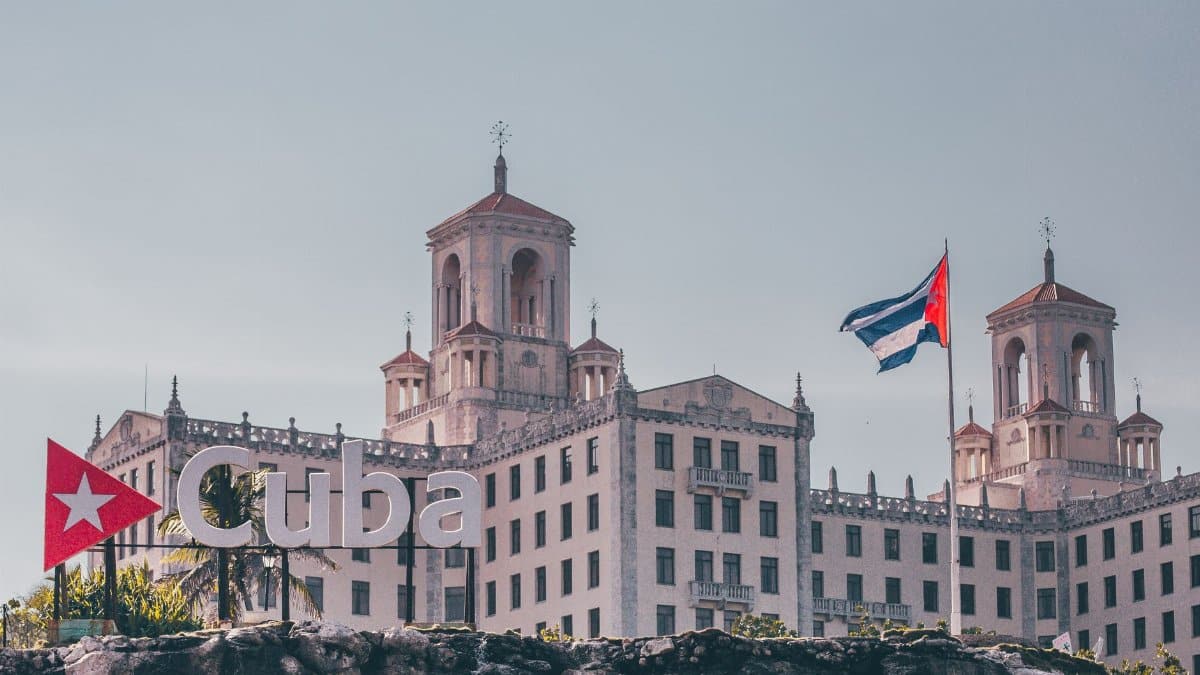
The existing setup relies heavily on central direction from the government which has produced mixed results over many decades. Production in key sectors like agriculture and manufacturing often falls short of targets leading to imports that strain limited resources. Residents frequently encounter empty shelves in stores and unpredictable access to basic goods. The report highlights how these patterns have contributed to a sense of stagnation among the population. It argues for measured steps that preserve certain safety nets while allowing more room for individual effort and competition.
Origins of the Five Economist Report
Five scholars based in Cuba came together independently to examine possible paths forward. They drew on their combined experience in academia and policy analysis to create a document that avoids abrupt upheaval. Their work reflects conversations with various local groups to understand practical concerns. The resulting roadmap emphasizes gradual adjustments rather than sudden overhauls. This collaborative effort stands out because it originates from within the country rather than from external advisors.
Phase One Focus on Limited Openings

The initial stage calls for targeted permissions that let small private activities expand in selected areas. Farmers could gain more control over what they grow and sell while certain urban trades receive legal clarity. The aim is to test these changes on a modest scale before wider application. Data from similar experiments elsewhere suggest that such steps can lift output without immediate disruption to public services. Careful monitoring would track effects on employment and prices.
Phase Two Emphasis on Institutional Support
After initial openings the plan turns to creating reliable rules and organizations that support broader activity. This includes clearer property guidelines and banking options suited to new enterprises. Training programs would help workers adapt to different roles in a shifting environment. The economists stress that strong institutions reduce risks of uneven development across regions. Without these foundations later stages could face resistance or failure.
Phase Three Path Toward Broader Integration
The final stage envisions connections with outside markets that allow Cuban producers to reach new customers. Trade agreements and investment rules would be updated in line with the earlier phases. The report envisions tourism and services playing larger roles alongside traditional exports. Success here depends on maintaining domestic stability throughout the process. Projections indicate potential gains in living standards if execution remains consistent.
Effects on Everyday Life for Residents
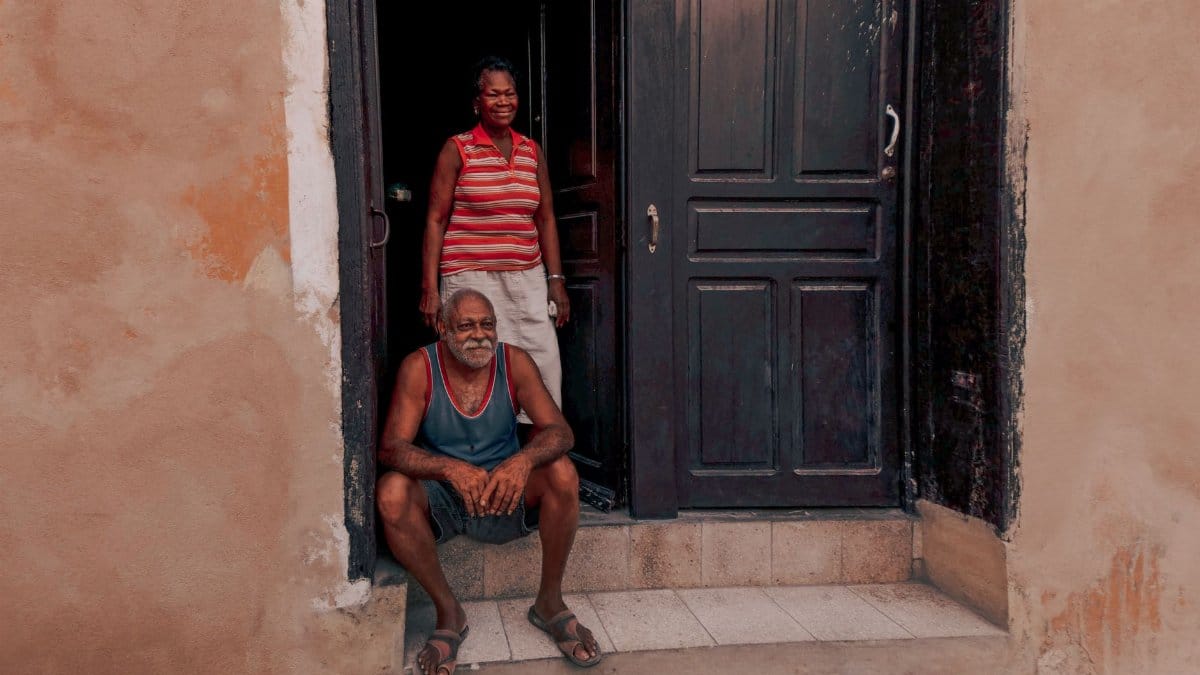
Families across the island stand to experience shifts in work opportunities and income sources. Some may find new avenues in private ventures while others continue in state roles. The proposal includes provisions to cushion vulnerable groups during transitions. Education and health services are meant to stay accessible even as the economy diversifies. Local voices in the report stress the need to avoid widening gaps between different communities.
Lessons from Transitions in Other Places
Examples from nations that moved away from central planning offer useful comparisons. Cases in Eastern Europe and parts of Asia show both successes and pitfalls when changes occur too rapidly. The Cuban authors note that their plan incorporates slower pacing to fit local conditions. They avoid direct copies of foreign models and instead adapt ideas to the island context. This selective approach seeks to minimize social friction.
Views from Outside Observers and Analysts

International commentators have responded with a mix of interest and caution regarding the proposed changes. Some see promise in the structured timeline while others question whether political realities will allow full implementation. Academic circles have begun discussing the details in forums focused on regional development. The source document is available through various outlets for those seeking the full text at the Miami Herald site linked in related coverage.
Obstacles That Could Affect Progress

Internal divisions and external pressures represent significant hurdles to the outlined steps. Resource shortages may slow the rollout of new rules and training. Weather events and global price swings add further uncertainty to any forecast. The economists acknowledge these factors in their analysis and suggest contingency measures. Sustained commitment from multiple sectors will be essential for steady advancement.