
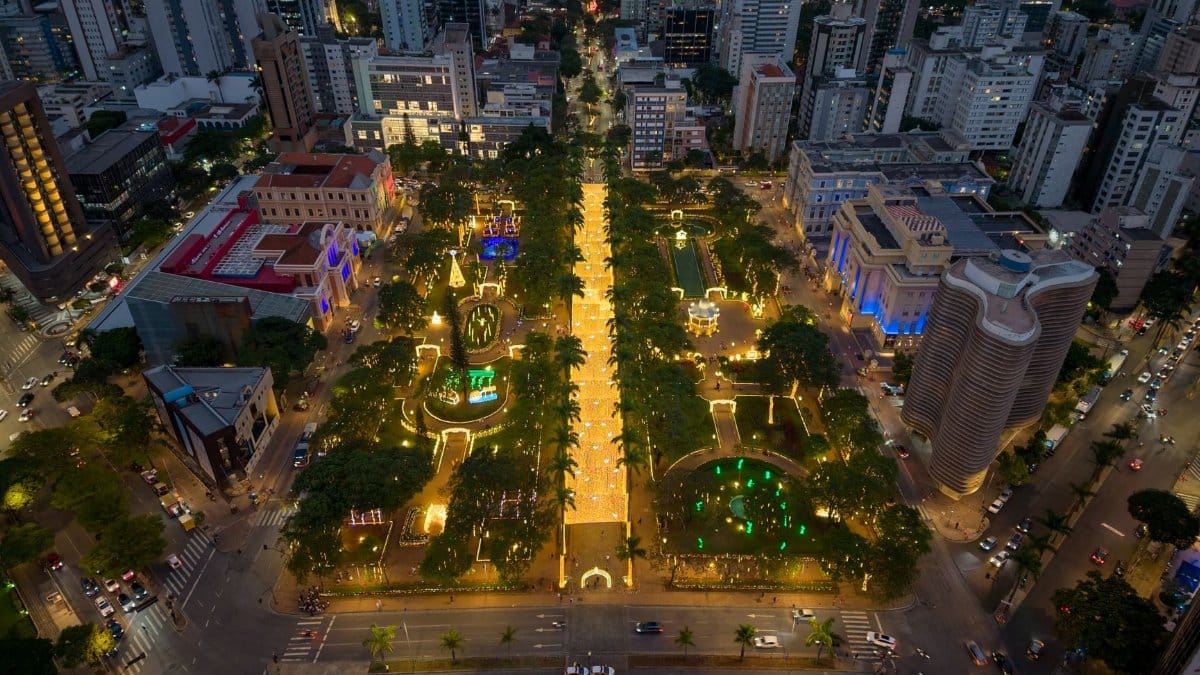
On a warm Houston evening, families drifted across the lawns of a historic park as music rose over the trees and children claimed the open grass. Neighbors who might pass one another on weekdays stopped to talk, share food, and watch the light change. The occasion joined a citywide tradition of National Night Out with the public debut of the renovated Emancipation Park Cultural Center, a building meant to hold gatherings that the lawn alone cannot.
A celebration that felt like a homecoming
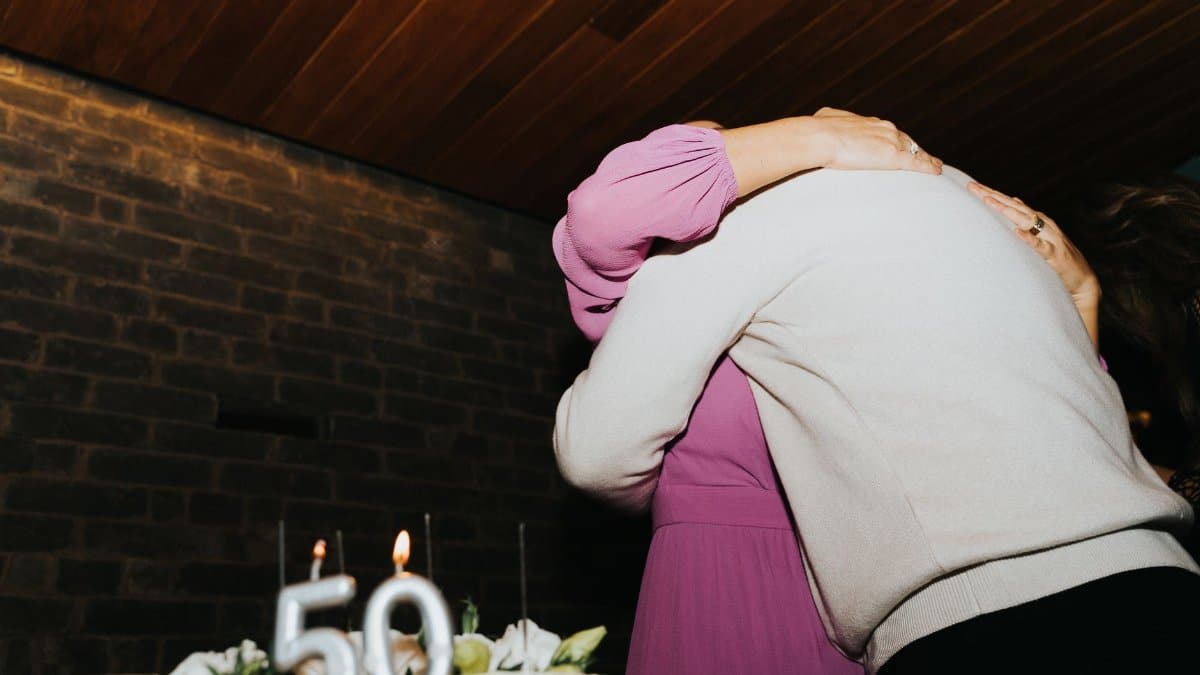
People arrived in small clusters, some pushing strollers, some carrying folding chairs, some coming straight from work with name tags still clipped to their shirts. The mood was not hurried. Volunteers pointed visitors toward tables. Officers stood in conversation rather than in formation. Older residents greeted one another with the easy recognition of people who have shared the same streets for decades.
National Night Out asks neighborhoods to step outside together, meet the people who patrol their blocks, and reclaim public space after dark. In Third Ward, that request landed on ground already thick with meaning. The park has long been a place where celebration and memory sit side by side. Opening renovated rooms on the same night gave the ritual a destination indoors as well as out.
Ground purchased for freedom
Emancipation Park began in 1872, when formerly enslaved Houstonians pooled money to buy land so their community would have a place to mark Juneteenth and to gather without asking permission from anyone else. Richard Allen, Richard Brock, Elijah Dibble, and the Rev. Jack Yates are the names most often attached to that purchase. The act was practical and profound. A people recently freed secured soil of their own in a city that had not been built for their ease.
That origin still shapes how the park is read. It is not a generic green space dropped into a neighborhood plan. It is a civic inheritance, kept through segregation, neglect, revival, and the pressures of a changing city. Any new room added to that inheritance carries the question of whether it will serve the same public that the founders imagined: neighbors, churches, children, and elders who need somewhere to belong.
What the renovated rooms are asked to do
A cultural center, at its best, is not a monument with locked doors. It is a working house for rehearsals, meetings, classes, memorials, and ordinary Tuesdays when someone needs a table and a roof. The renovation signals that the park’s indoor life is meant to match the seriousness of its outdoor history. Visitors on opening night moved through spaces that smelled of new finish and fresh paint, pausing at thresholds the way people do when a familiar place has been made strange and then offered back.
The Emancipation Park Cultural Center now sits as a promise that programming will have a stable address. Dance groups, oral history projects, youth workshops, and church auxiliaries all need square footage that does not vanish when the weather turns. A lawn can host a festival. A center can host a semester. The distinction matters in a neighborhood where gathering places have too often been temporary.
National Night Out beyond the slogan
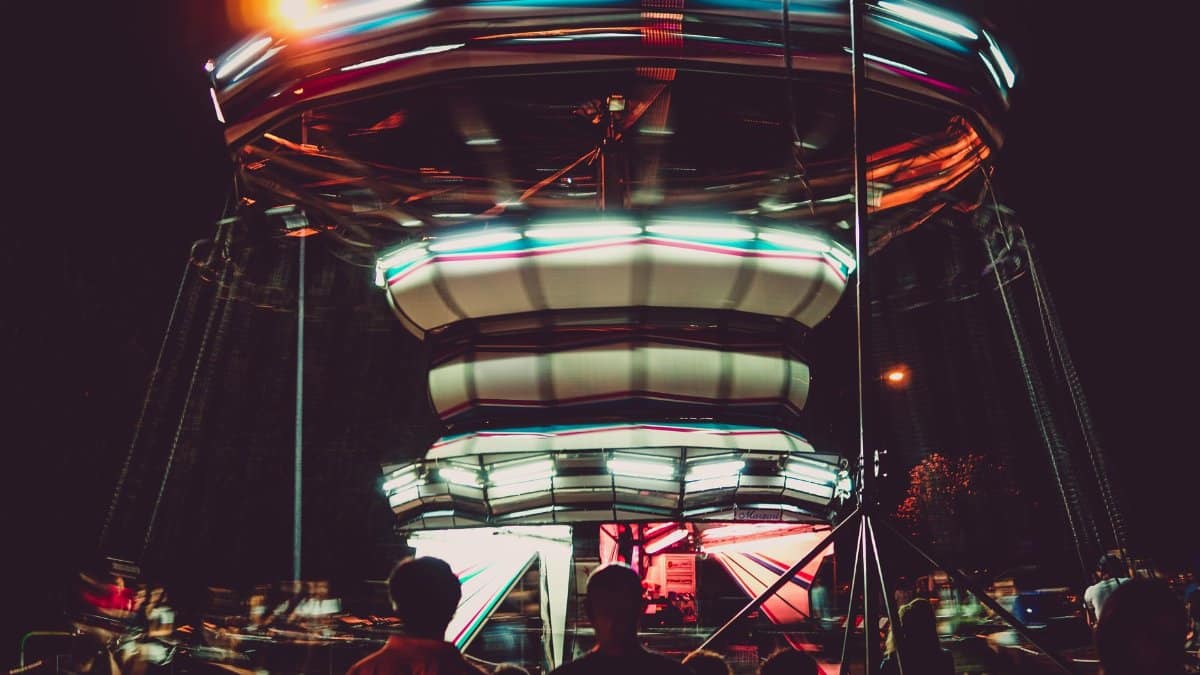
The national event began as a gesture against isolation, a night when porch lights and block parties were supposed to make crime harder and trust easier. Critics have fairly noted that a single evening cannot repair uneven policing or the deeper injuries of disinvestment. Supporters answer that visibility still counts. When officers and residents share a plate of food, the exchange is small, but it is not nothing.
In this setting, the night carried an extra charge. Safety here has never been only a matter of patrol cars. It has also meant the safety of being seen, of having a park that the city maintains, of knowing that Juneteenth ground will not be quietly converted into something the founders would not recognize. Standing together under those trees folded crime prevention into a larger civic hope.
Faith communities in the crowd
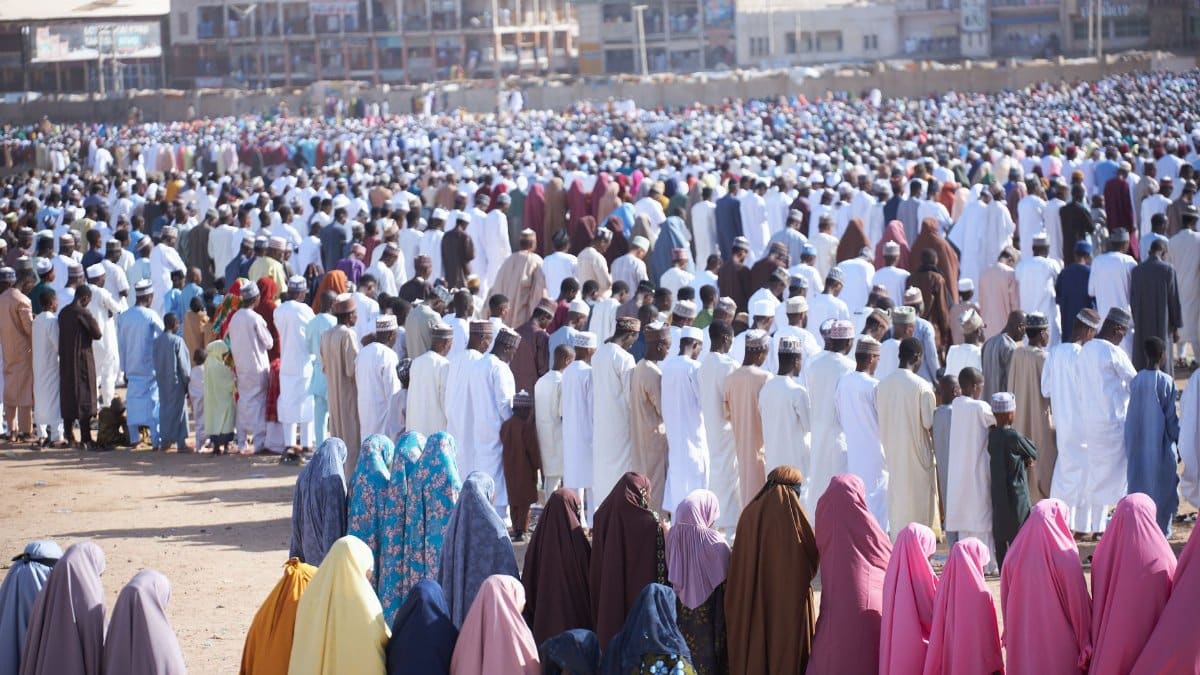
Houston’s Black church tradition has never treated the park as secular ground in the thin sense of that word. Congregations have used it for announcements, reunions, and prayers that spill past sanctuary walls. On this night, that overlap was visible in the way people greeted pastors, in the hymns that brushed against the edges of the playlist, and in the quiet habit of blessing the food before anyone reached for a plate.
Spiritual life, in this reading, is not confined to Sunday. It shows up as stewardship of a public place, as the decision to bring children where elders can still tell the story, and as the refusal to let history become a plaque that no one touches. The opening offered churches and neighborhood groups a fresher stage for that work, without asking them to surrender the lawn that has always been their larger sanctuary.
Children, elders, and the relay of memory
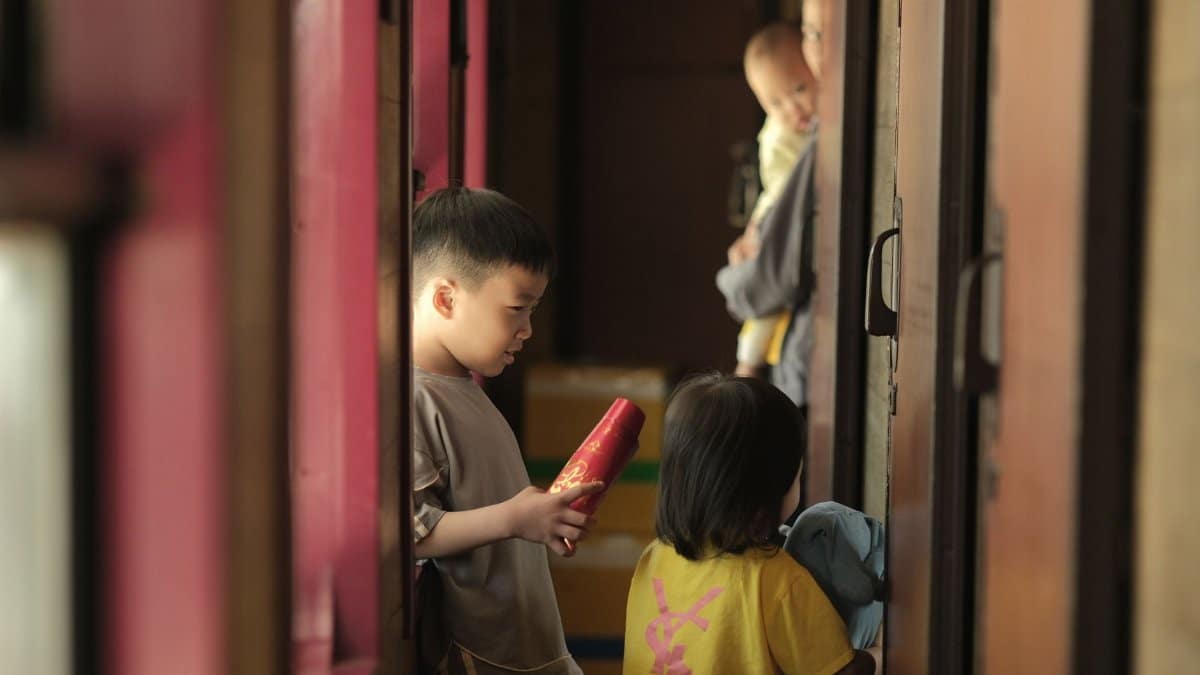
The most convincing argument for the renovation did not come from a ribbon or a speech. It came from the age range of the crowd. Toddlers tested the grass. Teenagers hovered at the edge of the music, too cool to admit they were glad to be there. Elders claimed chairs and became, without appointment, the evening’s archivists.
A cultural center earns its name when those generations can occupy the same rooms on purpose. Young people need studios and stages. Older residents need seats, acoustics kind to tired ears, and programs that treat them as teachers rather than as audience. If the building becomes a place where a teenager interviews a neighbor who remembers an earlier park, the renovation will have done more than update finishes. It will have extended the oral chain that paper records never fully hold.
The city around the fence line
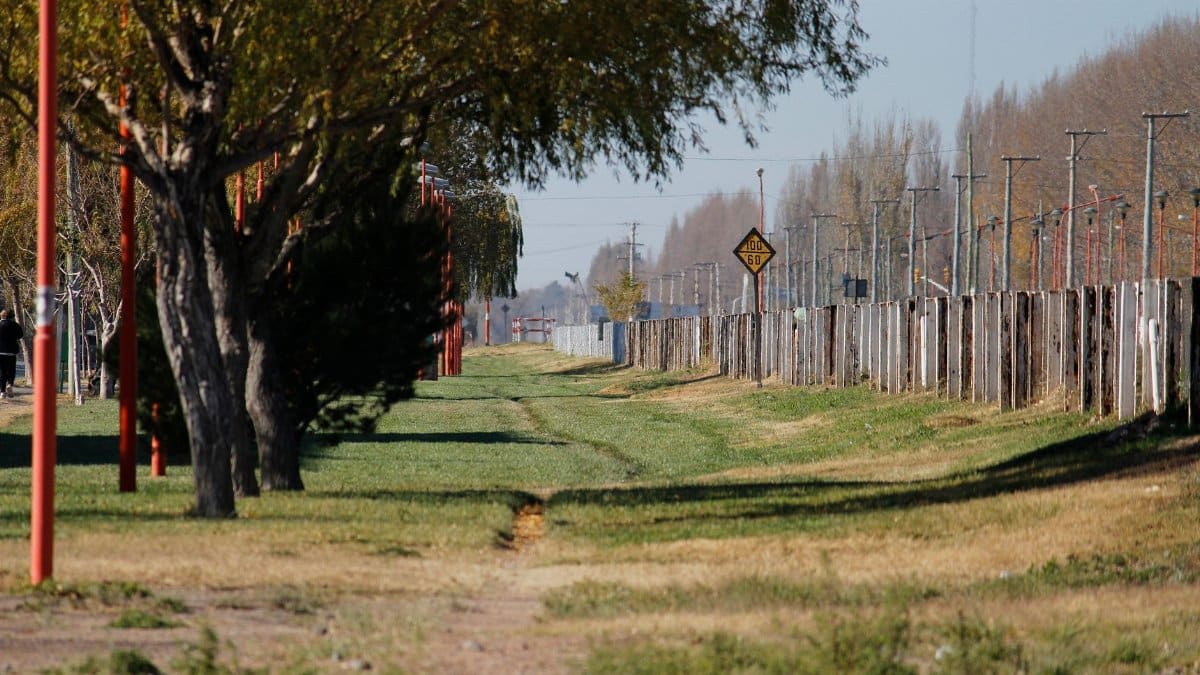
Third Ward is not a postcard. Rising rents, shifting demographics, and the long memory of uneven city services press on every celebration held here. Neighbors can love a renovated hall and still ask who will be able to walk to it in ten years. A beautiful public room does not, by itself, keep a community housed. It can, however, make dispersal harder to ignore, because people who meet regularly notice who has gone missing.
That tension belongs in any honest account of the night. Joy and vigilance are not opposites in this park. They have shared the calendar since 1872. Families came to mark freedom and to insist that freedom have an address. The same double motion was present as people applauded new walls and then talked, in lower voices, about taxes, schools, and the price of staying.
Officers, neighbors, and the limits of a handshake
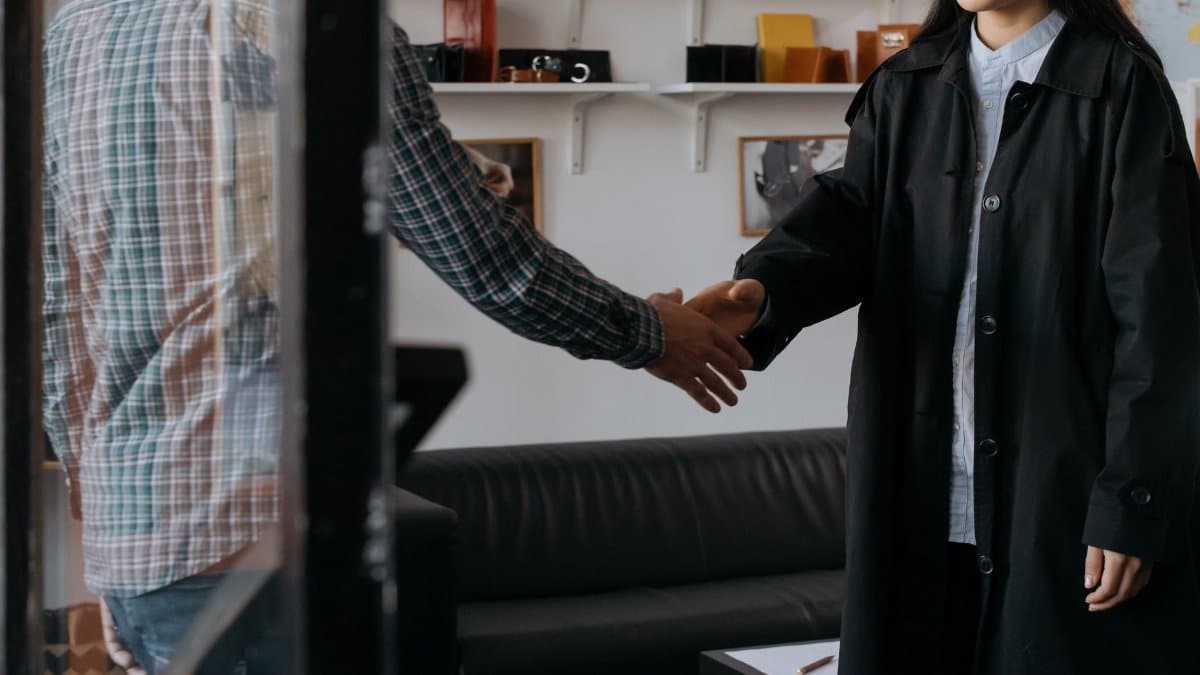
Conversations with law enforcement on National Night Out are easy to romanticize and easy to dismiss. Both errors miss the texture of the exchange. Some residents wanted to know response times. Some wanted a face to attach to a cruiser that usually passes at speed. Some wanted simply to be treated as hosts on their own ground, not as a problem to be managed.
The park’s history gives those talks a backdrop that generic block parties lack. This land was bought because official institutions had not made room. Trust, where it exists, is earned in increments and lost in a single bad encounter. A renovated center can host future meetings that last longer than a photo opportunity. Whether those meetings change policy will depend on what happens after the lights come down, not on the warmth of a single August style evening stretched across the calendar of community policing.
Programming as the real opening

Buildings open once. Programs open again and again, or they fail to. The measure of the Emancipation Park Cultural Center will be the calendar posted on its doors six months from now. Will there be affordable rentals for local artists? Will youth have hours that match school schedules? Will memorial gatherings for Juneteenth and for private losses find a welcoming desk rather than a maze of permits?
Residents who have watched civic promises fade are right to wait for the schedule before they offer full praise. Still, a finished renovation removes one familiar excuse. No one can say the rooms are not ready. The obligation shifts from construction to hospitality, from capital campaigns to the quieter labor of unlocking doors on time and keeping them unlocked for the people who paid for this ground in the first place, in money, in memory, and in continued presence.
Light on the grass after the speeches
When the formal remarks ended, the park returned to its older rhythm. Someone laughed too loudly. A child refused to leave the open space. Plates were stacked. The building, newly bright, stood as one more room in a landscape that has always been larger than any single structure.
National Night Out will come again next year, in this neighborhood and in others. What distinguished this edition was the sense that a historic park had added capacity without erasing its reason for being. The Emancipation Park Cultural Center does not replace the lawn where freedom was celebrated. It gives that celebration a place to continue when the weather turns and when the work of community requires walls, chairs, and a door that opens toward the street.
People left with folding chairs under their arms and with the small, durable knowledge that a public room had been handed back to them. In a city that often measures progress in towers, the more spiritual fact of the night was simpler. Neighbors had gathered on emancipated ground, looked at a renovated house of culture, and decided, for at least one evening, to stay.