
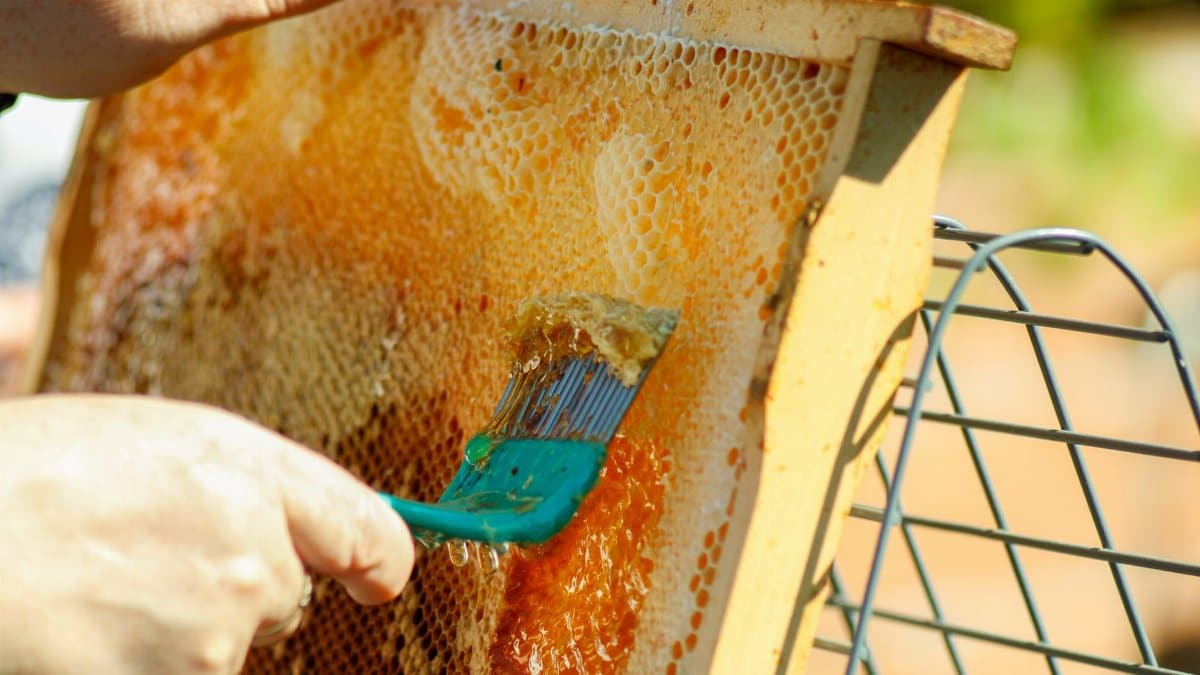
In the hills outside Baltimore some local beekeepers have turned an invasive pest into an unlikely resource. Spotted lanternflies feed on tree sap and excrete a sticky substance that bees collect and transform. The result is lanternfly honey a distinctive product now appearing at markets in Howard County and beyond. Residents who once viewed the insects only as a nuisance are discovering how the natural process creates something new and marketable.
Beekeepers Adapt to Changing Conditions
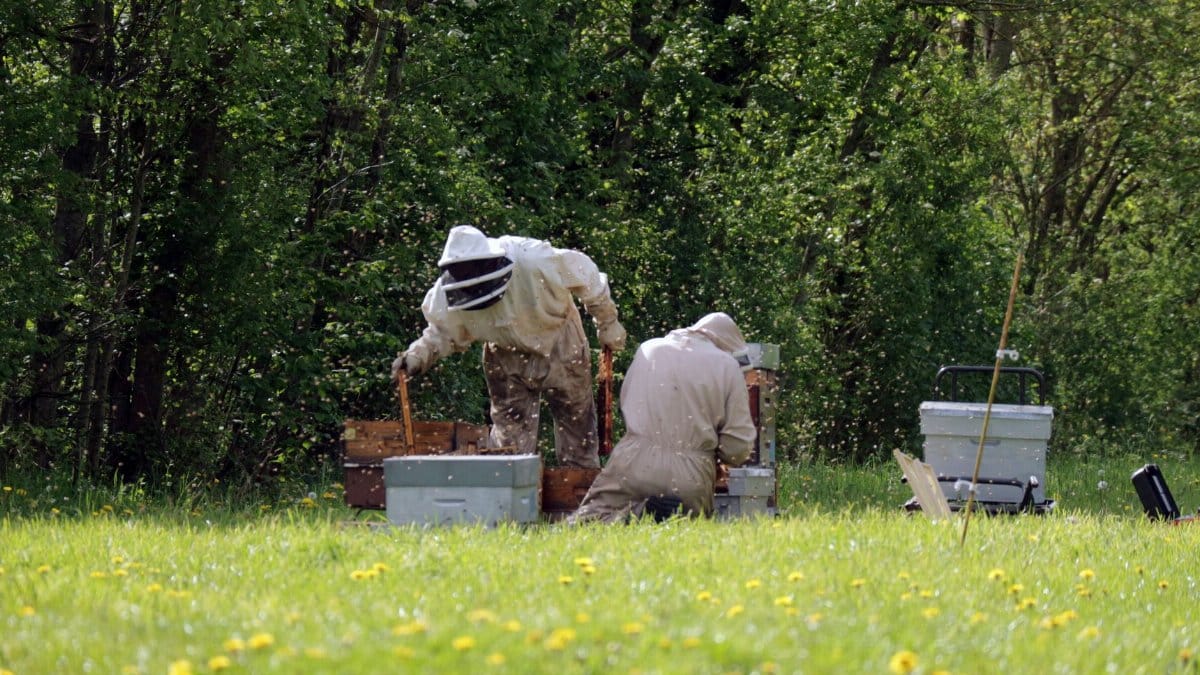
Ellicott City keepers noticed increased honeydew deposits on local trees during warm months. Rather than discard the resource they placed hives nearby and observed bees gathering the sweet liquid. This approach requires close monitoring yet yields a harvest that stands apart from traditional clover or wildflower varieties.
Local Markets Embrace the New Offering

HoCo Honey appears at weekend stalls and online shops serving the region. Shoppers sample jars that carry a darker color and deeper flavor profile. Sales have grown steadily as word spreads among those seeking items tied to area agriculture.
Understanding the Insect Behind the Product
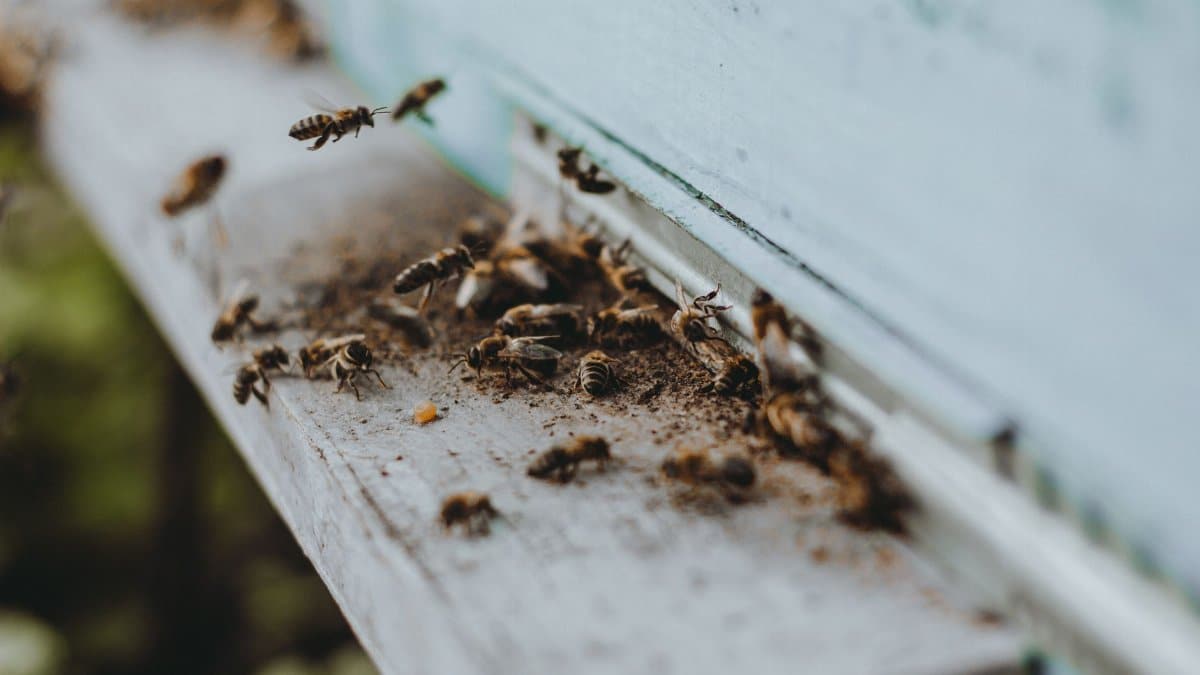
Spotted lanternflies arrived in the United States years ago and spread across several states. They weaken trees by draining sap yet their waste product feeds pollinators in unexpected ways. Beekeepers study these patterns to time hive placement for best results.
Flavor Notes That Surprise Tasters

Jars of lanternfly honey reveal hints of molasses and fruit that differ from lighter options. Chefs in nearby restaurants have begun testing it in glazes and desserts. Feedback from home cooks suggests it pairs well with cheeses or morning toast.
Community Views on an Invasive Resource
Some residents express mixed feelings about profiting from an introduced species. Others see practical value in converting a problem into income. Discussions at town meetings often weigh environmental concerns against economic opportunities for small farms.
Sales Channels and Growth Potential

Online orders now reach customers outside Maryland. Beekeepers report steady demand during holiday seasons when gift buyers seek unique local goods. Expansion plans include larger apiaries if tree coverage remains sufficient.
Broader Lessons for Regional Agriculture

This case illustrates how farmers respond to ecological shifts with creative methods. Similar experiments may appear elsewhere as new species arrive and alter landscapes. Observers note the importance of balancing pest control with beneficial uses when possible.
Future Outlook for Similar Initiatives

Continued monitoring will determine whether lanternfly honey becomes a lasting staple. Weather patterns and tree health play key roles in sustaining production levels. Local groups continue sharing knowledge to support others interested in the practice.