
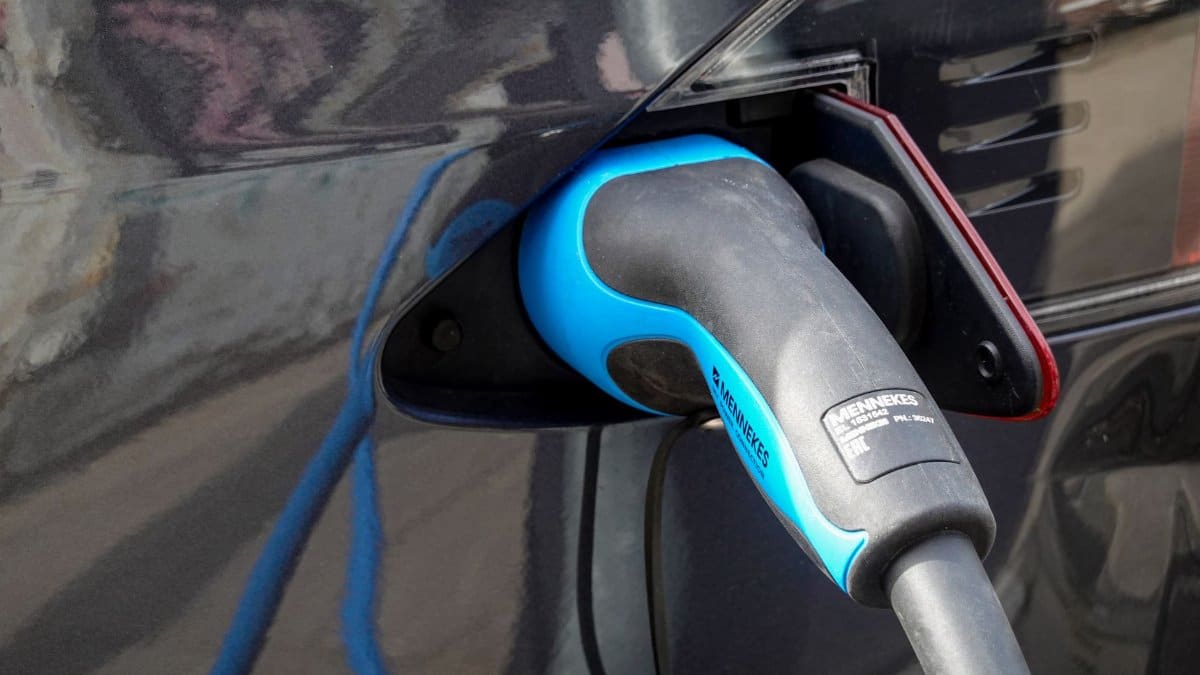
In recent years many drivers have turned to electric vehicles seeking both environmental benefits and lower operating costs yet one policyholder found his long trusted provider unwilling to continue support after years of claims free driving. The decision came without warning and left the customer facing a sudden gap in protection at a time when replacement parts and repairs for these cars can prove costly. This case where EV insurance dropped illustrates broader tensions in the market as companies reassess risks tied to battery technology and repair networks.
Customer Experiences With Policy Shifts

Stories like this one are becoming more common among owners who purchased their vehicles during earlier incentive periods. Families that relied on stable premiums now report letters arriving in the mail announcing nonrenewal with little explanation beyond references to emerging data on claim severity. Such moves force individuals to hunt for new carriers often at higher rates and with stricter conditions attached to coverage for high voltage components.
Industry Data On Risk Assessment

Insurers point to statistics from collision repair studies showing elevated expenses when batteries suffer damage in even minor incidents. A report from the Insurance Institute for Highway Safety details average repair bills that exceed those for gasoline models by wide margins. Readers can review the findings directly at https://www.iihs.org/topics/electric-vehicles where detailed comparisons appear.
Regional Variations In Availability
Availability differs sharply across states with some coastal markets maintaining competitive options while inland areas see fewer providers willing to write new policies. Agents in rural zones describe having to place clients with specialty carriers that focus on niche segments rather than standard personal auto lines.
Repair Network Challenges
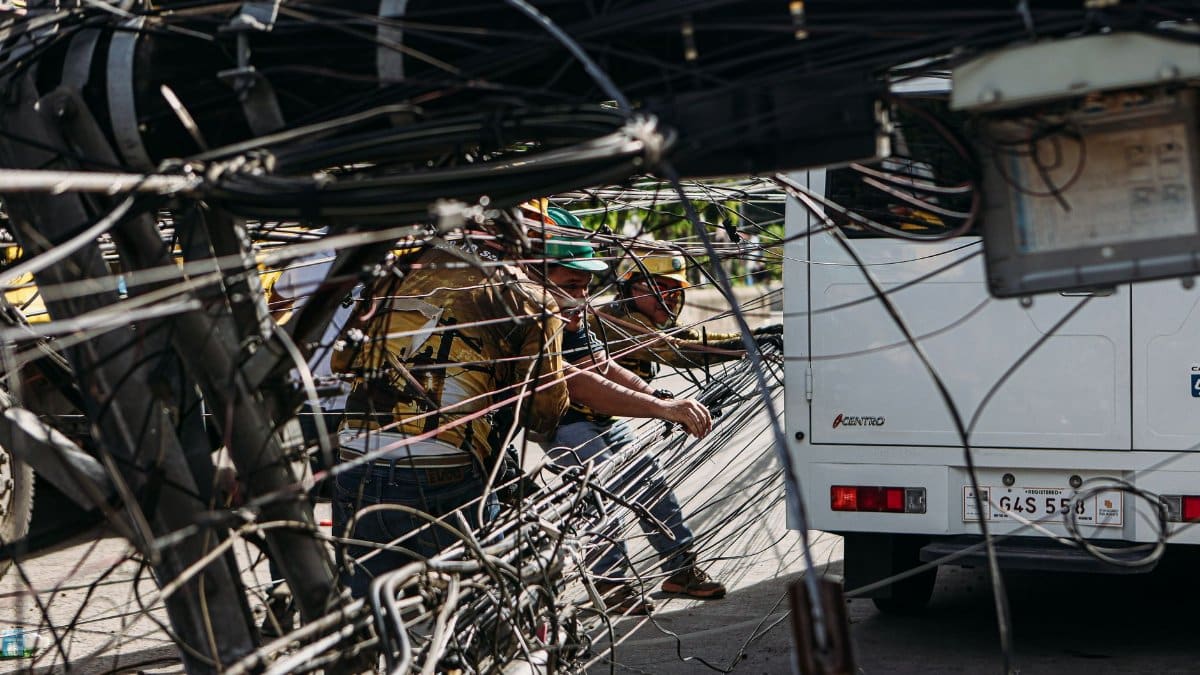
Certified technicians remain limited outside major metropolitan centers leading to delays that increase rental car expenses during the claims process. Parts sourcing from overseas manufacturers adds further layers of complexity when supply chains face disruption. These factors contribute to underwriters viewing electric models as carrying elevated loss potential over the full policy term.
Consumer Options After Nonrenewal

Individuals confronting EV insurance dropped must compare quotes across multiple platforms while disclosing prior coverage history accurately. Some turn to usage based programs that monitor driving habits in exchange for potential discounts yet these require installation of tracking devices that raise privacy considerations for many households.
Regulatory Responses And Oversight

State insurance departments have begun requesting detailed filings from carriers to understand the basis for selective nonrenewals. Lawmakers in several legislatures have introduced measures requiring advance notice periods and explanations that go beyond generic risk language. Such proposals aim to protect consumers during a period of rapid technological change in personal transportation.
Future Trends In Vehicle Protection
Analysts anticipate continued evolution as battery designs improve and repair training expands through community college partnerships. Early indications suggest that widespread adoption of solid state technology could alter loss profiles enough to stabilize premiums though widespread deployment remains years away. In the meantime owners weigh these uncertainties against fuel savings and environmental goals.
Broader Market Implications
The pattern of EV insurance dropped affects not only individual households but also fleet operators and ride share companies that depend on predictable costs. Large commercial accounts negotiate custom terms yet smaller businesses face similar hurdles when scaling electric fleets without adequate protection options. This dynamic influences purchasing decisions at both consumer and corporate levels.