
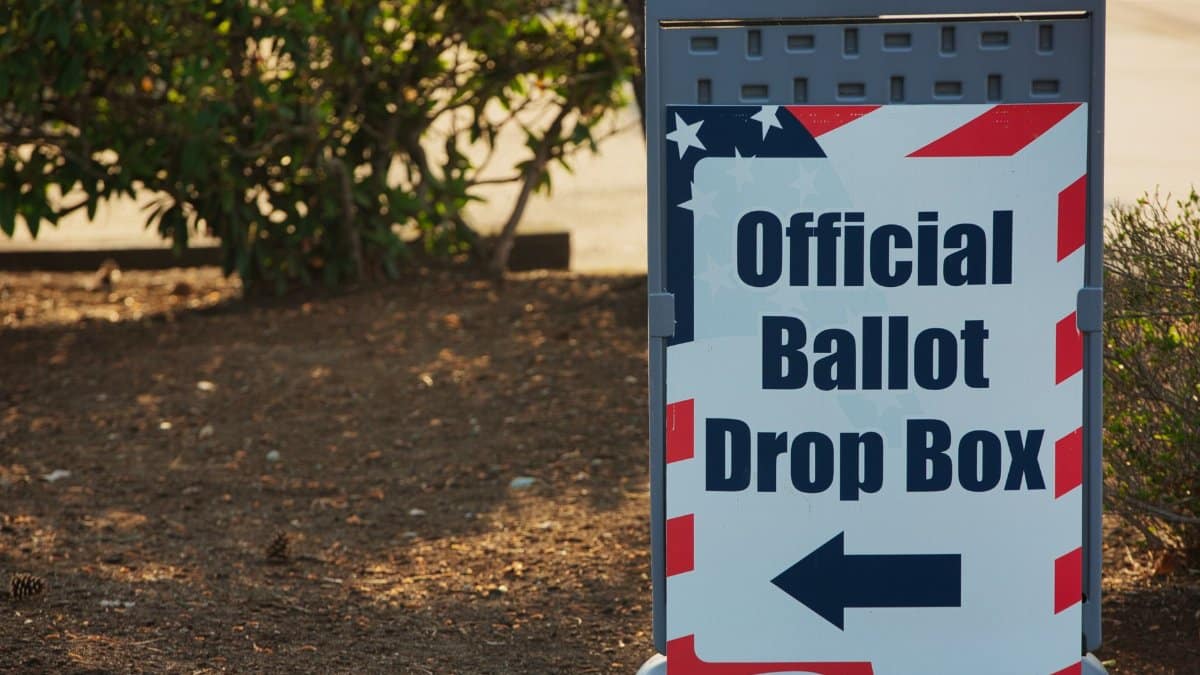
Across the country voters have been deciding who will manage the processes that keep democracy running. In several important states candidates skeptical of past election outcomes have made strong showings in contests for secretary of state races. This development raises questions about how future votes will be handled and what safeguards might be put in place or removed as campaigns focus on who controls the mechanics of voting itself.
Why These Positions Matter More Than Many Realize
Offices that handle election rules and certification carry weight that often goes unnoticed until disputes arise. Those elected to them decide on voting equipment standards and how ballots get counted after polls close. In states where margins run tight the person in charge can shape public confidence in the entire system.
Primary Results Signal Shifts in Key Areas

Recent contests in Arizona Nevada and Wisconsin showed candidates questioning the last national vote advancing further than expected. Observers note this pattern could influence how rules are applied in upcoming cycles. The outcomes suggest a broader push to place allies in roles that oversee the vote.
Background on Contested Election Claims
Some candidates have built their platforms around assertions that prior results were flawed. These views have drawn support from voters who share similar doubts. At the same time they have prompted warnings from officials who argue that such rhetoric undermines trust in routine procedures.
Impact on Voting Access Measures

Leaders in these roles often weigh in on identification requirements and mail ballot policies. Changes here can affect turnout among certain groups. Analysts watch closely to see whether new approaches tighten or loosen participation in future elections.
Reactions From Party Leaders and Activists
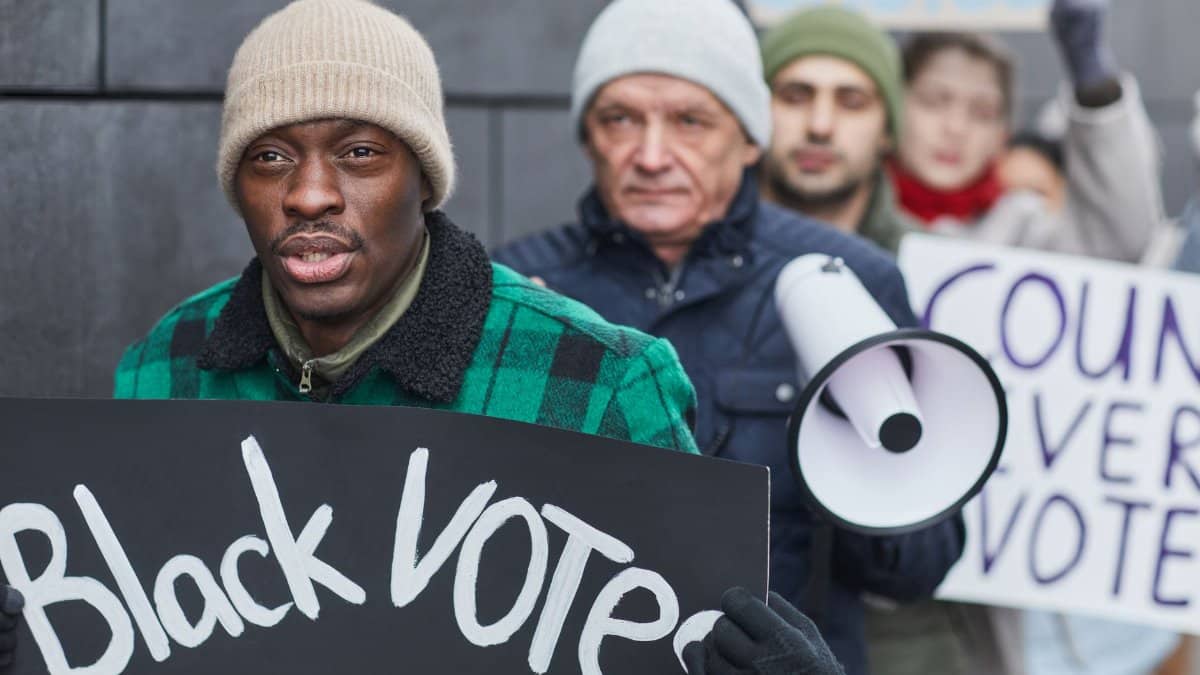
Both major parties have responded with statements on the direction of these races. Some see an opportunity to strengthen oversight while others express concern over possible disruptions. Grassroots groups have mobilized around the issue in the affected states.
Historical Context for State Election Roles
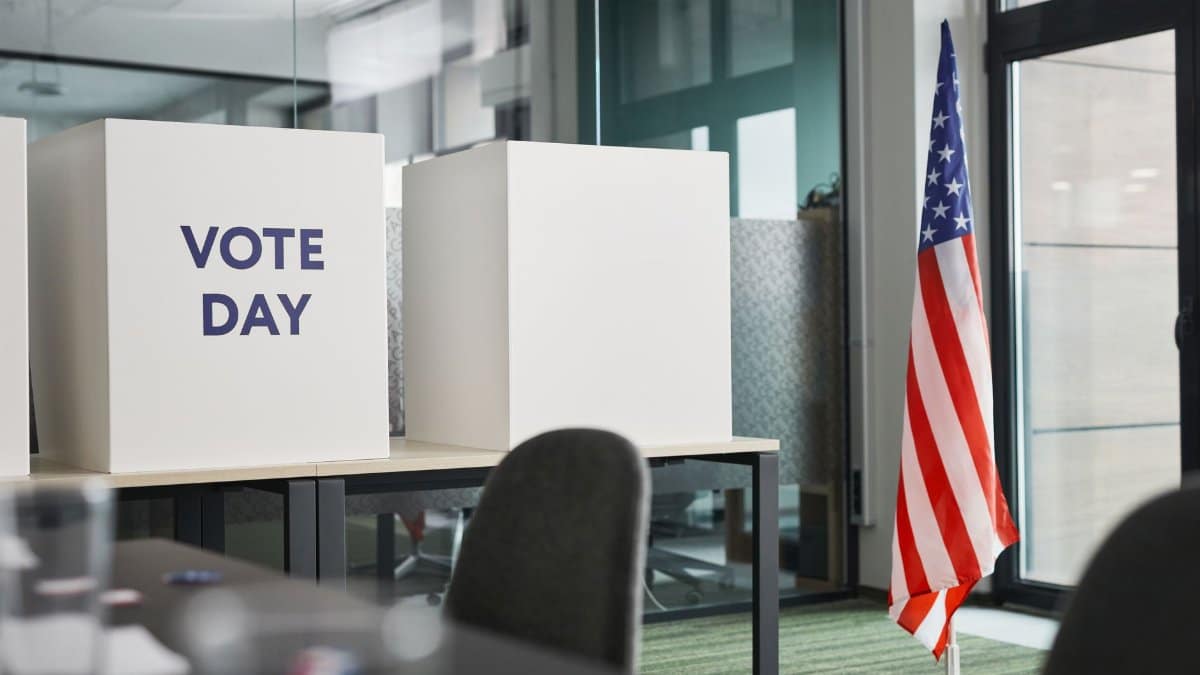
These positions have long existed to administer laws passed by legislatures. Their visibility increased during periods of close national contests. Past holders focused on technical improvements such as updated voter rolls and clearer instructions for poll workers.
Potential Consequences for Future Cycles

If winners pursue aggressive changes the process of certifying results could face new hurdles. Court challenges might follow any disputed tallies. Lawmakers in state capitals are already debating whether additional legislation is needed to clarify duties.
Public Opinion and Media Coverage Trends
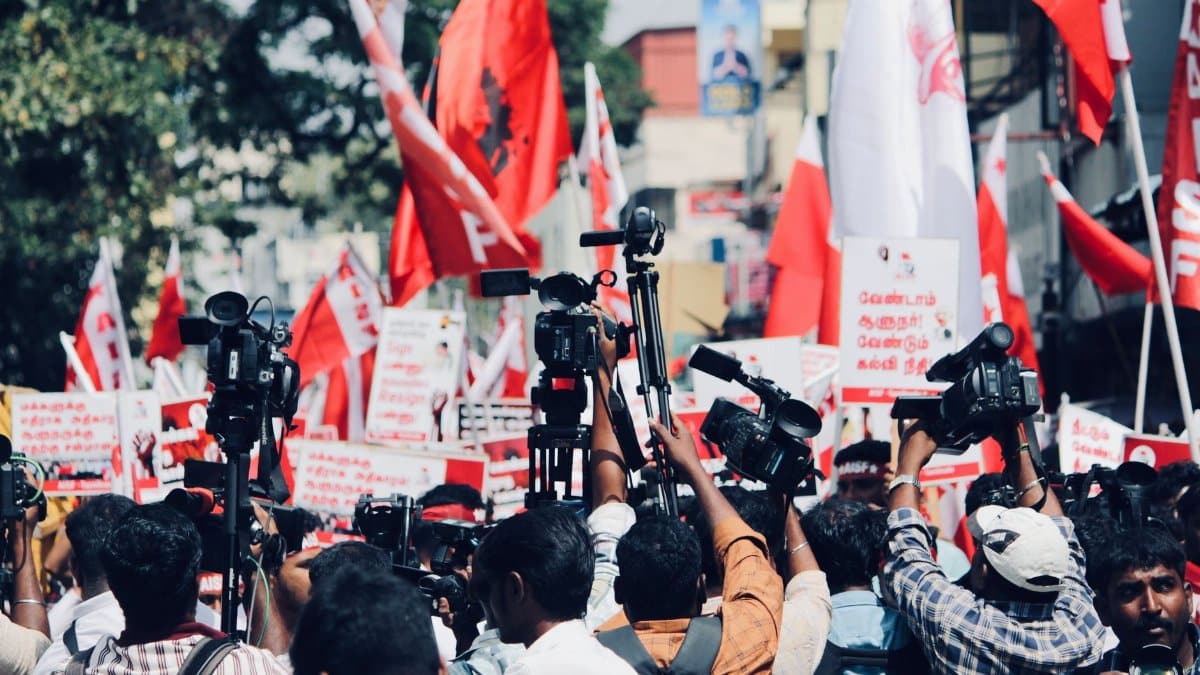
Surveys indicate divided views on whether these offices require closer scrutiny. Coverage in national outlets has highlighted the candidacies while local reporting often centers on practical effects for residents. Discussions continue in community forums and online spaces alike.
Broader Implications Beyond Individual States
Success in a handful of swing areas could encourage similar efforts elsewhere. National organizations track the trend to gauge its reach. The pattern reflects ongoing debates about election administration that show no sign of fading soon.