

In Michigan politics few developments have stirred as much discussion among community leaders as the recent primary results that thrust Abdul El Sayed into the spotlight. Observers note that building El Sayed Jewish support will require careful navigation of longstanding sensitivities around foreign policy and local alliances. The candidate secured a narrow victory yet faces questions from voters who prioritize strong ties with Israel and worry about shifts in Democratic positions. This dynamic has prompted strategists to examine how broader coalitions might form ahead of the general election. Personal stories from suburban neighborhoods reveal a mix of hope and hesitation as residents weigh the implications for representation at the federal level.
Background on the Primary Contest

The Michigan Senate primary featured several contenders with El Sayed emerging after a tightly contested race. His platform emphasized healthcare access and economic equity drawing support from urban and progressive blocs. Turnout patterns showed strength in certain counties while revealing gaps in others that could prove decisive later. Analysts point to the need for outreach that addresses diverse priorities without alienating core groups.
Perspectives from Jewish Communities
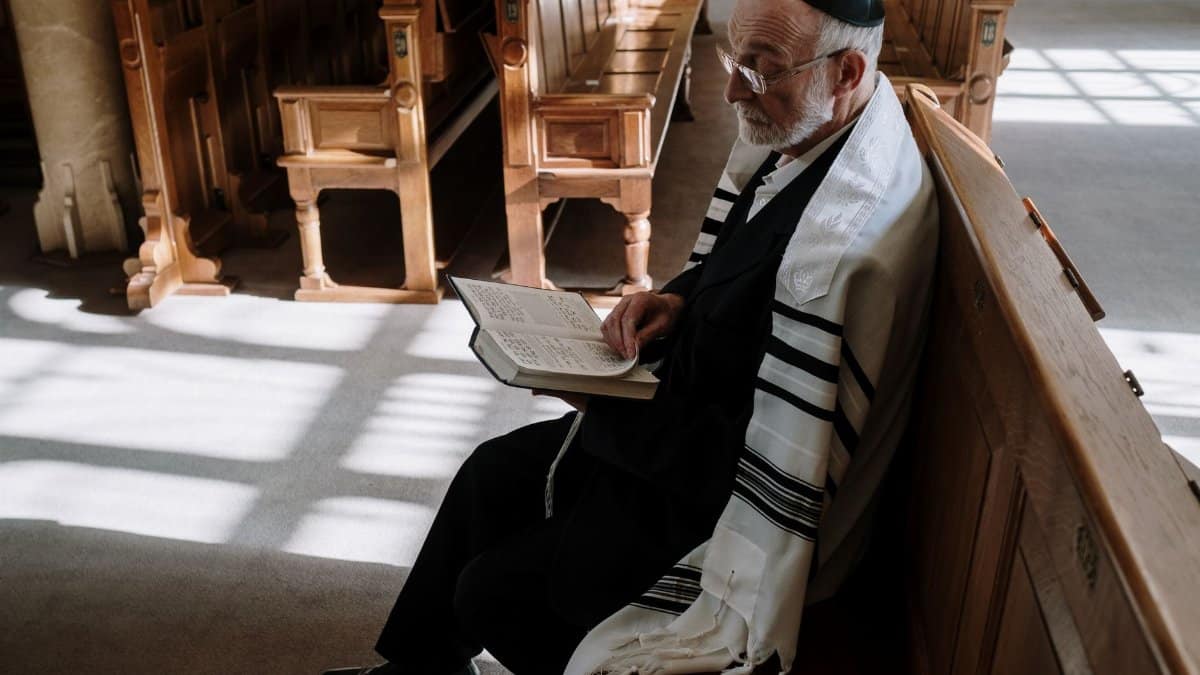
Many residents in areas with significant Jewish populations expressed reservations following the primary outcome. Discussions in synagogues and community centers highlighted concerns over past statements on Middle East issues. Leaders stressed the importance of clear commitments to security partnerships. These conversations reflect broader trends seen in similar electoral settings across the Midwest.
Challenges in Coalition Building
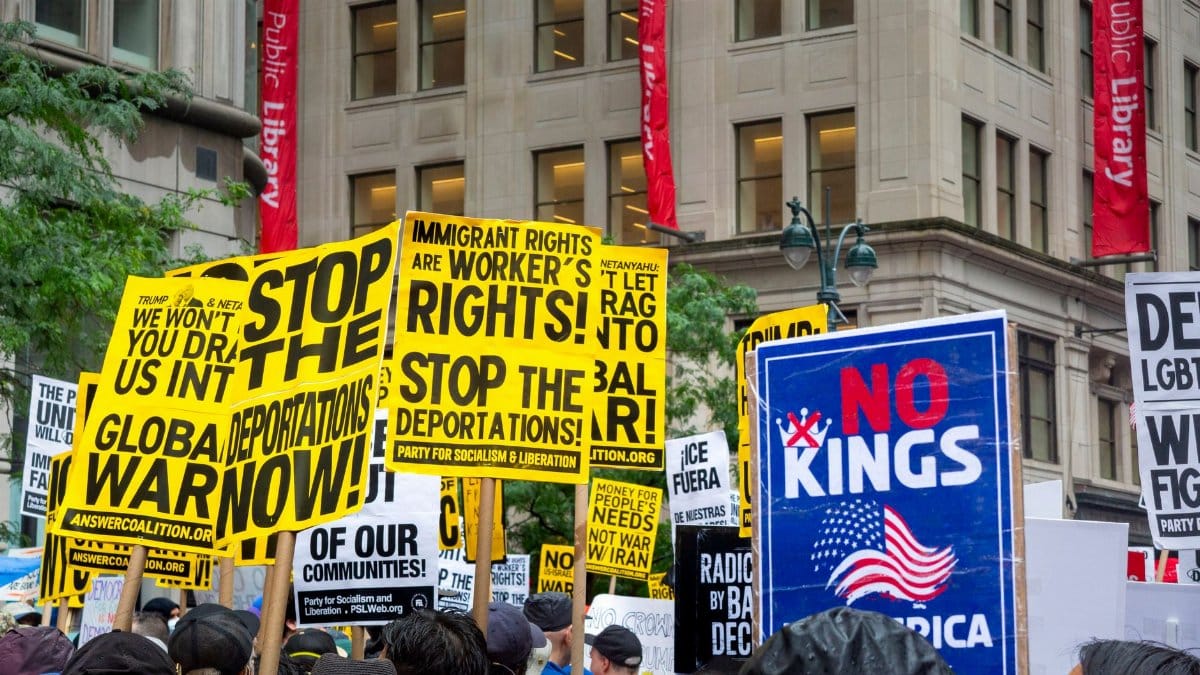
Forming durable alliances demands attention to historical grievances and current events. El Sayed Jewish support hinges on demonstrating consistency in policy positions that resonate with multiple faiths. Campaign teams have begun scheduling meetings with rabbis and organizational heads to clarify stances. Success here could influence turnout in pivotal districts.
Role of National Organizations
Groups focused on advocacy have weighed in with statements urging candidates to engage directly. Their involvement often shapes public perception and media coverage. In this instance emphasis falls on dialogue that acknowledges varied viewpoints within the electorate. Such efforts aim to prevent misunderstandings that might suppress participation.
Local Economic Factors at Play

Michigan voters frequently cite manufacturing jobs and infrastructure as top issues. El Sayed has tied these themes to his vision for statewide growth. Jewish business owners in retail and professional services watch for signals on regulatory approaches. Alignment on these practical matters may complement efforts to secure El Sayed Jewish support in coming months.
Media Coverage and Public Discourse
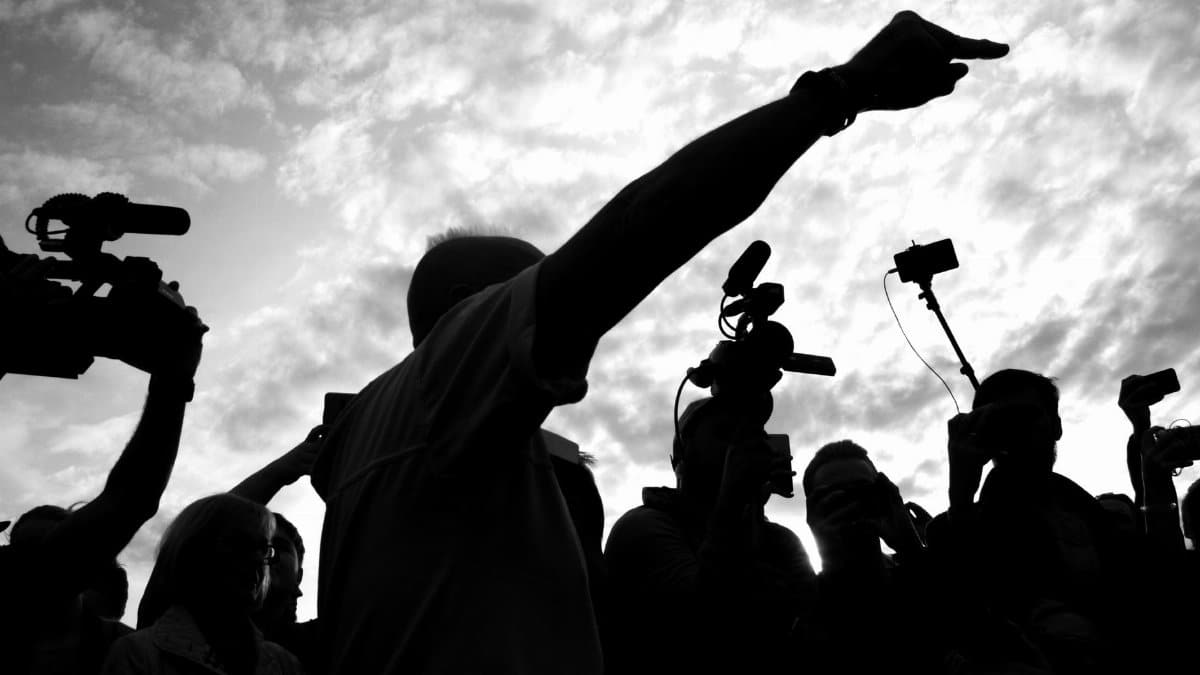
News outlets have amplified reactions from different quarters creating a lively exchange of ideas. Editorials and interviews reveal contrasts between national framing and on the ground realities. Readers encounter arguments that range from cautious optimism to pointed critique. This environment tests the ability of campaigns to maintain steady messaging.
Comparisons with Past Elections
Previous Senate races in the state offer lessons on voter mobilization across religious lines. Patterns from earlier cycles suggest that sustained personal contact yields better results than broad appeals alone. Candidates who invested time in community events often saw improved margins. Applying those insights now could help address current divides.
Outlook for the General Election
With months remaining before November strategists anticipate intensified focus on swing areas. El Sayed Jewish support will likely depend on visible actions that build trust over time. Both parties recognize the potential impact of this demographic in a competitive landscape. Observers will monitor developments closely as platforms evolve.