
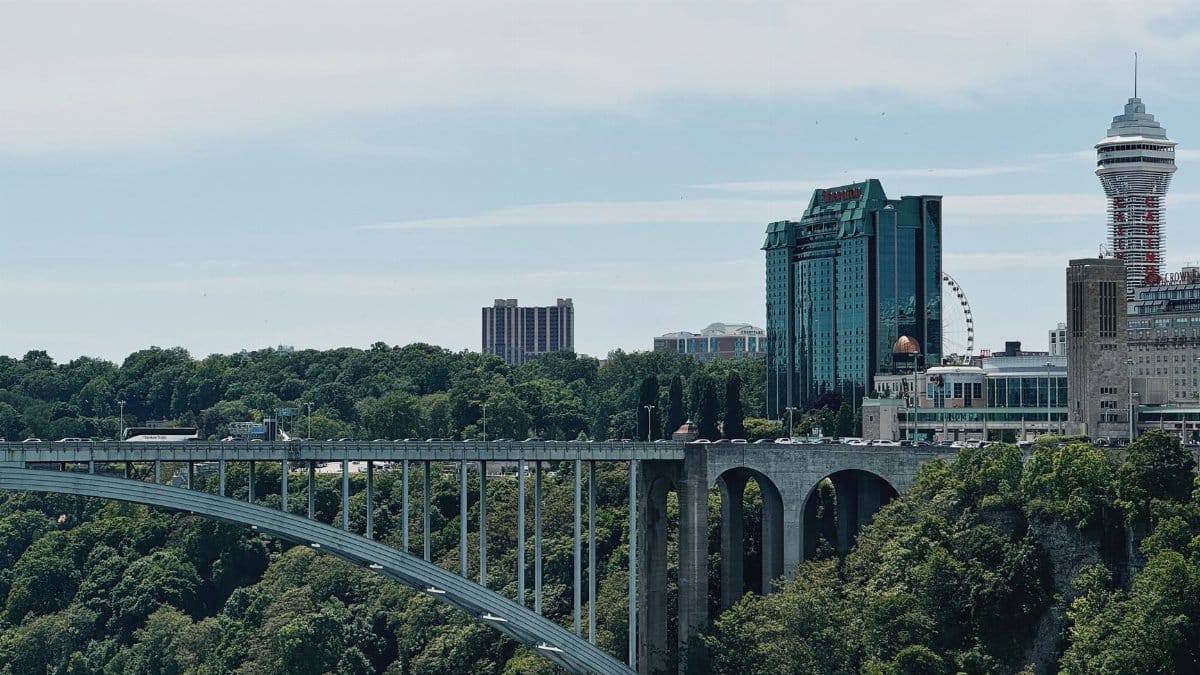
In an era of prolonged delays on vital public works the arrival of a new international link between Michigan and Ontario offers a welcome contrast to years of inaction. Leaders from both countries worked through regulatory hurdles and local opposition to bring the project to fruition. The effort highlights how binational cooperation can overcome obstacles that domestic politics often exacerbate. For residents and businesses alike the change promises smoother passage and reduced congestion at existing routes. The Gordie Howe bridge now stands ready to serve as a modern gateway after more than a decade of planning and construction.
Origins of the Crossing Idea

Discussions about a second bridge across the Detroit River date back decades yet real momentum built only recently. Officials recognized that growing trade volumes required expanded capacity beyond what one aging structure could handle. Community input shaped the final design with attention to environmental protections and urban integration. This foundation allowed later phases to proceed despite shifting administrations in Washington and Ottawa.
Role of Private Interests in Delays

Ownership of the existing Ambassador Bridge by a single family created resistance to competition. Legal challenges and lobbying slowed approvals for the new span as the proprietor sought to maintain market control. Such dynamics illustrate how concentrated private power can intersect with public needs in ways that extend timelines and raise costs for taxpayers on both sides of the border.
Political Maneuvering and Missed Opportunities

Previous federal leadership showed little interest in advancing the initiative even when Canadian partners signaled readiness to share expenses. The absence of consistent support from the highest levels left state and provincial authorities to carry the load through extended negotiations. Credit for eventual progress belongs more to persistent local advocates than to any national figure who claimed infrastructure as a priority.
Benefits for Regional Economy
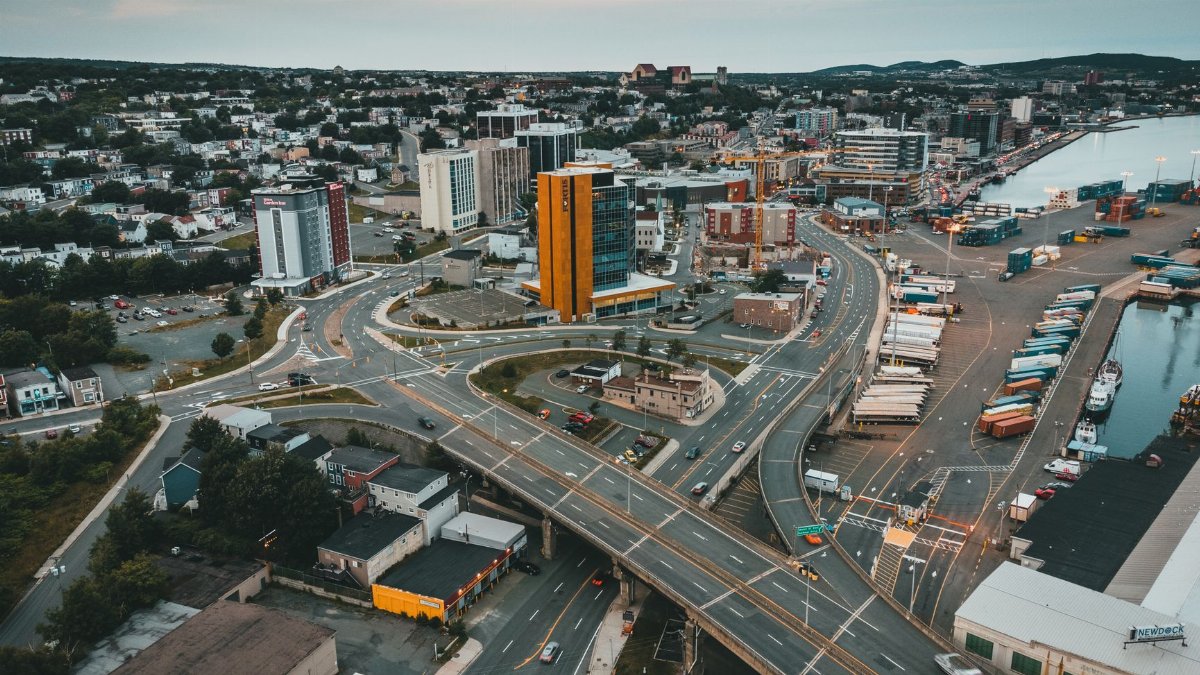
Improved connectivity stands to boost manufacturing supply chains that rely on just in time deliveries between the United States and Canada. Trucking firms anticipate shorter wait times and lower fuel expenses once traffic disperses across two crossings. Local governments expect added tax revenue from increased commercial activity near the new facilities without the need for extensive new road construction in surrounding neighborhoods.
Comparison With the Ambassador Bridge
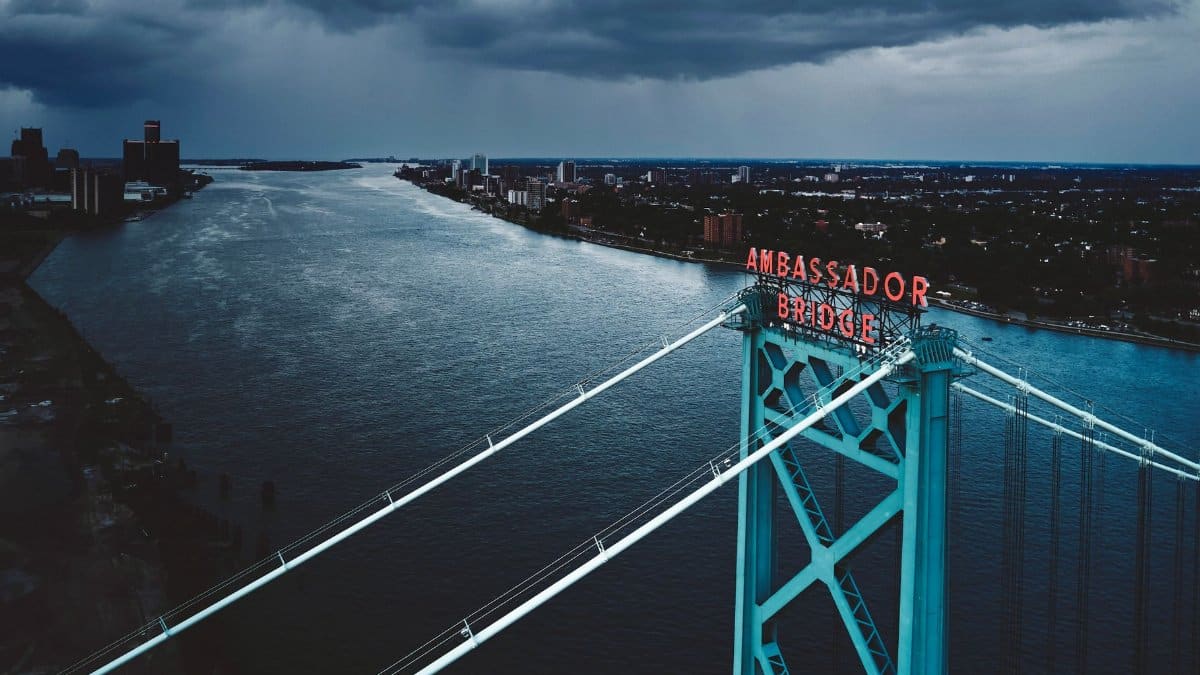
The older span remains a vital asset yet suffers from outdated design and limited lanes during peak periods. Its private operation has produced steady profits while public alternatives faced funding shortfalls. The Gordie Howe bridge incorporates contemporary seismic standards and dedicated inspection plazas that should reduce processing times for commercial vehicles compared with current arrangements.
Engineering Feats Involved

Construction crews navigated complex river conditions and strict international permitting rules to erect towers and deck sections. Cable stayed technology allows for longer spans with fewer piers in the waterway preserving navigation channels for Great Lakes shipping. Environmental monitoring throughout the build ensured minimal disruption to aquatic habitats and nearby residential areas.
Future Implications for Trade

Expanded capacity arrives at a moment when North American supply chains seek resilience against global disruptions. The Gordie Howe bridge positions the region to handle rising volumes of automotive parts electronics and agricultural goods moving in both directions. Planners project that added redundancy will prove valuable during maintenance closures or unexpected incidents at either crossing.
Lessons for Infrastructure Development
The experience underscores the value of sustained binational agreements that survive changes in elected leadership. Early cost sharing commitments from Canadian authorities helped insulate the project from domestic budget fights. Future efforts may benefit from similar structures that prioritize engineering timelines over short term political calculations. The result is a durable asset that serves practical needs rather than symbolic gestures.