

In a small Massachusetts community one educator reached a breaking point after watching his workspace transform from a place of discovery into an arena dominated by glowing screens. For years he had encouraged students to explore stories and ideas through pages that demand focus and patience. Instead he saw attention spans shrink amid constant pings and scrolls. The choice to leave his post was not made lightly yet it stands as a clear example of school librarian protest in action today.
Shifts in Daily School Library Use

School libraries once served as centers for extended reading and research projects. Now many sit half empty during free periods as young people turn to personal devices for entertainment. The change has unfolded gradually across districts but the effects appear in test scores and library checkout records alike.
Effects of Mobile Devices on Attention

Constant access to social platforms pulls focus away from longer texts. Teachers report that assigning even a short story requires extra effort to keep students engaged without interruptions. Data from education departments shows a steady drop in voluntary reading time over the past decade.
Reasons Behind One Librarian Decision

The individual who resigned cited both the prevalence of phones and the resulting lack of interest in books as key factors. He described feeling unable to fulfill the core mission of guiding young readers when distractions ruled the room. Colleagues noted similar frustrations though few have taken such a public step.
Broader Patterns in Education Settings

Similar concerns surface in other communities where librarians and teachers discuss the same pressures. Some districts have introduced phone storage policies during class hours. Others experiment with reading incentive programs though results vary by school culture and parent involvement.
Views from Parents and Community Members

Families express mixed feelings about the resignation. Some praise the stand as a necessary reminder of traditional learning values. Others worry that without digital tools students may fall behind in skills needed for future jobs.
Historical Context of Library Advocacy

Librarians have long adapted to new technologies from microfilm to early computers. The current wave of resistance focuses less on the tools themselves and more on how they crowd out deeper engagement with literature and research.
Possible Responses from School Leaders

Administrators face pressure to balance innovation with proven methods. Proposals include designated reading zones free of devices and partnerships with local authors to spark interest. Success depends on consistent enforcement and support from staff across grades.
Student Perspectives on Reading Today
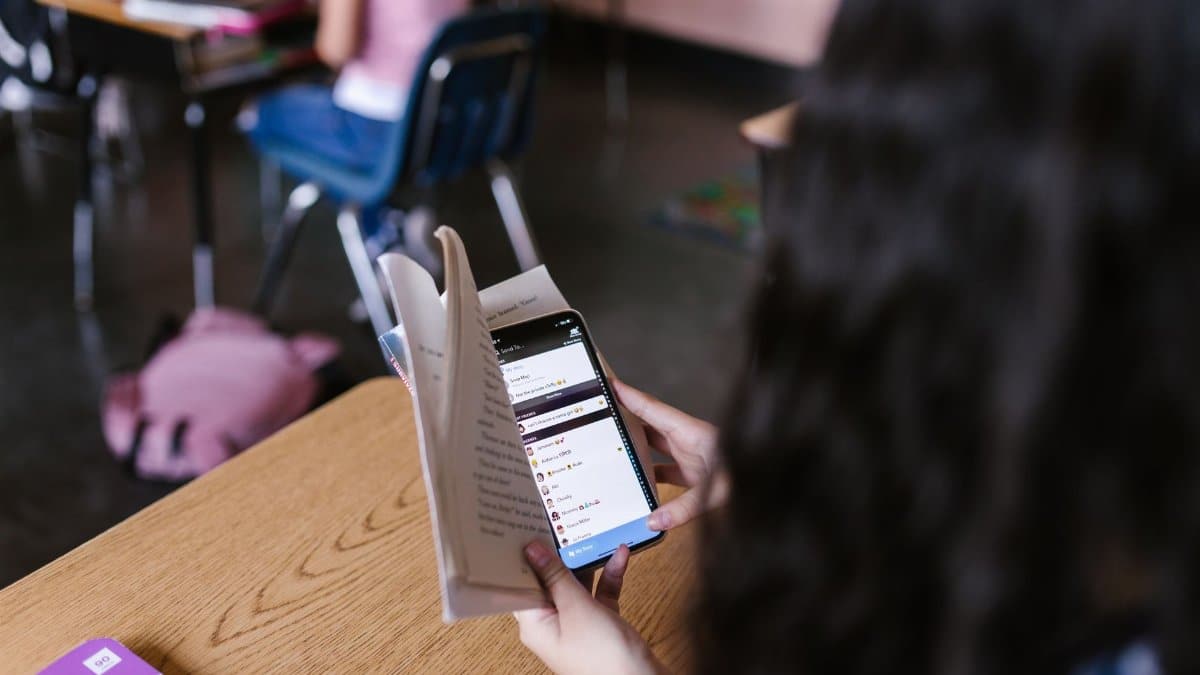
Young people often describe books as slow compared with videos or games. Yet many admit they miss the satisfaction of finishing a full novel without external prompts. Programs that allow choice in titles tend to see higher participation rates.
Long Term Implications for Literacy

Declines in reading volume correlate with weaker vocabulary growth and comprehension skills. Experts warn that these gaps widen over time especially for students without strong home support for literacy activities.
Comparisons with Other Districts

Some regions report stable or rising library use after implementing clear device rules. These examples suggest that policy adjustments can restore balance when paired with teacher training and community outreach.