
In church parking lots and grocery aisles from Pensacola to Homestead, Florida parents are doing a kind of math the state never used to ask of them. A private school tuition sheet in one hand. A public school calendar in the other. The phrase that now organizes that calculation is Florida school choice plans, a bundle of vouchers, scholarships, and tax supported seats that has grown from a targeted aid program into one of the largest education markets in the country. Published budget tallies put the annual cost above $4.5 billion. Two men who want to be governor, Byron Donalds and David Jolly, are offering opposite answers to the same question: should that market keep expanding, or should the money return to neighborhood schools?
Two theories of the same dollar
The split is not a quarrel over whether parents may leave a school they dislike. Florida settled that, in practice, years ago. The split is over what the public owes after they leave, and over whether a voucher is a rescue, a subsidy, or a slow rewrite of the idea that a district school belongs to everyone on the block.
Donalds, the Republican congressman from Southwest Florida, treats the voucher as a right that should travel with the child. Jolly, the former Republican congressman from the Tampa Bay area who is now running as a Democrat, treats the same payment as a leak in the system that still has to educate most children. Both talk about parents. They do not mean the same thing by the word.
How a niche scholarship became a statewide bill
Florida did not arrive at a multibillion dollar voucher ledger in a single session. Lawmakers began with programs aimed at students with disabilities and at families with modest incomes. Over time the income caps loosened. Then they disappeared for the largest scholarships. A tax credit system that once routed corporate donations into private tuition sat beside direct state payments. Homeschool families and learning pods found doors that used to be shut.
The result is a market, not a pilot. Private schools, including many religious ones, now plan their budgets around state scholarship checks. Districts plan theirs around the students who remain. When candidates argue about Florida school choice plans, they are arguing about a machine that already employs admissions officers, scholarship processors, and transportation routes that do not appear on a county school map.
The case Donalds is making
Donalds has spent his public career close to the parental rights wing of his party. His pitch is simple enough to fit on a palm card and sturdy enough to survive a town hall. If the money is for the child, the parent should decide the classroom. Competition, in this telling, is not a threat to public schools. It is the spur that forces them to improve, the way a new grocer forces an old one to sweep the floor.
He points to families who waited years for a seat that matched a child with a disability, or who wanted a school day shaped by Scripture, language, or a stricter code of conduct. He argues that returning those dollars to districts would punish parents who already voted with their feet. In his framing, the growth past $4.5 billion is not a warning light. It is evidence of demand.
Supporters hear in that argument a moral claim as much as a fiscal one. The state should not trap a child in a building because the building is publicly owned. Exit is not abandonment. Exit is accountability.
The case Jolly is making
Jolly starts from the children who do not exit. He argues that universal vouchers shifted public money toward families who were already paying private tuition, and toward schools that can choose their students in ways a district cannot. A neighborhood high school must take the teenager who arrives in October. A private school can say the class is full.
His remedy is not a ban on every scholarship. It is a reversal of the universal turn: income limits restored, tighter rules on who can collect a check, and a reinvestment in the schools that remain the default for working families. He describes the current design as a transfer that looks like freedom for those with a car, a flexible job, and a private school within reach, and like austerity for everyone else.
Where Donalds sees a market correcting failure, Jolly sees a public balance sheet being asked to fund two systems without admitting the cost of either. The repair he offers is unglamorous. Stabilize district budgets. Publish clearer results. Stop treating every new enrollment in a private seat as proof that the policy is wise.
Who actually uses the scholarship
The argument gets sharper once you ask who moved. Early voucher programs were sold as ladders for students stuck in weak schools. Universal eligibility changed the mix. A large share of new recipients were already outside the district system. That fact does not, by itself, prove waste. A family paying full tuition may still be stretched. It does change the politics. Taxpayers are no longer funding only an escape from a failing campus. They are funding a parallel tuition system.
Donalds tends to answer that the parent was always the rightful decision maker, whether the child started in public school or not. Jolly answers that a scarce public dollar should follow need, not prior preference. Neither answer is a spreadsheet. Both are theories of fairness, and voters will have to pick one.
Faith, formation, and the public check
A large part of the private sector that receives these dollars is religious. Catholic schools, evangelical academies, Jewish day schools, and smaller congregations that opened classrooms in spare rooms all sit inside the voucher economy. For many parents the appeal is not a test score. It is formation. They want prayer, a shared moral language, or a calendar that respects a holy day the district treats as ordinary.
That desire is sincere, and it is constitutionally familiar in a state that has long allowed public aid to reach religious schools through parent choice rather than through a direct grant to a church. It also asks a civic question the campaigns answer differently. Donalds treats a parent’s religious motive as none of the state’s business, so long as the school meets basic rules. Jolly does not propose policing belief. He asks whether the state can keep writing checks at this scale while district schools, which must serve every creed and none, lose the enrollment that pays for counselors, buses, and advanced classes.
Readers who come to this fight from a pew rather than a party meeting will recognize the tension. Conscience wants room. The common school wants a congregation of its own, mixed and compulsory, funded well enough to be worth attending.
The rural exception neither slogan covers
In Miami, Tampa, and Orlando, choice can mean three private schools and a charter within a twenty minute drive. In a county with one high school and a long bus route, choice can mean a pamphlet and a closed door. There is no competing campus. There is no spare teacher. If the scholarship does not create a school, it cannot rescue a child, and if students leave for an online program, the remaining campus still has to heat the gym.
Donalds argues that virtual options and new microschools can reach those places if the money is portable. Jolly argues that portability without a market is a slogan, and that rural districts need the headcount to keep a band, a nurse, and a physics class. Florida school choice plans look expansive on a statewide chart and thin on a two lane road. Any governor who ignores that geography will govern a policy that works best where families already had options.
Teachers, buildings, and the students who stay
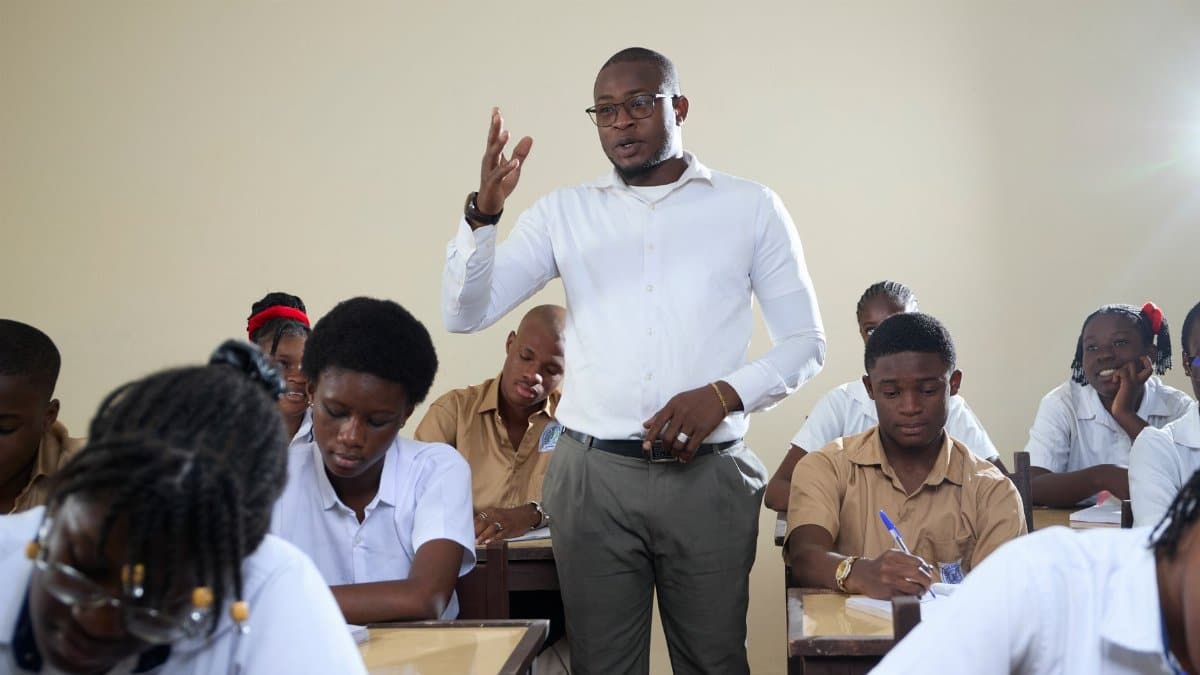
District leaders describe a quieter damage than a headline about ideology. When enrollment drops, fixed costs do not. The roof still leaks. The bus contract still runs. A teacher whose class shrinks by four students does not become cheaper by four twelfths. Over time the district cuts the programs that made the school attractive, which encourages another round of exits. Choice advocates call that accountability. District defenders call it a spiral.
Teachers hear both messages and trust neither completely. Some have moved to private or charter campuses for smaller classes or a mission they share. Others stay and watch colleagues cover extra periods. The campaign speeches rarely linger on the substitute who cannot be found on a Tuesday in January. That Tuesday is where the policy either holds or frays.
Accountability that both sides leave unfinished
Private schools that take scholarship money do not all face the same testing, admissions, and transparency rules as district schools. Supporters say that is the point. A school should be free to be different, and parents can leave if the difference disappoints. Critics say a public dollar without a public record is an invitation to market the promise and hide the result.
A serious Florida school choice plans debate would settle this without pretending the other side is unserious. Comparable testing for participating schools, clear reports on who is admitted and who is counseled out, and an honest count of how much of the new spending reaches students who were in struggling district schools would not end the argument. It would make the argument about evidence rather than about loyalty. Donalds has more interest in speed than in new constraints. Jolly has more interest in constraints than in preserving the universal design. Voters who want both reach and rigor will not find a finished product in either platform.
What parents keep saying when the microphones leave
Talk to parents away from a rally and the ideology thins out. They want a safe building, a teacher who returns a call, and a sense that the day adds up to something. Some found that in a parish school and will not go back. Some found a district magnet and consider the voucher talk a distraction from gifted programs and career academies that already work. Some are exhausted by applications, uniform fees, and the discovery that a scholarship does not cover the full tuition or the afternoon ride.
Those ordinary frictions are the real constituency. A governor who only celebrates exits will miss the families who wanted the public school to be good enough to stay. A governor who only defends the district will miss the families who left after years of being told to wait.
The election will choose a direction, not a detail
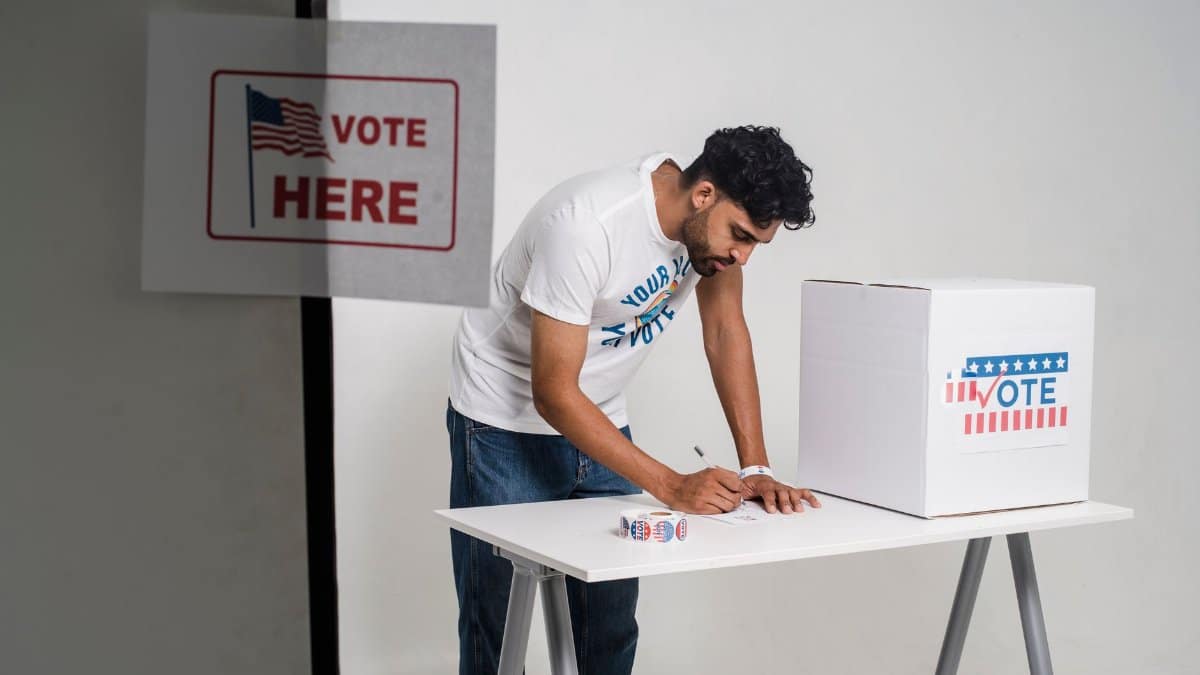
Florida’s next governor will inherit a scholarship system too large to reverse with a press conference and too contested to expand without a fight. Donalds would likely press for fewer barriers and a wider embrace of private and religious seats. Jolly would likely press the Legislature to pull universal eligibility back toward need and to put dollars into the public campuses that still hold the majority of children.
Neither man will get a blank page. Courts, a Republican Legislature, scholarship organizations, and tens of thousands of families already enrolled will limit what a new administration can do in a first year. What the election can do is name a priority. Is the public duty fulfilled when a parent can take the money and go, or when the school down the street is strong enough that leaving is a choice rather than a rescue?
That is the divide on Florida school choice plans, stripped of slogans. The $4.5 billion is not an abstraction. It is tuition paid, roofs deferred, prayers said before first period, and empty desks in schools that still open every morning. The candidates have chosen sides. The state has not finished choosing.