

In a region known for its innovation and diversity the phrases that cities choose to represent themselves often reveal deeper truths about local character and aspirations. This examination looks at Bay Area city slogans and whether they hold up in changing times as new generations arrive and priorities shift.
The Legacy in San Francisco

Peter Hartlaub brings a sharp eye to the official motto Oro en Paz which translates as gold in peace. The phrase nods to the city origins in the gold rush period yet it feels distant from daily life in a place where housing costs dominate conversations. Hartlaub notes that while the words carry historical weight they rarely appear in public discourse or civic campaigns today.
Oakland Search for Resilience
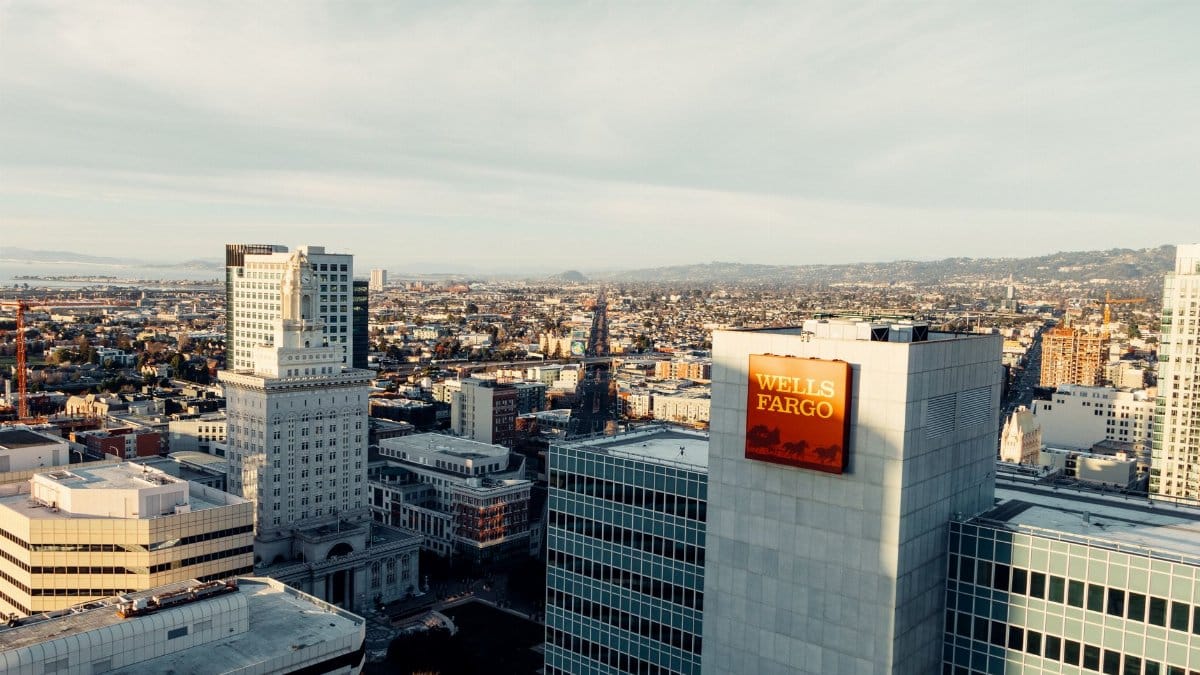
Oakland has long leaned on phrases that highlight strength and community bonds. One current option emphasizes its role as a hub of activism and culture. Hartlaub ranks this effort higher because it connects more directly with residents who value the city ongoing fight against inequality and its vibrant arts scene.
Colma Unusual Take on Life

The town of Colma offers Alive in Colma as its slogan a nod to its famous cemeteries that outnumber the living population. Hartlaub finds the line clever and self aware though he wonders if it limits the place to a single quirky trait in the minds of outsiders.
Berkeley Academic Roots on Display

Berkeley leans into its university heritage with mottos that evoke free speech and intellectual pursuit. Hartlaub observes that these choices still resonate on campus and in surrounding neighborhoods where protests and debates remain part of the local rhythm. The words feel less like marketing and more like a genuine reflection of daily energy.
San Jose Push for Tech Identity

San Jose struggles to settle on phrasing that captures both its suburban roots and its status as a center of innovation. Hartlaub suggests current options fall flat because they overlook the diverse immigrant communities that power the local economy. A fresh approach might better blend technology with cultural texture.
Smaller Cities Seek Their Voice
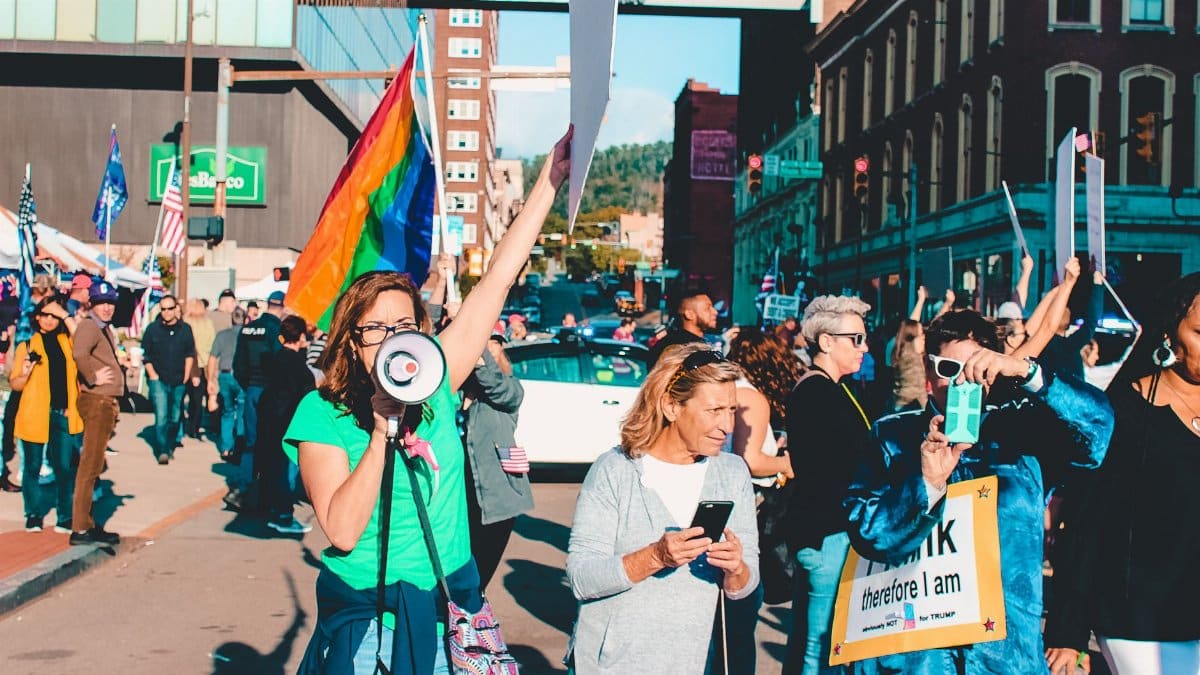
Places like Palo Alto and Fremont often borrow from larger neighbors or default to safe descriptions of location and weather. Hartlaub points out that these choices miss chances to highlight unique histories such as agricultural pasts or aerospace achievements that still shape community pride.
Why Mottos Matter in Daily Life

City slogans appear on signs websites and official documents yet their true influence shows in how residents describe their home to visitors. Hartlaub argues that effective phrases foster belonging while weak ones fade into background noise without inspiring anyone.
Calls for Fresh Approaches

Hartlaub concludes that several Bay Area city slogans would benefit from community input rather than top down decisions by officials. Public contests or workshops could surface ideas that feel current and inclusive without discarding history entirely. The process itself might strengthen civic ties across the region.