
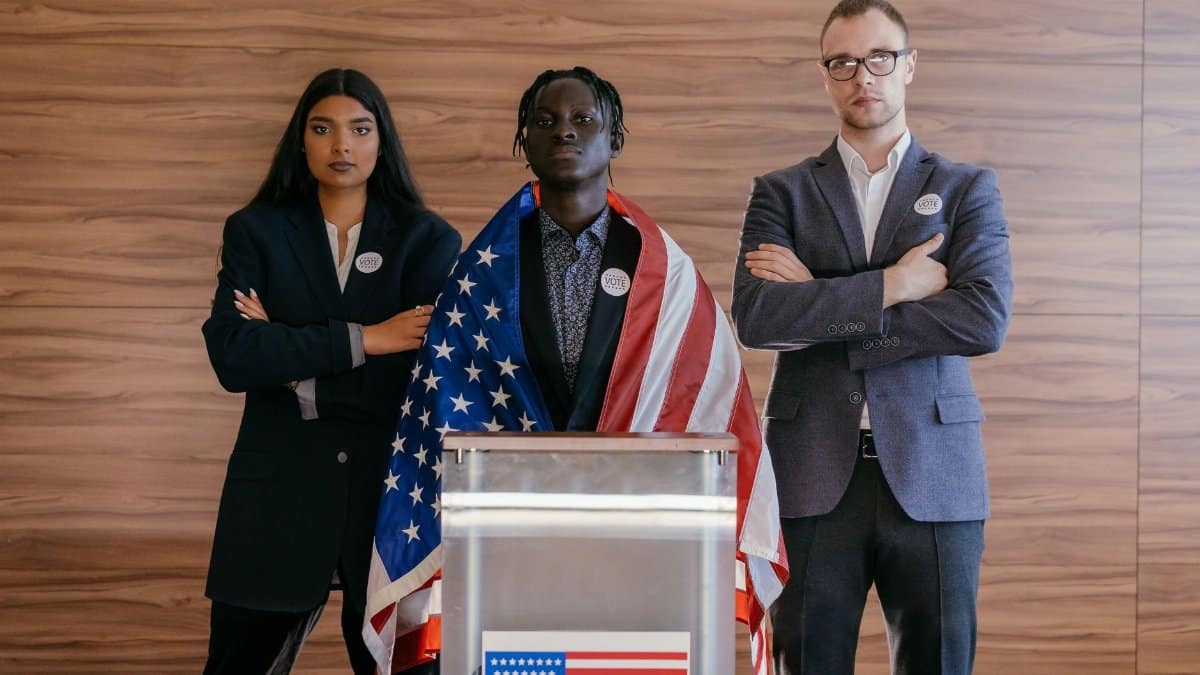
Recent surveys indicate that a significant portion of the public questions whether diversity initiatives truly support fairness in hiring and promotions. This perception has given rise to Diversity Meritocracy Backlash across various sectors. Americans are increasingly debating the balance between inclusion goals and traditional standards of individual accomplishment. The conversation touches on deep seated values about opportunity and reward in a changing society. Many observers note that these concerns have moved from fringe discussions to mainstream workplace conversations. Data from multiple polls reveal consistent patterns of doubt among middle aged professionals who once supported broader representation efforts without reservation. The Psychology Today analysis at https://www.psychologytoday.com/us/blog/ulterior-motives/202607/do-americans-believe-diversity-is-the-enemy-of-meritocracy highlights how such attitudes reflect both personal experience and broader cultural shifts.
Tracing the Evolution of Workplace Fairness Debates

Public discourse on hiring practices has long centered on how organizations define and measure talent. Over time corporate policies shifted toward explicit targets for representation. This change prompted questions about whether such targets align with longstanding ideas of advancement based solely on performance. Diversity Meritocracy Backlash emerges when employees perceive that selection processes prioritize group identity over individual results. Historical examples from government contracting and university admissions show similar tensions recurring across decades. Analysts point to economic pressures that amplify these worries during periods of slower growth.
Examining Psychological Drivers Behind Resistance

Research in social psychology suggests that people value systems they view as predictable and earned. When policies appear to alter those systems individuals may interpret the changes as threats to personal agency. Studies referenced in the source material indicate that concerns about fairness often stem from observations of specific promotion decisions rather than abstract ideology. Diversity Meritocracy Backlash can intensify when communication around new programs lacks transparency about criteria. Cognitive patterns such as zero sum thinking further contribute to the sense that gains for one group require losses for another.
Reviewing Corporate Adjustments Under Scrutiny

Several large employers have begun revising training modules and evaluation frameworks in response to internal feedback. These revisions frequently involve returning emphasis to measurable skills and documented achievements. Companies report that such recalibrations help reduce perceptions of inconsistency in how candidates are assessed. Diversity Meritocracy Backlash appears most pronounced in industries where technical qualifications play a central role in daily operations. Leaders describe the process as ongoing experimentation rather than wholesale reversal of prior commitments.
Interpreting Shifts in National Survey Findings

National polling organizations have tracked attitudes toward workplace programs for several years. Recent results show a measurable increase in the share of respondents who associate diversity statements with lowered standards. The linked analysis draws on these patterns to illustrate how views differ by education level and industry. Diversity Meritocracy Backlash registers strongly among those who report direct involvement in hiring panels. Demographic breakdowns reveal that the trend spans multiple political affiliations though intensity varies.
Assessing Effects on Recruitment and Retention

Human resources departments note rising questions from applicants about how decisions are reached. Some organizations respond by publishing clearer rubrics that separate diversity considerations from core competency requirements. Retention data suggest that employees who doubt the fairness of advancement paths may seek opportunities elsewhere. This dynamic adds practical costs to unresolved tensions around merit and representation. Firms that address concerns openly tend to report steadier morale metrics.
Considering Legislative and Legal Developments

State level proposals have emerged that seek to limit the use of certain identity based factors in public employment. Courts continue to weigh challenges to private sector programs under existing civil rights statutes. Legal experts emphasize that outcomes will shape how future initiatives are designed and defended. Diversity Meritocracy Backlash supplies political momentum for these measures in several jurisdictions. Observers expect further clarification from higher courts within the next few terms.
Listening to Perspectives Across Different Groups

Interviews with workers from varied backgrounds reveal a range of motivations for questioning current practices. Some express support for broader access yet worry that rushed implementation undercuts long term acceptance. Others recount experiences where emphasis on representation appeared to overshadow documented accomplishments. These accounts add texture to the statistical picture presented in the Psychology Today piece. Constructive dialogue often begins when participants focus on shared goals of competent staffing.
Projecting Longer Term Cultural Implications

The ongoing debate may influence how future generations understand the relationship between opportunity and achievement. Educational institutions that train tomorrow’s managers are already incorporating modules on transparent decision frameworks. Sustained attention to both inclusion and consistent standards could reduce the conditions that feed Diversity Meritocracy Backlash. Continued research will help determine whether current adjustments produce durable equilibrium or new sources of friction.