
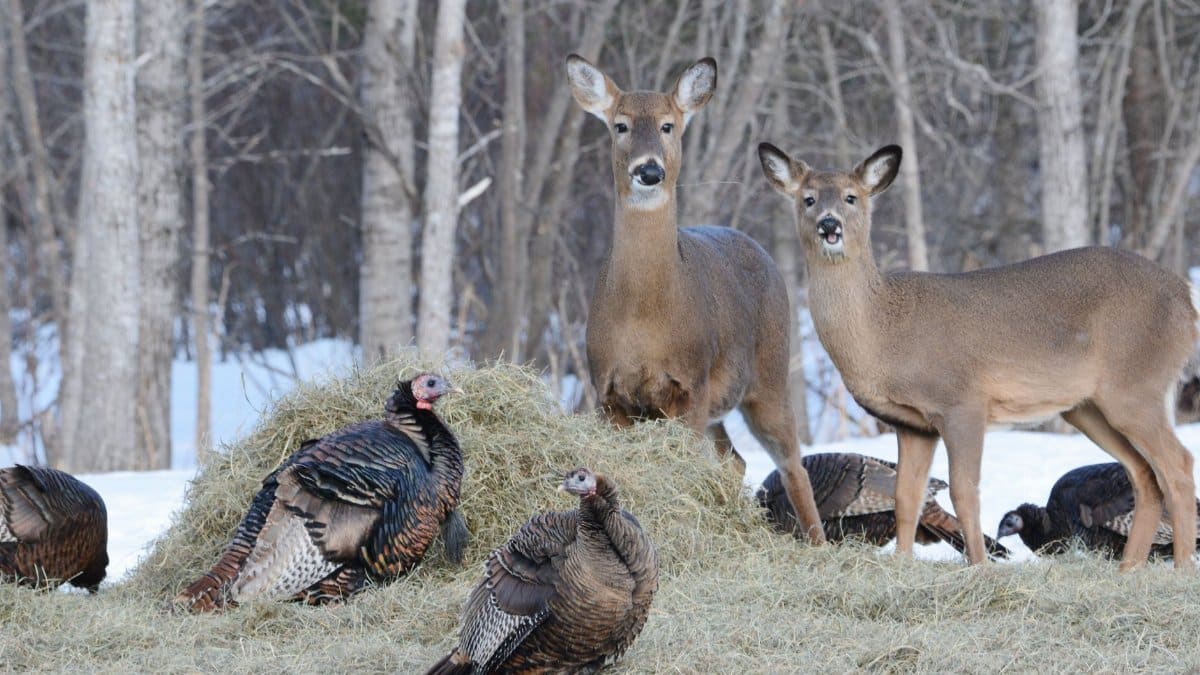
The season opens with a sound more than a spectacle: a bowstring, a pause, then the long walk to a downed deer. In the weeks that follow, many of those animals will be reduced, for wildlife management and public confidence, to a sample in a bag. Under a revised approach to Minnesota CWD deer testing, the Department of Natural Resources intends to spend four years moving that sampling around the state by quadrants, starting with archery season, rather than concentrating effort only where the disease is already known.
A plan built to read the whole map
For years, testing has followed the outbreak. When chronic wasting disease turned up in a wild deer, the agency drew a tighter circle, asked hunters to submit samples, and watched the next season for spread. That work remains essential. It does not, by itself, tell Minnesota how common the disease is in places that have never triggered an alarm.
The new design, described in reporting by the Star Tribune, treats the state as four large sections and rotates attention among them. The point is prevalence, not only response. A clean result in a familiar hotspot can be reassuring and still leave the rest of the map dark. A rotation forces the question outward: if the disease is quiet somewhere, is it absent, or has nobody looked hard enough?
Readers who want the agency’s own framing can start with the Minnesota DNR chronic wasting disease pages at dnr.state.mn.us/cwd. The news account of the shift is here: How common is chronic wasting disease in Minnesota deer?
Why archery season comes first
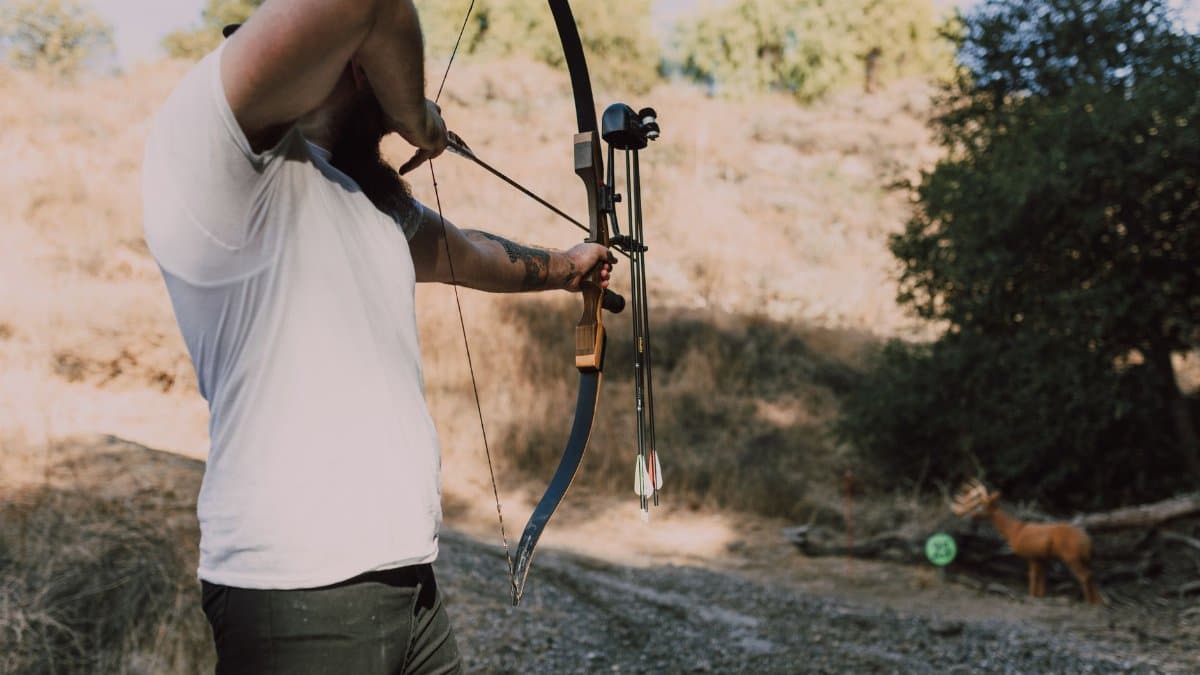
Archery season arrives before the firearms rush, when freezers are empty and hunters are often closer to the animal they take. That timing gives the sampling system a first wave of heads, lymph nodes, and location data before the busiest weekends. It also reaches hunters who may not pass a staffed check station later in the fall.
Starting there is a practical choice as much as a scientific one. Early samples can show whether collection sites, instructions, and lab capacity are working before volume spikes. If a quadrant is the unit of study, the first weeks need to be orderly. A plan that begins in confusion will produce a pile of unusable forms, not a picture of the herd.
Quadrants instead of a single spotlight
Dividing Minnesota into quadrants is a blunt instrument, and that is part of its value. Deer do not respect county lines, and prions do not announce themselves at a highway. A quadrant is large enough to capture regional patterns and small enough that a four year cycle can return to each section with a fresh sample.
The tradeoff is real. A hunter in a quadrant under study may face more requests than a hunter next door. Over four years, that burden is meant to rotate. The alternative, testing only inside known management zones, answers a narrower question: is the known problem getting worse? It does not answer whether a quiet county is truly quiet.
Minnesota CWD deer testing under this model is therefore less a single event than a moving survey. One season will not close the case. Four seasons, if participation holds, can show whether infection is a southeastern story, a scattered one, or something the state has not yet named.
What the disease does once it is in a herd
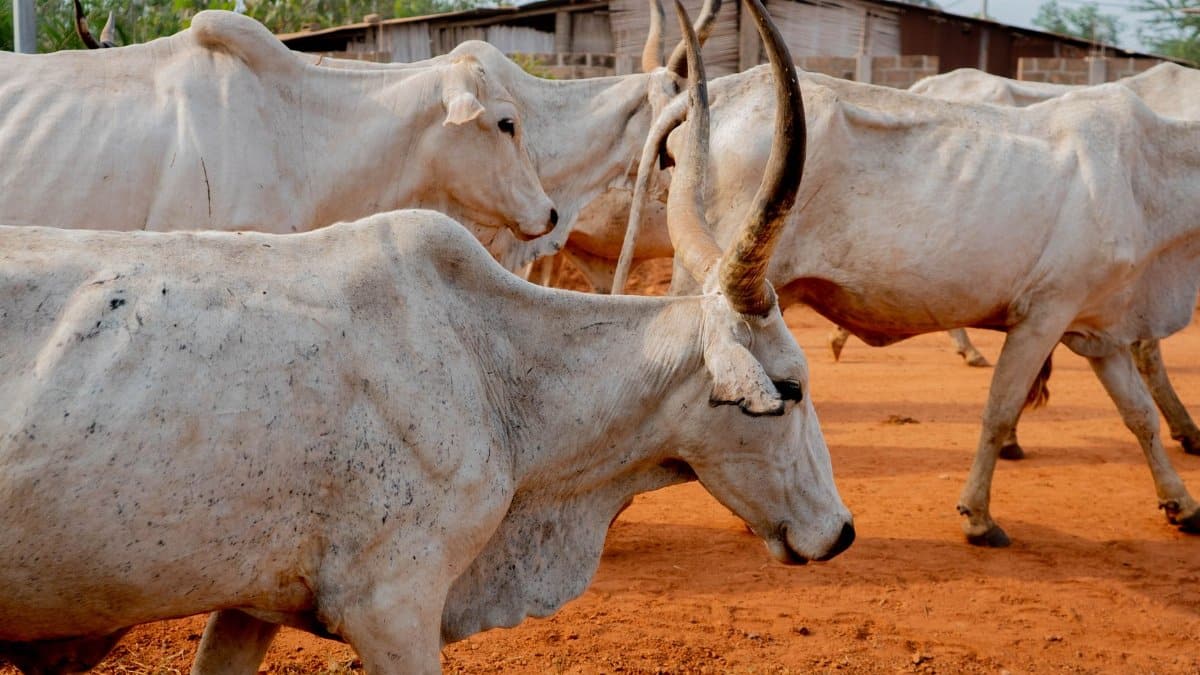
Chronic wasting disease is a prion illness of deer, elk, and moose. It attacks the brain and nervous system. Infected animals lose weight, drool, stumble, and die. There is no treatment and no vaccine. The infectious agent persists in the environment, which is why a single positive deer can change how a region is managed for years.
The Centers for Disease Control and Prevention explains the illness and the caution around meat at cdc.gov/chronic-wasting. To date, the agency has not confirmed a case in people. It still advises against eating meat from an animal that tests positive, and it urges hunters to avoid animals that look sick. Caution here is not panic. It is the only responsible reading of a disease that is always fatal in the species it infects and still poorly understood in ours.
After the shot, the sample is the story
A visual check in the field cannot clear a deer. Animals can carry the prion for a long time before they waste away. Testing depends on tissue, often lymph nodes from the head, sent to a laboratory that looks for the misfolded protein. Results take time. Families planning a meal have to decide whether to wait.
That delay is the unglamorous center of Minnesota CWD deer testing. Collection boxes, staffed stations, and clear instructions matter because a sample that never arrives is a blank on the map. So is a sample without a location. The quadrant plan only works if hunters treat the paperwork as part of the hunt, not as an afterthought in a dark garage.
What hunters are being asked to carry
Participation has always been the fragile part of surveillance. Mandatory rules in a disease zone can produce numbers. Voluntary sampling across a wide quadrant depends on habit, trust, and whether the drop off is on the way home. Agencies that scold hunters for low turnout usually learn less than agencies that make the drop off obvious and explain what the result will and will not mean.
The ask is concrete. Keep the head or the required tissue. Note where the deer was taken. Use the station or the box the DNR designates for that season. Do not move a carcass across zones in ways the rules forbid, because movement is one of the few spread pathways people can actually control. None of that requires a biology degree. It requires a little time when the day is already long.
A negative test is not a pardon for the landscape
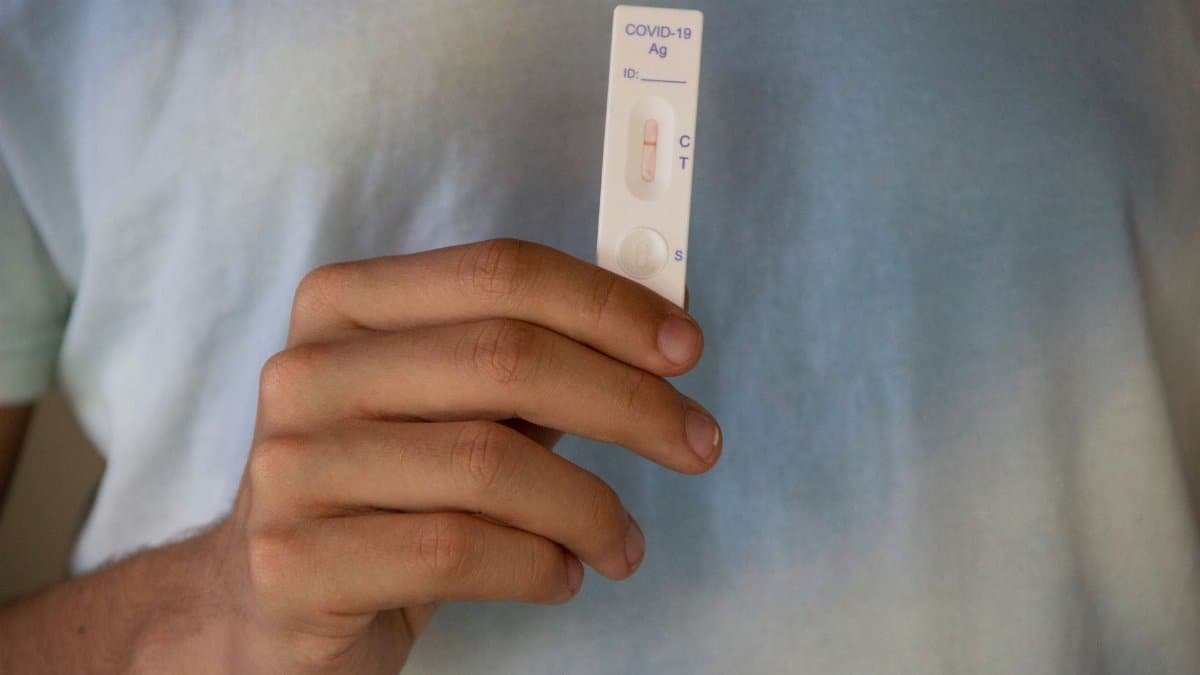
Hunters often hear a negative result as a verdict on the woods. It is not. It is a verdict on that animal, within the limits of the test and the tissue submitted. A quadrant can return mostly negative samples and still hide a low level of infection, especially if only a fraction of harvested deer are checked.
That is why the four year rotation matters more than any single press release. Prevalence is a rate, and rates need denominators. If the DNR can say how many deer were sampled in a section, and how many of those samples were positive, the public can judge the claim. If the agency can only say that a few sick looking animals were checked, the public is being offered an anecdote.
Where Minnesota already knows the disease is present
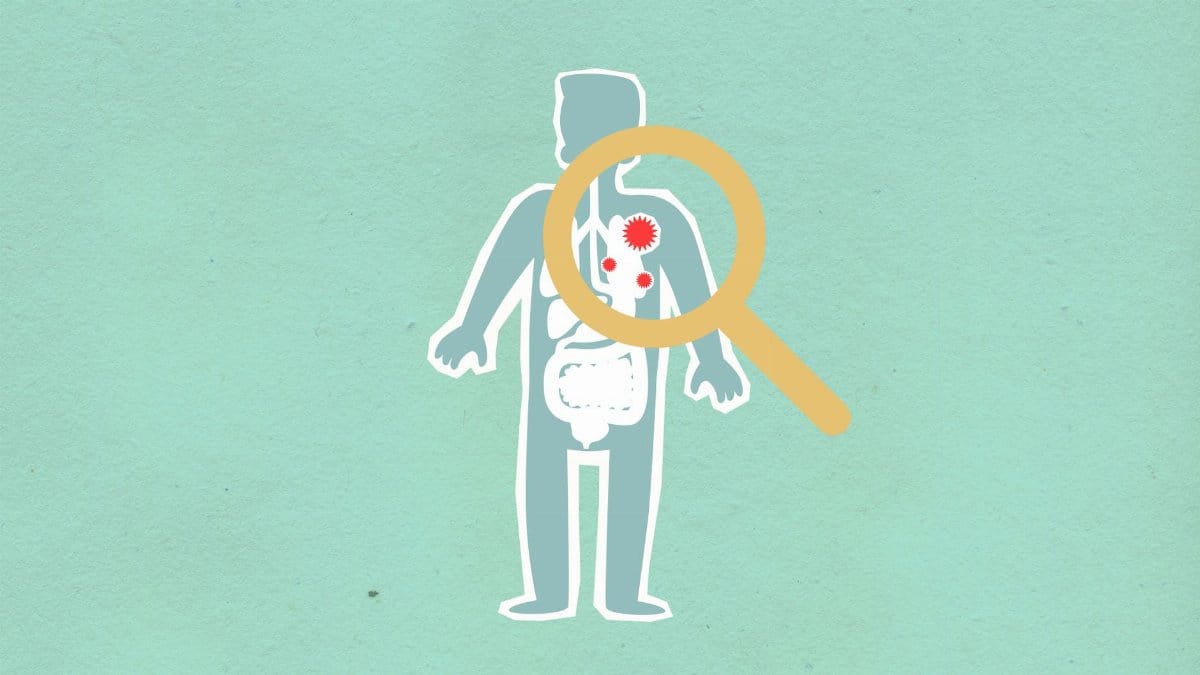
The state is not starting from ignorance. Wild deer positives have clustered in the southeast, and captive cervid operations have produced their own painful chapters, including depopulation and arguments over fences, feed, and oversight. Those histories explain why some hunters hear every new plan as another restriction, and why some biologists hear every delay as another year for the prion to settle into soil.
Both reactions can be true at once. Surveillance in a known zone is firefighting. Surveillance by quadrant is a census. The DNR needs both, and it needs to say which job a given season is doing. Mixing the two in public language is how trust erodes. A hunter who thinks a voluntary sample in a quiet county is the same thing as a mandatory check near a positive will feel misled when the rules differ.
People, meat, and the questions science has not closed
The human question sits under every freezer. Researchers have not shown that chronic wasting disease jumps to people through venison. They also have not proved that it never could. Prion diseases in other settings have crossed species barriers in ways that were once dismissed. The CDC position, not to eat meat from a positive animal and to have deer tested when hunting in affected areas, is the prudent middle.
Minnesota CWD deer testing will not settle that medical debate. It can reduce the number of families who eat an untested deer from a place where infection is possible. It can also give doctors and wildlife agencies a shared set of facts if a suspicious human illness ever needs investigation. Those are modest goods. They are the goods available.
What a four year cycle can and cannot promise

No sampling design removes the disease. A quadrant survey will not disinfect a hillside or rewind a positive farm. What it can do is replace rumor with a rate, and replace a permanent spotlight on one region with a schedule the whole state can see.
Success will look ordinary. Collection sites that are actually open. Labs that keep pace. Maps that show sample size, not just red dots. Hunters who submit tissue even when they are tired and the deer looked fine. Failure will also look ordinary: a plan announced in summer and abandoned, in practice, when participation drops and the story moves on.
The archery opener is the first test of whether this version of Minnesota CWD deer testing is a system or a slogan. The deer will not cooperate with the calendar. The question is whether the people who hunt them, and the agency that asks for their help, will.