
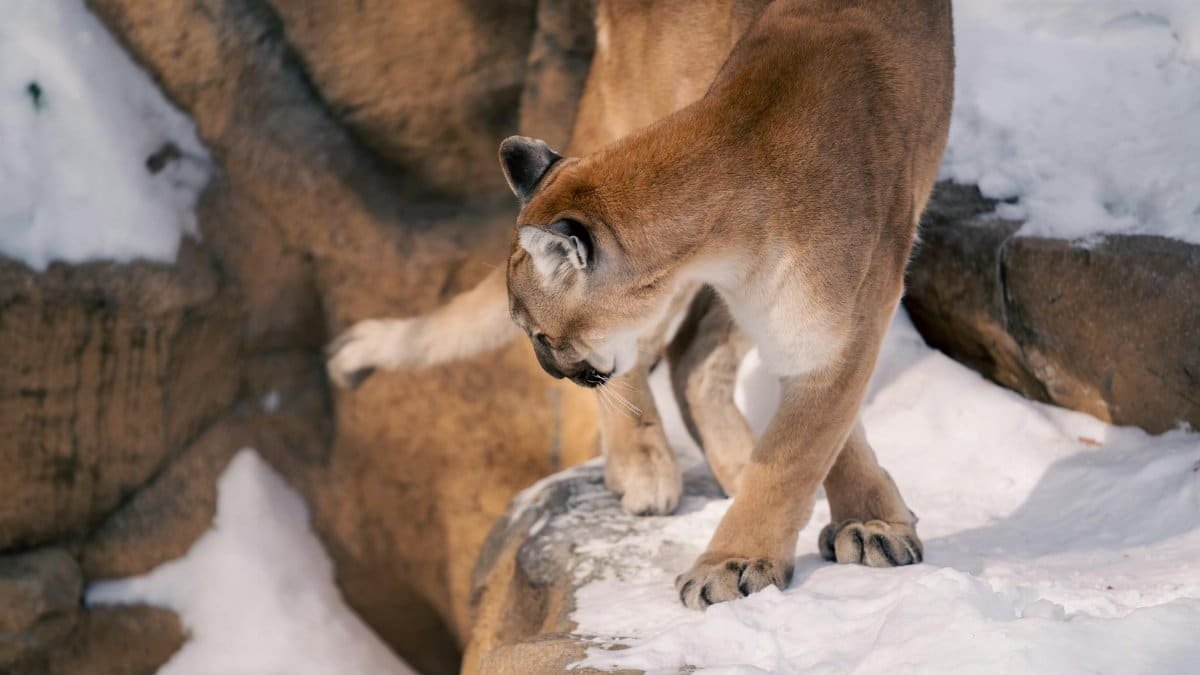
The forests around Lake Pend Oreille in northern Idaho are known for their tranquility and abundant wildlife. Yet that peace was shattered recently when a local resident came across a disturbing sight during a routine hike. A cougar had been killed and its head removed in what appeared to be a deliberate act. This decapitated cougar idaho finding has left many in the area questioning what drives a person to commit such brutality against a magnificent wild animal. Investigators are working to determine if this was an isolated incident or part of a larger problem with illegal hunting practices. The case has drawn attention from across the state and beyond as people seek answers and hope for justice. The event has also sparked conversations that reach beyond the immediate crime. Some residents are viewing it through a spiritual lens wondering if such acts reflect a broader societal loss of respect for the natural world and its creatures. They call for not only legal action but also a renewed sense of stewardship that honors the interconnectedness of all life.
A Gruesome Find Near Lake Pend Oreille
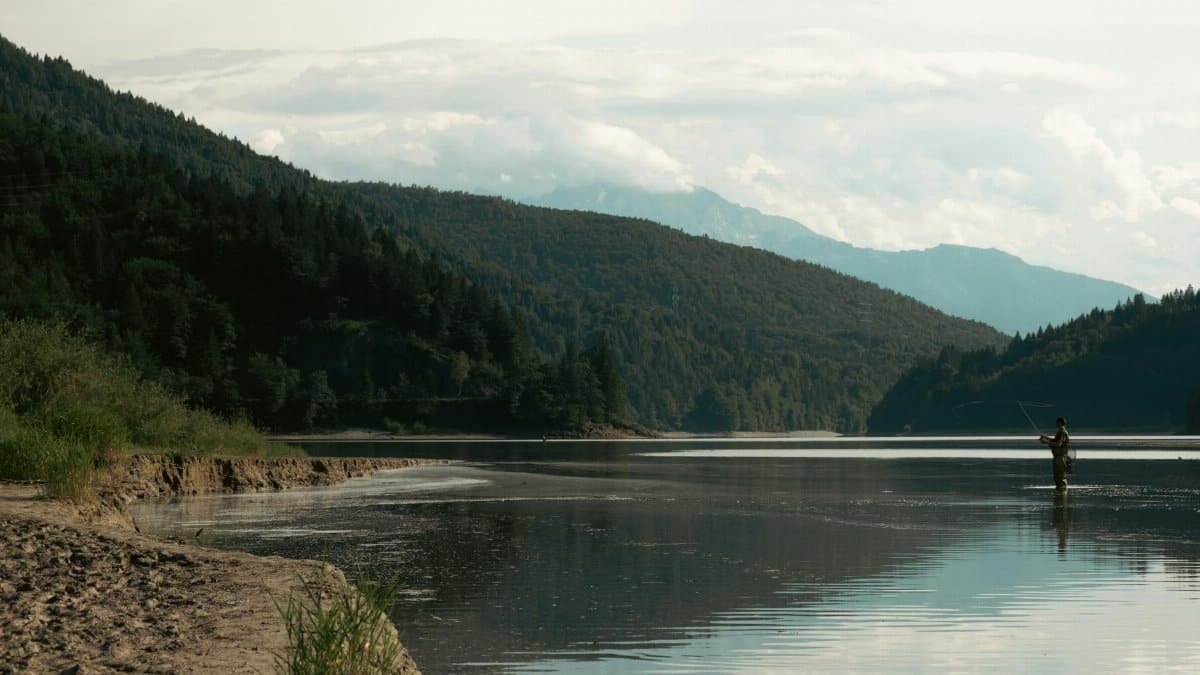
The individual who first encountered the remains described a scene that has lingered in his memory. The body was positioned in a clearing not far from one of the popular trails that wind around the lake. There were no obvious signs of a struggle beyond the fatal wound. Experts determined that the cougar had been shot before being decapitated. The precision of the cut suggested the use of a sharp tool and someone with a certain level of knowledge or experience. Samples were taken to test for any toxins or other substances that might provide additional clues. This thorough approach reflects the seriousness with which authorities are treating the matter.
News of the discovery traveled fast through the small towns that border the lake. Families who regularly spend time in the outdoors found themselves discussing the implications at dinner tables and community gatherings. The cougar is often seen as a symbol of the wild spirit of Idaho and its death in this manner has struck a chord with those who value the states natural heritage. Many expressed a profound sense of grief mixed with outrage that such violence could occur in a place they consider sacred.
Officials Move Quickly to Investigate
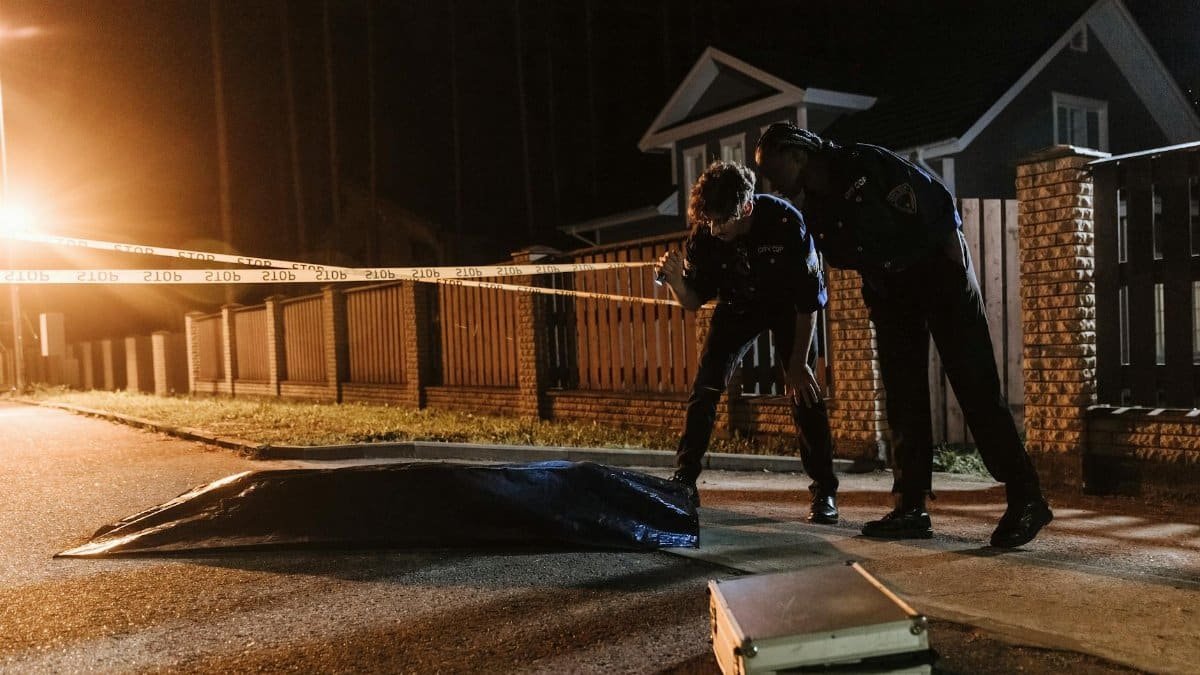
Idaho Fish and Game officials arrived on the scene within hours of the initial report. They worked in coordination with local law enforcement to gather all available evidence. This included taking photographs mapping the area and looking for footprints or other traces that might lead to a suspect. A necropsy was conducted to establish the exact cause of death and to collect biological data about the animal. So far no arrests have been made but the investigation remains active and tips from the public are being encouraged. Officials have asked anyone with information about suspicious activity in the area to come forward.
The agency has also issued a reminder about the regulations regarding wildlife in the state. Cougars are protected and can only be hunted under specific licenses during designated seasons. Killing one outside those parameters is a serious offense that can result in hefty fines and even jail time. In this case the decapitation adds an element of cruelty that may lead to additional charges under state statutes designed to deter wanton destruction of wildlife.
Possible Motives Behind Such a Brutal Act

Authorities are considering several possibilities including poaching for the hide or body parts. The head could be intended for mounting as a trophy or for sale on the black market. Another theory involves retaliation by someone who felt the cougar posed a threat to livestock or pets though no recent reports of such conflicts had been filed in that specific area. There is also the disturbing possibility that the act was committed purely for the sake of violence. Each scenario requires a different approach from investigators who are interviewing local hunters and checking online forums where such activities are sometimes discussed.
Wildlife advocates argue that regardless of the motive the decapitated cougar idaho incident highlights a troubling trend of disrespect for wildlife. They point to similar cases in other states where animals have been killed and mutilated without any apparent reason. Education campaigns are seen as essential to foster a greater appreciation for these animals and the important role they play in maintaining ecological balance. Without such efforts the cycle of violence against nature may continue unchecked.
Cougars and Their Place in the Idaho Wilderness
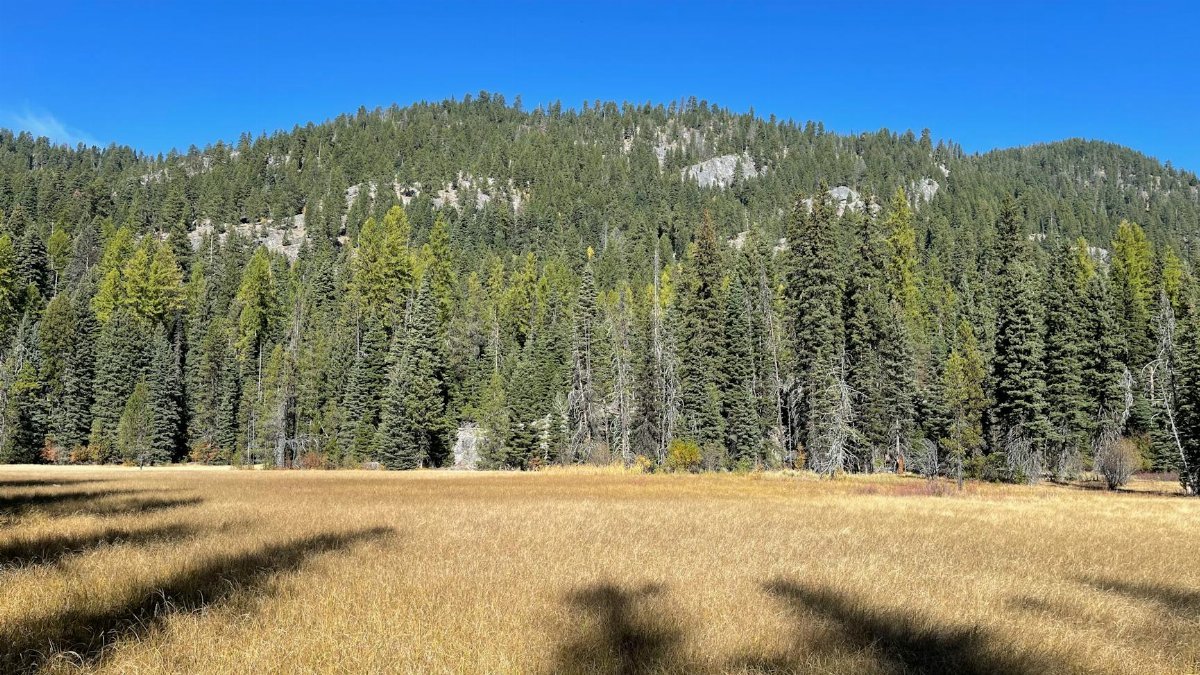
Cougars also known as mountain lions are apex predators that help regulate the populations of deer and other herbivores. Their presence is a sign of a healthy ecosystem. In Idaho they roam large territories that can span many square miles. The loss of even one adult male can have effects on the local population dynamics. Data from studies conducted by the Idaho Department of Fish and Game available at https://idfg.idaho.gov/ show that cougars generally avoid humans but will venture closer to populated areas when food sources become scarce.
The spiritual connection many feel to these creatures stems from their embodiment of independence and strength. To see one fall victim to such a senseless act prompts reflection on how humanity interacts with the wild. It raises questions about whether we are truly living in harmony with nature or if we are allowing fear and dominance to guide our actions. For many observers in middle age this event serves as a sober reminder of the fragile balance that sustains life in the region.
Spiritual Perspectives on Animal Treatment

In spiritual circles the decapitated cougar idaho event is being discussed as more than a legal matter. Many believe that all life is sacred and that harming animals without necessity creates negative energy that affects the collective consciousness. Leaders in spiritual ecology movements suggest that this incident is a call to awaken to our responsibilities as caretakers of the planet. They advocate for practices that promote compassion and mindfulness in all interactions with the natural world. Prayer circles and meditation sessions have been organized to send positive intentions toward the healing of the land and its creatures.
Some draw parallels to ancient traditions that viewed animals as spirit guides. The cougar in particular is often associated with courage and leadership. Its death is seen by some as a message to examine where we as a society may be lacking in those qualities especially in our approach to environmental issues. This perspective has gained traction among residents who are increasingly seeking meaning beyond material success and are turning toward nature for spiritual nourishment. The trend reflects a growing desire to heal the split between modern life and the living earth.
Insights from Indigenous Cultural Traditions

The region around Lake Pend Oreille is home to tribes with deep historical ties to the land and its animals. Indigenous teachings emphasize respect for all beings and many stories feature the cougar as a powerful figure. Tribal elders have expressed sorrow over the incident and have offered to assist in efforts to restore balance. They stress the importance of sustainable practices and the need to pass on traditional knowledge to younger generations. Collaborations between wildlife agencies and tribal groups have proven effective in other conservation projects and could play a role here as well.
These cultural insights provide a valuable counterpoint to modern attitudes that sometimes prioritize convenience over conscience. By listening to these voices the broader community can learn ways to coexist with wildlife that honor both the physical and spiritual dimensions of the environment. Such exchanges foster understanding and create pathways for genuine reconciliation with the natural systems that support all inhabitants of the area.
The Difficult Task of Solving Wildlife Crimes
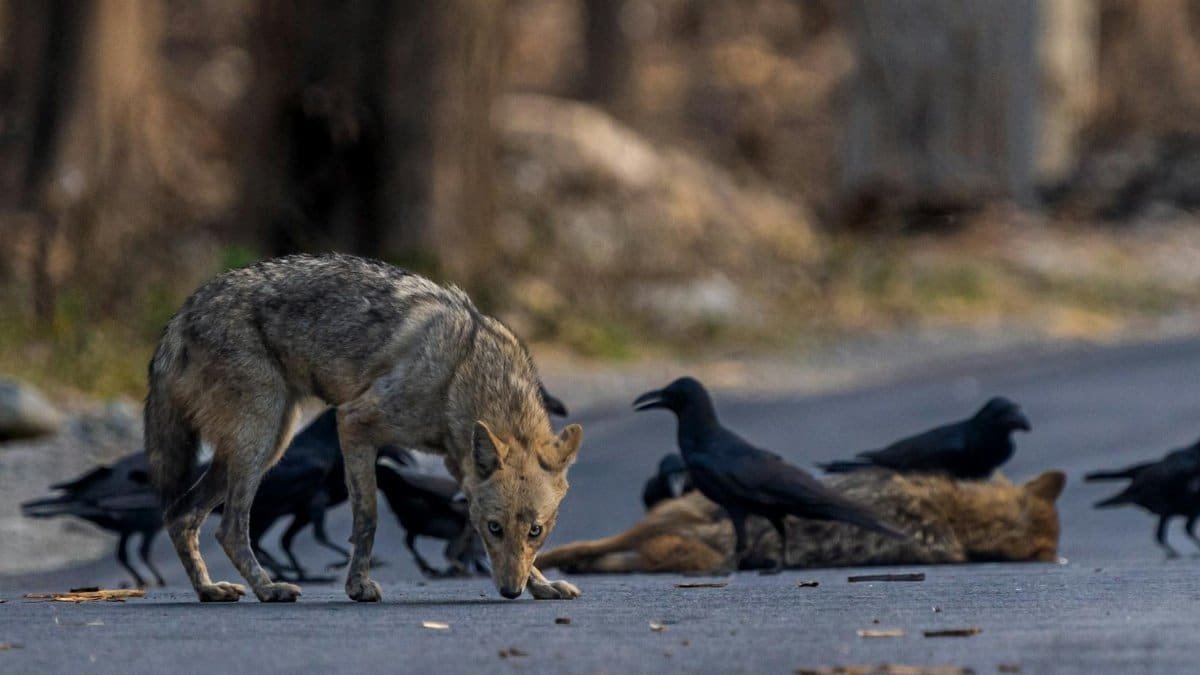
Crimes against wildlife are notoriously hard to solve due to the remote locations where they often occur and the lack of witnesses. In the case of the decapitated cougar idaho authorities face the additional challenge of limited physical evidence. Without the head or a clear motive the trail could grow cold quickly. Nevertheless technology such as trail cameras and genetic analysis offers new tools for enforcement. Increased funding for game wardens is one proposal that has received support in the wake of this event.
Public participation is crucial. Those who spend time in the woods are encouraged to report anything out of the ordinary. This collective vigilance can serve as a deterrent and help bring perpetrators to account. Over time consistent enforcement paired with community involvement may reduce the frequency of these disturbing acts and signal a shift toward greater accountability.
Local Residents Voice Their Concerns
Community meetings have seen high attendance as people come together to express their feelings and suggest solutions. Many have shared stories of their own encounters with cougars describing them as awe inspiring rather than threatening. The consensus is that more needs to be done to protect these animals and to educate the public. Petitions calling for stricter penalties for wildlife crimes have begun to circulate and have gathered hundreds of signatures in a short time.
Parents in particular worry about the message this sends to children about the value of life. They hope to turn the tragedy into an opportunity for learning and growth within the community. Teachers have already begun incorporating lessons on wildlife ethics and respect for nature into classroom discussions. These grassroots responses demonstrate the depth of feeling the incident has stirred across generations.
Trends in Spiritual Activism for Nature

This incident fits into a larger trend of spiritual activism that combines faith based principles with environmental advocacy. Across the country groups are forming to address issues like habitat loss and species decline from a place of moral and spiritual conviction. In Idaho this has manifested in workshops and retreats focused on reconnecting with the earth. Participants learn about local ecology while engaging in reflective practices designed to cultivate a sense of unity with all living things.
The decapitated cougar idaho case has become a focal point for these groups who see it as emblematic of the urgent need for change. They are using the story to raise awareness and inspire action emphasizing that true spiritual growth must include care for the environment. The movement draws from diverse traditions yet finds common ground in the belief that harming the earth ultimately harms the soul. Attendance at related events has increased notably since the discovery was reported.
Steps Toward Greater Protection and Respect

Looking ahead officials are considering several measures to prevent similar occurrences. These include more frequent patrols in high risk areas expanded education programs and partnerships with local organizations. On the spiritual side there are calls for ceremonies to honor the deceased cougar and to ask for guidance in protecting its kin. Such rituals can bring the community together and reinforce shared values of reverence and responsibility.
By addressing both the practical and the profound aspects of this issue Idaho has the chance to set an example for how to respond to wildlife crimes with both firmness and compassion. The integration of spiritual wisdom into conservation strategies offers a holistic path forward that resonates with many residents seeking deeper connections to place and purpose.
What the Future Holds for Idaho Wildlife

The outcome of the investigation into the decapitated cougar idaho discovery will likely influence future policies and public attitudes. If the perpetrator is found and held accountable it could serve as a warning to others. Beyond that the conversations that have started may lead to lasting changes in how the state manages its natural resources and how its residents relate to the wild spaces around them. The hope is that this sad event will catalyze a deeper commitment to living in balance with nature.
For many this means integrating spiritual awareness into everyday decisions about conservation and land use. The people of northern Idaho have shown resilience and care in the face of this challenge and that spirit offers promise for a brighter future for both the human community and the wildlife with which it shares the landscape. Through sustained effort and open hearts the region may yet emerge as a model of thoughtful coexistence between people and the wild creatures that inhabit its forests and mountains.