
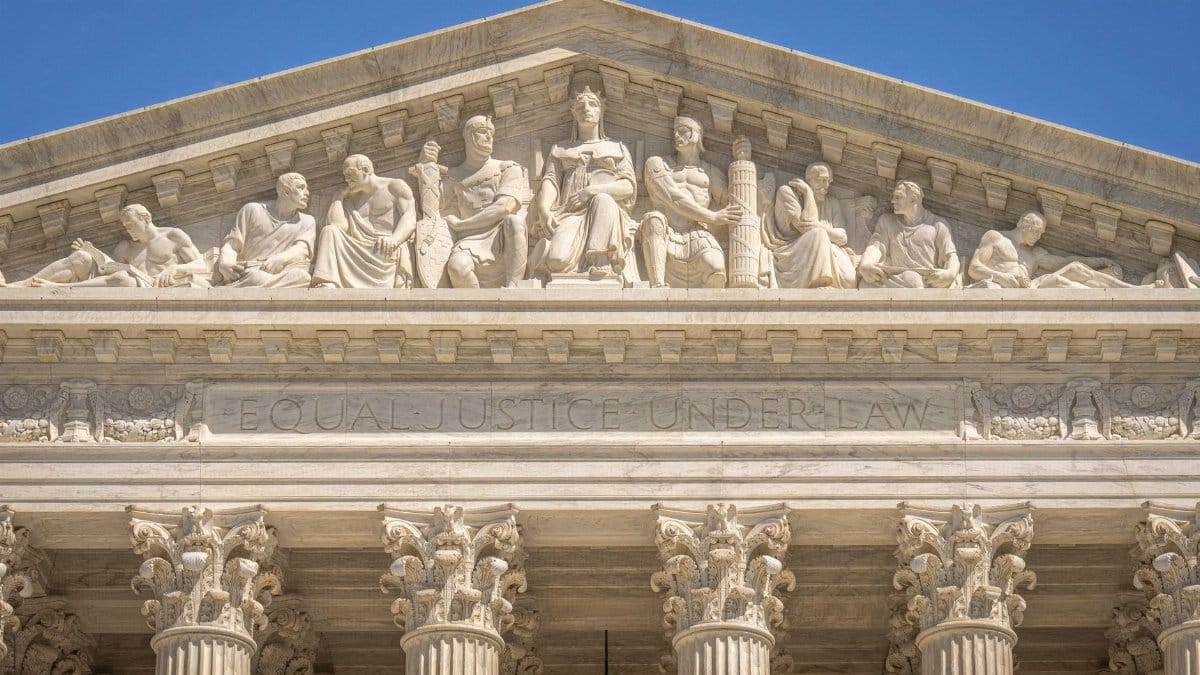
In recent weeks the nations highest court has drawn unusual attention from observers tracking its internal dynamics. During oral arguments in a high profile immigration matter several justices voiced sharp differences over legal standards and executive authority. Such moments underscore Supreme Court Justices Public Disagreements at a time when the docket still holds cases that could reshape policy across multiple domains. Legal analysts note these exchanges rarely surface with such clarity in a forum open to public view. The pattern suggests deeper currents at work among the nine members as they prepare for rulings expected in coming months.
Background on the Immigration Case Sparking Debate

The dispute centers on asylum procedures and enforcement priorities set by federal agencies. Lawyers for challengers argued that recent guidelines exceed statutory bounds while government representatives defended them as necessary flexibility. Justices questioned both sides at length revealing splits over deference to administrative choices and the scope of judicial review. Transcripts show exchanges that went beyond typical probing into areas of outright contention.
How Public Remarks Differ from Private Deliberations

Justices often resolve differences behind closed doors during conferences that follow argument sessions. When comments reach the public they can signal positions that influence future votes or even coalition building. This shift from private to open discussion marks a change in how divisions play out under the current composition of the bench.
Patterns Across Past Terms Compared to Present

Records from earlier decades indicate that open clashes occurred infrequently and usually in written opinions rather than during live proceedings. The current term features more instances of justices interrupting one another or using pointed hypotheticals aimed at colleagues. Scholars tracking transcripts attribute the trend to a mix of ideological distance and external pressures from ongoing national debates.
Impact on Pending Major Decisions

Several cases involving regulatory power and individual rights await resolution before the summer recess. Observers suggest that visible friction could affect how opinions are drafted and whether concurrences or dissents grow longer and more pointed. The presence of Supreme Court Justices Public Disagreements may encourage strategic writing to address specific counterarguments raised in public.
Reactions from Legal Community and Advocates

Attorneys who practice before the court describe a cautious atmosphere where arguments must anticipate not only legal merits but also interpersonal dynamics among the justices. Advocacy groups on multiple sides have issued statements interpreting the exchanges as signs of where votes may land. Academic commentary focuses on whether this visibility strengthens or weakens institutional trust.
Media Coverage and Public Perception Factors
News outlets have amplified clips and quotes from the sessions leading to wider discussion outside traditional legal circles. Polling on court approval shows modest shifts tied to these stories though causation remains difficult to establish. Coverage tends to emphasize individual personalities over collective institutional norms.
Potential Long Term Effects on Judicial Norms

Some former clerks and court watchers worry that sustained public disagreements could erode the custom of collegiality that has long characterized the institution. Others argue that transparency benefits democratic accountability by revealing the reasoning process in real time. The balance between these views continues to evolve with each term.
Comparative Views from Lower Courts
Federal appeals panels also experience internal differences yet they resolve them through written work without the same level of live public exposure. District judges operate with even less visibility into deliberations. The supreme courts unique position amplifies any departure from established decorum.
Future Outlook as New Cases Arrive
With additional filings on the horizon the court will likely face renewed tests of its ability to manage open divisions. Strategies for oral argument preparation may adjust to account for the possibility of further pointed exchanges. The trajectory of Supreme Court Justices Public Disagreements remains a subject of active monitoring by practitioners and scholars alike.