
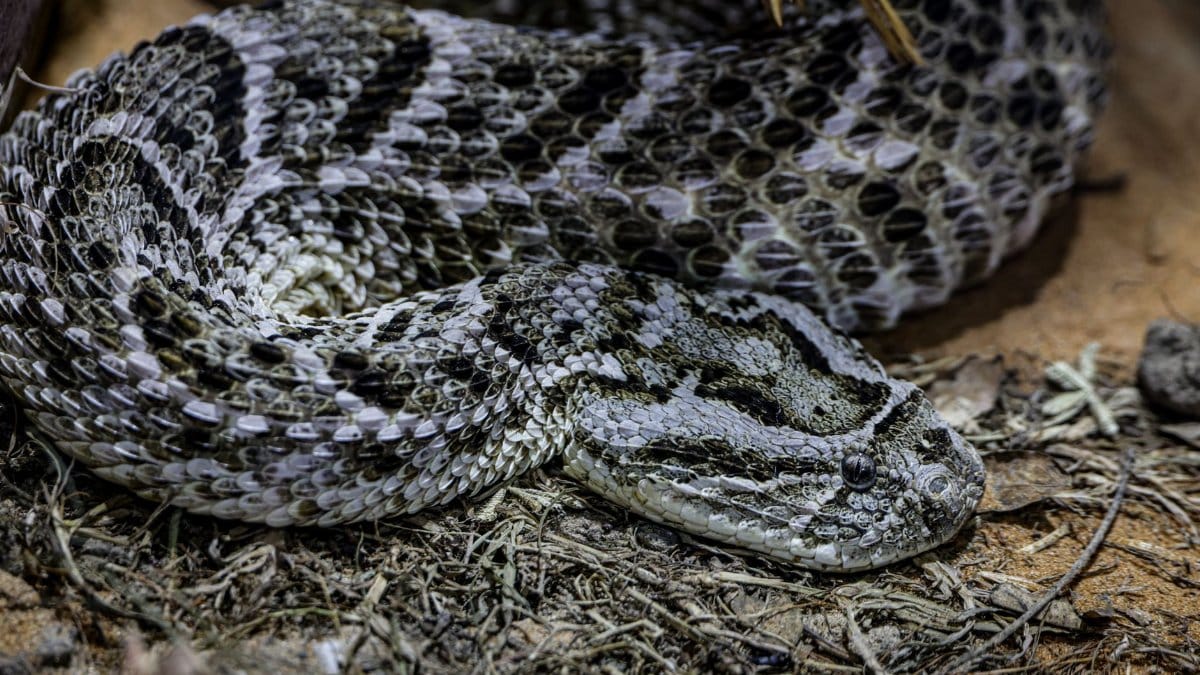
In the quiet wetlands of southern Michigan a recent encounter between a hiker and a venomous serpent has reignited conversations about coexistence with native wildlife. The massasauga rattlesnake remains a protected species under state and federal rules yet fear often leads residents to consider lethal responses that could push the animal closer to extinction. Officials with the Department of Natural Resources continue to stress education over eradication even after the latest reported bite.
Understanding the Eastern Massasauga Habitat
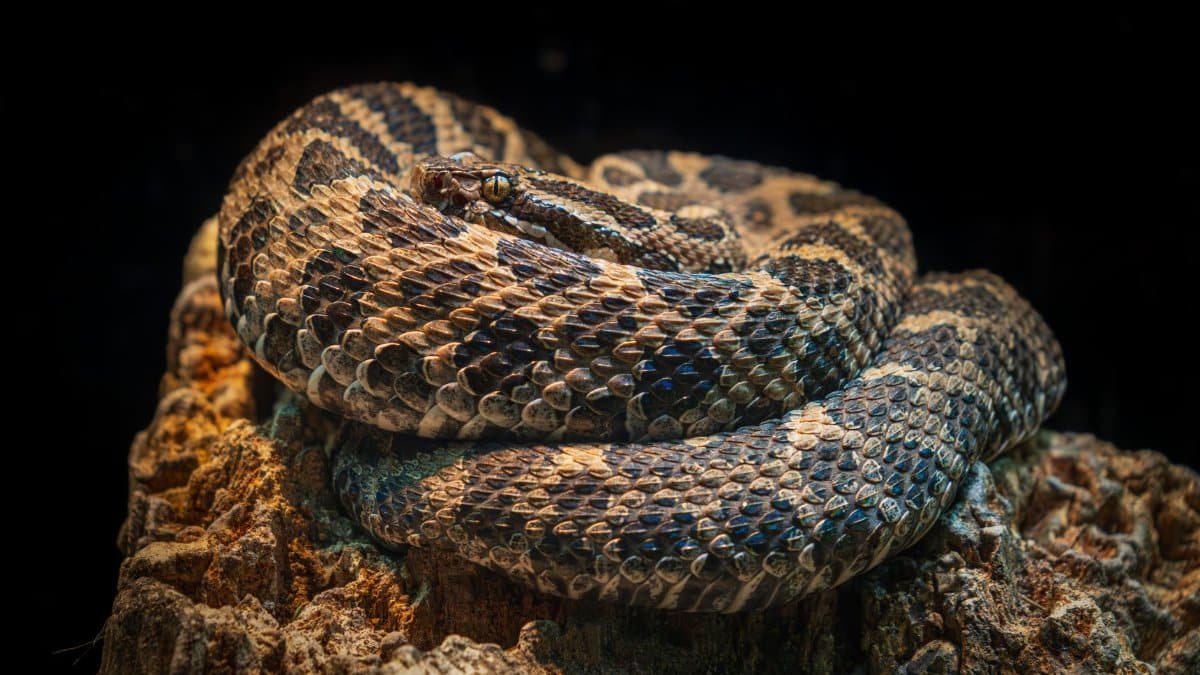
The eastern massasauga prefers marshes fens and wet meadows where water levels stay consistent through the seasons. These areas provide ample cover for hunting small rodents and frogs while offering spots to bask in filtered sunlight. Development pressure has reduced suitable ground in recent decades leaving isolated populations scattered across a handful of counties. Conservationists monitor water quality and invasive plant growth because both factors directly affect prey availability and shelter quality. Without these damp landscapes the snake cannot complete its life cycle or find safe places to give birth.
Recent Bite Prompts Public Guidance

After a documented strike near a popular trail the Department of Natural Resources released reminders about giving the animal space rather than attempting to kill it. Medical professionals note that prompt treatment leads to full recovery in nearly all cases when antivenom is administered quickly. The agency encourages hikers to wear sturdy boots and watch their step in tall grass instead of reaching into unseen areas. Such advice aims to lower both human injury and unnecessary snake deaths that violate threatened species protections.
Legal Protections and Penalties

Michigan law lists the eastern massasauga as threatened which means harming or harassing one can bring fines and possible jail time. Federal rules under the Endangered Species Act add another layer of oversight for projects that might disturb known populations. Landowners who discover the snake on their property are asked to contact biologists for guidance on safe relocation rather than taking matters into their own hands. These statutes reflect a broader commitment to preserving biodiversity that benefits entire ecosystems including water filtration and rodent control.
Spiritual Connections to Nature

Many longtime residents view encounters with native reptiles as reminders of humanity’s place within a larger web of life. Indigenous traditions in the Great Lakes region often treat the massasauga as a symbol of vigilance and balance rather than an object of fear. Modern spiritual practices sometimes incorporate quiet observation of wildlife as a form of mindfulness that fosters respect for all creatures. Such perspectives encourage people to pause before reacting with force and instead consider the long history of the species in these same wetlands.
Population Trends and Monitoring Efforts

Survey teams visit known sites each spring and summer to count individuals and record health indicators. Data collected over the past decade show stable numbers in protected preserves while some private lands report declines linked to habitat fragmentation. Volunteers help install artificial cover boards that allow researchers to check for presence without disturbing natural refuges. Continued funding for these programs remains essential if the species is to avoid further listing changes.
Coexistence Strategies for Homeowners

People living near wetlands can reduce conflict by keeping grass short near paths and removing brush piles that attract rodents. Sealing gaps under decks and sheds prevents accidental sheltering of the snake close to living spaces. Education campaigns distributed through local libraries and community centers teach recognition of the distinctive rattle sound and the animals modest size compared with larger western species. These practical steps lower encounters while supporting conservation goals.
Role in Local Ecosystems
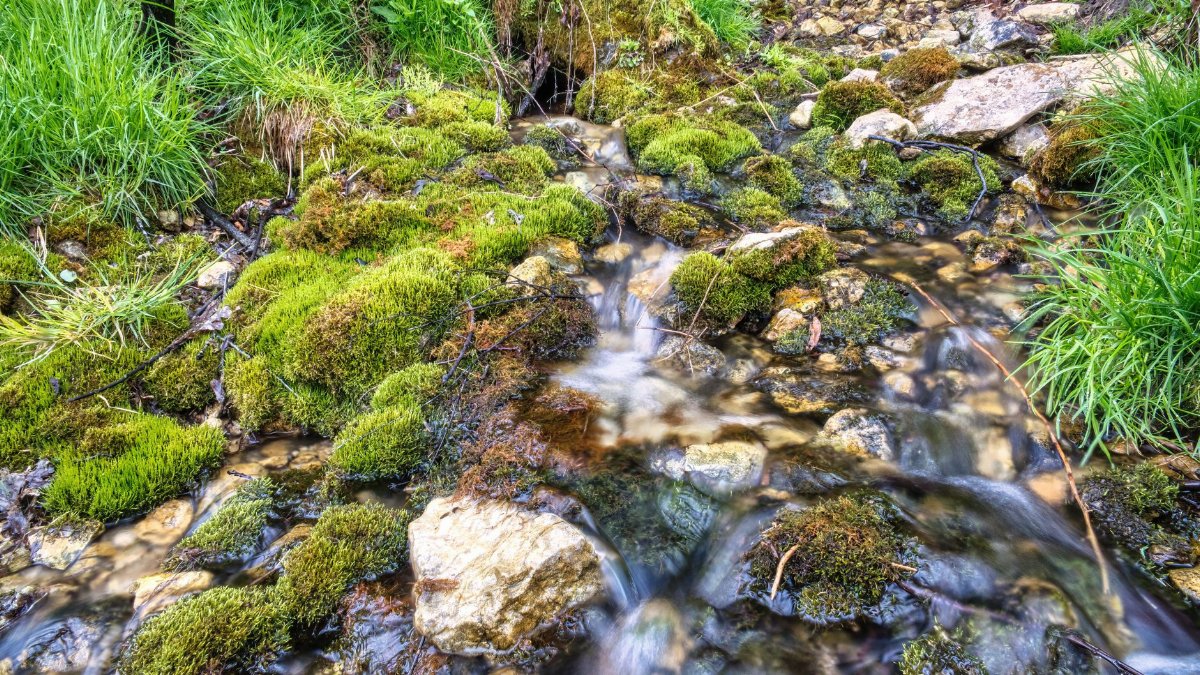
As a mid level predator the massasauga helps regulate populations of voles and mice that otherwise damage crops and spread disease. Its presence also signals healthy wetland conditions valued by birds amphibians and pollinators. Removing the snake from the food web could trigger imbalances that affect water quality and plant diversity over time. Scientists therefore regard the animal as an indicator species whose welfare reflects the overall condition of Michigan marshes.
Future Outlook for Conservation
Climate shifts that alter rainfall patterns may shrink or expand suitable habitat in coming years requiring adaptive management plans. Partnerships between state agencies private landowners and conservation groups seek to connect fragmented patches through restored corridors. Public support for these initiatives grows when accurate information replaces sensational stories about rare bites. Sustained attention can ensure the massasauga continues to share the landscape with future generations of Michiganders.