
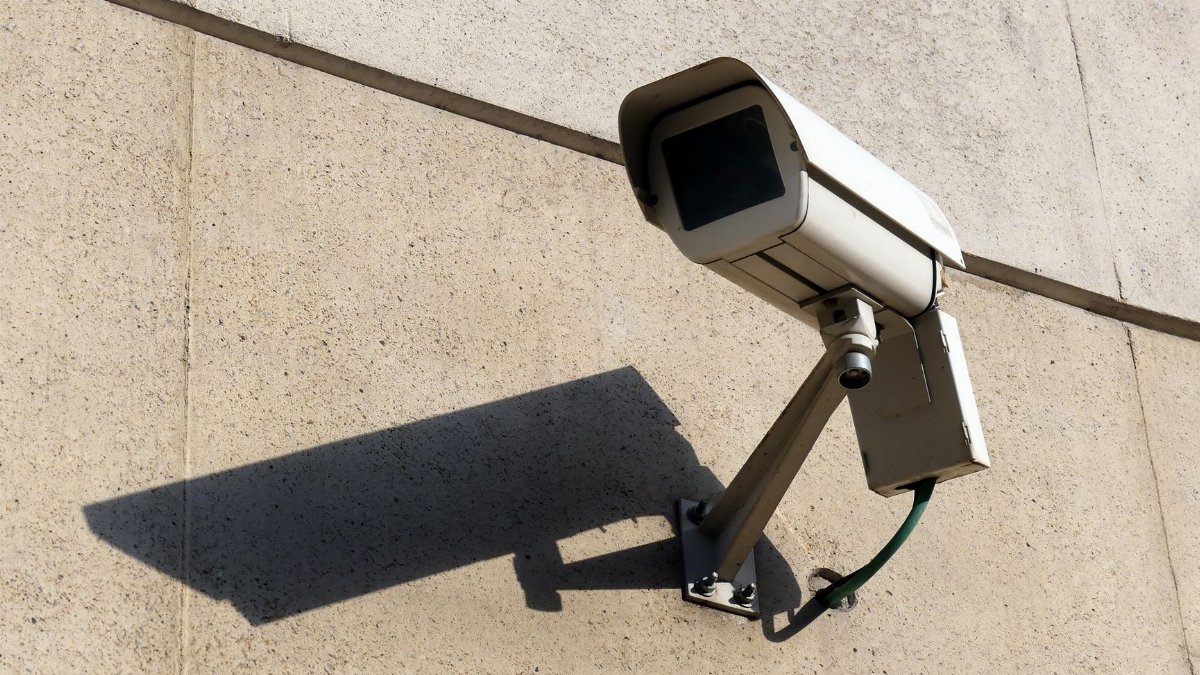
In Miami recently Governor Ron DeSantis delivered remarks that drew attention to the expanding presence of Flock cameras Florida across the state. He described the risk that these automated systems could evolve into tools of constant monitoring if left unchecked. Local agencies continue to adopt the technology for tracking vehicles even while questions mount about how the data gets stored and shared. The discussion touched on privacy concerns that affect everyday residents who drive through cities and towns where the cameras operate around the clock.
DeSantis Remarks Highlight Growing Concerns

The governor spoke to an audience that included law enforcement officials and community leaders. He noted that the rapid rollout of these cameras brings both benefits and serious drawbacks. Supporters say the systems help solve crimes by providing quick leads on vehicle movements. Critics counter that the same tools could allow authorities to build detailed profiles of innocent people without warrants.
Expansion of Automated Tracking Systems

Agencies in several counties have installed hundreds of units in recent months. The cameras capture images of passing cars and store the information for later review. This approach replaces older methods that required officers to patrol and record plates manually. As more units appear along highways and residential streets the volume of collected records rises sharply.
Privacy Questions Surface Among Residents

Many drivers express unease when they learn how long their travel data remains accessible. Some worry that routine trips to work or school could become part of permanent files. Others point out that the technology operates without the need for probable cause in each case. These worries have prompted calls for clearer rules on data retention and access.
Local Agencies Continue Purchases Despite Warnings

Police departments defend the decision to buy the cameras by citing improved clearance rates for theft and other cases. They argue that the information helps connect suspects to crime scenes faster than traditional investigation allows. Budget allocations for the systems have increased even after the governor raised alarms about potential overreach.
Legal Framework Remains Under Review

State lawmakers have begun examining proposals that would limit how long records can be kept. The measures would also require periodic audits to ensure the data serves only approved purposes. Advocates for stronger safeguards insist that without such limits the systems could drift toward broader monitoring of daily life.
Community Reactions Vary Across Regions

In some neighborhoods residents welcome the added layer of observation as a deterrent to crime. In others people organize meetings to discuss ways to restrict camera placement near homes and schools. These differing views reflect broader debates about safety versus personal freedom that have followed the technology since its introduction.
Future Direction Depends on Policy Choices

The path forward hinges on decisions made in coming legislative sessions. Officials must weigh the investigative value against the possibility of unintended surveillance effects. Clear guidelines could preserve useful functions while preventing the accumulation of unnecessary personal details over time.