

In the gray light of a Pacific Northwest winter many middle aged Americans find themselves reflecting on lives half lived and paths not taken. The longing for renewal often points across oceans toward older lands where stone and silence still speak. Delta Air Lines has now made that crossing easier by launching the first nonstop flights from Sea Tac to Spain. The new service does more than shorten a journey. It narrows the distance between everyday routine and the possibility of transformation.
Spain has beckoned spiritual seekers for centuries. From the scallop shell markers of the Camino de Santiago to the quiet monasteries tucked into mountain folds the country functions as a living archive of contemplation. What once required two or three flights and a full day of travel can now be reached in a single stretch from Seattle. The Sea Tac to Spain route therefore arrives at a moment when many readers are reconsidering how they spend their remaining decades of vitality and curiosity.
A New Pathway for Pilgrims

The announcement carries special weight for those drawn to pilgrimage. The Camino de Santiago remains one of the most enduring spiritual exercises in the Western world. Each year thousands of Americans in their forties fifties and sixties arrive at its starting points searching for clarity after career peaks parenting transitions or loss. Previously the trip from Seattle demanded layovers in New York or Amsterdam that eroded both energy and intention. A direct flight preserves the interior focus travelers hope to maintain from the moment they lock the front door until they place their first foot on Spanish soil.
Airline executives noted the route reflects genuine demand rather than marketing optimism. Load factors on existing connections through other hubs have climbed steadily since the pandemic eased. Travelers appear less interested in bucket list selfies and more focused on experiences that reshape perspective. The Sea Tac to Spain service meets that shift by removing logistical friction that once separated intention from departure.
Understanding the Spiritual Draw of Spain

Spain offers a particular quality of sacred space that resonates with contemporary seekers. Its landscapes hold layers of Roman Visigothic Muslim and Christian history. A single day might include morning prayer in a Gothic cathedral lunch in a sunlit plaza and evening silence beside a hermitage built in the ninth century. This density of meaning allows even time constrained travelers to encounter depth without months of preparation.
Cathedrals in Santiago Toledo and Barcelona function as architectural embodiments of collective longing. Their vaulted ceilings lift the eye and by extension the spirit. Many middle aged visitors report that simply sitting in these spaces dissolves the constant interior chatter of modern life. The new route makes such encounters logistically realistic rather than aspirational.
Delta’s Commitment to the Pacific Northwest

Delta has operated from Sea Tac for decades yet this marks the airport’s first direct link to Spain. The choice of Barcelona as the destination city feels deliberate. The Catalan capital serves as both a major entry point for the Camino and a cultural center where contemporary spirituality flourishes alongside ancient tradition. Modern pilgrimage often begins with reflection in Barcelona before travelers board trains or buses toward the French border to start walking.
By adding the route Delta acknowledges that Pacific Northwest travelers represent a distinct market. Many come from households that value experiences over possessions and view travel as an extension of personal growth work. The airline has responded with aircraft configured for longer stretches of comfortable reflection including improved lighting quieter cabins and menus that accommodate the dietary preferences common among health conscious travelers over fifty.
What to Expect on the Sea Tac to Spain Flight
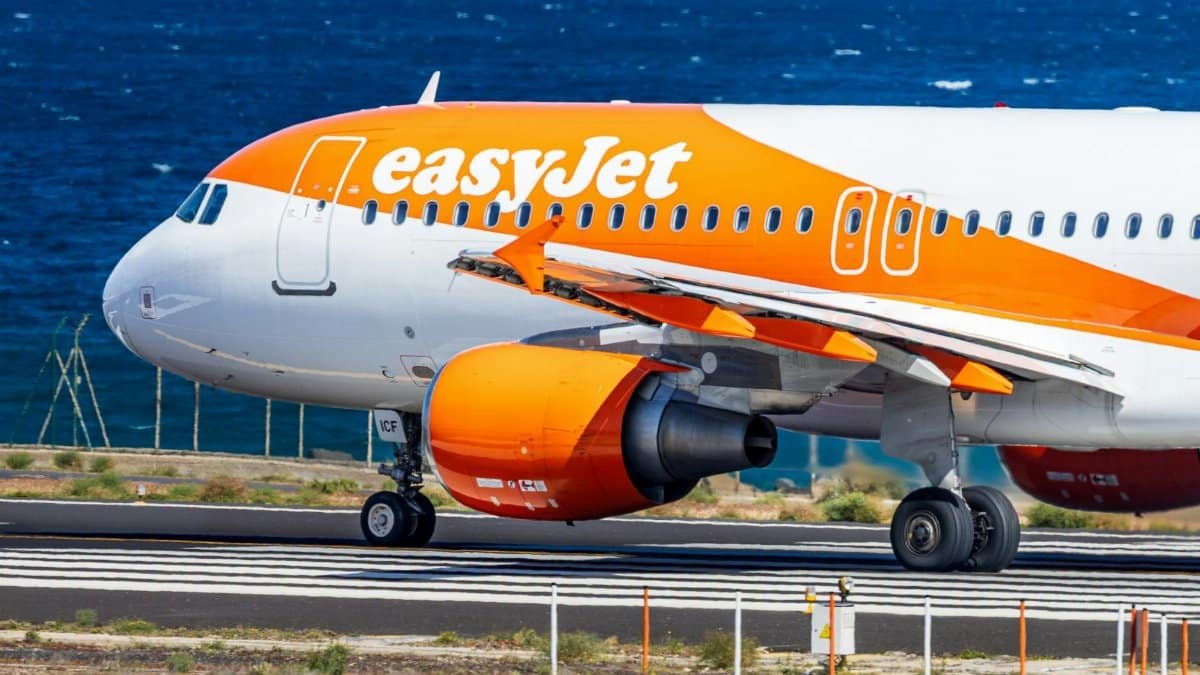
The flight itself lasts roughly ten hours. Departing Sea Tac in late evening travelers arrive in Barcelona early the following afternoon. This timing allows immediate connection to spiritual sites rather than forcing an exhausted night in a hotel. Cabin crew have received basic training in the cultural significance of the destinations many passengers will visit. Some flights will carry guidebooks and simple Camino shell charms that have become symbols of the pilgrim journey.
Seating options include lie flat business class for those who can afford true rest before beginning a physically demanding walk. Premium economy offers a middle ground that many middle aged travelers find sufficient. The airline has also partnered with local wellness providers in Barcelona to create arrival packages that include gentle yoga sessions and guided meditation focused on setting intentions for the journey ahead.
The Camino de Santiago and Modern Seekers

The Camino is no longer the exclusive domain of the young or the devout. Recent years have seen a marked increase in participants over fifty. These walkers often cite burnout career endings or empty nest syndrome as the catalysts that finally placed them on the trail. The walk strips life to its essentials: carry what you need eat when hungry sleep when tired and keep moving forward. Many describe the experience as the most honest thirty days they have lived in decades.
With direct access from Sea Tac more people can test whether a shorter section of the Camino suits them before committing to the full five week traverse. This flexibility has lowered the psychological barrier that once kept thoughtful but busy professionals from trying.
How Travel Fosters Personal Growth

Long distance journeys have always served as mirrors. Removed from familiar routines travelers confront their own patterns of thought and behavior. Spain intensifies this effect through its emphasis on presence. Meals last longer conversations go deeper and the landscape itself seems to demand attention. Hikers frequently report that problems that felt insurmountable at home shrink to manageable size after two weeks of walking through vineyards and ancient villages.
Therapists increasingly recommend such travel for clients in midlife transition. The combination of physical exertion cultural immersion and distance from digital distractions creates conditions favorable to genuine insight. The new Sea Tac to Spain route places that opportunity within closer reach both geographically and financially.
Emerging Trends in Faith Based Journeys

Organized religion may be declining in the United States yet interest in spiritual experience continues to rise. Hybrid journeys that blend elements of pilgrimage yoga nature immersion and cultural learning have become particularly popular. Spain accommodates all these approaches within a relatively compact area. One can walk the Camino attend a Gregorian chant service in a monastery and participate in a mindful eating workshop in the same week.
Travel companies specializing in contemplative travel report sustained demand from the fifty to seventy age bracket. These travelers tend to be college educated financially stable and deliberate about how they spend their time and money. The Delta route aligns precisely with their preferences for efficiency paired with depth.
Advice for First Time Visitors to Spain
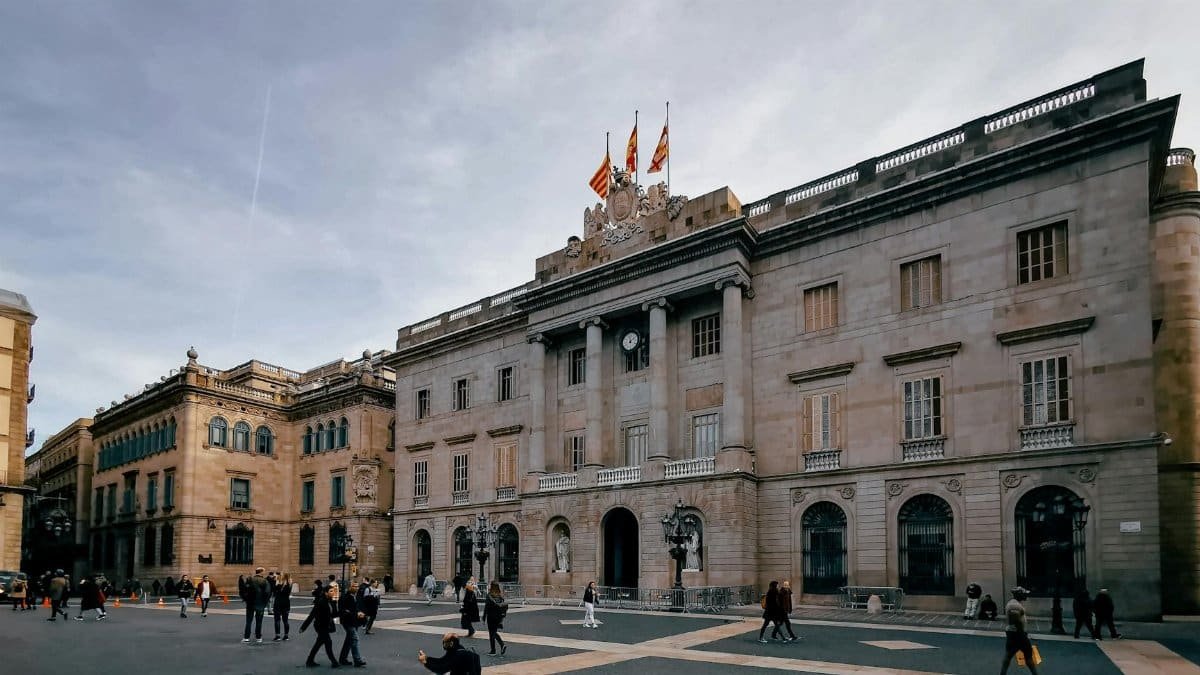
Preparation matters. Learning even a few phrases of Spanish signals respect and opens doors. Packing light proves essential whether walking the Camino or moving between spiritual sites by train. Comfortable shoes quality rain gear and a receptive mindset matter more than any particular gadget.
Consider beginning the trip with two quiet days in Barcelona to adjust to the time difference and attune to a slower rhythm. Visit the Sagrada Familia early in the morning before crowds arrive. Allow the space to work on you rather than attempting to photograph every angle. The new direct flight makes such measured approaches more feasible by reducing arrival fatigue.
The Economic Boost for Both Regions

Beyond individual transformation the route creates broader benefits. Spanish tourism boards have welcomed the direct connection knowing Pacific Northwest visitors tend to stay longer and spend more per day than some other demographics. Rural villages along pilgrimage routes particularly benefit as these travelers seek authentic encounters rather than resort experiences.
Meanwhile the increased service strengthens economic ties between Seattle and Barcelona. Cultural exchange programs educational partnerships and business relationships often follow improved air links. What begins as a spiritual impulse radiates into tangible cooperation between two regions that share values around innovation sustainability and quality of life.
Finding Solace in the Skies and Beyond
The true value of the Sea Tac to Spain route may ultimately lie in the space it creates. Ten hours aloft can become ten hours of intentional disconnection. Many travelers use the flight to journal read sacred texts or simply gaze at the passing clouds while considering what they hope to release and receive during their time abroad.
In an age of constant notification and fractured attention the ability to move seamlessly toward places that still honor silence feels like a form of grace. Delta has not set out to become a spiritual airline yet by opening this direct path the company has given thousands of Northwest residents easier access to experiences that have refreshed human souls for more than a thousand years.
The planes will depart whether or not any given reader chooses to board them. The deeper question is whether the quiet voice that has been suggesting for years that it might be time to walk has grown loud enough to answer. For many the answer will now be simpler to reach than ever before.