

In the quiet suburbs outside Chicago families have long navigated the delicate balance between state intervention and parental rights when concerns about child safety arise. Recent scrutiny of Illinois child welfare practices has brought renewed attention to how agencies handle investigations and follow up on cases involving at risk youth. The DCFS audit findings reveal both progress in certain operational areas and ongoing shortfalls that continue to affect vulnerable households across the state.
Origins of the 2020 Legislation
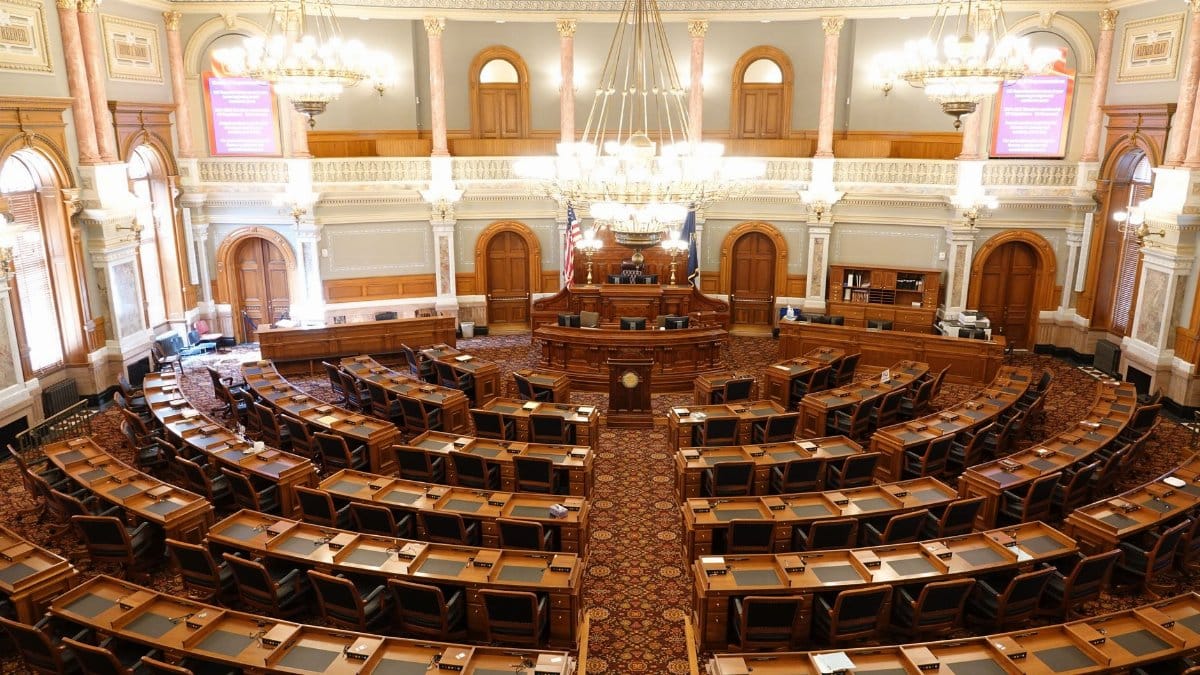
The measure known as Ta Najas Law emerged after a high profile tragedy drew public outrage over gaps in oversight. Lawmakers sought to strengthen accountability within the Department of Children and Family Services by mandating clearer protocols for documentation and case reviews. Implementation began amid hopes that systematic changes would reduce errors that had previously led to repeated failures in protecting children.
Key Elements of the Audit Process

Auditors examined hundreds of case files spanning multiple regions to assess compliance with new standards. They focused on timeliness of responses to reports of neglect or abuse as well as the quality of records kept by caseworkers. This thorough review provided a snapshot of how the agency has adapted since the law took effect.
Improvements Noted in Response Times

Data showed faster initial contact with families after allegations surfaced compared with earlier periods. Workers appeared better equipped to prioritize urgent situations thanks to updated training and staffing adjustments. These shifts mark a meaningful step forward in the agencys approach to immediate threats.
Documentation Shortfalls Remain Evident

Despite gains in speed many files still lacked complete notes on follow up visits or family assessments. Incomplete records can hinder continuity when cases transfer between staff members or require court involvement. Such patterns suggest that additional resources may be needed to support consistent paperwork practices.
Impact on Frontline Workers

Caseworkers described heightened pressure to meet new benchmarks while managing heavy caseloads. Some reported that extra layers of review have improved collaboration with supervisors yet others noted burnout from the added administrative demands. Their experiences highlight the human element behind the statistics.
Regional Variations Across Illinois

Urban districts showed stronger adherence to certain protocols while rural offices faced hurdles related to limited personnel and greater travel distances. These differences underscore how geography can influence service delivery even under uniform state guidelines.
Perspectives from Advocacy Groups
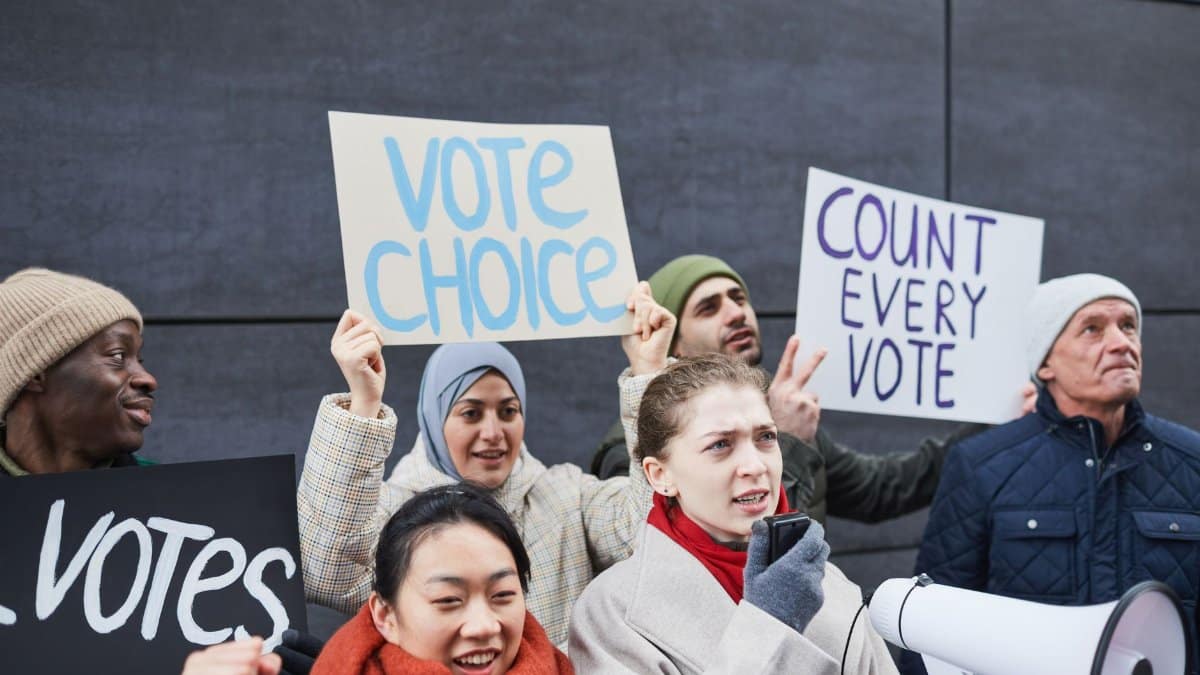
Organizations focused on child welfare praised the audit for its transparency but urged further investment in support services for families. They pointed out that prevention efforts could reduce the need for removals if communities had better access to counseling and financial aid.
Future Steps for Agency Leadership

Officials have outlined plans to expand digital tools that streamline record keeping and provide real time updates on case status. Training programs are also being revised to emphasize thorough documentation alongside rapid response. Continued monitoring will determine whether these measures produce lasting change.