

The Chicago Auditorium buzzed with energy on a mild spring evening as hundreds gathered to see a master at work. Fans clutched well worn copies of his books eager for new stories and wisdom. The event known locally as David Sedaris Chicago promised an intimate look into the mind of the acclaimed essayist and humorist. What unfolded was more than a simple reading. Sedaris offered a master class in the art of observation and the courage it takes to put ones life on the page with both wit and unflinching honesty.
His appearance comes at a time when many seek authentic voices that cut through the noise of modern life. In an era dominated by social media sound bites Sedaris reminds us of the power of carefully crafted prose. His work often explores themes of family dysfunction personal failure and the search for meaning. These elements seem to strike a spiritual chord with readers who find solace in his ability to laugh at the absurdity of existence while acknowledging its pain. Over two hours he blended hilarity with hard won perspective leaving the audience both entertained and quietly moved.
A Night Of Laughter And Reflection

From the moment Sedaris stepped onto the stage the room seemed to lean forward in anticipation. He opened with a story about attempting to train a stubborn pet parrot that escalated into a commentary on control and chaos in everyday relationships. The audience erupted in recognition. What made the evening remarkable was how seamlessly he wove laughter with moments of genuine reflection. Attendees later described feeling as though they had attended a peculiar sort of group therapy session where the therapist just happens to be one of the funniest writers alive.
This balance has become his signature. He reads passages that expose human frailty without ever descending into cruelty. Instead he invites listeners to see their own flaws reflected back with affection. The Chicago stop felt particularly resonant perhaps because the city itself carries a certain gritty honesty that mirrors his sensibility. People nodded along as he described the small humiliations that accumulate into a life examined.
The Discipline Behind The Humor

Sedaris spoke at length about the unglamorous reality of his daily practice. He writes every morning without exception often filling multiple notebooks before shaping anything for publication. There are no shortcuts he insisted. What appears effortless on the page emerges only after countless revisions and a willingness to discard entire drafts. He encouraged aspiring writers in the audience to treat their work like a muscle that grows stronger through consistent use rather than sporadic bursts of inspiration.
This rigor extends to his observations. He keeps detailed diaries of conversations overheard in airports and cafes mining them for the odd rhythms of real speech. One anecdote involved a woman arguing with her husband about mayonnaise in a grocery store an exchange he transformed into a meditation on class and domestic tension. The discipline he described felt almost monastic in its devotion revealing how humor arises not from spontaneity but from sustained attention to the world.
Turning Life Into Literature

Much of the evening focused on how Sedaris converts personal experience into universal stories. He recounted his childhood in a chaotic household where parental expectations collided with reality in spectacular fashion. These tales have delighted readers for decades yet he confessed that the process of writing them often feels like emotional archaeology. One must dig through layers of memory and shame to reach something true enough to share.
He read an unpublished piece about visiting his brother in rural North Carolina describing the visit with characteristic precision and affection. The audience learned that many of his most beloved essays began as simple journal entries that he revisited years later. This method suggests that our lives contain more material than we realize if only we develop the patience to see it. His approach transforms the particular into the profound inviting readers to reconsider their own histories.
Connecting With The Chicago Audience

Throughout the program Sedaris made time for questions from the crowd. A teacher from the suburbs asked how to encourage students to embrace failure in their creative work. His response was both practical and philosophical. He recommended celebrating early drafts as necessary mistakes and warned against the perfectionism that kills most writing before it begins. Another attendee inquired about his move to England and how distance had changed his perspective on American life.
These exchanges highlighted his generosity with fans. He signed books afterward engaging each person with genuine curiosity. The David Sedaris Chicago event succeeded largely because it created space for this kind of human connection. In an age of virtual interactions the simple act of sharing a physical space to laugh and think together carried unusual weight. Many left feeling seen in ways they had not anticipated when they purchased their tickets.
Insights Into The Publishing World

Sedaris offered a candid glimpse into the realities of traditional publishing. He described the pressure to produce content that fits market expectations while maintaining artistic integrity. Book tours he noted have evolved into something closer to performance art where authors must entertain as well as inform. Yet he expressed gratitude for the freedom his success has granted him to write exactly what he wants.
He recalled early rejections and the long period when his work circulated among friends before finding a wider audience. This history seemed to ground his advice that persistence matters more than early praise. The publishing industry has changed dramatically since his first collections appeared yet he believes good writing eventually finds its readers. His perspective carried the authority of someone who has navigated these waters for decades without losing his distinctive voice.
Humor As A Form Of Spiritual Practice

Perhaps the most unexpected element of the night came when Sedaris discussed how comedy serves as a path toward acceptance. By finding amusement in suffering and absurdity he suggested we practice a kind of spiritual surrender. This idea aligned with the events placement in spiritual news noting that his essays often function as modern parables. They reveal the folly of pride and the quiet grace found in acknowledging our shared brokenness.
He spoke about forgiveness not as a lofty ideal but as a daily requirement for anyone hoping to write honestly about family. His stories about his late mother and difficult father demonstrate how humor can transform pain into connection. Rather than offering easy comfort he extends an invitation to sit with discomfort long enough to laugh at it. In this way his work provides a gentle spiritual discipline for our times one that values truthfulness above piety and laughter above certainty. The Chicago Tribune coverage of the evening captured this dimension particularly well.
Practical Advice For Writers

Throughout his talk Sedaris dispensed concrete suggestions that aspiring authors eagerly noted. Read your work aloud he said because the ear catches what the eye misses. Be ruthless with favorite sentences if they do not serve the whole. Most importantly live an interesting life filled with odd jobs and uncomfortable situations because material rarely arrives while sitting comfortably at a desk.
He emphasized the value of keeping notebooks everywhere and writing down dialogue immediately after hearing it. These habits he maintained have sustained his career through periods of doubt. His words carried special weight for the many middle aged audience members who have harbored secret writing ambitions for years. They left with permission to treat their ordinary lives as worthy of art and with practical tools for beginning that work.
The Role Of Vulnerability In Art
Sedaris returned several times to the necessity of exposing ones own flaws. He shared a recent essay detailing a moment of petty jealousy toward a more successful friend describing the emotion with uncomfortable precision. This willingness to appear ridiculous he argued is what earns a writers credibility. Audiences can sense when someone is performing virtue rather than pursuing truth.
His vulnerability never feels performative because it is balanced by sharp self awareness. He mocks himself before others can do so yet the mockery contains compassion. This delicate calibration allows readers to recognize their own pettiness and feel less alone in it. The spiritual dimension emerges here again as he models the difficult work of self examination without self hatred. Several attendees mentioned afterward that this aspect of his talk would stay with them longest.
Leaving The Auditorium Changed
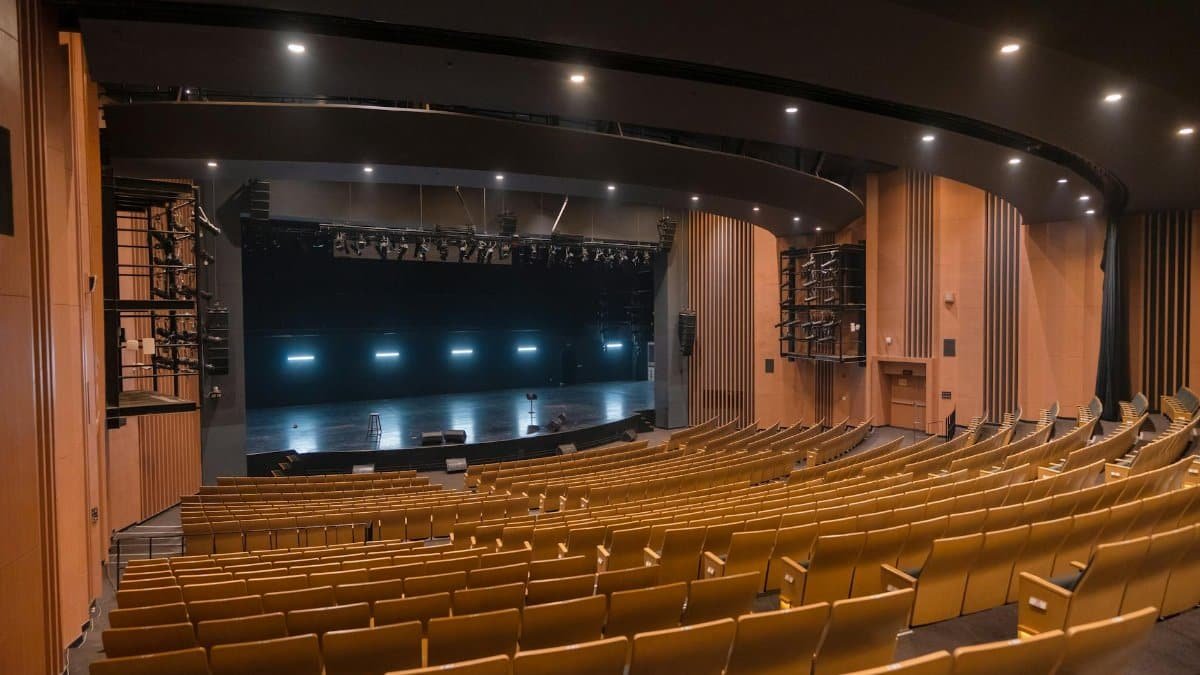
As the evening concluded with a final reading and warm applause the audience seemed reluctant to leave. Many lingered in the lobby discussing favorite essays and comparing notes on what they had heard. The David Sedaris Chicago gathering had managed to be both thoroughly entertaining and quietly transformative. People carried away not just laughs but a renewed appreciation for the examined life.
In the days that followed social media filled with reflections from those who attended. Some reported returning to neglected writing projects with fresh energy. Others simply felt lighter having been reminded that seriousness and silliness can coexist. Sedaris had once again demonstrated his rare gift for making the pursuit of truth feel like good company. His work continues to matter because it addresses the eternal human questions with a voice that is entirely his own. For one night in Chicago that voice echoed through an old auditorium and touched something profound in everyone present.