
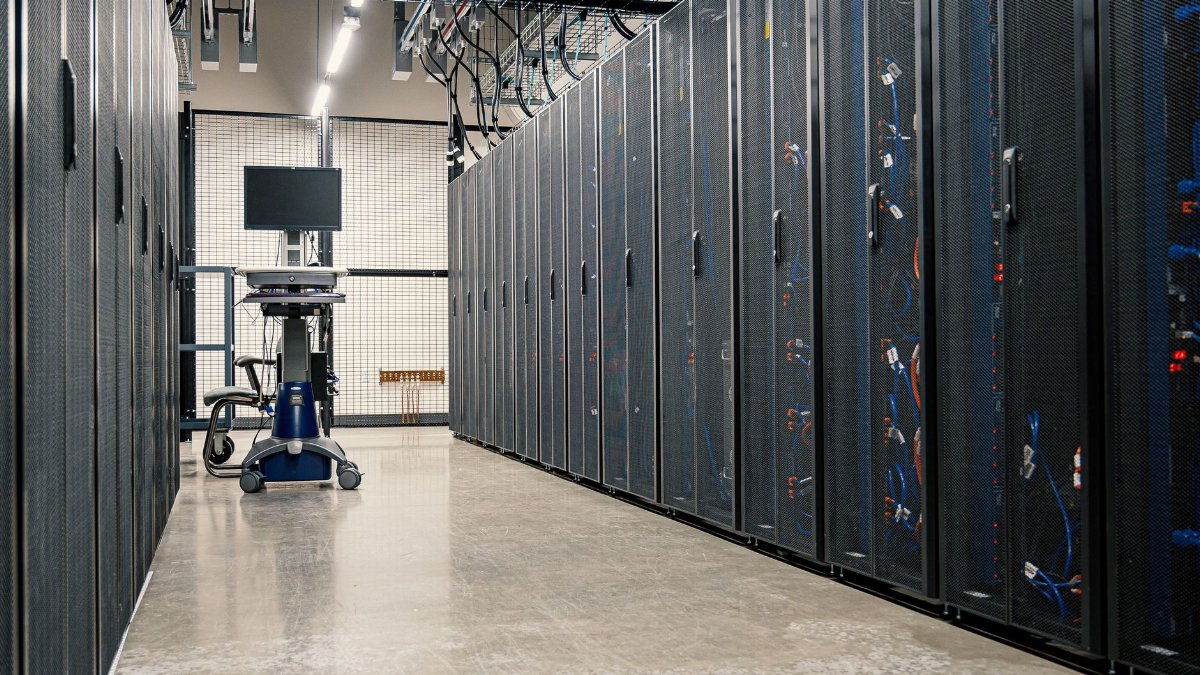
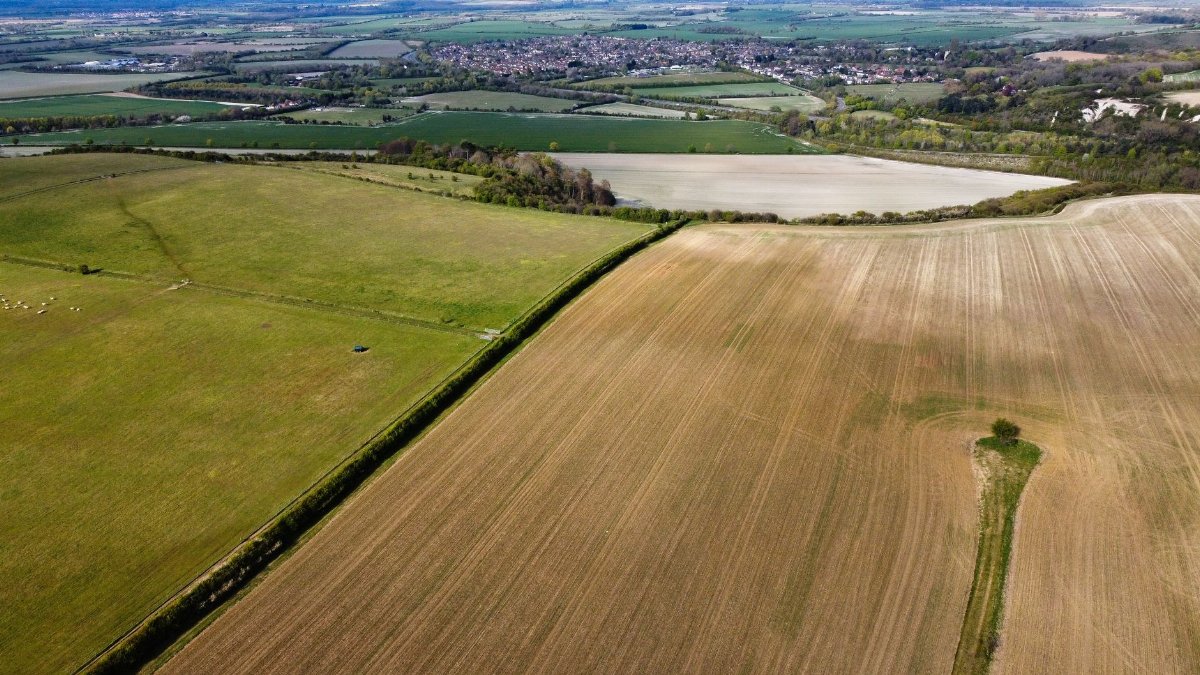
In the rolling hills outside Loudoun County, Virginia, families who once welcomed the arrival of tech jobs now gather at school cafeterias to question why their lights flicker during peak hours and why property taxes keep climbing. Local races this fall have turned unusually sharp as candidates field pointed questions about who truly benefits from the digital economy. Data center politics has emerged as a phrase that captures these tensions, reflecting how infrastructure once viewed as invisible now shapes voter priorities across party lines.
Residents Organize Against Massive Power Demands

Neighborhood associations have begun tracking every new application for server facilities, citing records that show facilities can require as much electricity as a small city. Meetings that used to focus on road repairs now pivot to grid capacity and backup generators. Candidates who once avoided technical details find themselves explaining substation upgrades to retirees who track utility bills with new intensity.
Both Parties Face Pressure on Land Use Decisions
Democrats and Republicans alike encounter crowds unwilling to accept blanket assurances about economic growth. In districts where warehouses once drew support, voters now ask why tax incentives persist even as schools report overcrowding. Campaign consultants report that mailers mentioning data facilities draw higher response rates than traditional economic messages.
Energy Grids Strain Under Digital Growth

Utility executives describe requests for new connections that exceed earlier forecasts by wide margins. Some regions have delayed other industrial projects to accommodate server farms, prompting state regulators to revisit long standing allocation rules. Residents question whether existing homes and businesses will face higher rates to fund expansions they never requested.
Economic Promises Clash with Quality of Life Concerns
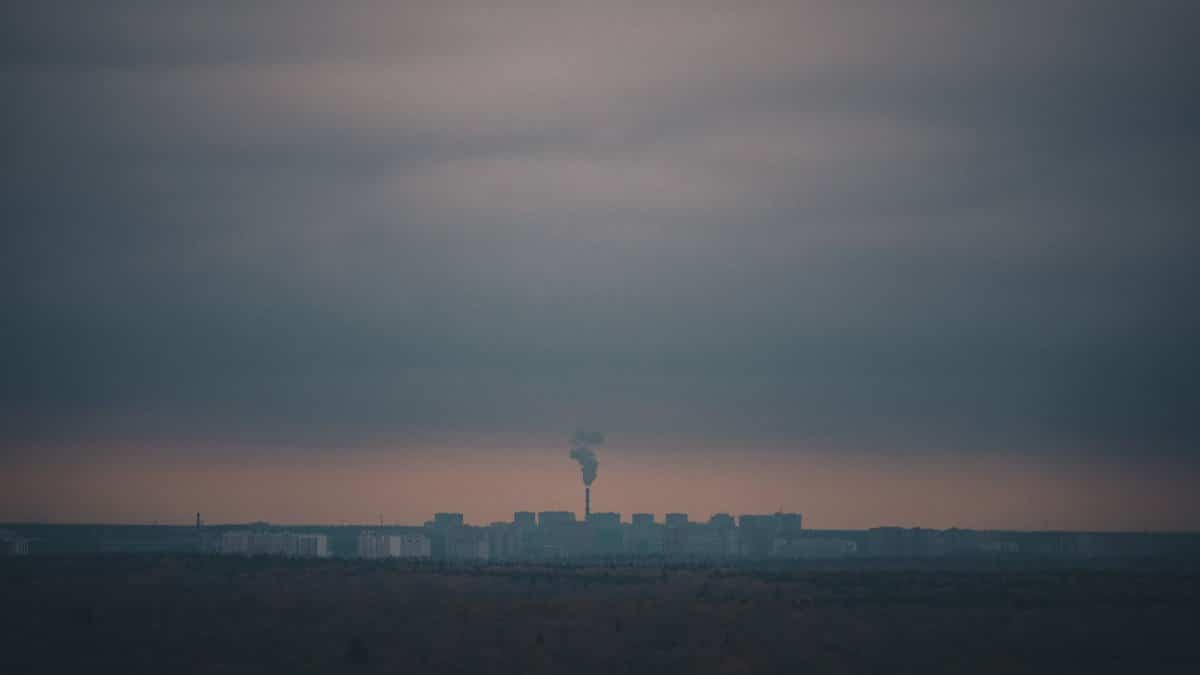
Proponents continue to highlight job creation and property tax revenue, yet critics point to the limited number of permanent positions once construction ends. Noise from cooling systems and truck traffic through residential zones has become a recurring complaint at planning board sessions. Several candidates now campaign on renegotiating agreements that were approved with less scrutiny just a few election cycles ago.
Campaign Ads Highlight Data Facility Battles

Television spots in competitive districts show aerial views of fenced compounds next to schools and parks, accompanied by narration that avoids party labels. One ad features a former mayor describing how initial projections for water use proved too low. The tone remains measured, focusing on accountability rather than outright opposition to technology itself.
State Legislatures Consider New Regulations
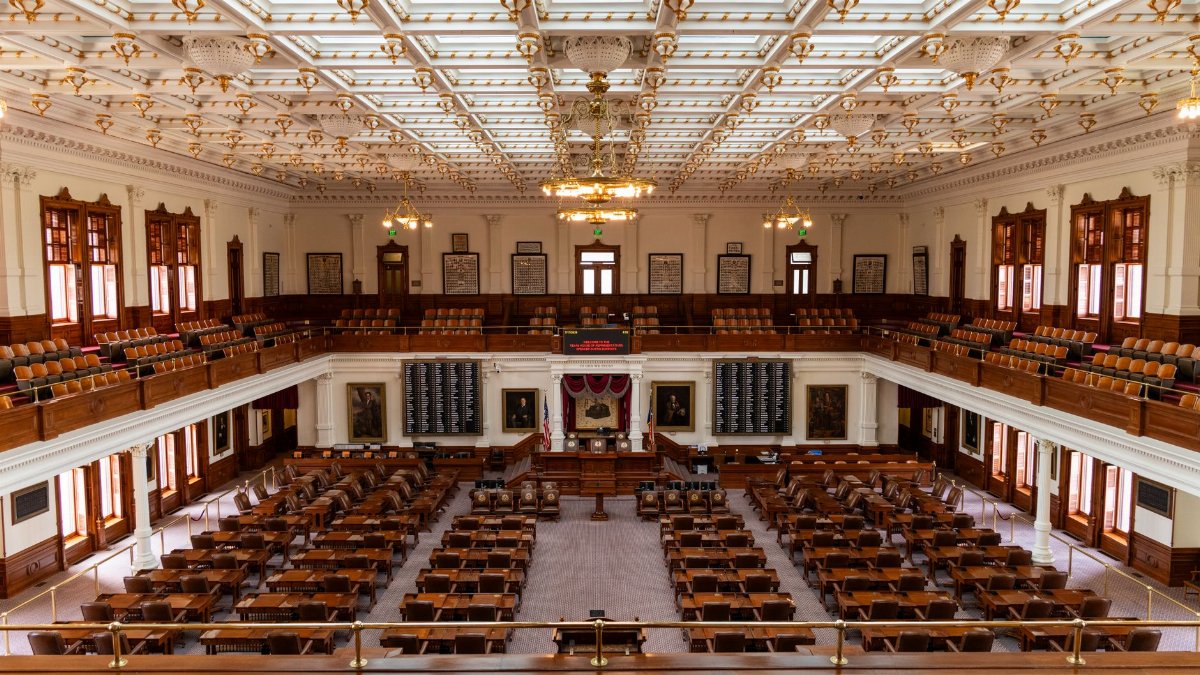
Lawmakers in multiple capitals have introduced bills requiring greater disclosure of energy and water consumption before permits are granted. Hearings have drawn testimony from local officials who describe being surprised by the scale of later expansions. Supporters of the measures argue that transparency can restore public confidence without halting growth.
Environmental Groups Enter the Fray

Organizations that traditionally focused on coal plants now attend zoning meetings armed with data on diesel backup generators. They note that diesel emissions occur during both testing and outages, adding to concerns already raised by neighbors. Some candidates have welcomed the additional scrutiny while others caution against rules that could push projects to neighboring states with fewer restrictions.
Future of Tech Infrastructure Hangs in Balance

Industry representatives warn that overly restrictive policies could slow the expansion of cloud services relied upon by businesses and consumers alike. At the same time, local officials acknowledge that ignoring resident complaints risks backlash that could stall projects for years. The outcome of races this November may determine whether communities retain leverage to shape where and how these facilities are built.